 Saturday, June 27Saturday, June 27
Tallinn’s Mere Cultural Center has begun covering up a Stalin-era ceiling mural and ornate stucco details, a move officials say will make the space more neutral and easier to rent out. The decision, confirmed on Friday, follows years of debate over the venue’s Soviet-era aesthetics and their impact on contemporary cultural programming.
The mural and decorative elements, installed during the building’s original construction in the mid-20th century, have long been a point of contention. City officials argue that the Stalinist iconography—once a symbol of ideological control—now conflicts with the center’s modern cultural mission. “The space needs to be adaptable for diverse events, from concerts to conferences,” said a spokesperson for the Tallinn City Culture Department. “Neutralizing the interior removes potential distractions and broadens the venue’s appeal.”
The covering process began this week, with workers applying neutral panels over the mural and repairing damaged stucco. The project is expected to conclude by late July, ahead of the center’s busy autumn schedule. While some heritage advocates have criticized the move as erasing history, city representatives insist the changes are reversible and do not constitute demolition.
The Mere Cultural Center, opened in 1953 as a flagship Soviet cultural hub, has undergone several transformations since Estonia regained independence in 1991. Its Stalinist architecture, once a source of civic pride, now stands as a relic of a contested past. The decision to alter the space reflects broader tensions in post-Soviet cities, where relics of authoritarian regimes are increasingly scrutinized for their contemporary relevance.
Elsewhere in Tallinn, a new poetry exhibition is drawing visitors to the city’s botanic gardens, blending literature with horticulture. The Baltic Times reports that the display, featuring poems about plants, is open through summer in both Tallinn and Tartu. Meanwhile, the city’s cultural calendar continues to evolve, with the Mere Center’s renovation marking a pragmatic step toward redefining its role in a rapidly changing urban landscape.
The move has reignited discussions about how cities reconcile historical legacies with modern needs. For Tallinn, a capital that has embraced both its medieval charm and digital future, the decision underscores the ongoing negotiation between preservation and progress.
Follow us for live European news

Bremer Kunsthalle lud Dackel ein: Die Radikalität der Form Ab Oktober zeigt die Bremer Kunsthalle die Ausstellung „Der Dackel. Eine Ikone geht Gassi. Zur Vorbereitung lud sie zum Dackeltreffen hinters Haus. mehr...
taz.de · about 4 hours ago
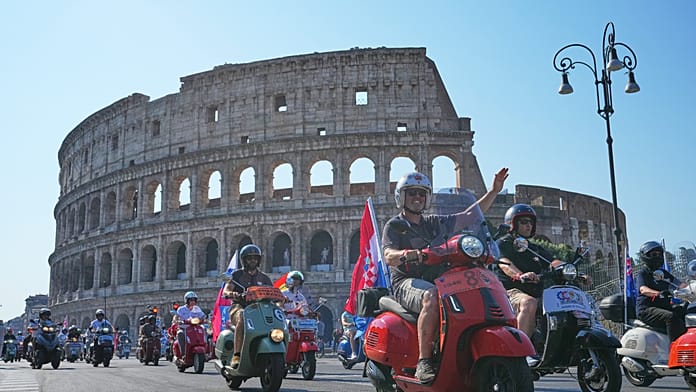
Rome celebrates Vespas 80th anniversary Thousands of enthusiasts took to Romes streets to mark the Vespas 80th anniversary, with 160 models on show tracing the brands history from 1946 to today.
euronews · about 4 hours ago
Niagarski slapovi za kratek čas zasijali v barvah slovenske zastave 35. obletnici osamosvojitve Slovenije so se poklonili tudi znameniti Niagarski slapovi. Te so za približno 15 minut osvetlili v barve slovenske trobojnice.
rtv slovenia · about 4 hours ago

Jovens de bairros sociais preparam-se para era digital Iniciativa Semana Digital contou com a participação de "cerca de 200 miúdos", que ao longo de cinco dias receberam formação em áreas tecnológicas emergentes.
observador · about 4 hours ago
International Contemporary Theatre Festival Homo Novus Invites Audiences to Slow Down - The Baltic Times The International Festival of Contemporary Theatre Homo Novus will take place from 4–12 September 2026, ......
baltic times · about 5 hours ago
Kultur: Jubiläumsauftakt: «Parzival» feiert Premiere in Bad Hersfeld
die zeit · about 5 hours ago
Crimson dusk descends over Trabzons Black Sea coast A striking crimson sunset illuminated the Ortahisar district of Trabzon, casting dramatic silhouettes of ships and boats against the Black Sea. The vivid evening spectacle offered residents and visitors a moment of natural beauty along Türkiyes northeastern coastline.
yenisafak · about 5 hours ago
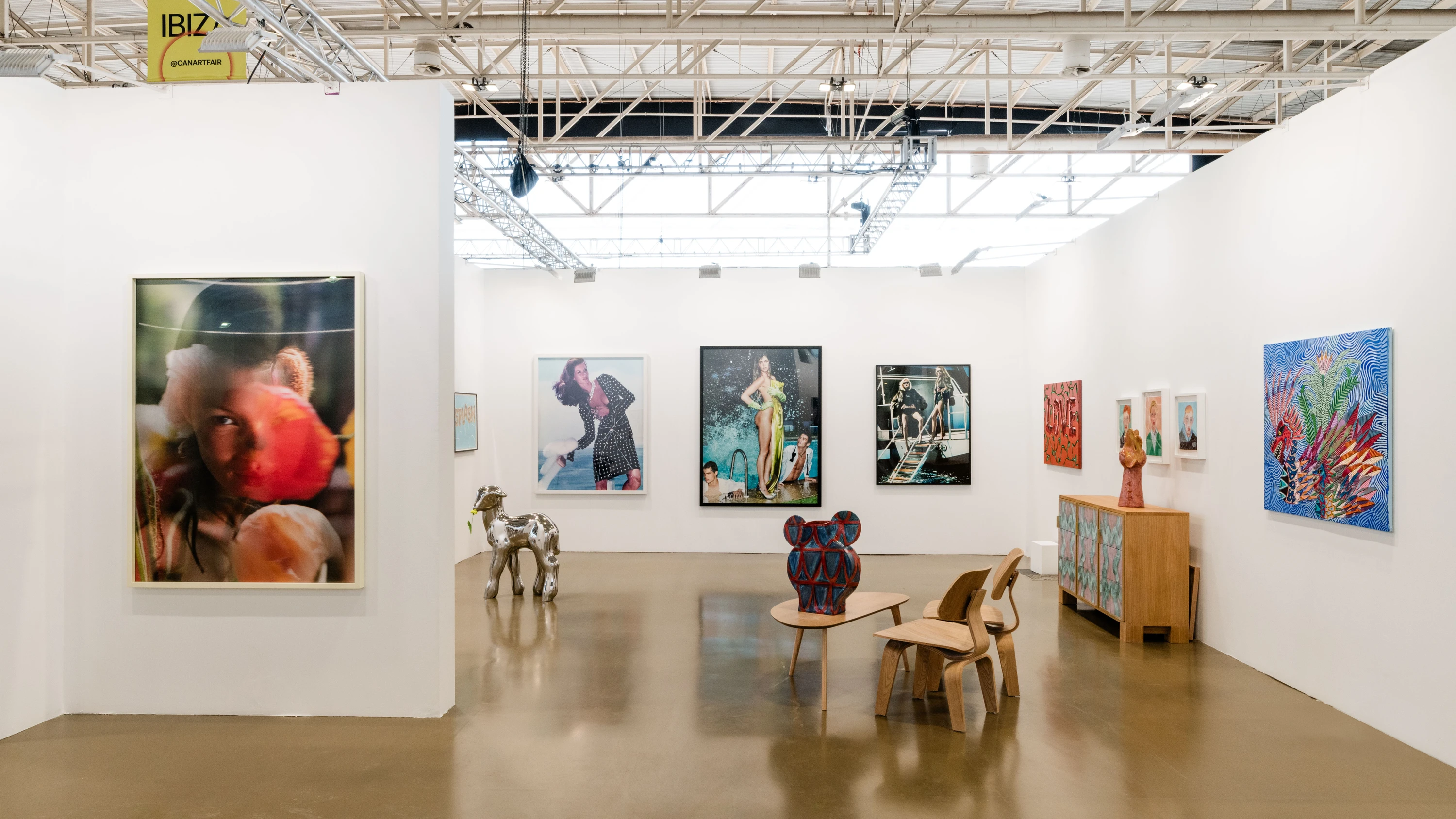
Kultur auf den Baleraren: Ibiza punktet mit seiner Kunstmesse Nach sechs Jahre ist die CAN Art auf Ibiza fest etabliert. Das liegt nicht nur am Kunstangebot der Messe selbst, sondern auch an einem kulturellen Rahmenprogramm, das sich sehen lassen kann.
faz · about 5 hours ago
Melkonian Institute commemorative album launched at Presidential Palace A trilingual commemorative album documenting the history and legacy of the Melkonian Educational Institute was officially presented at the Presidential Palace last week, in an event celebrating the memory, education and cultural heritage of Cyprus Armenian community. The publication, released by the Press and Information Office (PIO) in Greek, Armenian and English, was co-organised by […]
cyprus mail · about 6 hours ago
FOTOD ⟩ Tallinna Vanasadamas peatub kruiisilaev Clio Tallinna Vanasadamas on laupäeval külas kruiisilaev Clio, mis saabus juba neljapäeva õhtul ning jäi kai äärde kaheks ööks.
postimees · about 6 hours ago
10 Years of Tallinn Fringe: First Shows Announced for 2026 Festival - The Baltic Times Tallinn Fringe celebrates its 10th edition with the launch of the first wave of the 2026 programme at 12:00 on Thursday 18 June....
baltic times · about 6 hours ago
A poetry exhibition is open this summer at the botanic gardens in Tallinn and Tartu - The Baltic Times This summer, visitors to both of Estonias botanic gardens will find not only plants but also poems written about them. The poetry......
baltic times · about 6 hours ago

Riche promenade le long de la Lys avec la peinture quand elle sort de son cadre Dixième Biennale de la peinture organisée conjointement par les trois musées de la Lys : Dhondt-Dhaenens, Roger Raveel et musée de Deinze. ...
la libre · about 6 hours ago
Scott Diel: Estonia avoiding tough decisions in culture at the expense of artists Estonias culture funding debate misses a fundamental issue. If the current system leaves orchestras, museums, magazines and artists perpetually underfunded, perhaps the problem is not simply a lack of resources, but the way those resources are allocated, writes Scott Diel, originally in Edasi.
news.err · about 6 hours ago
I Am Plural – a new exhibition at the Vytautas Kasiulis Museum of Art explores identity in the age of artificial intelligence - The Baltic Times Yuge Kurt and Egmontas Geras. I Am Plural, opened Wednesday, the 17th June at the LNMAs Vytautas Kasiulis Museum of Art brings t......
baltic times · about 6 hours ago
Tallinn cultural venue to cover up Stalin-era ceiling mural, stucco details Tallinns city-run Mere Cultural Center is covering up a Stalinist ceiling mural and details in a move officials say will make the space more neutral and easier to rent out.
news.err · about 7 hours ago
Ko sodobna umetnost oživi izložbene vitrine, nekoč pomembne gradnike mestne identitete Že v tretjem ciklu projekt Izložba z umetniškimi intervencijami obuja tradicijo, ki je nekoč pomembno soustvarjala vizualno podobo mesta, s spremenjeno dinamiko potrošništva pa ta nekoč pomemben tvornik mestne identitete vse bolj izginja.
rtv slovenia · about 7 hours ago
DobraVaga – deset let galerije, ki ostaja odskočna deska številnim mladim umetnikom in umetnicam Če so imeli nekoč mladi umetniki malo možnosti za predstavitev svojega dela, je danes položaj drugačen. Platform, kjer srečujemo svežo vizualno produkcijo mladih, je kar nekaj, že desetletje pa ena pomembnih odskočnih desk zanje ostaja DobraVaga.
rtv slovenia · about 7 hours ago
Iranian photographer examines dance as resistance at Swiss exhibition At the Photo Elysée Museum in Lausanne, artist Hannah Darabi explores Iranian popular dance as a form of resistance shaped by identity. Her project, Why dont you dance? centres on three iconic figures, bringing together photographs, video and archival material. It will be on show in Lausanne until November 1. The Iranian artist shows how dance has evolved, taking on different meanings as the countrys social and political landscape has shifted. Drawing on the Woman, Life, Freedom protest movement, she also brings out the complexity of contemporary Irans politics. Three figures take centre stage. The first is Mahvash, one of the first cabaret singers and dancers of the 1950s. Through her fictional autobiography, Darabi explores how dance became a form of protest around the time of the 1979 Revolution, and how growing restrictions were placed on womens bodies, according to the press release. Jamileh, known for her skill in belly dancing and the Jaheli dance – a popular style ...
swissinfo · about 7 hours ago
PILDID ⟩ Jääaegne materjal, eestiaegne kelk ja nüüdisaegne kunst: Levikivis vormusid professori kelgu alla kivist tuisuvaalud Jaanipäevast saati askeldas Tori vallas Levi külas Levikivi kivikoja õuel salk tolmuseid inimesi: kohalik kivimeister Raul Randväli, skulptor Elo Liiv ja Dmitri Sokolov. Põhjuseks Soome kelku lükkav pintsakus pronkskuju, mis oli vaja tõsta tuisuvaale meenutavale kivialusele.
postimees · about 8 hours ago
Trinta munícipios sem qualquer equipamento nas redes culturais nacionais em 2025 Situados em territórios de baixa densidade, deixam acentuada a necessidade de atenção por parte das políticas públicas, lê-se no estudo do Observatório Português das Actividades Culturais.
publico · about 8 hours ago
GALERII ⟩ Helitehases möllas brasiilia metalbänd Cavalera 26. juunil jõudis Helitehase lavale ansambel Cavalera - vennad Max Cavalera ja Iggor Cavalera, kes on Brasiilia metalbändi Sepultura asutajaliikmed ning kaks nime, kelle mõju metalmuusika ajaloole on olnud erakordne. Max oli Sepultura algusaastate vokaalist-kitarrist ja Iggor bändi trummar; nüüd toovad nad selle pärandi taas lavale oma nime all.Tallinna kontserdi keskmes oli Sepultura 1993. aastal ilmunud viies stuudioalbum «Chaos A.D.» - teos, mis muutis jäädavalt 1990ndate metalmuusika kõlapilti. See on album, millelt pärinevad surematud lood nagu «Refuse/Resist», «Territory», «Slave New World» ja «Propaganda» – metalhitid, mis kõlavad ka täna sama raevukalt, ähvardavalt ja ajakohaselt nagu ilmumishetkel.
postimees · about 8 hours ago
Anselmo Braamcamp: atenção ao novo quarteirão cultural do Porto Na zona alta do Bonfim, parece à primeira vista uma rua pacata, de interior de quarteirão. E, sim, a Anselmo Braamcamp é sossegada, mas esconde um fervilhar cultural que vale a pena conhecer melhor.
publico · about 8 hours ago
Os Bordados da Berdadeira são pontos que querem unir comunidades do Porto O programa municipal Cultura em Expansão convidou a cantora Gisela João para levar as artes manuais a dois bairros da cidade, Pasteleira e Bouça. Bordados primeiro, crochet a seguir.
publico · about 8 hours ago
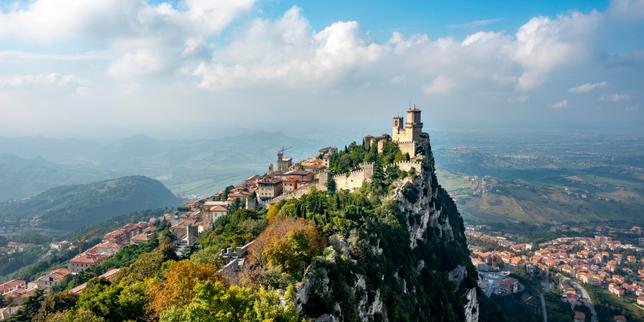
48 heures à Saint-Marin, de la plaine adriatique aux tours du mont Titan Enclavé en Italie, ce micro-Etat, qui a conservé du Moyen Age son urbanisme défensif et ses tournois darbalète, offre aussi loccasion de balades sportives à flanc de montagne et de vues imprenables sur les Marches et lEmilie-Romagne.
le monde · about 8 hours ago