
Millions mourn Irans late Supreme Leader Khamenei in week-long state funeral
Story Timeline
2 months · 3 summary articles
Thousands mourn as Iran begins six-day state funeral for late Supreme Leader Khamenei
Follow-upMillions mourn Irans late Supreme Leader Khamenei in week-long state funeral
Mourners gather in Tehran as Iran begins six-day state funeral for slain Supreme Leader Khamenei
Follow-up
Iran on Saturday began a week-long state funeral for the late Supreme Leader Ayatollah Ali Khamenei, with millions of mourners gathering in Tehran as dignitaries from more than 100 nations paid their respects to the slain leader killed in a US-Israeli airstrike in February.
The body of the 86-year-old cleric lay in state at Tehran’s Grand Mosalla, where mourners wept as authorities unveiled the casket before a vast crowd. Iranian officials estimate between 15 and 20 million people will participate in the capital alone during the six-day ceremonies, which will move through Qom and Iraq before concluding with burial in Mashhad on July 9.
Foreign delegations have arrived in force, including former Russian president Dmitry Medvedev, Pakistan’s prime minister, Afghanistan’s foreign minister, and senior officials from Iraq, Armenia, and Tajikistan. The high-profile attendance underscores the geopolitical significance of Khamenei’s death amid fragile ceasefire talks between Washington and Tehran.
Iran has mobilised tens of thousands of Basij militia members and security forces to secure the events, with authorities warning that any provocations by the US or Israel during the mourning period would be met with “harsh retaliation.” The funeral coincides with ongoing Israeli drone strikes in Gaza, where a child was killed and another injured on Saturday, adding to regional tensions.
State media broadcast images of clerics, officials, and foreign dignitaries filing past the casket, while crowds in Tehran chanted slogans such as “Death to America” on the eve of US Independence Day. The funeral procession will pause in the holy city of Qom, a centre of Shia Islam, before crossing into Iraq for further ceremonies in Najaf and Karbala.
Notably absent from the proceedings is Khamenei’s son, Mojtaba, who was seriously injured in the February attack and has not been seen in public since his father’s death. His absence has fuelled speculation about Iran’s succession plans, with analysts suggesting the regime may be consolidating power around a collective leadership rather than a single successor.
The funeral comes four months after Khamenei’s killing in an airstrike on Tehran, which triggered a devastating war between Iran, the US, and Israel. While the ceremonies are framed as a national mourning, they also serve as a display of unity for a regime under pressure, with the Supreme Leader’s death exposing fractures within the clerical establishment.
Follow us for live European news
- 4
- 2
- 2
- 2
- 1
- 1
- 1
- 1
- 1
- 1
- 1
- 1
- 1
1 further source not geolocated
Articles

Milioane de oameni, la funeraliile lui Ali Khamenei. „Moarte Americii!, scandează mulțimea chiar de Ziua Independenței SUA Teheranul găzduiește unele dintre cele mai ample ceremonii funerare din istoria recentă a Iranului, după moartea liderului suprem Ali Khamenei, ucis împreună cu mai mulți membri ai familiei sale la începutul conflictului dintre Iran, Statele Unite și Israel.
adevarul · about 2 months ago
Öffentliche Trauerfeier für Chamenei in Teheran begonnen
orf.at · about 2 months ago
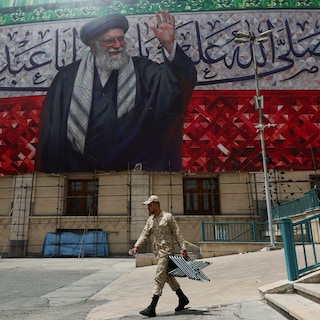
De uitvaart van Ali Khamenei is voor Iran meer dan een afscheid
trouw · about 2 months ago
Iran innleder den offisielle begravelsesseremonien for Khamenei Den offisielle begravelsesseremonien for Irans leder Ali Khamenei er innledet i Teheran, over fire måneder etter at han…
aftenposten · about 2 months ago
Middle East live: Iran begins days-long funeral for late Supreme Leader Ayatollah Ali Khamenei Iran on Saturday began a days-long funeral for the late Supreme Leader Ayatollah Ali Khamenei. The 86-year-old was killed in an air strike at the start of the US-Israeli war with Iran. Mourners wept when authorities unveiled the casket containing Khameneis body at the Grand Mosalla in Tehran. Follow our liveblog for the latest updates.
france24 · about 2 months ago
Getötetes Staatsoberhaupt: Öffentliche Trauerfeier für Chamenei in Teheran begonnen Rund vier Monate nach seiner Tötung soll Irans Staatsoberhaupt Ajatollah Ali Chamenei schließlich beerdigt werden. Mehrere Tage lang herrscht dafür im Iran Ausnahmezustand.
handelsblatt · about 2 months ago
Iran war live: Millions expected in Tehran for funeral of Ali Khamenei Israeli attacks on Gaza continue with a child killed and another injured in a drone strike, according to civil defence.
aljazeera · about 2 months ago
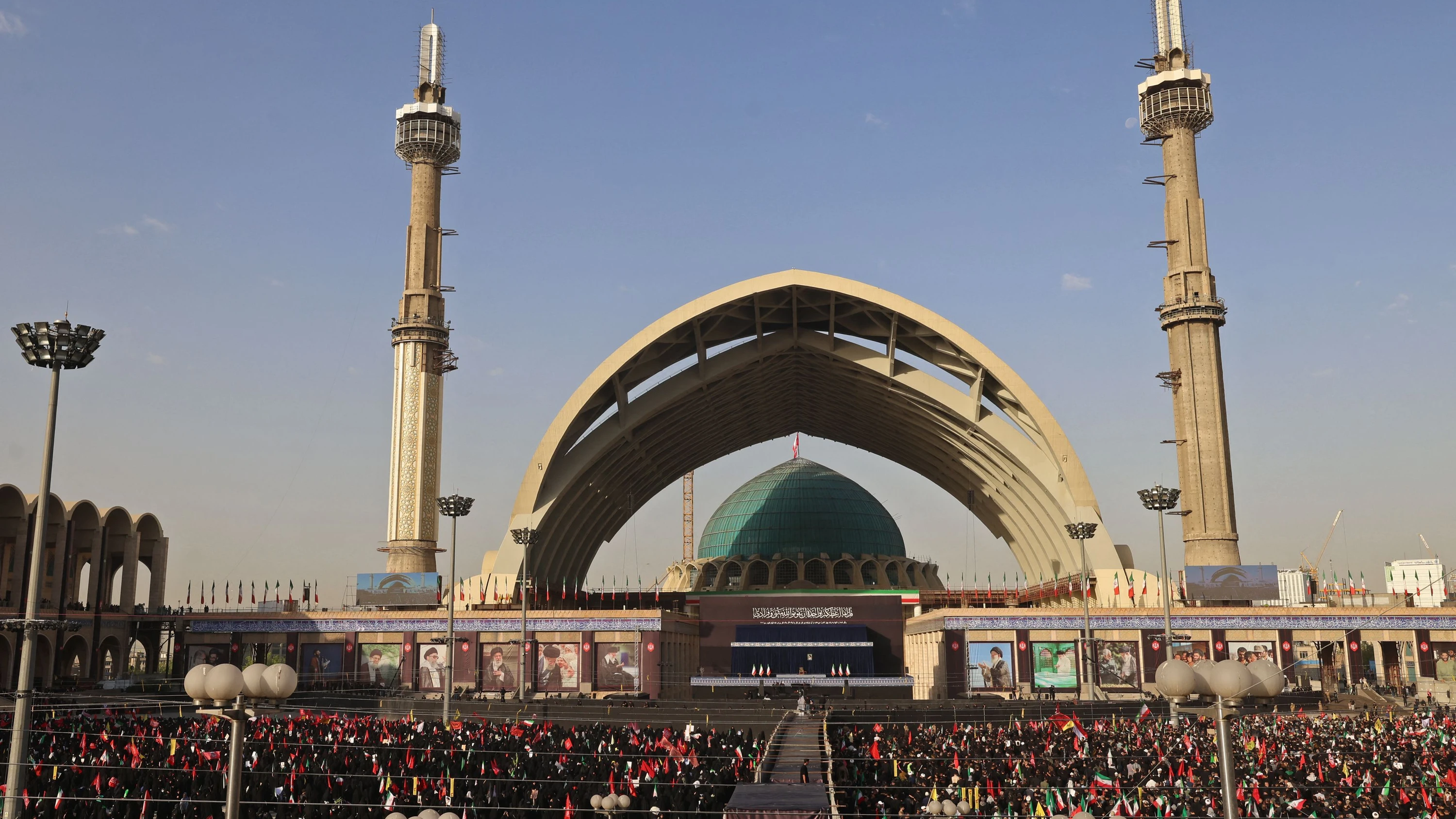
Liveblog Irankrieg: Höchste Sicherheitsstufe in Iran während Trauerfeiern für Chamenei Mindestens fünf Tote bei Bombenexplosion in Damaskus +++ USA und Iran einigen sich in Qatar auf „Kommunikationskanal +++ Trump spricht von „sehr guten Treffen mit Iran +++ alle Entwicklungen im Liveblog
faz · about 2 months ago
V Teheránu se lidé loučí s duchovním vůdcem Chameneím. Očekává se až 20 milionů truchlících V Teheránu v sobotu oficiálně začalo rozloučení veřejnosti s íránským duchovním vůdcem Alí Chameneím, jehož zabily americko-izraelské útoky na Teherán 28. února. Oznámila to podle agentury AFP v 6:00 místního času (4:30 SELČ) íránská státní televize. Jde o součást šestidenních pietních akcí spojených s pohřbením ajatolláha.
irozhlas.cz · about 2 months ago
Irankrieg: Öffentliche Trauerfeiern für Chamenei beginnen Mehrere Tage bleibt der Sarg des langjährigen obersten Führer Ayatollah Ali Chamenei aufgebahrt. USA und Iran wollen Kommunikationskanal einrichten. Das Liveblog
die zeit · about 2 months ago
Spelet bakom attacken – så dödades ayatollan CIA hade spårat ayatolla Ali Khamenei i månader. Israel hackade övervakningskameror och slog ut telefonmaster mitt i Teheran.Så gick det till när ayatollan dödades.
svenska dagbladet · about 2 months ago
Sonen deltar inte i ayatollans begravning – måltavla Miljoner iranier deltar i den döde ledaren ayatolla Ali Khameneis begravning, som pågår i sju dagar.Alla är där – utom hans son och efterträdare Mojtaba Khamenei som inte har framträtt offentligt sedan han utnämndes till högste ledare i mars.Pappan dödades i USA:s och Israels attack i februari – och sonen skadades svårt samma dag.
expressen · about 2 months ago
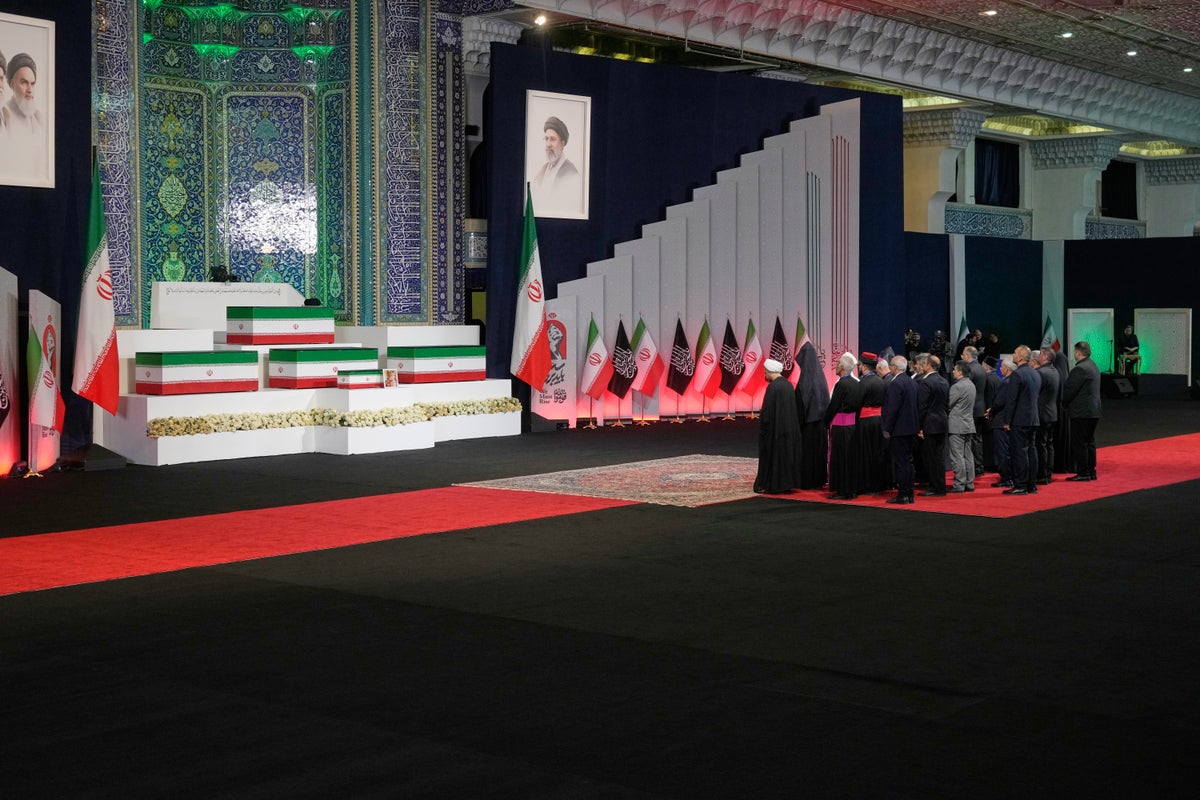
Iran begins dayslong funeral for the late Supreme Leader Ayatollah Ali Khamenei, killed in war Iran has begun a dayslong funeral for the late Supreme Leader Ayatollah Ali Khamenei, months after an airstrike killed him at the start of the war
independent · about 2 months ago
Försvunnen general dök upp vid ayatollans kista Han ryktades vara död och har levt gömd sedan februari. Nu har generalen för det iranska revolutionsgardet synts på ett foto vid den döda ayatollan Ali Khameneis kista. I månader har han styrt landet från skuggorna.
svenska dagbladet · about 2 months ago
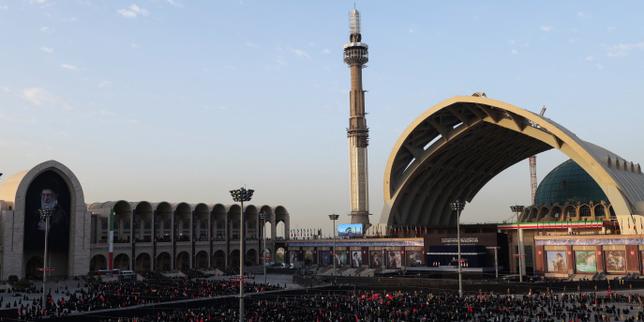
Funérailles dAli Khamenei : des milliers de fidèles affluent à Téhéran pour un dernier hommage au Guide suprême Les autorités ont affirmé attendre entre 15 millions et 20 millions de participants rien que dans la capitale iranienne pour lévénement, qui doit se dérouler sur six jours.
le monde · about 2 months ago
Khameneis begravning officiellt inledd Tusentals människor har tagit sig till det religiösa komplex där begravningsceremonin för Irans tidigare högste ledare Ali Khamenei ska hållas, uppger en AFP-journalist. Ceremonin har nu officiellt inletts, enligt iransk statlig tv.
svenska dagbladet · about 2 months ago
Ho fondato i pasdaran ma la rivoluzione si è spenta, ora sono esequie di regime Moshen Sazegara: Ero alladdio a Khomeini nel 1989 e cera un clima di speranza. Adesso la gente non vede una luce
corriere · about 2 months ago
La bara di Khamenei a Teheran: via al funerale lungo sette giorni Città blindata per laddio alla Guida suprema e ai suoi familiari uccisi nei raid di Usa e Israele. Sfilano gli uomini forti Vhaidi e Ghalibaf, cè pure Medvedev. Mistero sulla presenza di Mojtaba
corriere · about 2 months ago
Getötetes Staatsoberhaupt: Iran beginnt öffentliche Trauerfeiern für Chamenei Rund vier Monate nach seiner Tötung soll Irans Staatsoberhaupt Ajatollah Ali Chamenei schließlich beerdigt werden. Nun beginnen die öffentlichen Trauerfeiern.
tagesspiegel · about 2 months ago
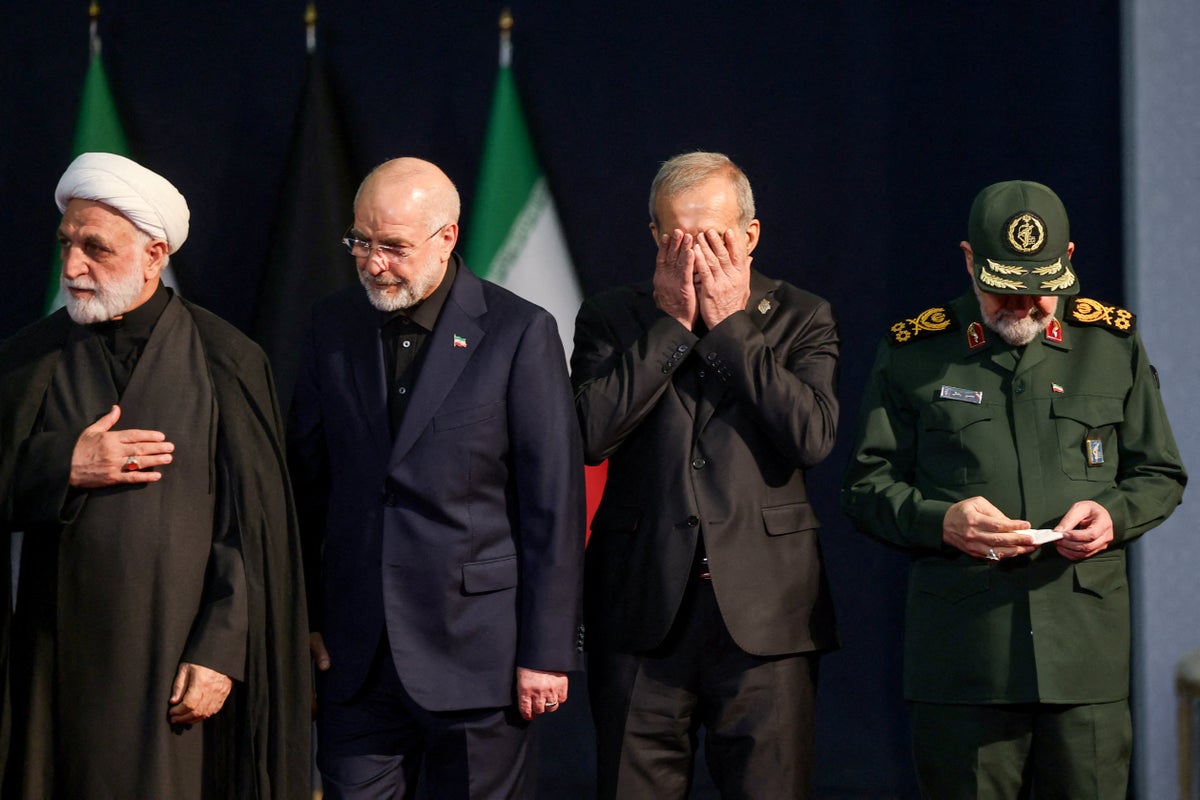
Iran-US war latest: Tehran begins public mourning for Ayatollah Khamenei and claims funeral will draw 20 million Iran has warned the US and Israel that any attacks during the former supreme leaders funeral would be met with a harsh retaliation
independent · about 2 months ago
Body of late Iranian Supreme Leader Khamenei brought to Tehran farewell Thousands of mourners gathered in Tehran late Thursday as the body of Supreme Leader Ali Khamenei was brought to a farewell ceremony, kicking off a week-long series of funeral rites that will move through Qom and Iraq before concluding with his burial in Mashhad on July 9.
yenisafak · about 2 months ago
Türkiyes VP Yilmaz meets Irans Pezeshkian in Tehran Türkiyes Vice President Cevdet Yilmaz met Iranian President Masoud Pezeshkian in Tehran on Friday to attend funeral ceremonies for late Supreme Leader Ali Khamenei, saying Ankara "deeply shares the pain" of the Iranian people and pledging to support regional stability efforts.
yenisafak · about 2 months ago
Foreign leaders arrive in Tehran as Khamenei funeral begins Official delegations from several countries, including Pakistan, Iraq, Armenia, and Tajikistan, have arrived in Tehran for the funeral ceremonies of former Supreme Leader Ali Khamenei, who was killed in a US-Israeli strike in February. The week-long funeral will span multiple cities in Iran and Iraq, culminating in burial in Mashhad.
yenisafak · about 2 months ago
Turkish VP attends state funeral for Irans late Supreme Leader Khamenei Vice President Cevdet Yılmaz attended the state ceremony in Tehran for Irans late Supreme Leader Ali Khamenei, who was killed in a US-Israeli attack in February. Yılmaz was joined by Turkish lawmakers and diplomats at the Imam Khomeini Mosalla Mosque.
yenisafak · about 2 months ago
Khamenei lies in state in Tehran as Iran begins week of funeral ceremonies The body of Ayatollah Ali Khamenei lay in state in a vast hall in Tehran on Friday as clerics, officials, foreign dignitaries and other mourners paid their respects…
japantoday · about 2 months ago
Saudi deputy foreign minister pays respects at Khamenei funeral Saudi Arabias Vice Foreign Minister Walid al-Khuraiji unexpectedly attended the former Supreme Leaders funeral
aljazeera · about 2 months ago

🔴 BREAKINGFuneral of Ali Khamenei and ongoing Gaza conflictMillions are expected to attend the funeral of Iranian Supreme Leader Ali Khamenei in Tehran. Meanwhile, Israeli drone strikes on Gaza continue, resulting in the death of a child and injuries to another person.📰 #Israel #Geopolitics #GeoWire
mastodon bot · about 2 months ago
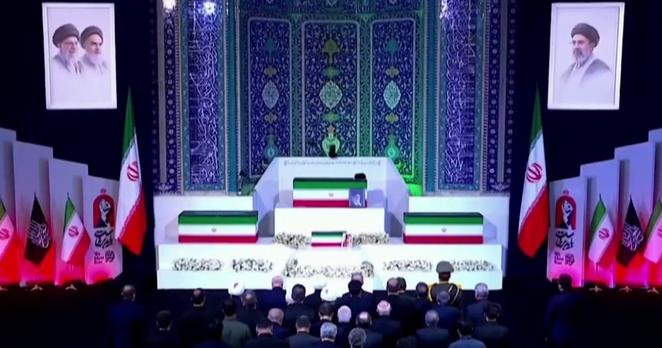
🟠 UPDATEFuneral of Ali Khamenei and ongoing Gaza conflictIran states 15 to 20 million people are expected at the dayslong state funeral. Foreign dignitaries and senior leaders honored Khamenei today, months after he was killed by the United States and Israel.📰 #USA #Israel #Geopolitics #GeoWire
mastodon bot · about 2 months ago
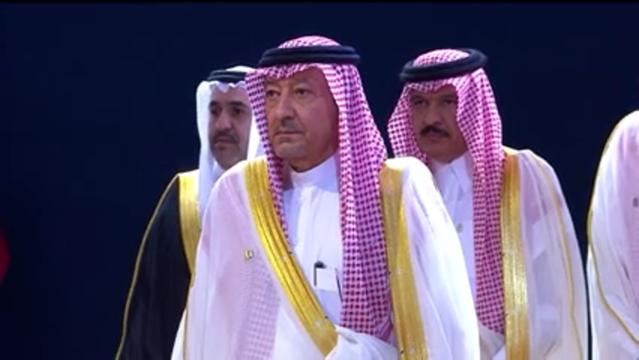
🟠 UPDATEIran prepares for mass funeral of assassinated Supreme Leader KhameneiSaudi Arabias Vice Foreign Minister Walid al-Khuraiji unexpectedly attended the funeral of former Supreme Leader Ali Khamenei.📰 #SaudiArabia #Diplomacy #Geopolitics #GeoWire
mastodon bot · about 2 months ago
Iran begins mourning for Khamenei under tight security Dignitaries from more than 100 nations pay respects to slain supreme leader ahead of official funeral
financial times · about 2 months ago