 Wednesday, June 10Wednesday, June 10
The Bundestag will freeze this year’s planned €500 annual pay rise for its 630 members, the coalition of CDU/CSU and SPD announced on Tuesday, sending a “savings signal” to voters amid strained public finances. A draft law to cancel the July 1 increase is to be tabled this week, the parties said, after weeks of internal debate and cross-party pressure.
The move follows warnings from Finance Minister and SPD Vice-Chancellor Lars Klingbeil that Germany’s social-security system faces a widening funding gap by 2027, and from Health Minister Karl Lauterbach that health-insurance deficits could exceed €10bn unless spending is reined in. “In these economically difficult times, every euro counts,” said CDU budget spokesman Eckhardt Rehberg. SPD parliamentary leader Rolf Mützenich called the freeze “a clear sign of solidarity with citizens who are tightening their belts.”
Opposition parties had already criticised the planned raise as out of touch. The AfD’s Bernd Baumann said the €500 hike would be “a slap in the face for taxpayers,” while the Left’s Amira Mohamed Ali demanded deeper cuts to parliamentary perks. Both parties abstained when the Bundestag’s presidium approved the freeze on Tuesday morning.
The freeze does not affect MPs’ base salary of €10,323 per month, which is indexed to civil-service pay scales. It only suspends the automatic annual adjustment that would have added €498 from July. The Bundestag’s administrative director, Lorenz Müller-Franken, said the chamber would save €313,000 in 2026, a fraction of the federal budget but a symbolic gesture.
Trade unions welcomed the decision but pressed for broader reforms. “Politicians must show the same discipline they demand from citizens,” said DGB chair Yasmin Fahimi. The Confederation of German Employers’ Associations (BDA) called the freeze “a first step,” urging the coalition to tackle rising health-care costs and infrastructure bottlenecks that are blocking €12bn in planned investments.
The freeze comes as the government prepares a July 1 summit with unions and employers to build support for deeper reforms. Jens Spahn, deputy leader of the CDU/CSU parliamentary group, warned that “sitting on the sofa of maximalist positions” would not solve Germany’s growth and competitiveness crisis. The coalition aims to agree a reform package by early July, including measures to stabilise health-insurance finances and accelerate digital infrastructure projects.
„Meine Geduld mit den Sozialdemokraten ist am Ende – Merz erhöht Druck auf SPD Vor dem Koalitionstreffen klagt Kanzler Merz laut „Rheinischer Post über den Regierungspartner: Die SPD blockiere das Infrastrukturzukunftsgesetz seit Monaten. Merz fordert eine Verabschiedung noch vor der Sommerpause und warnt vor „Überfrachtung des Gesetzes.
welt.de · about 10 hours ago
Abwicklung statt Verkauf der Werke? Bei Biontech geht die Existenzangst um Der geplante Verkauf der Biontech-Werke treibt Lokal- und Landespolitik um. Betriebsintern wächst indes die Sorge, dass das Management den Rückbau von Werken favorisiert. Das Negativszenario wird immer wahrscheinlicher.
welt.de · about 10 hours ago
500 Euro mehr im Jahr – Union und SPD wollen diesjährige Diätenerhöhung absagen Die Fraktionen von CDU/CSU und SPD wollen in finanziell und wirtschaftlich schwierigen Zeiten ein Sparsignal an die Bevölkerung senden. AfD und Linken geht der Gesetzentwurf nicht weit genug.
welt.de · about 10 hours ago
„Die Union ist im Korsett der SPD Vor dem Gipfel im Kanzleramt äußert AfD-Politiker Bernd Baumann scharfe Kritik an SPD und Union. Er fordert massive Einsparungen und betont, EU-Gesetze könnten geändert werden. „Deutschland kann die Flüchtlingspolitik neu gestalten.
welt.de · about 10 hours ago

Klingbeil unterstützt DGB-Vorstoß: Können Betriebsrenten das marode Versorgungssystem retten? Finanzminister und Vizekanzler Lars Klingbeil (SPD) zeigt sich offen dafür, Arbeitnehmer durch verpflichtende Betriebsrenten abzusichern. Aber wäre das überhaupt hilfreich? Experten zeigen sich skeptisch.
tagesspiegel · about 10 hours ago
„Wir brauchen jetzt weniger rote Linien: Spahn appelliert vor Treffen an Sozialpartner Die Bundesregierung erwartet vom Treffen mit Vertretern von Wirtschaft und Gewerkschaften ein Reformsignal. Die Spitze der Unionsfraktion warnt, auf dem „Sofa der Maximalposition sitzenzubleiben.
tagesspiegel · about 10 hours ago
Reform: Größere Krankenkassen-Finanzlücke 2027 erwartet Das Sparpaket der schwarz-roten Koalition bei den Gesundheitsausgaben steht schon unter Beschuss - viele versuchen, Einschnitte zu verhindern. Nach neuen Zahlen drohen aber sogar größere Probleme.
handelsblatt · about 10 hours ago
FIDELIS revine din 15 iunie cu dobânzi de până la 7,60 în lei și 6,80 în euro. Facilități speciale pentru donatorii de sânge Ministerul Finanțelor lansează o nouă ediție a programului FIDELIS în perioada 15-22 iunie 2026, cu dobânzi de până la 7,60 pentru titlurile în lei și până la 6,80 pentru cele în euro. Noua ediție vine și cu două tranșe speciale dedicate donatorilor de sânge, în contextul Zilei Internaționale a Donatorului de Sânge, marcată anual pe 14 iunie.
digi24 · about 10 hours ago
Sindicatos contestam denúncia do acordo de empresa na Lusa e pedem arbitragem ao CES As três estruturas representativas dos trabalhadores defendem que a administração podia negociar um novo acordo sem denunciar o actual e acusam-na de criar pressão sobre o processo negocial.
publico · about 10 hours ago
«Territoires zéro chômeur de longue durée» : le ministre du Travail écrit aux sénateurs pour sécuriser la pérennisation du dispositif Alors que la proposition de loi qui veut entériner lexpérimentation en test depuis dix ans doit être examinée ce mardi 9 juin, Jean-Pierre Farandou rappelle à la chambre haute que 4 000 emplois sont en jeu.
liberation · about 10 hours ago
Retour de la chaleur : 30 °C en Bretagne et à Paris, 32 à 35 en Aquitaine… les températures remontent en flèche à partir de vendredi Le mercure va rapidement grimper dans le Sud et lOuest avant datteindre Paris et les régions de lEst, comme lors de lévènement météorologique exceptionnel de la fin mai. Mais il est encore trop tôt pour connaître la durée et lintensité de cet épisode.
liberation · about 10 hours ago
«Donner ne doit jamais coûter» : le Sénat vote pour garantir la gratuité du don dorganes Avance de frais, délais de remboursement, jour de carence… Si le don est gratuit sur le papier, plusieurs freins financiers peuvent dissuader les donneurs, expliquent les sénateurs.
liberation · about 10 hours ago
Warum werfen die Verlage so viele Bücher auf den Markt? [premium] 90 Prozent der Bücher verkaufen sich nur zwischen null und 99 Mal, trotzdem werden es immer mehr. Es geht um eine große Illusion – und um Tapete.
die presse · about 10 hours ago

Der wahre Preis der Lebensmittel: Welche Kosten der Ernährung keiner sehen will Die Ökonomin Sigrid Stagl hat mit zahlreichen Experten das Ernährungssystem untersucht. Wie lassen sich Milliarden Euro sparen, ohne die Lebensmittelversorgung aufs Spiel zu setzen?
der standard · about 10 hours ago

Österreichs Parteien haben zu viel Geld. Wenn alle sparen müssen, dann auch sie An jeder Ecke im System fließen Millionen an die Parteien. Ihre Arbeit ist wichtig – aber das geht auch billiger
der standard · about 10 hours ago

Braucht es eine Überweisungspflicht zum Facharzt? Ein Pro & Kontra Laut Expertenbefund landen Patienten auf der Suche nach Behandlung oft am falschen Ort – und frequentieren mit banalen Beschwerden teure Spezialisten. Was tun?
der standard · about 10 hours ago

Die Stille nach dem Schock: Was vom 10. Juni in Graz geblieben ist Am Jahrestag verzichtet Graz bewusst auf große Gedenkveranstaltungen. Ein Besuch an jenem Ort, an dem die Wunden auch nach zwölf Monaten nicht verheilt sind
der standard · about 10 hours ago
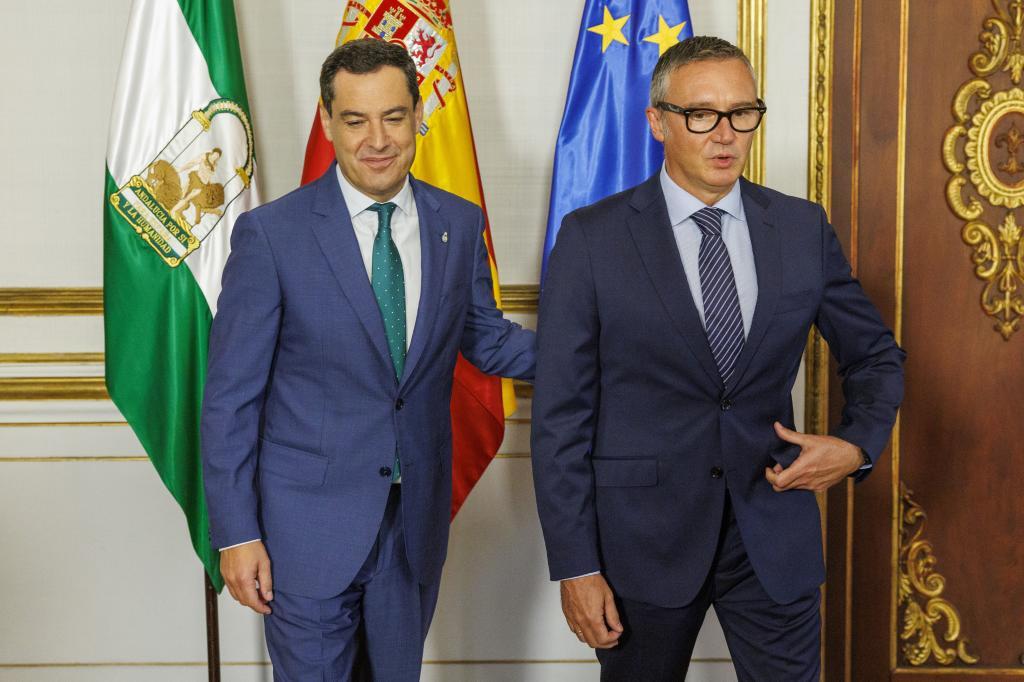
Juanma Moreno se sienta con Vox 22 días después de las elecciones del 17 de mayo para negociar un pacto de investidura El PP informa de que la reunión se ha celebrado en un ambiente "cordial" y las partes se han emplazado a próximos encuentros Leer
elmundo · about 10 hours ago
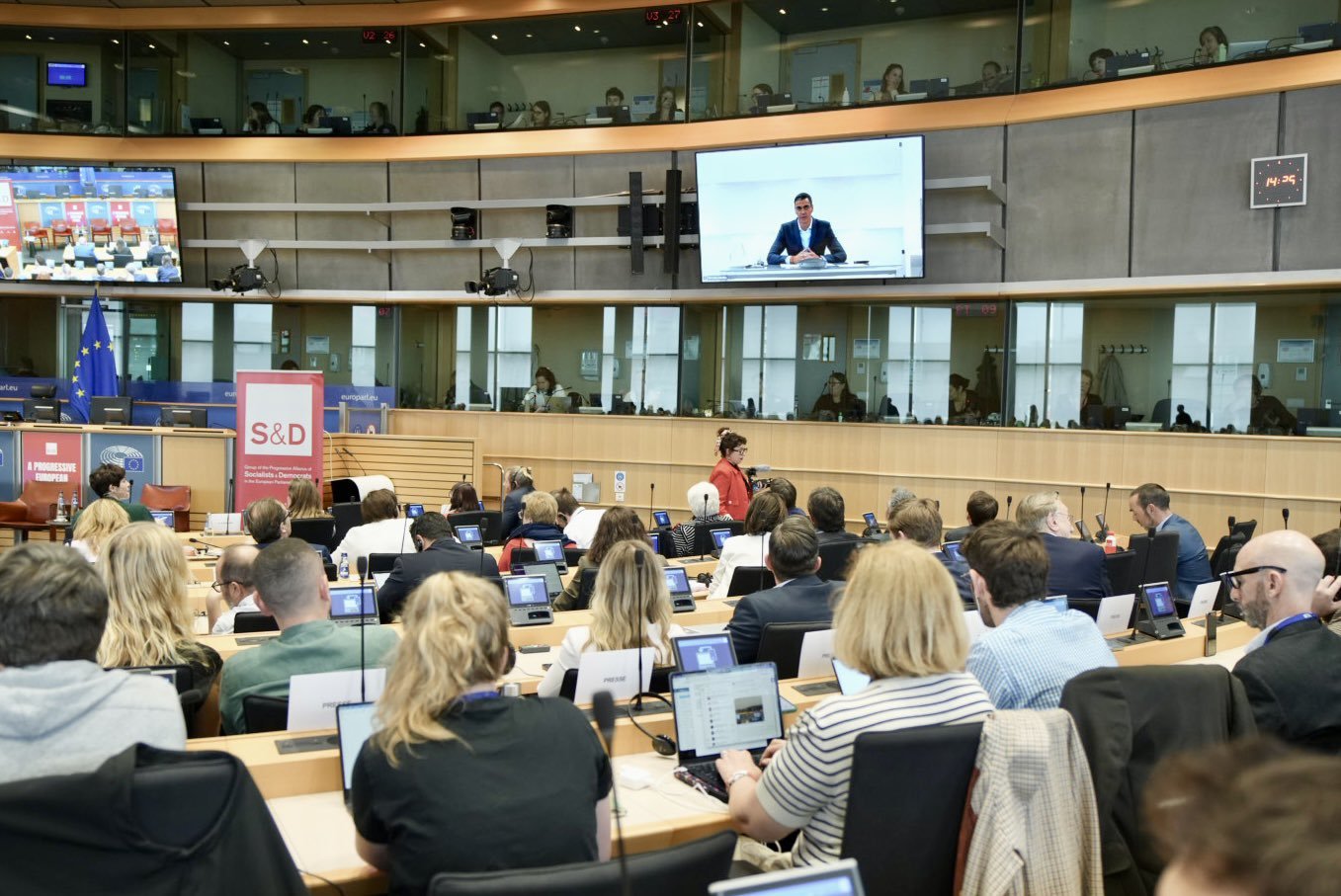
Sánchez se presenta en Bruselas como el garante de la democracia y la "confianza en el futuro" en plena ola de casos de corrupción El presidente del Gobierno ha sido la estrella de la jornada que los socialistas europeo han organizado en el Parlamento y en la que todos estaban esperando su intervención. Y él lo sabía, claro Leer
elmundo · about 10 hours ago
Bundespolitik: Diätenerhöhung im Bundestag soll in diesem Jahr ausfallen Die Koalitionsfraktionen wollen dazu noch in dieser Woche einen Gesetzentwurf einbringen, um in finanziell und wirtschaftlich schwierigen Zeiten ein Sparsignal an die Bevölkerung zu senden.
sueddeutsche · about 10 hours ago
„Auf diesem Sofa ist es zwar bequem, aber einsam – Spahn warnt SPD vor Kanzleramts-Gipfel Vor dem Spitzentreffen mit Gewerkschaften und Arbeitgebern erhöhen CDU und CSU den Druck: Jens Spahn fordert weniger Blockaden und mehr gemeinsame Verantwortung. Die Bundesregierung hofft auf ein Signal für breite Reformbereitschaft.
welt.de · about 10 hours ago
„Beweisen, dass Demokratie die beste Staatsform ist: Koalitionsgipfel läutet Reform-Endspiel ein Die Spitzen von Union und SPD kommen an diesem Mittwochabend mit den Sozialpartnern zusammen. Die Erwartungen an das Treffen sind niedrig, die an den Prozess umso höher.
tagesspiegel · about 10 hours ago
Entscheidungen über Reformen: SPD-Fraktionschef verkündet Spitzentreffen der Koalition am 1. Juli Erst soll am Mittwoch ein Treffen der Koalition mit Gewerkschaften und Arbeitgebern eine Basis schaffen. Dann wollen Union und SPD in drei Wochen ein Reformpaket vereinbaren.
tagesspiegel · about 10 hours ago
Sparsignal an die Bevölkerung: Diätenerhöhung im Bundestag soll in diesem Jahr ausfallen Die Bundesregierung will noch in dieser Woche einen Gesetzentwurf einbringen. Den Abgeordneten hätte eine Erhöhung der Diäten um fast 500 Euro zugestanden.
tagesspiegel · about 10 hours ago
Abgeordnetenbezüge: Diätenerhöhung im Bundestag soll in diesem Jahr ausfallen Um fast 500 Euro sollten sich zum 1. Juli die Bezüge der 630 Abgeordneten im Bundestag erhöhen. Nun steht fest: Die Diätenerhöhung wird in diesem Jahr gestrichen. Alle Fraktionen sind jetzt dafür.
handelsblatt · about 10 hours ago