 Sunday, June 7Sunday, June 7
The Pentagon has raised its counterintelligence threat assessment for Israel to the highest possible level, citing credible reports that Israeli espionage operations have intensified against senior U.S. officials. Multiple American and international outlets, including NBC News and *Le Monde* , confirm that the Defense Intelligence Agency (DIA) now classifies Israel as a "critical" espionage threat—its most severe category.
According to the reports, Israeli operatives have allegedly sought to intercept sensitive communications during U.S.-Iran negotiations, including internal deliberations within the Trump administration on Middle East policy. The escalation follows months of heightened tensions between Washington and Jerusalem, particularly over Israel’s military actions in Gaza and its perceived interference in American diplomatic processes. A senior Pentagon official, speaking on condition of anonymity, told NBC News that the move reflects "a pattern of aggressive Israeli intelligence activities targeting U.S. decision-makers."
The decision marks a dramatic shift from previous assessments, which had not classified Israel as a top-tier espionage threat. The DIA’s conclusion, first reported on June 6, 2026, comes amid broader concerns about allied espionage activities, though Israel’s inclusion at this level underscores the severity of the perceived risk. The Pentagon’s move also aligns with a broader U.S. counterintelligence review, as outlined in classified briefings obtained by *De Morgen* .
Israeli officials have not publicly responded to the allegations, but the development risks further straining an already fraught relationship. The Trump administration, which has publicly criticized Israel’s conduct in Gaza, has privately expressed frustration over perceived Israeli attempts to influence U.S. policy. Meanwhile, European intelligence services, including Germany’s BND, are reportedly reviewing their own protocols in light of the Pentagon’s assessment .
Analysts suggest the move could lead to stricter vetting of Israeli officials in sensitive U.S. government circles and a potential reassessment of intelligence-sharing agreements. The Pentagon’s decision also raises questions about the long-term implications for U.S.-Israel relations, particularly as both countries navigate divergent approaches to regional security. For now, the Biden administration—now in its final months—faces a delicate balancing act: addressing the espionage threat while avoiding a public rupture that could embolden adversaries like Iran.

VS bezorgd om toegenomen spionage door Israël, dreigingsniveau opgeschroefd Het Amerikaanse ministerie van Defensie ziet een toenemende spionagedreiging vanuit Israël. Het heeft daarom het dreigingsniveau hiervoor opgeschroefd naar het hoogste niveau, schrijven meerdere Amerikaanse media. Israël zou onderhandelingen van de Verenigde Staten met Iran hebben geprobeerd af te luisteren.
nu.nl · about 2 hours ago

Le Pentagone relève le niveau de menace de contre-espionnage israélien, dans un contexte de tensions entre Donald Trump et Benyamin Nétanyahou Cette décision fait suite à des inquiétudes selon lesquelles lEtat hébreu aurait tenté despionner de hauts responsables américains, afin dobtenir des informations sur « la prise de décision de ladministration Trump concernant les conflits au Moyen-Orient », selon la chaîne NBC News.
le monde · about 2 hours ago
Pentagon raises Israel spy threat to critical level: Report The Pentagon has raised its counterintelligence threat assessment for Israel to the highest possible level, citing concerns that Israeli espionage is increasingly targeting senior US officials to gain insight into the Trump administrations internal deliberations on Middle East conflicts, according to an NBC News report.
yenisafak · about 2 hours ago
USA sehen große Bedrohung durch israelische Spionage
orf.at · about 3 hours ago
Pentagonul a ridicat la „nivel critic amenințarea din partea spionajului israelian Pentagonul a ridicat nivelul de amenințare în materie de contraspionaj privind Israelul la cel mai înalt nivel, afirmă mai multe publicații americane și France Presse. Agenția de informații militare a Ministerului Apărării, Defense Intelligence Agency (DIA), a concluzionat că „capacitatea Israelului de a desfășura operațiuni de spionaj uman și de colectare tehnică se află la …
hotnews.ro · about 3 hours ago

Juif, espion, moine bouddhiste ou encore collaborateur des nazis, Ignaz Trebitsch-Lincoln a vécu mille vies : "On ne sait jamais qui tu es" Juif, protestant, moine et espion, Ignaz Trebitsch-Lincoln a tout vécu. Dans le cadre de son dossier Il était une fois, La Libre vous plonge dans lhistoire de lhomme aux mille vies, qui aura eu au moins 17 noms, 5 religions et 8 métiers différents. ...
la libre · about 3 hours ago

Live - Amerikaanse defensieministerie verhoogt spionagedreiging naar zwaarste niveau na rapporten over Israëlische dreiging
de morgen · about 3 hours ago

Trump slaat zich op de borst om de economie, toch komen veel Amerikanen niet rond. Hoe zit dat?
trouw · about 3 hours ago
„Es wird nicht so weit kommen, dass BNDler wie James Bond durch die Gegend laufen und rumballern WELT-Investigativ-Reporter Wolfgang Büscher erklärt die geplante Ausweitung der BND-Befugnisse. Der Auslandsgeheimdienst soll künftig stärker nach dem Vorbild anderer europäischer Dienste agieren können. Kritiker warnen vor mehr Überwachung.
welt.de · about 3 hours ago
Internationale Raumstation: Was wir aus dem Zwischenfall auf der ISS lernen können Teamwork und im Zweifel lieber Vorsicht: Ein Alarm auf der ISS zeigt, was im All zählt – und wo die Schwachstellen des internationalen Projekts liegen.
handelsblatt · about 3 hours ago
Naturschutzgebiet in Albanien: Neue Proteste gegen Bauprojekt von Trump-Schwiegersohn In einem Naturschutzgebiet in Albanien haben Hunderte gegen die Errichtung eines Luxus-Resorts demonstriert. Dieses steht mit Jared Kushner in Verbindung. mehr...
taz.de · about 3 hours ago
Big Brother-ul de la Beijing vrea să identifice viitorii disidenți: folosește IA pentru a prezice cine se opune regimului Într-o mișcare care transformă în realitate viziunile hollywoodiene din filmul „Minority Report, o firmă chineză folosește inteligența artificială pentru a prezice cine se va opune Beijingului în viitor, scrie The Times care citează documente scurse pe internet ce conțin informații despre cum compania conectează IA și sistemele de control al internetului pentru a prezice cine ar putea deveni disident.
digi24 · about 3 hours ago
Trump la 80 de ani: un președinte cu o energie remarcabilă vs. un lider îmbătrânit și o întrebare pe care America nu o mai poate evita La Casa Albă există un sistem de gestionare a unui președinte care doarme foarte puțin. Personalul lucrează în ture, astfel încât să poată trage un pui de somn, chiar dacă el nu o face. Șefa de cabinet a lui Donald Trump, Susie Wiles, începe devreme și rămâne până seara devreme sau la miezul nopții. Apoi, îi preia locul adjunctul ei, Dan Scavino, un adevărat veteran al lui Trump – s-au cunoscut când Scavino, în vârstă de 16 ani, a fost ales să-i fie asistent pe terenul de golf (caddie) – pentru a face tura de noapte, scrie The Times.
digi24 · about 3 hours ago
Internationale Organisationen: Die USA wollen die OECD auf Linie bringen Die Trump-Regierung blockiert in der OECD und der Internationalen Energieagentur ökologische und soziale Themen. Als Druckmittel stoppen sie dafür einfach ihre Beitragszahlungen.
sueddeutsche · about 3 hours ago
The coming rise of anti-AI populism Anxiety about the technology is set to generate a political backlash
financial times · about 3 hours ago

Chez Celio, des cadres terrorisés brisent lomerta Contrôle excessif, journées à rallonge, management brutal, propos discriminants… De nombreux témoignages rassemblés par «Mediapart» dénoncent le comportement de David Hermelin, numéro trois de lentreprise de prêt-à-porter. La direction a été alertée, en vain.
mediapart · about 4 hours ago

Es gibt Probleme, die es einfach nicht geben darf Zeigen die Krawalle von Paris, was uns in Deutschland droht? Welche Strömung des Islam sich in Europa durchsetzt, die friedliche oder die unfriedliche, hängt auch von der Wirtschaftslage ab.
welt.de · about 4 hours ago
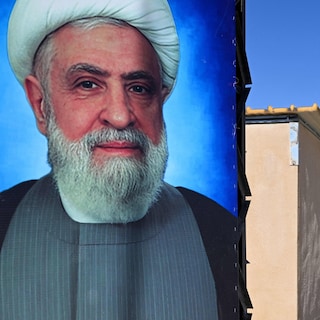
Amerikaanse defensieministerie verhoogt spionagedreiging naar zwaarste niveau na rapporten over Israëlische dreiging
de volkskrant · about 4 hours ago
Le Pentagone relève au plus haut la menace de contre-espionnage israélien Plusieurs médias américains ont rapporté samedi 6 juin que le ministère de la Défense surveille des manœuvres dIsraël pour obtenir des informations sur les délibérations américaines concernant la guerre au Moyen-Orient.
liberation · about 4 hours ago