Loading…
 Saturday, September 26Saturday, September 26
3 months · 3 summary articles
Europes deadly heatwave kills over one thousand in Spain as storms batter Romania and Greece
Europes record heatwave kills more than 1,300 as scorching temperatures shift east
Europes brutal heatwave kills more than 1,300 across continent as records fall from Germany to Denmark
Europe’s most severe heatwave on record has claimed more than 1,300 lives since 21 June, the World Health Organization said on Monday, as the scorching temperatures shift eastward from Germany and France to Ukraine, Romania, and the Balkans. Temperatures reached 40°C in Budapest, 38°C in Belgrade, and 37°C in Bucharest, with red alerts issued in Poland, Hungary, and Romania.
The crisis has exposed Europe’s uneven preparedness. France, still reeling from the 2003 heatwave that killed 15,000, has reported around 1,000 excess deaths, overwhelming hospitals and funeral homes. In Romania, three people have died, and energy operators imposed temporary restrictions as the war-damaged power grid struggles with surging demand. Ukraine’s national grid operator warned of possible blackouts as temperatures approached 38°C, adding pressure to a system already crippled by Russian strikes.
Germany, which recorded a national high of 41.3°C on 27 June, has seen 26 drowning deaths over the weekend as swimmers succumbed to heat-induced recklessness. Police in Berlin deployed water cannons to cool Bruno Mars fans queuing outside Olympiastadion, where temperatures soared despite the spectacle.
The heatwave, now in its ninth consecutive day, has shattered records across Western and Central Europe. Switzerland’s meteorological stations logged 13 days above 30°C, while Lithuania set a new June record at 36.3°C. The World Weather Attribution group confirmed that fossil fuel-driven climate change made this June’s heatwave significantly more likely.
Political responses have varied. The EU declined to take sides in the debate over air conditioning, while Germany’s federal government deferred to states and municipalities for heat protection measures. Critics argue that Europe’s infrastructure remains ill-prepared for sustained high temperatures, with schools, hospitals, and transport networks buckling under the strain.
As the heat moves east, meteorologists warn that new temperature records could fall in the Balkans and Ukraine before relief arrives later in the week. The crisis has underscored the urgent need for coordinated climate adaptation across the continent.
Follow us for live European news

Watch: Lightning hits Eiffel Tower during violent storm in Paris Lightning struck the Eiffel Tower as a powerful thunderstorm swept across Paris on Saturday night, sending visitors scrambling for shelter. The dramatic weather followed days of record-breaking heat in France, where authorities say the extreme temperatures contributed to a sharp rise in deaths.
euronews · 3 months ago
Proba de la BAC amânată din cauza codului roșu de caniculă a fost pusă tot într-o zi cu cod roșu. Cum explică Ministerul Educațției A doua probă scrisă a examenului de Bacalaureat 2026, proba obligatorie a profilului – Matematică sau Istorie – programată inițial marți, va avea loc miercuri, 1 iulie, fiind amânată din cauza caniculei. Avertizarea cod roșu de caniculă este în vigoare și miercuri, până la ora 10.00. Accesul elevilor în săli este permis până la ora …
hotnews.ro · 3 months ago

Un trafic perturbé en Belgique et en Europe pour ce premier week-end de vacances dété La circulation sera perturbée en ce début de vacances dété dans plusieurs régions dEurope, a prévenu lundi lorganisation de mobilité Touring dans un communiqué. Les principaux axes de transit vers le sud sont concernés. ...
la libre · 3 months ago
26 Menschen sterben bei Badeunfällen am Wochenende – Wetterdienst veröffentlicht Juni-Bilanz Der diesjährige Juni ist der zweitwärmste in den Aufzeichnungen des Deutschen Wetterdienstes – nur 2019 war es heißer. Nach Angaben der DLRG sind am Wochenende mindestens 26 Menschen beim Baden ums Leben gekommen. Mehr im Liveticker.
welt.de · 3 months ago
Juni-Bilanz: Berlin gehörte im Juni zu heißesten Bundesländern Rekordhitze, kaum Regen und reichlich Sonne: Berlin erlebte im Juni extreme Wetterlagen und sticht dabei auch im Ländervergleich hervor. Der Deutsche Wetterdienst zieht Bilanz.
tagesspiegel · 3 months ago
Heiße Sommertage: Hitze: Hunderte zusätzliche Feuerwehr-Einsätze - 4 Badetote Die Feuerwehr und auch die Polizei waren durch die Hitzewelle der letzten Tage in Berlin stark gefordert. Das zeigen die Zahlen der Notfalleinsätze. In den Kliniken wurde vor allem Ältere behandelt.
tagesspiegel · 3 months ago
Over 1,300 excess deaths recorded in Europe heat wave: WHO chief World Health Organization Director-General Tedros Adhanom Ghebreyesus said over 1,300 excess deaths have been recorded across Europe since June 21 as extreme temperatures grip the continent, warning that climate change is driving once-rare heat waves to become annual occurrences and stressing that European infrastructure remains ill-prepared for sustained high temperatures.
yenisafak · 3 months ago
EN DIRECT - Canicule : la Fête du cinéma boostée par les fortes chaleurs Avec une fréquentation en hausse de 45 par rapport à lan dernier, le premier jour de lévènement dimanche a connu un engouement, lié en partie à la climatisation des salles. Les températures ce lundi sont moins élevées que la semaine dernière mais restent jusquà 3 °C au-dessus des normales.
liberation · 3 months ago
Wärmste Nacht seit Aufzeichnungsbeginn Nach dem am Sonntag registrierten neuen Juni-Höchstwert bleibt es in Ostösterreich auch am Montag extrem heiß. Erneut sind den Prognosen zufolge Temperaturen von bis zu 40 Grad möglich – beispiellos warm war es auch in der Nacht. An der Messstation Jubiläumswarte in Wien-Ottakring wurden 27,3 Grad gemessen.
orf.at · 3 months ago
Several Swiss records broken for heatwave duration New heatwave records were set on Monday at several Swiss weather stations. By midday, Bern/Zollikofen, Payerne, Buchs/Aarau and Pully had recorded 13 days with temperatures above 30°C. Zurich/Fluntern, Schaffhausen, Delémont, Fribourg and Altdorf have already equalled their record for the duration of a heatwave. These stations could break that record if temperatures rise above 30°C again on Monday. St Gallen has also broken its record for the duration of a heatwave, rising from three to five consecutive days above 30°C. The duration of a heatwave is measured by the number of consecutive days on which the maximum temperature exceeds this threshold. This weekend, temperature records were also broken, with 39°C recorded in Basel/Binningen and Beznau – an all-time high for the month of June in Switzerland. However, a significant drop in temperatures was expected on Monday. Translated from French, sub-edited by ts
swissinfo · 3 months ago

Heatwave grips Eastern Europe after Germany weather breaks records The deadly heatwave thats set temperature records across western Europe for more than a week has shifted east to scorch Hungary, Romania and the Balkans. Hungarys Budapest is expected to top 40 degrees Celsius (104F) on Tuesday, according to models from the European Centre for Medium-Range Weather Forecasts. Belgrade in Serbia and Bucharest in Romania will reach 38 degrees and 37 degrees, respectively, on Monday. Red warnings for extreme heat have been issued in Poland, Hungary, Romania,...
south china morning post · 3 months ago

Canicule en Belgique : Un week-end de fou, le service des urgences saturé et le retour au calme En attendant les chiffres officiels de surmortalité liée à la vague de chaleur, on peut dresser un premier bilan sur base des données des hôpitaux, des médecins, des services de secours et des pompes funèbres. ...
la libre · 3 months ago
Climatolog ANM: „Vom mai trece prin astfel de valuri de căldură. De ce se confruntă România cu temperaturi de peste 40 de grade Temperaturi de peste 40 de grade, nopți tropicale și un val de căldură care a cuprins mare parte din Europa. Climatologul ANM Roxana Bojariu spune că astfel de episoade, considerate cândva excepționale, vor deveni tot mai frecvente din cauza schimbărilor climatice. „Europa se încălzește cu o rată de două ori mai mare decât media globală, avertizează specialistul.
digi24 · 3 months ago
Temperaturi sufocante în aproape toată țara: ANM extinde codul roșu de caniculă - HARTĂ. În ce zone își vor face apariția furtunile Aproape toată ţara, inclusiv Bucureştiul, intră de luni dimineaţă sub avertizare cod roşu de caniculă. Şase judeţe, inclusiv zona de litoral, se vor afla sub avertizare cod portocaliu. În intervalul 29 iunie, ora 10 - 1 iulie, ora 10, sunt prognozate valuri de căldură intensă, caniculă, nopţi tropicale, disconfort termic accentuat, în Dobrogea şi jumătatea estică a Munteniei. În unele regiuni din centrul, nordul și nord-vestul țării își vor face apariția furtunile.
digi24 · 3 months ago
Recomandările șefului DSU Raed Arafat pe perioada codului roșu. Ce trebuie să evite oamenii care se expun la caniculă Șeful DSU, Raed Arafat, a îndemnat ca în perioada de caniculă și mai ales în zonele unde se înregistrează cod roșu în România, populația, în special persoanele în vârstă, cele bolnave sau cu probleme cardiace, să evite expunerea la razele soarelui între orele 11:00 - 18:00. El a enumerat o serie de recomandări pentru a preveni situațiile de urgență sau problemele de sănătate în rândul oamenilor.
digi24 · 3 months ago
Temperaturi sufocante în saloanele de pediatrie de la Marius Nasta. Tatăl unui copil: „Să vină ministrul Sănătății să stea în cuptor În saloanele de pediatrie de la Institutul Marius Nasta din București, aparatele de aer condiționat nu fac față temperaturilor ridicate și situația nu pare să aibă rezolvare prea curând.
digi24 · 3 months ago
Proba la matematică și istorie de la Bacalaureat 2026, amânată din cauza caniculei. Ministerul Educației schimbă calendarul examenului Ministerul Educației și Cercetării a modificat calendarul primei sesiuni a examenului național de Bacalaureat 2026, amânând cu o zi proba scrisă obligatorie a profilului: matematică și istorie. Examenul, programat inițial pentru marți, 30 iunie, va fi susținut miercuri, 1 iulie.
digi24 · 3 months ago
Europa, lovită de cel mai grav val de caniculă înregistrat vreodată: temperaturi record și sute de decese. Crește riscul de incendii Balcanii au resimţit, luni, impactul valului de temperaturi record care a provocat deja sute de decese în plus faţă de o perioadă obişnuită şi a perturbat viaţa de zi cu zi pe întreg continentul timp de mai bine de o săptămână, iar acum sporesc îngrijorările legate de răspândirea incendiilor forestiere, relatează Reuters.
digi24 · 3 months ago
Subiectele la limba română de la Bacalaureat 2026 au fost publicate de Ministerul Educației Înainte ca Ministerul Educației să publice oficial subiectele, în mediul online au apărut informații neconfirmate despre conținutul lucrării, inclusiv cu privire la cerința de la Subiectul al II-lea și la tema eseului de la Subiectul al III-lea.
digi24 · 3 months ago
Baremul la limba română a fost publicat de Ministerul Educației. Cum se rezolvau subiectele de la Bacalaureat 2026 Ministerul Educației a publicat subiectele și baremul oficial de evaluare și notare pentru proba scrisă la limba și literatura română din cadrul examenului de Bacalaureat 2026.
digi24 · 3 months ago
Risc energetic în România din cauza temperaturilor de foc. Comandament la Ministerul Energiei: ce decizii au fost luate Ministerul Energiei a convocat luni un comandament de urgență, pe fondul valului extrem de căldură care a adus cod roșu de caniculă în aproape toată țara. Autoritățile au discutat detalii legate de funcționarea Sistemului Energetic Național și măsurile necesare pentru menținerea siguranței în alimentarea cu energie, în contextul consumului ridicat și al temerilor privind eventuale probleme în rețeaua electrică.
digi24 · 3 months ago
Cod roșu de furtună în Târgoviște, străzi inundate de ploaia torențială. Zonele în care sunt așteptate vijelii și grindină A fost cod roșu de furtuni în Dâmbovița. În Târgoviște, ploaia torențială a blocat străzile. Astfel de fenomene sunt izolate astăzi, în zona de deal și de munte, dar în zilele următoare sunt așteptate ploi, vijelii și grindină în mai multe zone ale țării, a spus la Digi24 meteorologul Robert Manta.
digi24 · 3 months ago
Extremhitze: Nach der Hitzewelle ist vor der Hitzewelle Deutschland diskutiert über stärkeren Hitzeschutz. Wie gut ist das Land auf künftige Hitzeperioden vorbereitet? Und: Deutsche Nationalmannschaft vor erstem K.-o.-Spiel
die zeit · 3 months ago
Bacalaureat 2026. Cât de grele au fost, de fapt, subiectele la Română? Verdictul profesorilor după proba de azi „Elevii nu aleg niciodată poezia, dar subiectele sunt abordabile, a explicat profesoara Ruxandra Achim pentru „Adevărul. La proba de Limba Română de la BAC 2026, profilul Real a primit Bacovia, iar cel Uman, Arghezi.
adevarul · 3 months ago
Bacalaureat 2026. Rezolvarea subiectelor la Limba Română, realizată de o profesoară: „Nu văd de ce le-ar fi putut pune o problemă Profesoara Ruxandra Achim, de la Colegiul Național „I.L. Caragiale din București, a analizat pentru „Adevărul nivelul de dificultate al subiectelor probei la Limba Română, din cadrul examenului de Bacalaureat 2026.
adevarul · 3 months ago
România sub cupola de foc. Trei oameni au murit. Urmează trei zile de cod roșu de caniculă cu restricții pe calea ferată și șosele Trei persoane au murit din cauza caniculei în România. Temperaturile resimțite la ora prânzului au trecut de 40 de grade în București. Dispeceratul Energetic Național a adoptat măsuri de urgență pentru menținerea funcționãrii în condiții de siguranțã și continuitate a Sistemului Electroenergetic.
adevarul · 3 months ago
Celulă de criză cerută de Ministerul Energiei, pe fondul codului roșu de temperaturi extreme. Decizii de ultimă oră luate de Transelectrica Transelectrica SA a decis anularea unor retrageri programate din exploatare ale unor instalaţii, astfel încât infrastructura de transport să fie disponibilă la capacitate maximă şi să fie redus orice risc suplimentar asociat condiţiilor meteorologice extreme.
adevarul · 3 months ago
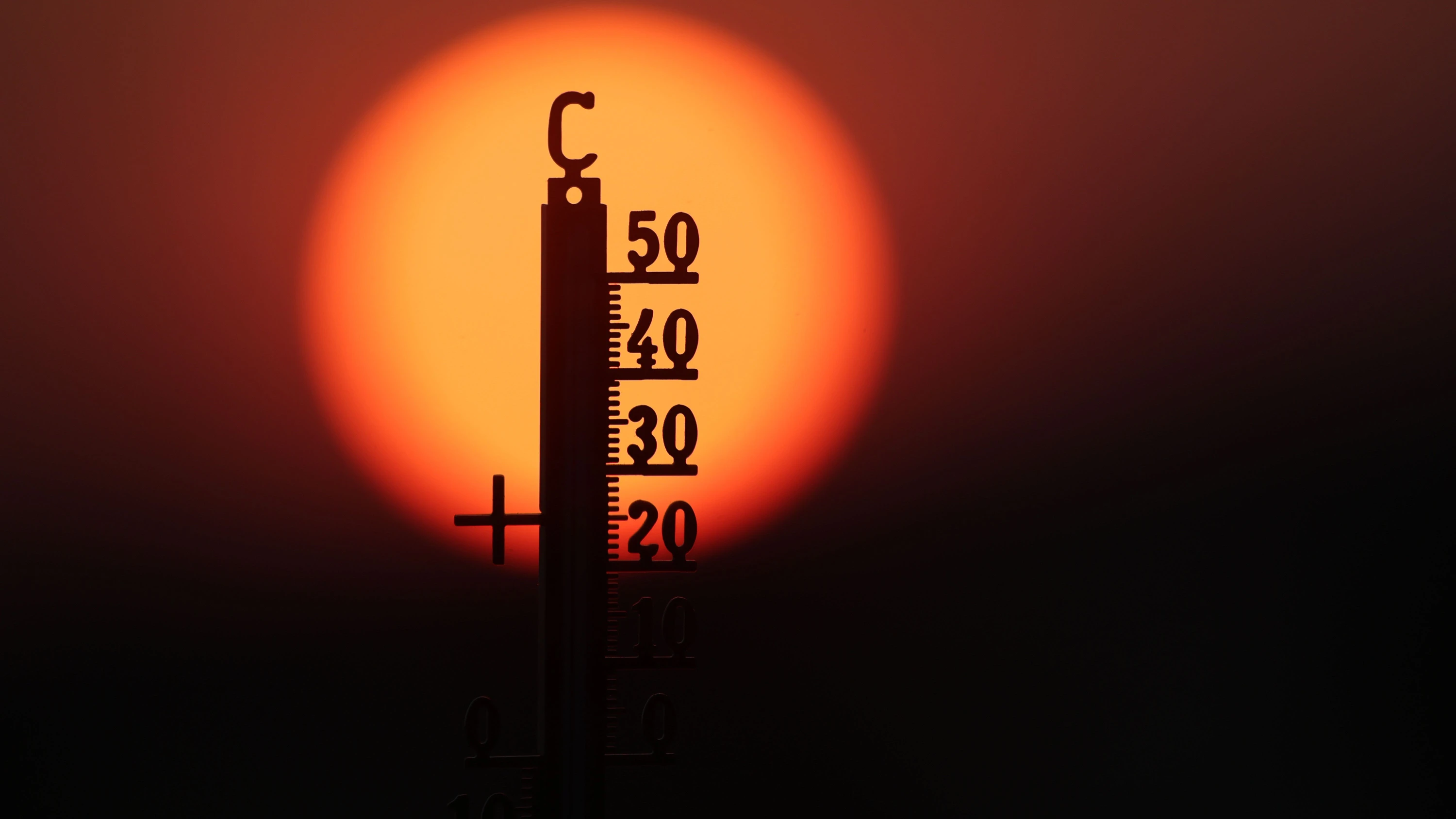
Zweitheißester Juni: Der DWD spricht von „historischer Hitzewelle Mehr als 40-mal wurde die 40-Grad-Marke in Deutschland am Wochenende gerissen. Der Deutsche Wetterdienst spricht von einer historischen Hitzewelle. Und nun zieht das Extremwetter nach Osten.
faz · 3 months ago

Lehren aus der Hitze?: Die Natur ist außer Rand und Band Wenn die Sonne sticht wie in den vergangenen Tagensticht, liegen die Nerven blank. Was Albert Camus und Thomas Mann über die dunkle Seite des Sommers wussten – und was uns jetzt bevorsteht.
faz · 3 months ago

Nach der Hitzewelle: Die gefährliche Illusion der Klimaanlage „Klimaanlage ist das Wort der Stunde. Die jüngste Hitzewelle macht klar, dass wir uns anpassen müssen – doch das birgt eine Gefahr: Wenn wir uns die Hitze einfach wegkühlen, verdrängen wir, was eigentlich nötig wäre.
faz · 3 months ago