
Hungarian PM arrives in Brussels to unlock 10bn EU funds amid rule-of-law talks
Hungarian Prime Minister Péter Magyar arrives in Brussels on Friday for a high-stakes meeting with European Commission President Ursula von der Leyen, aiming to reset relations and unlock €10 billion in frozen EU recovery funds before an August deadline. The talks mark Budapest’s latest effort to ease tensions with Brussels after years of rule-of-law disputes under former leader Viktor Orbán, officials said.
Magyar’s government frames the meeting as a symbolic "reset" of Hungary’s EU ties, though concrete concessions remain unclear. The €10 billion in blocked funds—part of Hungary’s post-pandemic recovery package—has been withheld since 2022 over concerns about judicial independence and corruption. Von der Leyen’s office confirmed the meeting on Tuesday, following days of silence from Brussels .
The visit comes as Hungary softens its stance on Ukraine, with Magyar signaling openness to a meeting with President Volodymyr Zelenskiy—though only under strict conditions. Budapest demands discussions on the rights of Hungary’s ethnic minority in western Ukraine, a long-standing point of contention, and insists on a "balanced" approach to the war, according to government statements . Magyar’s predecessor, Orbán, had blocked EU military aid to Kyiv and opposed sanctions on Russia.
In a separate move, Hungary’s parliament this week reversed a 2023 law that had withdrawn Budapest from the International Criminal Court (ICC), aligning with an EU-wide position. The decision forces Hungary to comply with the ICC’s arrest warrant for Israeli Prime Minister Benjamin Netanyahu, a shift Magyar framed as a commitment to "peace and human rights" .
The Brussels talks will test whether Magyar’s government can deliver tangible reforms to satisfy EU demands. While the meeting is billed as a fresh start, diplomats caution that Hungary’s past promises—including anti-corruption measures—have often gone unfulfilled. The August deadline for unlocking funds adds urgency, with Budapest facing potential financial penalties if no agreement is reached.
Articles

Premierul ungar Péter Magyar deschide ușa dialogului cu Volodimir Zelenski, dar pune condiții Péter Magyar, premierul Ungariei, a transmis că este dispus să se întâlnească cu președintele ucrainean Volodimir Zelenski, însă doar în anumite condiții. Noul șef al guvernului de la Budapesta a reiterat și poziția sa privind războiul din Ucraina.
adevarul · about 22 hours ago
Premierul ungar încearcă resetarea relației cu Bruxelles: miza uriașă a întâlnirii cu Ursula von der Leyen. Ce va solicita Peter Magyar Prim-ministrul ungar Peter Magyar se va deplasa la Bruxelles pentru o serie de întâlniri care includ un acord de resetare a relațiilor cu președinta Comisiei Europene, Ursula von der Leyen, în contextul în care Budapesta încearcă să deblocheze 10 miliarde de euro din fondurile de redresare, înainte de termenul limită din luna august. Magyar se va întâlni vineri cu von der Leyen, în încercarea de a încheia un acord cu caracter preponderent simbolic, menit să reseteze relația Ungariei cu UE, arată Euronews.
digi24 · about 23 hours ago
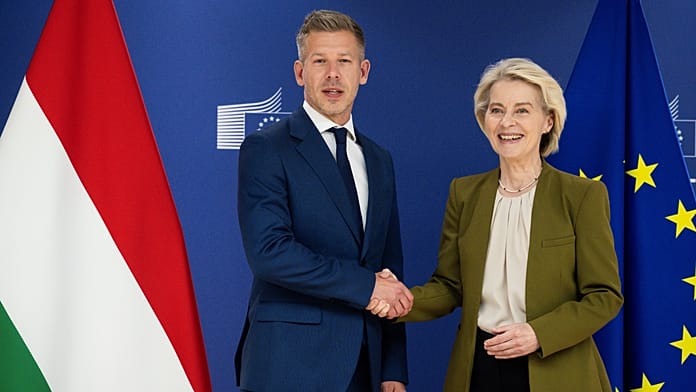
Hungarys Magyar heads to Brussels to reset EU ties and unlock frozen funds Hungarian Prime Minister Péter Magyar will travel to Brussels for meetings that include a reset agreement with European Commission President Ursula von der Leyen, as Budapest seeks to unlock €10 billion in blocked recovery funds ahead of an August deadline.
euronews · about 24 hours ago
Bruxelles-ul are, în sfârșit, un calendar pentru aderarea Republicii Moldova și Ucrainei la Uniunea Europeană Comisia Europeană va propune deschiderea primului „grup de capitole de negociere privind aderarea Ucrainei și a Republicii Moldova la UE pe 16 iunie, a declarat un înalt oficial pentru Euractiv.
digi24 · about 24 hours ago
Marea Britanie nu va beneficia de un tratament special din partea UE, afirmă miniștrii europeni Marea Britanie nu va beneficia de un tratament special în cadrul viitoarelor sale relații economice cu UE, au afirmat miniștrii europeni, ceea ce reprezintă o nouă lovitură pentru speranțele lui Keir Starmer de a negocia accesul la piața unică pentru mărfuri, scrie The Guardian.
digi24 · 1 day ago
EU confirms commitment to open dialogue with Taliban to ensure humanitarian aid Brussels – When it comes to humanitarian diplomacy, I think it is important to maintain an open channel of communication with all parties. This was clarified by the European Commissioner for Crisis Preparedness and Management, Hadja Lahbib, regarding the European Commissions invitation to Taliban officials to hold talks on the repatriation of Afghan migrants to […]
eunews.it · 1 day ago
Von der Leyen to meet Hungarian PM Magyar on Friday Confirmation follows days of silence from Brussels after Hungarys foreign minister announced the meeting last week.
politico.eu · 1 day ago
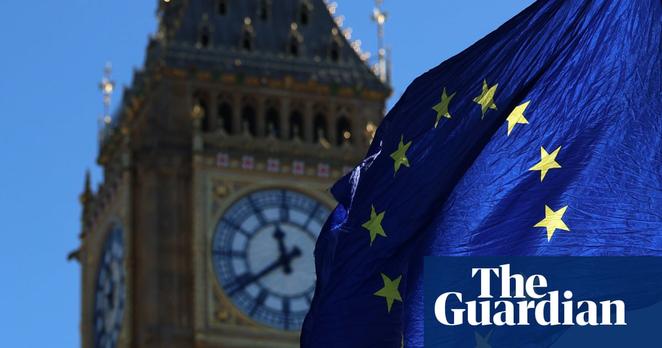
I know I keep saying this but...The EU (both members & Commission) may think the UK re-joining could be a good idea, but they will not accept cherry-picking of areas for a reset, will not accord the UK special treatment & so (implicitly) suggest if the UK doesnt want to apply to rejoin (and go through the accession process, then it can always join one of the associate schemes).Special pleading is getting (and will get) the UK nowhere!#EU #politics
mastodon bot · 1 day ago
Condițiile puse de Ungaria pentru o întâlnire între Magyar și Zelenski Guvernul maghiar a prezentat condițiile în care prim-ministrul Péter Magyar s-ar întâlni cu președintele ucrainean Volodimir Zelenski, inclusiv pentru a discuta situația minorității maghiare din Ucraina.
digi24 · 1 day ago
A blow to Netanyahu: Hungary remains a member of the International Criminal Court The Hungarian Parliament has passed a law repealing the measures introduced by the previous government. Prime Minister Magyar is delighted: "It is essential to ensure respect for peace and human rights." Budapest must now comply with the arrest warrant issued against the Israeli Prime Minister
eunews.it · 1 day ago
UK will get no special treatment from EU, European ministers say There will be no cherrypicking of policies, EU says, after Starmer says he hopes to negotiate single market for goodsEurope live – latest updatesThe UK will get no special treatment in its future economic relationship with the EU, European ministers have said, in a further blow to Keir Starmers hopes of negotiating a single market for goods.The EUs ministers for Europe, who met on Tuesday, said they wanted deeper cooperation with the UK, but this had to be in line with fundamental principles, including no cherrypicking of EU policies, according to three diplomatic sources, who spoke about the private discussions. Continue reading...
theguardian · 1 day ago
Premierul bulgar Rumen Radev pune presiune pe UE: „Strategia privind Ucraina trebuie regândită. Ce spune despre negocierile cu Rusia Prim-ministrul bulgar Rumen Radev consideră că Europa este în întârziere în eforturile sale de a începe negocieri cu Rusia şi trebuie să facă o reevaluare foarte rapidă a strategiei sale şi a abordării conflictului cu Ucraina. Urmărirea unei strategii de „pace prin putere şi încercările de a obţine o „victorie convenţională asupra celei mai mari puteri nucleare prezintă un risc de escaladare periculoasă a războiului din Ucraina, a declarat Radev jurnaliştilor la Paris miercuri, înainte de a se întâlni cu preşedintele francez Emmanuel Macron, anunță BTA, citată de Agerpres.
digi24 · 1 day ago