 Thursday, May 21Thursday, May 21
Walmart has reported that its customers in the U.S. are rationing petrol due to rising fuel costs linked to the ongoing Iran conflict. The retail giant absorbed higher fuel expenses to prevent price increases for consumers, but this has contributed to slower profit growth and a decline in its share value . Walmart’s financial performance has been directly impacted by the war, as it prioritized maintaining stable prices despite increased operational costs .
The Iran conflict has disrupted global oil markets, with the International Energy Agency (IEA) warning that oil supplies will enter a "red zone" by July or August due to surging demand, low reserves, and reduced exports from the Middle East. The closure of the Strait of Hormuz—a critical chokepoint for oil shipments—has exacerbated the shortage, with the IEA’s executive director, Fatih Birol, stating that reopening the strait is the most urgent solution to the energy crisis . Even if the war ended immediately, oil flows through the strait are not expected to return to normal until next year, prolonging the global economic strain .
The conflict has also triggered broader economic disruptions, including a potential global food crisis. A third of the world’s fertilizers are produced in the Gulf region, and the blockade of Hormuz has restricted exports, raising concerns about crop failures and food shortages. The EU has responded with financial aid for farmers to mitigate the impact . Additionally, the crisis has strained humanitarian efforts, such as aid deliveries to Sudan, where rising energy and food prices have worsened hunger .
Economic analysts warn that the Iran war’s impact will unfold in four waves, extending beyond energy price hikes to affect multiple sectors for years. The disruption of oil and fertilizer supplies is expected to have long-term consequences for global supply chains and inflation . Some experts have questioned why ships do not simply pay Iran for transit through Hormuz, as the economic costs of the blockade may outweigh the tolls imposed by Tehran . Meanwhile, surging energy demand in regions like India has led to record power consumption, further straining global energy resources .

Walmart says customers are rationing petrol as Iran war hits wallets US retail giants shares plunge after saying it absorbed higher fuel expenses to hold down prices for consumers
financial times · about 5 hours ago

Oil markets nearing red zone as Iran crisis continues, warns IEA chief Surging demand, low reserves and reduced Middle East exports predicted to cause global crunch by AugustOil markets will enter the red zone by July and August as stocks dwindle before the summer travel season amid a shortage of fresh oil exports from the Middle East, the executive director of the International Energy Authority warned on Thursday.Fatih Birol added that the most important solution to the Iran war energy shock was a full and unconditional reopening of the strait of Hormuz. Continue reading...
theguardian · about 5 hours ago
Walmart warns of petrol rationing as Iran war hits customers wallets US retail giants shares plunge after saying it absorbed higher fuel expenses to hold down prices for consumers
financial times · about 7 hours ago
Hungersnot: Wie der Irankrieg die Helfer im Sudan ausbremst Die Blockade von Hormus stört den Seeverkehr und treibt die Preise für Energie und Nahrungsmittel hoch. Das bekommen jetzt auch die Hungernden in Darfur zu spüren. Ihnen zu helfen, wird immer schwerer.
sueddeutsche · about 8 hours ago
Maths behind Hormuz toll: Is paying Iran for transit cheaper than blockade? Economics of Hormuz closure are skewed towards Iran, so why wont the vessels just pay Tehran and sail away?
aljazeera · about 9 hours ago

Scorching heat drives Indias power demand to a record 270 GW amid outages
news.yahoo.com · about 10 hours ago
Iran-Krieg: Jetzt droht eine globale Lebensmittelkrise Ein Drittel der weltweiten Düngemittel wird in der Golfregion produziert. Wegen der Blockade von Hormus warnen Experten nun vor Ernteausfällen und Hunger. Die EU reagiert mit Finanzhilfen für ihre Bauern.
sueddeutsche · about 11 hours ago
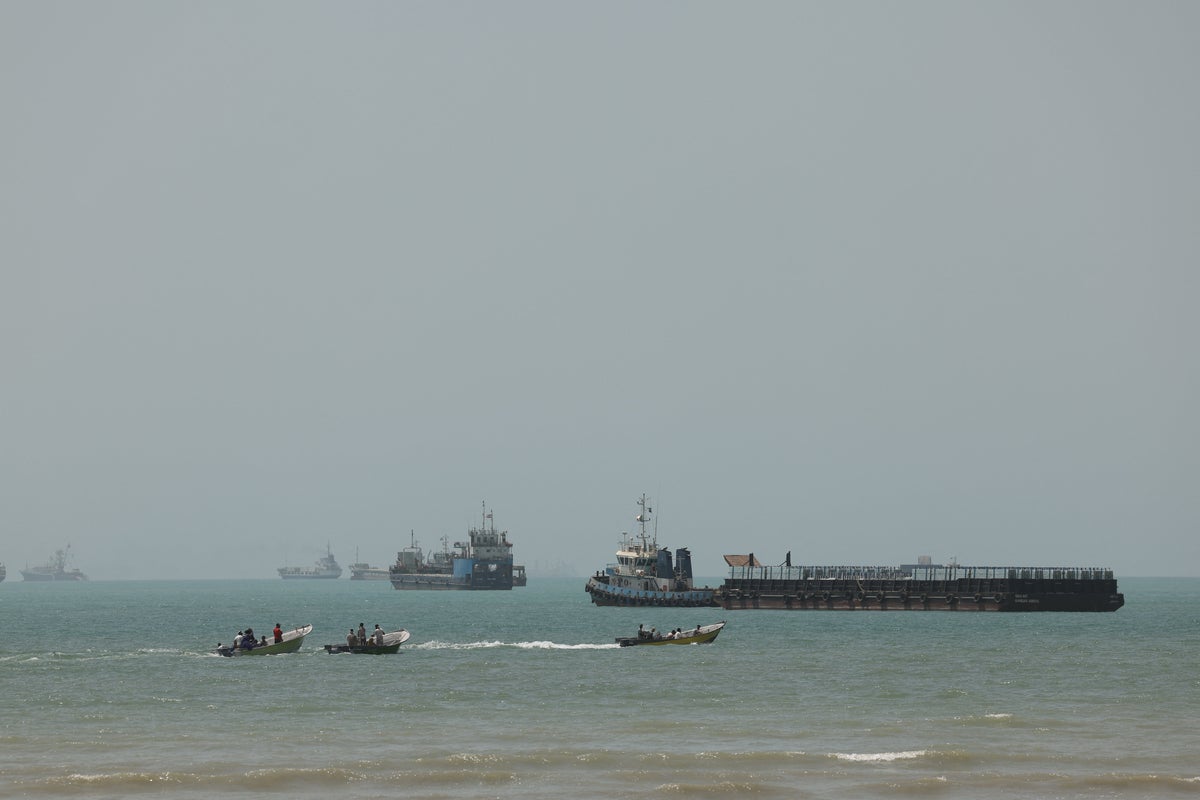
Oil flows through Strait of Hormuz wont return to normal until next year even if war ended tomorrow, warns energy boss Disruption to exports through the waterway has sparked fears of a global economic crisis
independent · about 11 hours ago
The economic shock of the Iran war will hit the world in four waves The impact of the conflict will not stop at energy price hikes. It will spread to various sectors and last years.
aljazeera · about 11 hours ago
Walmart profit growth slows as Iran war pushes up fuel costs US retail giant said it absorbed additional costs to hold down prices for consumers
financial times · about 11 hours ago
Is gas making a comeback on the US power grid? Surging energy demand causes grid operators to prioritise fossil fuels
financial times · about 11 hours ago