
Romanian government site cloned in data theft scam as cyber attacks disrupt property services

Romanian authorities warned on Wednesday about a cloned version of the government's Ghișeul.ro platform used to steal personal and banking data. The National Cyber Security Directorate (DNSC) said fraudsters created a near-identical copy of the site to trick users into entering sensitive information.
"Orice site poate fi clonat. Sunt copiate toate elementele și introduse în site-ul clonat," said DNSC spokesperson Mihai Rotariu. Users are advised to manually enter the official URL and verify secure connections, though DNSC warns that secure connections alone don't guarantee authenticity.
Meanwhile, a data breach at European booking system Secureholiday exposed personal information of 41,577 Dutch campers. The breach, discovered on February 28, affected bookings at 500 campgrounds across Europe. Stolen data included names, email addresses, travel destinations, and payment amounts. Cybercriminals used this information to send phishing emails in May and June, demanding credit card payment confirmations.
In a separate incident, a cyber attack has disrupted services at Romania's National Agency for Cadastre and Real Estate Advertising (ANCPI). The agency's systems, including the e-Terra application for cadastre and land book services, have been down since July 14. ANCPI estimates services won't be restored until the end of this week, affecting property registrations and transactions.
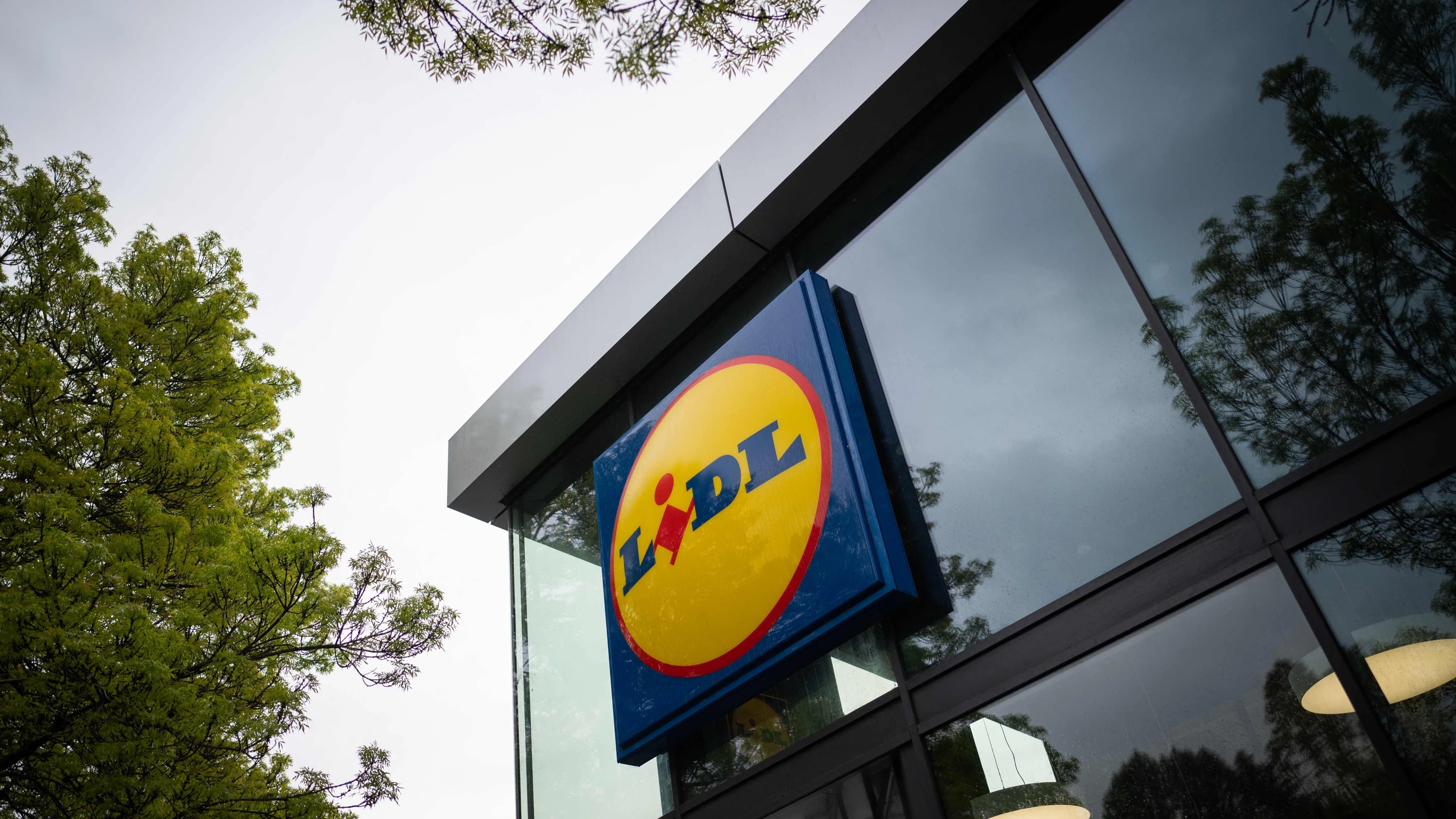
The incidents are part of a broader wave of cyber threats. In Germany, hackers stole customer data from Lidl's online shop, including phone numbers and email addresses. In New York, Governor Kathy Hochul imposed a one-year moratorium on new large-scale data centers due to energy consumption concerns.
DNSC recommends verifying website URLs and avoiding links from unknown sources. ANCPI assured that stored data was not compromised. Secureholiday's parent company Ctoutvert patched the vulnerability but many users received warnings only after falling for phishing attempts.
The Fraudehelpdesk, a Dutch fraud reporting organization, has received nearly 1,100 reports this year of similar phishing attempts. "You can basically make everything look very realistic with the techniques that exist now," said Eunice Bom from the Fraudehelpdesk. "It is so almost impossible to distinguish from the real thing."
In Romania, around 270 individuals in Brașov and other counties reported they cannot complete property purchases before a July 31 tax deadline due to the ANCPI outage. The agency said all systems, including email and the e-Terra application, are affected.
The Secureholiday breach affected bookings in 18 countries, including the Netherlands, Germany, Belgium, France, Spain, the United Kingdom, and Denmark. The system handles bookings for 4,300 campgrounds and processes about 1.2 million reservations annually.
Ctoutvert said it patched the security vulnerability the same day it was discovered and notified affected campgrounds. However, many warnings reached campers only after they had already started questioning the suspicious emails.
In Germany, Lidl confirmed that hackers gained access to customer data from its online shop. The company has not specified how many customers are affected or how the breach occurred.
The New York moratorium applies to data centers consuming at least 50 megawatts of electricity, equivalent to the consumption of 50,000 households. Governor Hochul's decision challenges the Trump administration's push for accelerated AI deployment.
In Romania, DNSC continues to investigate the Ghișeul.ro cloning incident and the ANCPI cyber attack. Authorities advise users to be vigilant and report any suspicious activity.
The ANCPI attack has caused significant disruption, with users unable to access cadastre services, land book records, or process property documentation. The agency has assured that stored data remains secure.
In the Netherlands, campers have taken to social media to warn each other about the phishing scams. The Fraudehelpdesk advises people to verify any payment requests directly with the campground before taking action.
The Secureholiday breach highlights the growing threat of phishing scams following data breaches. Cybercriminals use stolen personal details to create convincing fake emails, making it difficult for users to distinguish between legitimate and fraudulent messages.
In Romania, the DNSC has issued guidelines for users to protect themselves from cyber fraud. These include verifying website URLs, checking for secure connections, and avoiding links from unknown sources.
The ANCPI cyber attack is the most severe technical disruption in the agency's history, according to officials. The outage has raised concerns among real estate buyers who risk missing the July 31 deadline for reduced tax rates.
In New York, the moratorium on data centers reflects growing concerns about energy consumption and environmental impact. The decision has drawn criticism from tech companies but has been welcomed by environmental groups.
The incidents serve as a reminder of the ongoing threat of cyber fraud and the importance of vigilance when sharing personal information online. Authorities continue to investigate and urge users to report any suspicious activity.
Follow us for live European news
- 3
- 2
- 2
- 1
- 1
- 1
- 1
- 1
- 1
- 1
2 further sources not geolocated
Articles

Personal data of 41,577 Dutch campers stolen in major European booking site hack Thousands of Dutch vacationers became victims of a data breach at Secureholiday, a French online camping reservation system widely used across Europe.
nltimes.nl · 3 months ago

Illegálisan működtethet 59 gázturbinát Elon Musk adatközpontja, súlyosan károsíthatja a környéken élők egészségét Az xAI Colossus 2 nevű adatközpontja hordozható gázturbinákat használ a működéséhez, csakhogy ezekre nem kapott engedélyt.
hvg.hu · 3 months ago

LÉtat de New York décrète un moratoire sur les centres de données Alors que les factures délectricité des New-Yorkais nen finissent pas daugmenter, la gouverneure démocrate Kathy Hochul a décidé de bloquer pendant un an la construction de grands centres de données. Une mesure dont pourraient sinspirer dautres États, dont les réseaux électriques sont mis à rude épreuve, souligne la presse américaine.
courrier international · 3 months ago

Gegen Datenklau und Energiehunger: Australien plant strenges KI-Gesetz Tech-Konzerne werden bei Infrastrukturkosten in die Pflicht genommen. Künstler sollen künftig vor unbezahltem KI-Training geschützt werden
der standard · 3 months ago
Atac cibernetic la ANCPI. Sistemele de cadastru și carte funciară rămân nefuncționale până la sfârșitul săptămânii Agenția Națională de Cadastru și Publicitate Imobiliară (ANCPI) a anunțat că a fost ținta unui atac cibernetic, incident care a provocat cea mai amplă întrerupere tehnică din istoria instituției. Instituția dă asigurări că datele administrate nu au fost compromise.
adevarul · 3 months ago
Alertă: Ghișeul.ro, clonat de infractorii cibernetici. Cum diferențiem platforma oficială de replicile frauduloase Directoratul Național de Securitate Cibernetică (DNSC) avertizează că infractorii cibernetici au creat o clonă a platformei Ghișeul.ro pentru a fura datele bancare și informațiile personale ale utilizatorilor. Specialiștii explică la ce trebuie să fie atenți românii pentru a nu cădea în capcană.
adevarul · 3 months ago
Cyberangriff in Japan könnte Sushi-Engpass auslösen
orf.at · 3 months ago
Telefonnummern und E-Mail: Unbekannte klauen Daten von Kunden des Lidl-Onlineshops Hacker haben sich Zugang zu Kundendaten des Lidl-Onlineshops verschafft. Was bisher über den Vorfall bekannt ist – und welche Daten betroffen sind.
faz · 3 months ago

EXCLUSIVE: Files relating to Indias largest nuclear power plant Kudankulam exposed in data breach reut.rs/4x40isP
bluesky_Reuters · 3 months ago
Non sto facendo una cosa da pazzo, è vero: James Franco mostra un alieno che si è intrufolato nella sua proprietà con un video su TikTok. Il Web si divide Video criptici e frasi a effetto tipo mi hanno hackerato laccount, non vogliono che io mostri quello che ho visto poi James Franco ha svelato le sue carte il 13 luglio, pubblicando su TikTok il filmato che, a suo dire, proverebbe lesistenza di un alieno intrufolato nella sua proprietà. Risultato? Milioni di follower increduli, meme […] Larticolo Non sto facendo una cosa da pazzo, è vero: James Franco mostra un alieno che si è intrufolato nella sua proprietà con un video su TikTok. Il Web si divide proviene da Il Fatto Quotidiano.
il fatto quotidiano · 3 months ago
Inspectorii ANPC au găsit gândaci și mizerie în gențile unor livratori de mâncare. Șeful instituției: „Fenomenul este extrem de extins Autoritatea Națională pentru Protecția Consumatorilor (ANPC) a blocat activitatea unor livratori de mâncare, după ce inspectorii au descoperit gândaci și condiții improprii de igienă în gențile termoizolante folosite pentru transportul comenzilor. Șeful ANPC, Békési Csaba-Lajos, a declarat, miercuri, la Digi24, că verificările vor continua în București și vor fi extinse la nivel național, iar în cazurile grave activitatea firmelor poate fi suspendată.
digi24 · 3 months ago
Säkerhetsrådgivaren glömde anteckningar Säkerhetsrådgivaren Niclas Kvarnström förlorade ett anteckningsblock vid Natomötet i Turkiet. Han uppger själv att det inte innehåller säkerhetsskyddsklassificerade uppgifter, men säkerhetsexperten Jörgen Holmlund menar att anteckningarna ändå kan vara känsliga.
svenska dagbladet · 3 months ago

Family says theyre forced to sell home to help power data centers
news.yahoo.com · 3 months ago
Autobauer Tesla: Sechs gemeldete Umweltvorfälle bei Tesla 2025 - keine Gefahr Mehrere Betriebsstörungen hat das Land Brandenburg im vergangenen Jahr bei Tesla in Grünheide registriert. Welchen Stellenwert hatten sie und gab es Folgen für das Wasser?
tagesspiegel · 3 months ago
Пользователи пожаловались на перебои в работе Т-Банка Российские пользователи пожаловались 15 июля, что у них перестал работать Т-Банк. Сервис Downdetector зафиксировал 1,7 тысячи таких жалоб за час.
meduza · 3 months ago
Scam-Fabriken in Südostasien: Pekings Kampf gegen die Drahtzieher Mit drohenden Todesurteilen geht China gegen die Clans der Betrugsfabriken vor. Doch der Kampf gegen das Netzwerk ist auch Teil eines Machtkampfs. mehr...
taz.de · 3 months ago
Elon Musk kauft Energieunternehmen: KI-Kampf in den USA Multimilliardär Elon Musk kauft still und heimlich ein Energieunternehmen. Derweil verbietet ein erster Bundesstaat den Bau von neuen Rechenzentren. mehr...
taz.de · 3 months ago
DNSC: Patru din zece incidente cibernetice, raportate în primul semestru, reprezintă fraude prin telefon Mai mult de patru din zece incidente (42), raportate în prima jumătate a anului 2026, sunt înşelătorii telefonice (vishing), arată o statistică a Directoratului Naţional de Securitate Cibernetică (DNSC), prezentată recent în cadrul unui eveniment de specialitate.
digi24 · 3 months ago
Blocajul de la ANCPI îi îngrijorează pe românii care cumpără locuințe. Tot mai mulți cer prelungirea termenului pentru TVA de 9 Atacul cibernetic care a blocat sistemele informatice ale Agenției Naționale de Cadastru și Publicitate Imobiliară (ANCPI) îi îngrijorează pe românii aflați în procesul de cumpărare a unei locuințe. Cu mai puțin de două săptămâni înainte de majorarea TVA pentru locuințele noi, tot mai mulți cumpărători spun că riscă să nu își poată finaliza tranzacțiile la timp și cer autorităților prelungirea termenului pentru aplicarea cotei reduse de TVA de 9.
digi24 · 3 months ago
Val de atacuri cibernetice asupra unor instituții din România. DNSC: „Trebuie să pornim mereu de la premisa că putem fi o victimă Avertisment de la experții în securitate cibernetică. Dacă primiți un mesaj care pare de la Ministerul Transporturilor cum că aveți de plătit o amendă, nu dați click: siteul ghișeul.ro a fost clonat. O situație extrem de gravă și la Agenția pentru Cadastru. Instituția nu poate elibera acte pentru cetățeni timp de o săptămână. Mihai Rotariu, director de comunicare în cadrul DNSC, a explicat la Digi24 ce trebuie să facem pentru a nu cădea în plasa hackerilor.
digi24 · 3 months ago

The hosepipe ban has led to criticism of Irelands data centres, but how much water do they use? As of June 2025, Ireland was home to 89 data centres, which produce a significant amount of heat.
thejournal · 3 months ago