
Stuttgart 21 delays again: 2031 opening after 1,000 km of faulty cables found
Stuttgart 21’s opening is now officially delayed until 2031 after inspectors found more than 1,000 kilometres of incorrectly installed cables, a defect that will force the replacement of the entire network and add years to a project already notorious for cost overruns and political recriminations.
The revelation, reported by SWR , means the flagship rail hub will not open until a decade after its original 2021 deadline. Baden-Württemberg’s Green-led government, already exasperated by repeated slippage, immediately demanded written timelines for every remaining construction phase. “We need clarity, not excuses,” Ministerpräsident Winfried Kretschmann told reporters in Stuttgart on Monday.
The cable failure is the latest in a cascade of technical and managerial failures that have eroded public trust. A separate investigation by *Die Zeit* shows that the project’s overall budget has swollen by at least €1.2 billion since 2024, while promised regional rail upgrades and social housing linked to the scheme remain unfunded . Transport minister Robert Habeck, speaking in Berlin, accused Deutsche Bahn of “systematic opacity” and warned that further delays could trigger a parliamentary inquiry.
Deutsche Bahn’s board responded by promising a “comprehensive external audit” of all remaining work packages, including the new Stuttgart Hauptbahnhof platforms and the 10-kilometre tunnel to Filderstadt. Yet even optimists now concede that the 2031 date is contingent on no further discoveries. “Every week brings a new surprise,” said Klaus-Dieter Josel, a senior engineer quoted by *Frankfurter Allgemeine* .
The political fallout is spreading beyond Baden-Württemberg. The federal opposition has called for a nationwide moratorium on major infrastructure projects until a new governance model is agreed. Meanwhile, in Berlin, the debate over the capital’s own Hauptbahnhof plaza—currently criticised as “too hot, too grey, too bare”—has reignited questions about whether Germany can deliver complex urban projects on time and on budget .
For commuters and taxpayers, the arithmetic is brutal: every additional year of delay adds roughly €150 million in financing costs alone. With regional elections looming in 2026, Kretschmann’s coalition faces the prospect of campaigning on a promise it cannot keep. “We are not just building a station,” he said. “We are losing credibility.”
Articles

Zu heiß, zu grau, zu kahl? : Debatte um Zukunft des Washingtonplatzes am Berliner Hauptbahnhof geht weiter Viele Menschen wünschen sich eine Umgestaltung des Platzes hinter dem Berliner Hauptbahnhof. Auch der Bezirk plädiert für mehr Aufenthaltsqualität – und der Senat schließt Veränderungen künftig nicht mehr aus.
tagesspiegel · about 10 hours ago
Höcke hält nur Ostdeutsche für richtige Deutsche: Selbst Weidel und Chrupalla distanzieren sich Der Thüringer Landeschef Björn Höcke diffamiert alle Westdeutschen als „deutsch sprechende Amerikaner. Das trifft selbst in der AfD auf massiven Widerstand bis hin zur Parteispitze.
tagesspiegel · about 10 hours ago
Erneute Verzögerung bei „Stuttgart 21: Özdemir will zügig Zahlen sehen Baden-Württembergs Ministerpräsident bezeichnet den Bahnhofsbau als Lachplatte. Die Bahn solle sagen, wann einzelne Etappen und das Projekt fertig werden. mehr...
taz.de · about 10 hours ago
Verendeter Wal in Dänemark: Timmy wird Biodiesel Eine dänische Firma zerlegt den verendeten Buckelwal in Wasser, Fett und den ganzen Rest. Aus dem Fett wird Diesel gewonnen, ein paar Knochen wandern ins Museum. mehr...
taz.de · about 10 hours ago
Wohlstand in Deutschland: »Uns ging es noch nie so gut« Die Bundesrepublik wird viel zu schlechtgeredet, sagt der Ökonom Hartmut Berghoff. Dennoch zeigten sich jetzt die enormen Versäumnisse der Merkel- und Scholz-Jahre.
die zeit · about 10 hours ago
Stuttgart 21: So geht auch noch das letzte bisschen Vertrauen verloren Stuttgart 21 wird nun erst 2031 fertig, auch auf die Sozialreformen wartet das Land bislang vergeblich. Nicht nur die Verzögerung, auch der Umgang damit ist ein Problem.
die zeit · about 10 hours ago
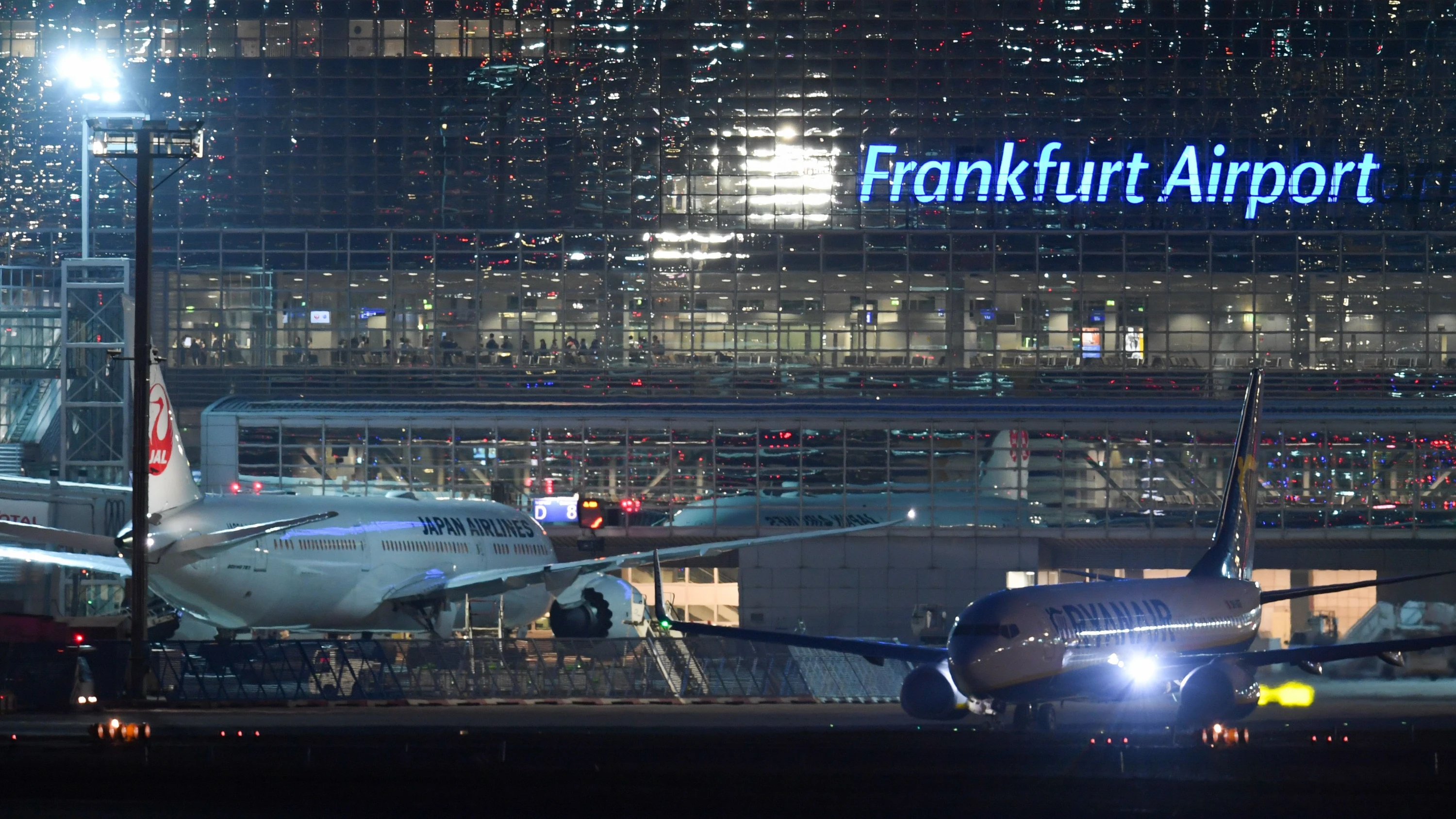
Rhein-Main-Feierabendbriefing: Terminal 2 wird nach Jahrzehnten umfassend saniert Das Terminal 2 am Frankfurter Flughafen bleibt jahrelang geschlossen und im Einzelhandel will keine WM-Stimmung aufkommen. Der F.A.Z.-Podcast Rhein-Main Feierabend-Briefing informiert über die Themen der Region.
faz · about 10 hours ago
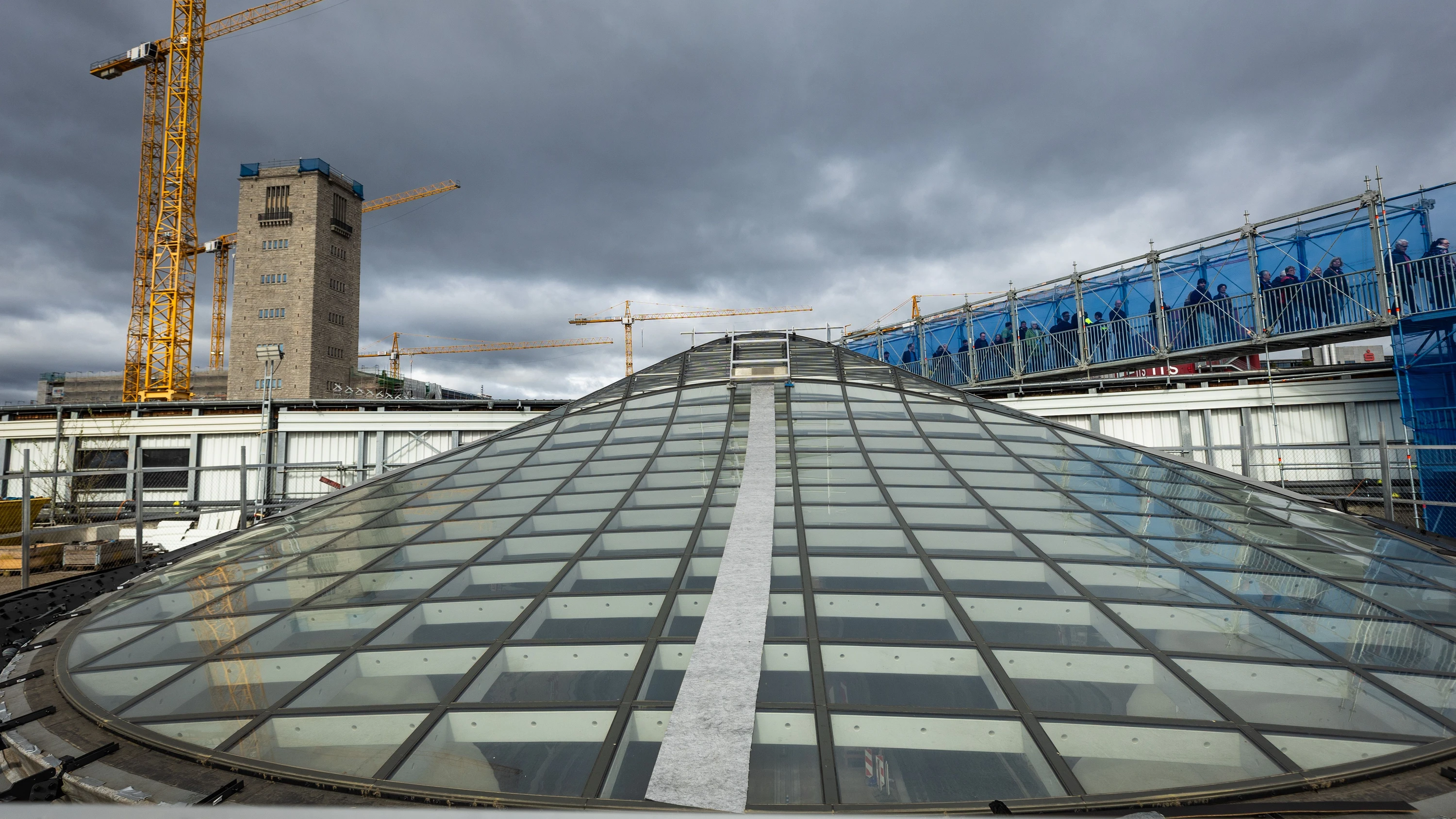
Stuttgart 31: Fiasko in Stein XXL-Verzögerung, irrwitzige Begründungen und Hunderte Millionen Euro extra: Als Bahnkunde und Steuerzahler weiß man nicht, worüber man sich am meisten ärgern soll. Es bleibt jetzt nur eins.
faz · about 10 hours ago
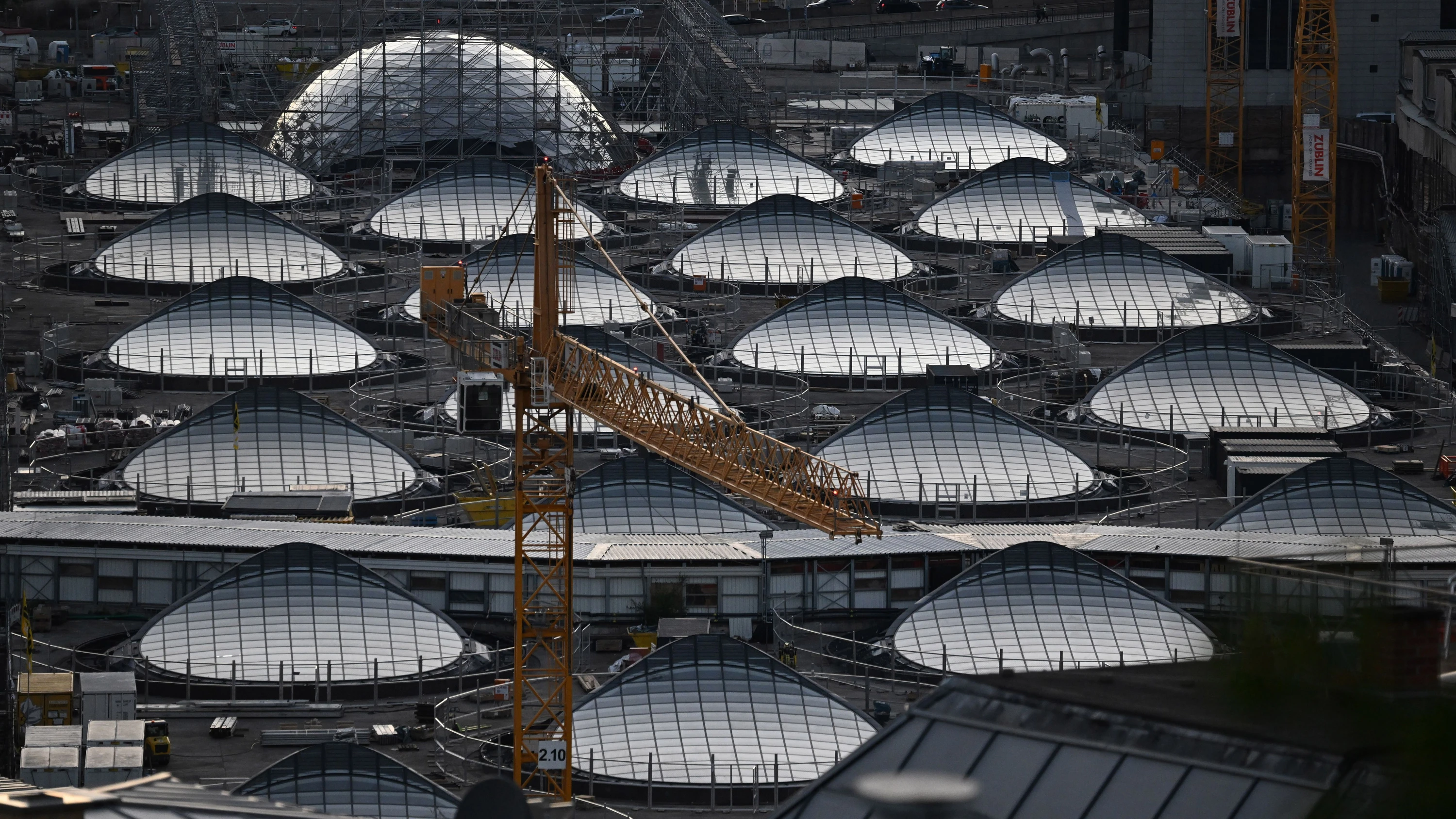
Stuttgart 21: „Desaströse Nachrichten fürs Land und für Bahnkunden Die Politik reagiert empört auf die neuen Probleme am Stuttgarter Bahnhof. Sie erhöht den Druck auf die Deutsche Bahn.
faz · about 10 hours ago
Moscow Plans Metro Line Extensions to Connect Skolkovo Tech Hub, Northeast Suburbs Both the red Sokolnicheskaya and light-blue Filyovskaya lines will be extended by several stations.
themoscowtimes · about 10 hours ago

Cécémel, cest fini : la célèbre marque de boisson belge change officiellement de nom Fondée en 1949, Cécémel est une marque incontournable des supermarchés belges et de la restauration. Aujourdhui, elle change définitivement de nom. ...
la libre · about 10 hours ago
Koning Willem-Alexander helpt spontaan een handje mee in keuken buurtrestaurant Koning Willem-Alexander (59) hielp dinsdagmiddag spontaan een handje mee in de keuken van een maatschappelijk buurtrestaurant in Amsterdam-Oost. Samen met koningin Máxima (55), de Duitse bondspresident Frank-Walter Steinmeier en zijn echtgenote Elke Büdenbender bezocht hij Resto VanHarte als onderdeel van het Duitse staatsbezoek aan Nederland.
rtl nieuws · about 10 hours ago
Verouderd luchtalarm wordt toch vervangen door nieuwe sirenes Het luchtalarm blijft toch bestaan. Er wordt een nieuw sirenenetwerk aangelegd, meldt justitieminister David van Weel. Drie weken geleden maakte het kabinet bekend dat het luchtalarm zou worden afgeschaft, maar dat is dus teruggedraaid.
nu.nl · about 10 hours ago
Schleppender Bahnausbau: Die Ostbeauftragte attackiert den Verkehrsminister Verkehrsminister Schnieder sieht keinen finanziellen Spielraum für neue Bahnanlagen. Die Ostbeauftragte Elisabeth Kaiser widerspricht. Sie fordert den schnellen Ausbau einer Strecke in Thüringen.
tagesspiegel · about 10 hours ago
„Es geht in einer Woche: Riesenrad-Bau am Tegeler See in Berlin? Hier spricht ein Betreiber Was als Wahlkampfidee eines Politikers in Berlin-Tegel begann, könnte Realität werden. Zumindest, wenn es nach dem potenziellen Betreiber geht. Hier erklärt er den Riesenrad-Plan.
tagesspiegel · about 10 hours ago
Eröffnung erst 2031: Bei Stuttgart 21 wurden offenbar mehr als tausend Kilometer Kabel falsch verlegt Der allergrößte Teil der Kabel müsse ausgetauscht werden, berichtet der SWR. Auch deswegen verschiebt sich das Ende des Projekts um weitere Jahre.
tagesspiegel · about 10 hours ago
Knochenbrüche mit KI erkennen : Ausstellungsschiff MS Wissenschaft in Potsdam Das Ausstellungsschiff MS Wissenschaft liegt vom 11. bis 14. Juni in Potsdam. Es gibt mit dem Thema „Medizin der Zukunft interaktive Einblicke in neue Möglichkeiten.
tagesspiegel · about 10 hours ago
Bahnprojekt: Bahn unter Druck - Was Özdemir bei Stuttgart 21 fordert Kostenexplosion, Terminchaos und viele Fragen zur Digitalisierung: Ministerpräsident Özdemir verlangt Antworten zur Zukunft von Stuttgart 21 - und wählt dabei offene Worte.
handelsblatt · about 10 hours ago