 Thursday, May 21Thursday, May 21
US President Donald Trump’s policies and rhetoric continue to reshape NATO’s structure and transatlantic defense dynamics, particularly through troop withdrawals and trade pressures. Trump has expanded his plan to reduce the US military presence in Europe, with reports indicating that 5,000 troops may leave Germany and further withdrawals could extend to Italy. Additionally, Trump is considering canceling a planned deployment of long-range missiles to Germany, escalating tensions within NATO . These moves follow earlier disputes, including Trump’s criticism of Germany’s defense spending and his decision to relocate US troops from Germany in 2026, which was interpreted as a political rebuke to European allies, particularly German Chancellor Friedrich Merz .
Germany has responded to these developments by accelerating its own defense initiatives, including a renewed push to purchase US-made Tomahawk cruise missiles. This effort reflects broader European concerns about security and NATO’s cohesion amid Trump’s demands for greater burden-sharing. German Defense Minister plans a trip to Washington to discuss the missile deal, signaling Berlin’s attempt to navigate strained relations with the US while bolstering its military capabilities . The missile expansion has reignited debates within NATO about European defense autonomy and the bloc’s reliance on US-made military hardware.
Trump’s trade policies have further strained transatlantic relations, particularly with the European Union. He has threatened to impose tariffs on EU goods, citing non-compliance with the Turnberry Agreement, a 2025 trade deal. These tariffs, which could rise to 25%, have already cost European carmakers €8 billion, exacerbating tensions with Germany’s automotive sector . The tariffs are framed as a punishment for Europe’s perceived failure to meet US demands, reinforcing perceptions of Trump’s transactional approach to alliances .
In response to these pressures, Europe is exploring ways to reduce its dependence on US military and economic influence. A proposed €5 trillion loan program aims to fund a "war economy" in Europe, with 25% of each country’s debt allocated to defense spending. This initiative reflects a broader push for European strategic autonomy, though its feasibility remains uncertain . Meanwhile, European leaders continue to resist what they view as Trump’s attempts to undermine the continent’s economic and political stability, as highlighted by economist Paul Krugman’s argument that Europe remains a democratic superpower despite US criticism .
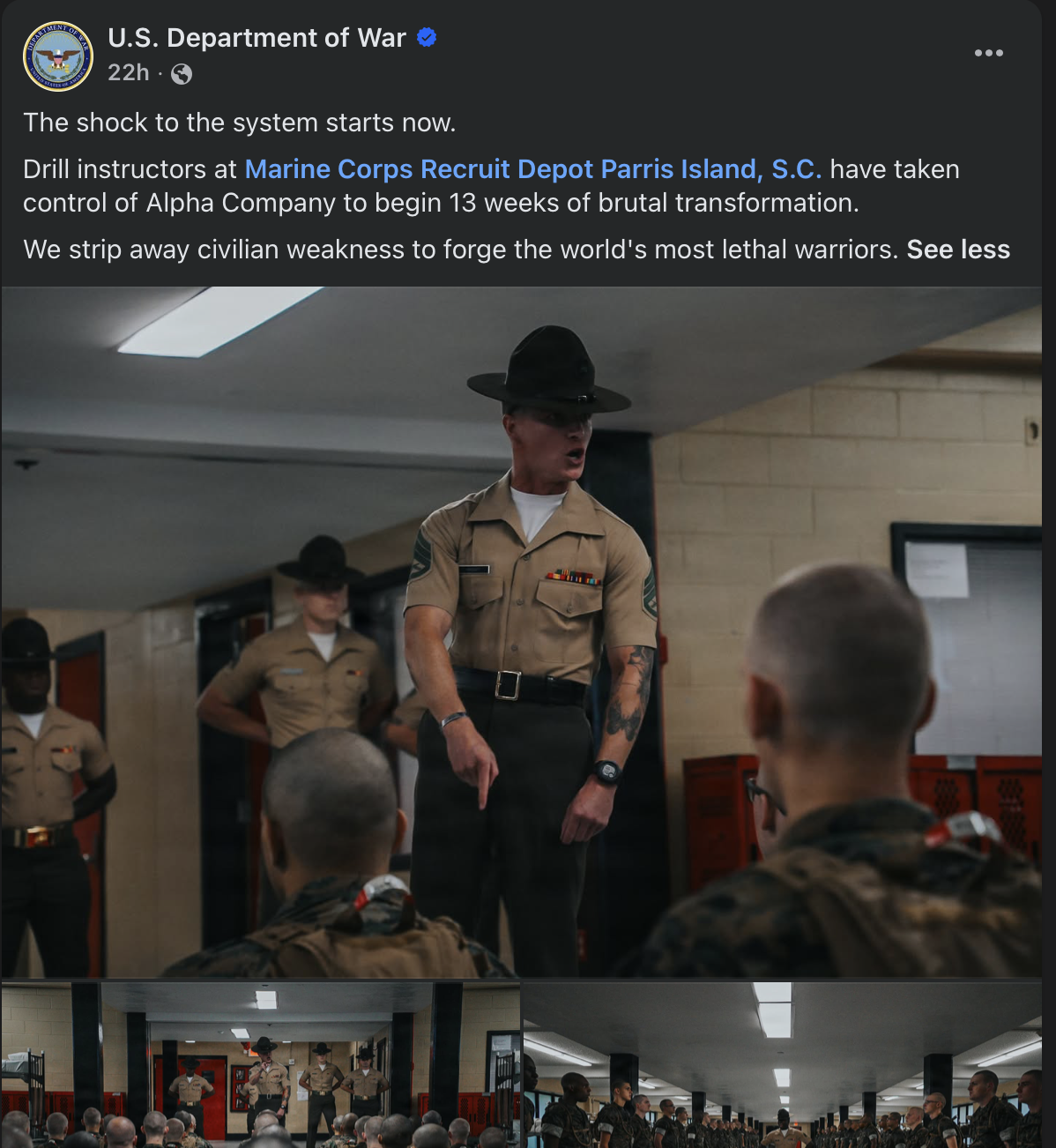
More warrior bro shit. Some of the worlds most effective militaries, particularly in #europe dont break down people. Its a job, that are you trained to do. And its treated like that as you would any job or professional environment. Do you get screamed at at work? Not in well run company. Calm repose saves lives. And they dont treat being a civilian as a weakness, but rather a reminder of...who pays your fucking salary. #PeteHegseth
mastodon bot · 10 days ago

Dirty plan: War economy in Europe with giant loan of 5 trillion euros, at 25 of each countrys debt for defense
gdeltproject.org · 10 days ago

China shouldnt view a tired US as signifying a Europe ready to pivot When US President Donald Trump announced that 5,000 US troops would leave Germany, the immediate reading in Western capitals was political: another round in Trumps running quarrel with European allies, triggered by German Chancellor Friedrich Merzs criticism of Washingtons handling of the war with Iran. For Beijing, the more interesting reading is structural. The drawdown coincides with a period in which Foreign Minister Wang Yi has spent much of 2026 cultivating a partners not rivals...
south china morning post · 11 days ago

Paul Krugman asks, Is Europe truly in economic decline? He argues the continent remains a democratic superpower, keeping pace with the U.S. despite bad-faith attacks from Trump officials. Dive into why Europeans shouldnt be gaslit by American triumphalism: #Europe #Economy #Democracy #GlobalPower
mastodon bot · 11 days ago

KYIV POST: Trump May Expand Troop Withdrawals to Italy as NATO Tensions Rise US President Donald Trump may expand his plan to reduce the US military footprint in Europe beyond the 5,000 troops already slated to leave Germany. Sources within NATO suggest that Italy could be the next country to face a withdrawal of US forces. Additionally, Trump is considering canceling a planned deployment of long-range missiles to Germany. #Europe #World
mastodon bot · 11 days ago
Tank maker KNDS pushes Berlin to decide on taking stake before IPO German family shareholders want to press ahead with listing of Paris-backed group at €15bn-€20bn valuation
financial times · 11 days ago
Berlin Ignites New NATO Security Debate With Major Missile Expansion Germany 2026 BERLIN, Germany – May 10, 2026 – Brussels Morning Newspaper — Germany defense spending has returned to the center of European political and military discussions after reports indicated that Berlin is reviving efforts to purchase US-made Tomahawk cruise missiles. The renewed defense strategy reflects growing security concerns across Europe as NATO members continue increasing military preparedness during a […]
brussels morning · 11 days ago
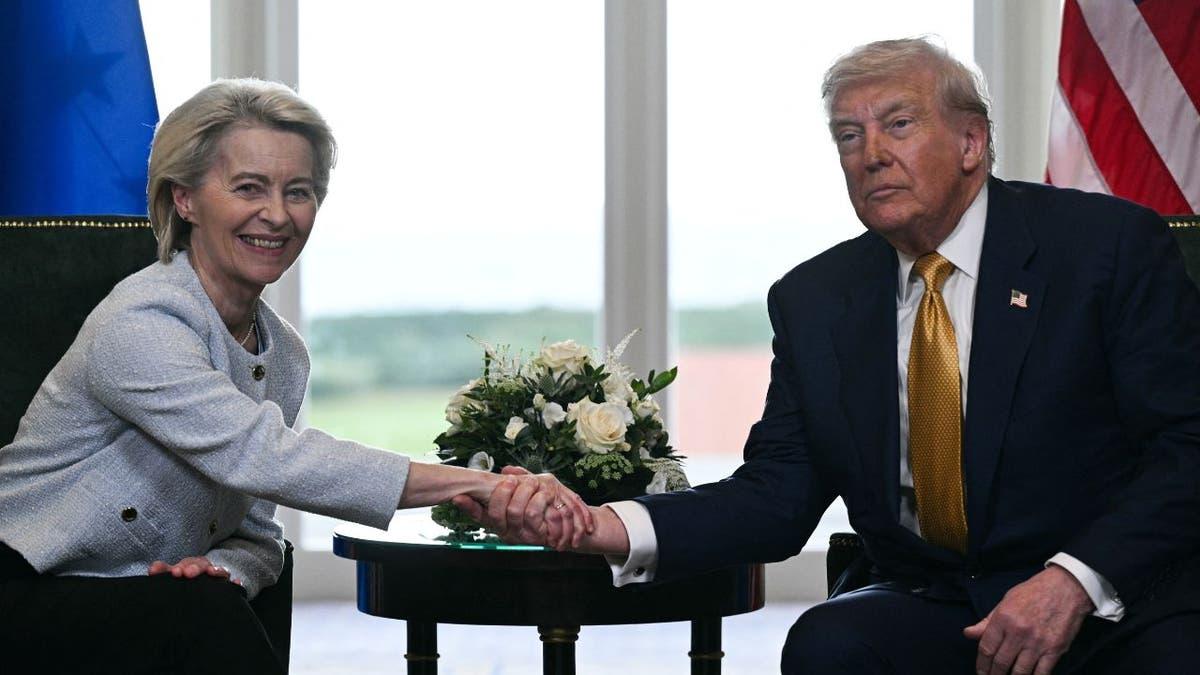
US President Trump threatens tariffs on EU goods, citing non-compliance with the Turnberry Agreement, prompting EU responses amid G7 dynamics and German automaker concerns (DW, 2026-05-10).#europe #geopolitics #eu #trade
mastodon bot · 11 days ago
Industrial boom meets labour crunch in Lithuania German automotive supplier Hella Lithuania said it plans to expand its operations in Lithuania even as another German industry player exits the market and manufacturers face growing labour shortages.
lrt · 11 days ago
Germany in fresh push to buy Tomahawks after Trump row Defence minister plans Washington trip after Chancellor Friedrich Merz falls out with US president
financial times · 11 days ago
European carmakers take €8bn hit from Trump tariffs US president has threatened to raise levies to 25 if EU does not implement last years trade deal
financial times · 11 days ago

Trump Germany shock : How Washington punishes even its most loyal European ally
gdelt bot · 11 days ago
Many European leaders desperately hoping US remains committed to NATO FRANCE 24s Yinka Oyetade speaks to Dafydd Townley, from the University of Portsmouths Professional Military Education Team, about the meeting between Donald Trump and NATO chief Mark Rutte. He says that for all the bluster coming from the White House, many European security experts, ministers and prime ministers are desperately hoping that the United States remains committed to NATO and the security of Europe.
france24 · about 1 year ago
NATOs Trump whisperer treads carefully on Greenland and defense Hes been dubbed the Trump whisperer, but NATO chief Mark Rutte struggled to get a word in Thursday as the US president mused about annexing Greenland and criticized allies over defense spending. The former Dutch prime minister visited the White House seeking to convince a skeptical Donald Trump to maintain US commitment to the transatlantic alliance and to Ukraine. The Guardian Washington bureau chief David Smith reports from Washington.
france24 · about 1 year ago
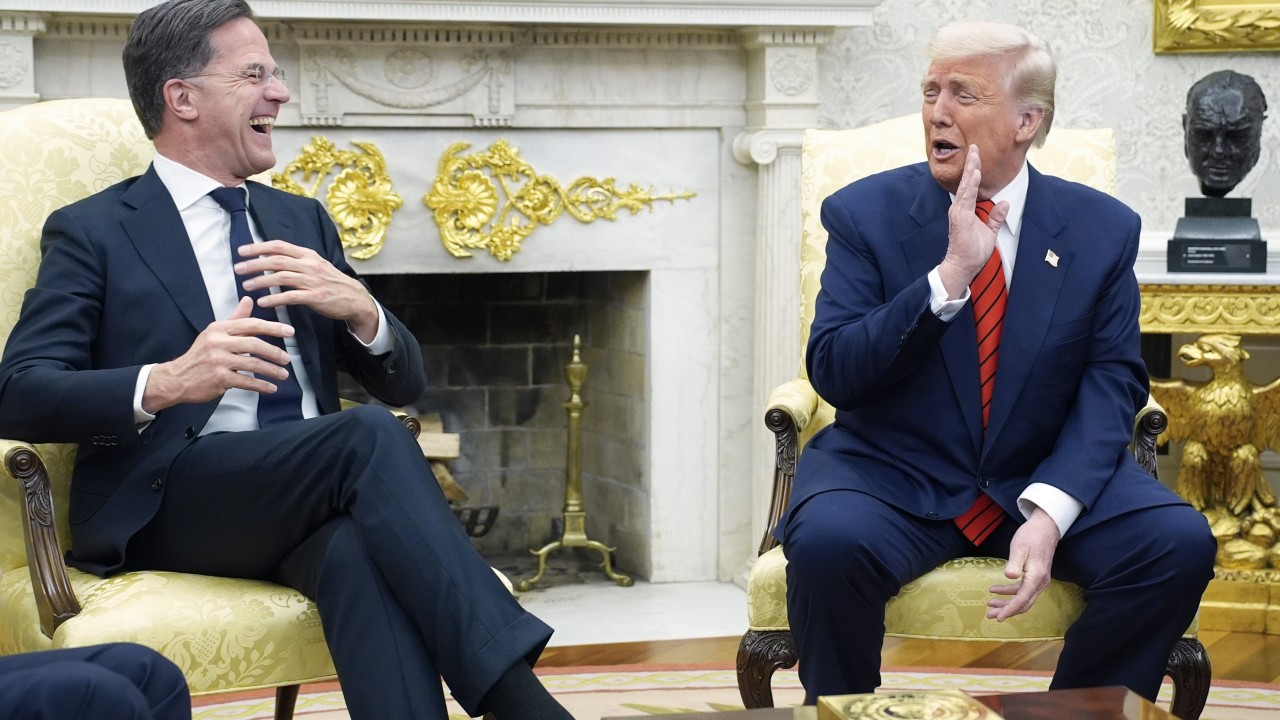
Trump on Greenland annexation: I think it will happen The US president made the remarks at a meeting with Nato chief Mark Rutte, who responded: I dont want to drag Nato in that.
south china morning post · about 1 year ago
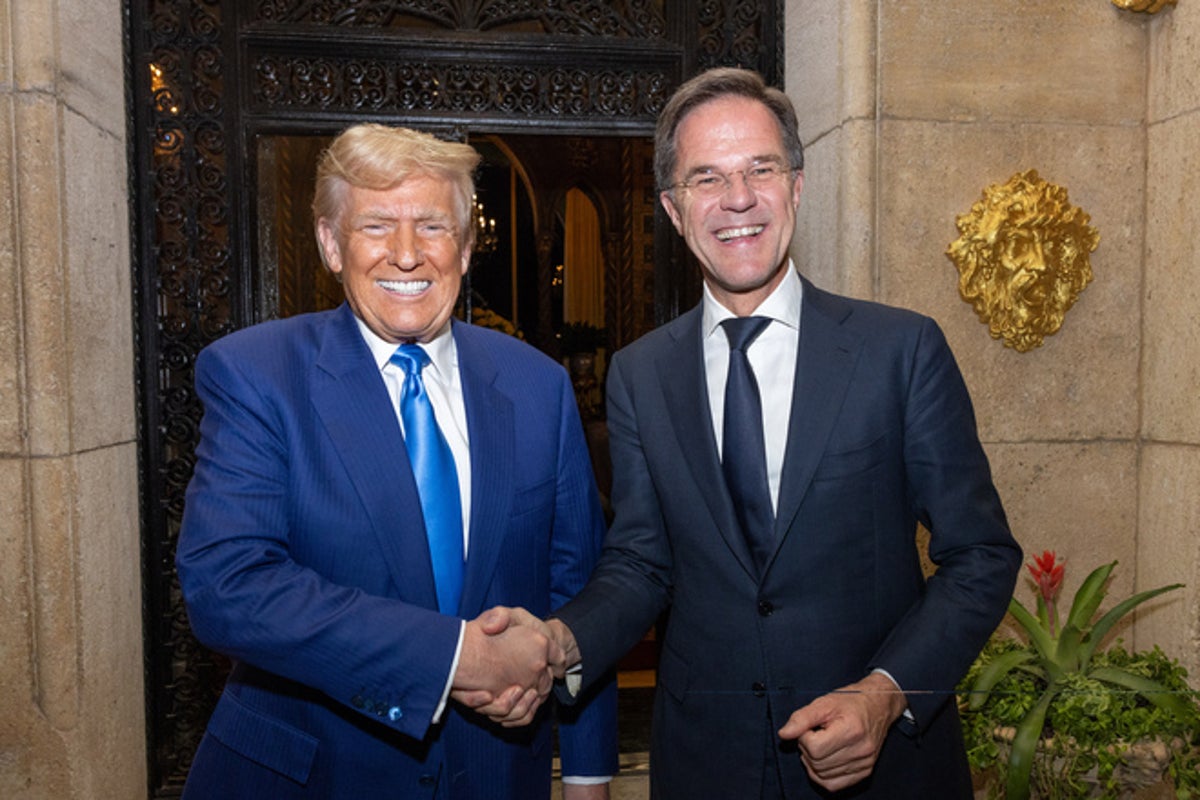
Watch: Trump meets Nato chief after Musk calls for US to exit alliance Watch live as Donald Trump meets Nato secretary general Mark Rutte at the White House on Thursday, 13 March, after Elon Musk called for the United States to leave the alliance.
independent · about 1 year ago
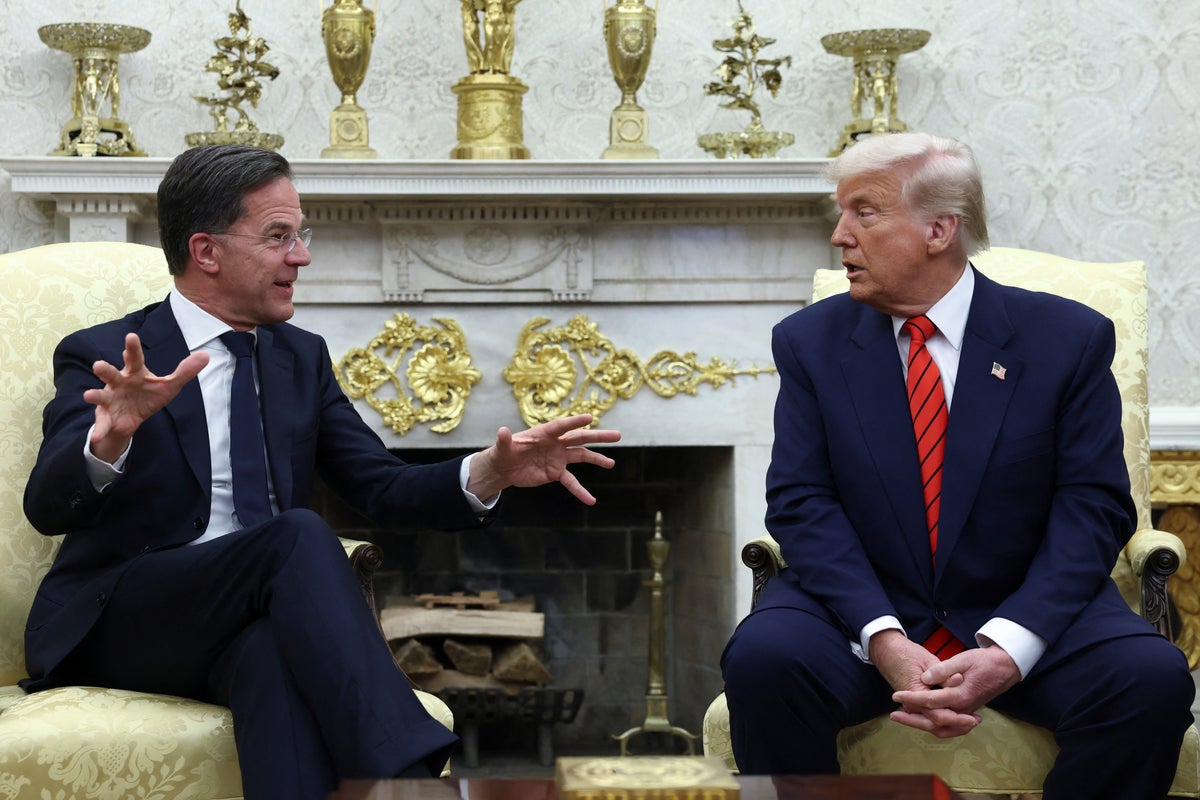
Trump believes US will annex Greenland as NATO leader tells him the organization will sit out potential takeover Former Dutch prime minister Mark Rutte, now the NATO Secretary-General, declined to respond to Trumps belligerent remarks
independent · about 1 year ago
Dutch PM may defy parliaments wishes for ReArm Europe plan; VVD leader heads to Ukraine Dutch Prime Minister Dick Schoof will not walk back the countrys support of the 800 billion euro ReArm Europe defense spending plan put forward by European President Ursula von der Leyen.
nltimes.nl · about 1 year ago
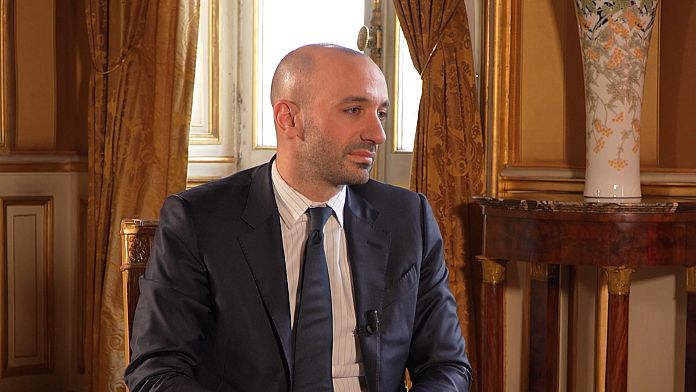
French EU minister: Europe needs its own weapons to truly control its security French Minister for European Affairs, Benjamin Haddad, tells Euronews that Europe must seize this historic moment to strengthen its military independence, particularly in light of the Trump administrations decision to withdraw military aid and intelligence from Ukraine.
euronews · about 1 year ago

Rutte to hold important meeting with Trump: they will discuss the presence of the United States in NATO #Europa #europe #nato #OTAN
mastodon bot · about 1 year ago
Debate: Opposition wins election in Greenland Greenland is on track for a change of government: the opposition centre-right Demokraatit party came first in the parliamentary elections with 30 percent of the vote and is now likely to lead a coalition government. The Naleraq Party, which is pushing for independence as soon as possible, made significant gains, securing 24.5 percent. The parties of the left-wing coalition which is currently in power trailed behind in third and fourth place.
eurotopics.net · about 1 year ago

Trump questions if NATO would defend US, but 1,000 allies were killed in the war on terror #europe
mastodon bot · about 1 year ago

Trump considering major NATO shift: Wont defend countries that dont meet spending target #Europe #NATO
mastodon bot · about 1 year ago

Trump Questions NATOs Commitment to Defend U.S. in AttackTrump Questions NATOs Commitment to Defend U.S. in Attack \ Newslooks \ Washington DC \ Mary Sidiqi \…#Europe #EU
mastodon bot · about 1 year ago

If they dont pay, Im not going to defend: Donald Trumps strict warning for NATO membersUS President Donald Trump is in the limelight over his latest warning to NATO members. On Thursday, Donald…#Europe #EU
mastodon bot · about 1 year ago
Trump Tells NATO Allies To Hike Spending Or Dont Count On US Help U.S. President Donald Trump, who has long questioned the viability of NATO, cast doubt on his willingness to support the Western military alliance, saying he would not come to members aid if they didnt pay enough for their own defense.
radio free europe · about 1 year ago
Estonia to Europe: Trump is right ― its time to pay more for defense Kristen Michal tells POLITICO that no country should shirk its obligations as U.S. casts doubt on NATO security.
politico.eu · about 1 year ago

Trump plans to change the USs participation in the defense of NATO countries: what awaits allies #Europe #NATO
mastodon bot · about 1 year ago
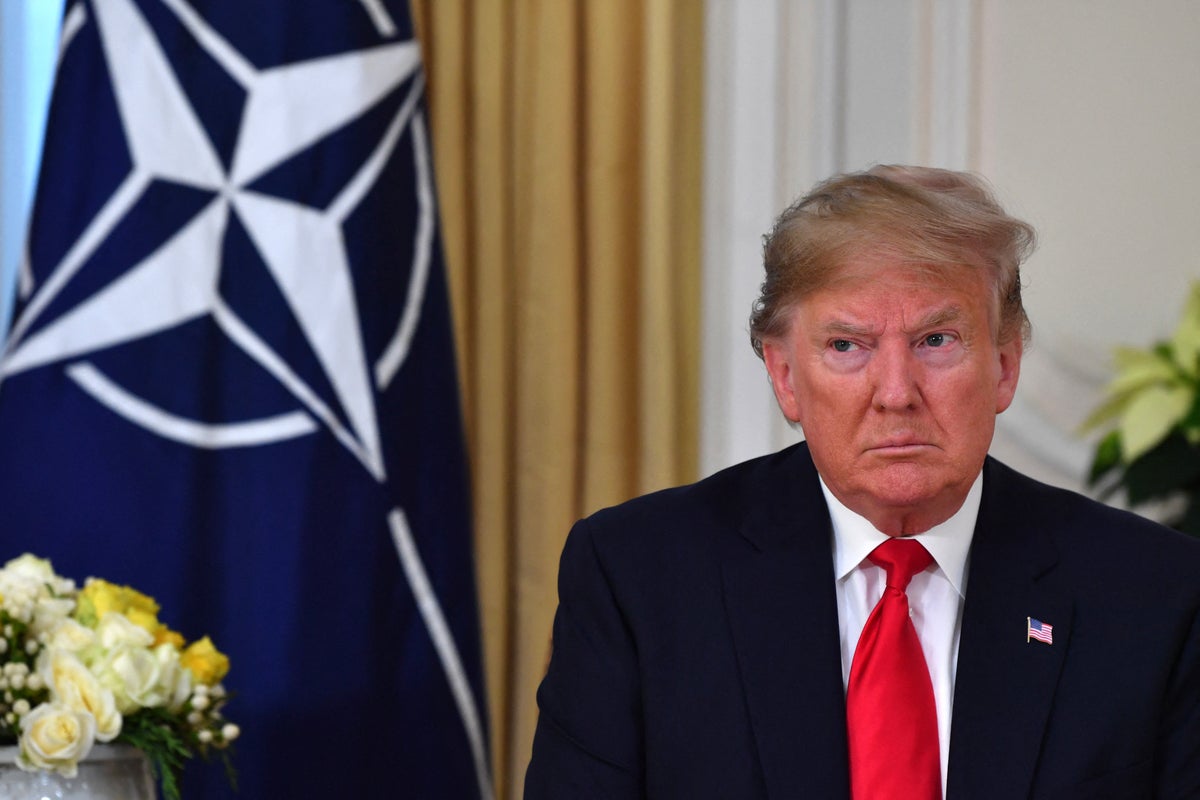
Trump considering changing NATO policy to favor countries spending more on defense: report Possible change in U.S. engagement with NATO comes as Trump is pressuring Ukraine to come to negotiating table to end war with Russia
independent · about 1 year ago
US may not defend Nato allies who do not meet Trump spending targets
gdeltproject.org · about 1 year ago