
Federal judge orders Donald Trump to pay writer E. Jean Carroll 5.8 million

A U.S. federal judge on Wednesday ordered former President Donald Trump to pay $5.8 million to writer E. Jean Carroll after the U.S. Supreme Court declined to hear his appeal in a civil case that found him liable for sexually abusing and defaming her. U.S. District Judge Lewis Kaplan in Manhattan authorized the immediate disbursement of the funds, which had been held in escrow since a 2023 jury verdict. The payment follows the Supreme Court’s June 2026 decision not to review Trump’s appeal, effectively finalizing the judgment against him.
The ruling stems from a 2023 civil trial in which a Manhattan jury found Trump liable for sexually abusing Carroll in a Manhattan department store dressing room in 1996 and defaming her after she publicly described the attack in a 2019 memoir. The jury awarded Carroll $5 million in damages, a figure that has since grown to $5.8 million with interest. Trump did not attend the trial but has repeatedly denied the allegations, calling Carroll’s claims “false” and dismissing her as “not my type.” His legal team has vowed to continue fighting the judgment, filing an emergency appeal with the 2nd U.S. Circuit Court of Appeals to block the payment.
Trump’s legal troubles extend beyond the Carroll case. A separate Manhattan jury in 2024 awarded Carroll an additional $83 million in defamation damages after Trump, during his presidency, publicly dismissed her allegations as politically and financially motivated. Kaplan barred Trump’s defense team from arguing that the encounter never occurred during that trial, a decision Trump’s lawyers criticized as prejudicial. The 2nd Circuit declined to rehear the $83 million award en banc in early 2026, with Judge Denny Chin noting Trump’s long-standing public statements that Carroll had fabricated the allegations for personal gain.
In a parallel legal battle, Trump is also seeking to overturn a June 2026 Supreme Court ruling that struck down his 2025 executive order attempting to end birthright citizenship for children born in the U.S. to parents on temporary legal statuses or undocumented. The court’s 6-3 decision, issued last month, reaffirmed that citizenship is guaranteed by the 14th Amendment and suggested that only a constitutional amendment could alter the practice. Trump, who called the ruling “too bad for our country,” announced on Wednesday that he would ask the Supreme Court to rehear the case, a move legal experts say faces long odds given the court’s rare acceptance of rehearings. He has also urged congressional Republicans to pass legislation restricting birthright citizenship, though public polling indicates strong support for the current system.
The Supreme Court’s refusal to hear Trump’s appeal in the Carroll case and its rejection of his birthright citizenship challenge mark significant setbacks in his efforts to reshape U.S. immigration and legal policy. The rulings come amid a broader pattern of legal defeats for Trump, including the loss of a bid to restore his name to the Kennedy Center’s facade during an ongoing dispute over its removal. Legal analysts note that the Supreme Court’s decisions signal growing judicial skepticism toward Trump’s executive actions, particularly those targeting immigration and civil rights.
Carroll’s legal team has not responded to requests for comment on the payment order. Trump’s attorneys have accused his political opponents of weaponizing the legal system, a claim echoed by the former president on his social media platform, Truth Social, where he framed the Carroll case as a politically motivated “witch hunt.” The Supreme Court’s actions, however, suggest that Trump’s legal strategy has failed to gain traction, leaving him with limited avenues for appeal as the financial and reputational consequences of the rulings take effect.
Follow us for live European news
- 3
- 1
- 1
- 1
- 1
- 1
- 1
- 1
- 1
- 1
- 1
5 further sources not geolocated
Articles
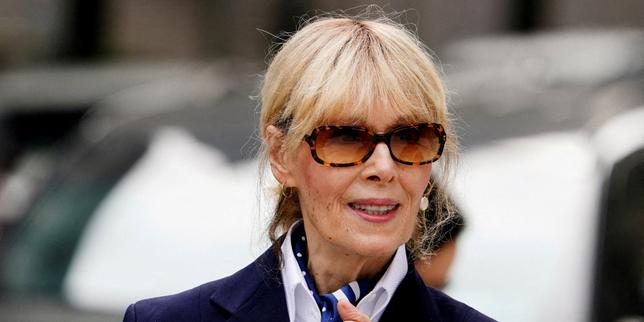
Affaire E. Jean Carroll : un juge ordonne à Donald Trump de verser les 5 millions de dollars quil doit à lautrice Cette décision fait suite au refus de la Cour suprême dexaminer le recours du président américain qui avait été reconnu coupable dagression sexuelle et de diffamation contre lancienne journaliste et chroniqueuse, aujourdhui âgée de 82 ans.
le monde · about 7 hours ago
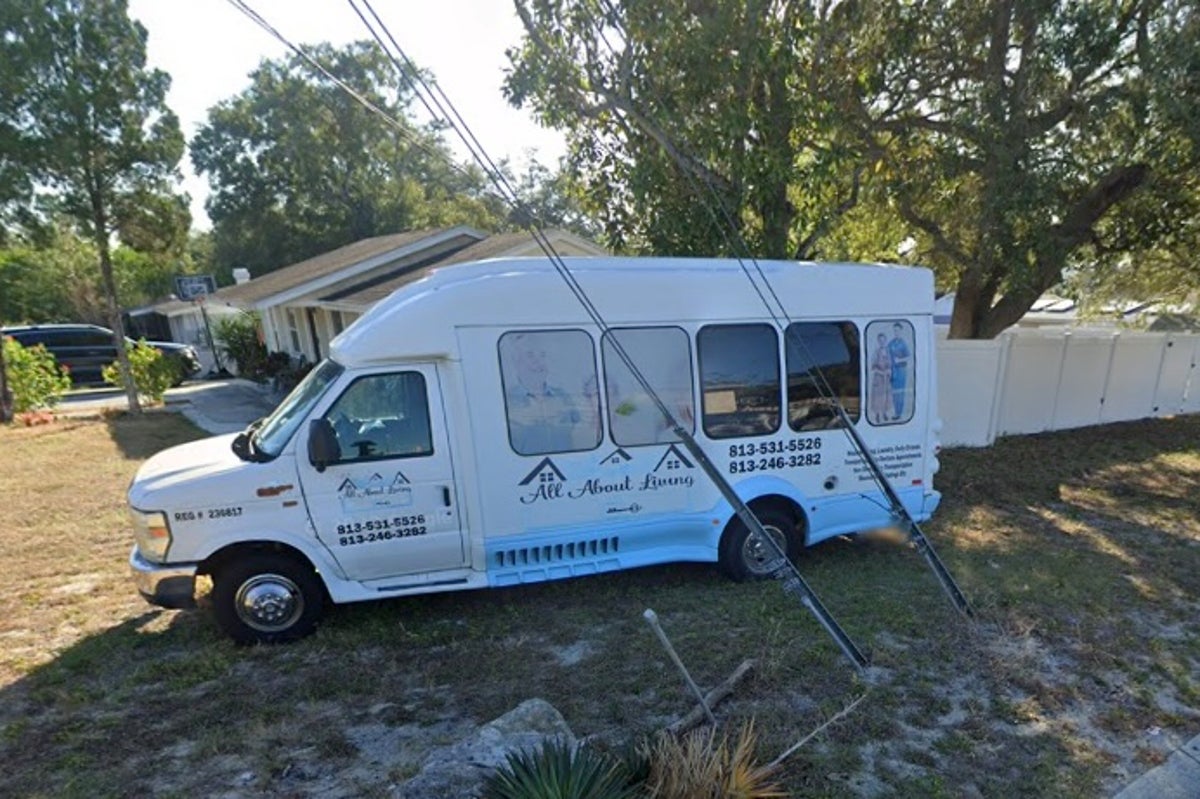
Florida group home sued after resident allegedly contracts flesh-eating bacteria David Nolan-Hersey, a 34-year-old who lived in the All About Living Inc. group home, lost two of his fingers from necrotizing fasciitis, the lawsuit states
independent · about 7 hours ago
California DMV could revoke 11,000 driving licenses over mysterious anomalies in tests, report says The state motor vehicle department said it had identified anomalies in their test results
independent · about 7 hours ago

South Koreas supreme court upholds lower court ruling in ex-president Yoons obstruction case reut.rs/3QNJtCV
bluesky_Reuters · about 7 hours ago

Datenschutz: US-Urteil erhöht Risiken für deutsche Firmen massiv Ein Urteil des Supreme Court schwächt eine wichtige US-Behörde und gefährdet damit die rechtlichen Grundlagen für den Datenverkehr aus Europa in die USA. Die deutsche Wirtschaft ist alarmiert.
handelsblatt · about 7 hours ago
Datentransfers in die USA: Österreichischer Datenschützer kündigt Klage an Datenschutzaktivist Max Schrems will den Transfer von EU-Daten in die USA verhindern. Anlass ist ein umstrittenes Urteil des Supreme Court der USA. mehr...
taz.de · about 7 hours ago

International court tells BBC of breakthrough in Sudan war crimes probe
news.yahoo.com · about 7 hours ago
Donald Trump ordered to pay E. Jean Carroll $5.8 million after Supreme Court declines appeal on sexual abuse and defamation case A U.S. judge on Wednesday authorized the payment of a multimillion-dollar verdict to magazine writer E. Jean Carroll to satisfy a 2023 civil verdict in which a jury found President Donald Trump liable for sexually abusing and defaming her. U.S. District Judge Lewis Kaplan in Manhattan ordered the disbursement of nearly $5.8 million to the […]
cyprus mail · about 8 hours ago
Author gets 33 million from Trump in abuse case On Wednesday, an American judge ordered US President Donald Trump to pay five million dollars to author E. Jean Carroll, following a jurys previous finding that he was guilty of sexual abuse and defamation. The ruling became final after the US Supreme Court refused to hear Trumps appeal last week. Federal Judge Lewis Kaplan ordered […]
cphpost · about 8 hours ago

🟠 UPDATETrump asks Supreme Court to reconsider birthright citizenshipThe Supreme Court ruled against Trumps order to end birthright citizenship in June.📰 #Geopolitics #GeoWire
mastodon bot · about 8 hours ago
Insiderbericht: US-Staaten offenbar vor Klage gegen Paramount-Übernahme von Warner Laut einem Bericht der Nachrichtenagentur Reuters könnte die Megafusion weiteren Gegenwind bekommen. Interessengruppen warnen vor steigenden Preisen und Arbeitsplatzverlust.
handelsblatt · about 8 hours ago
Rights group plans complaint to IOC against Infantino over Trump support FairSquare says it will lodge the complaint regarding the FIFA presidents repeated breach of political neutrality.
aljazeera · about 8 hours ago
Trump to ask US Supreme Court for new hearing on birthright citizenship In June, the Supreme Court ruled against Trumps order to end birthright citizenship for individuals born in the US.
aljazeera · about 8 hours ago
Trump: Ompröva beslut om medborgarskap I slutet av juni avslog Högsta domstolen i USA president Donald Trumps försök att begränsa rätten till medborgarskap för personer som föds i landet.Nu uppger Trump att han kommer att begära en omprövning av utslaget i domstolen, som han kallar galet.
svenska dagbladet · about 8 hours ago
Curtea de Apel București decide astăzi dacă Viorel Pașca și familia lui rămân sub control judiciar sau vor fi arestați preventiv Curtea de Apel București urmează să dea astăzi un verdict final în ceea ce privește decizia de arestare preventivă sau plasare sub control judiciar a lui Viorel Pașca, membrilor famileii sale și administratoarei azilelor ilegale din Bihor. Dosarul a ajuns la instanța de apel după ce DIICOT a contestat decizia Tribunalului București în acest dosar.
digi24 · about 8 hours ago

Misshandlungsvorwürfe von Paris Hilton: US-Internat verlor Lizenz Eltern hatten Klagen gegen das Internat im US-Bundesstaat Utah eingereicht. Paris Hilton machte bereits 2020 in einer Doku auf Missbrauch und Gewalt in der Schule aufmerksam
der standard · about 8 hours ago
US court rules that Trumps name must stay off Kennedy Center during appeal Trumps name was removed from the centres facade and signage last month, after a judge ordered its removal.
aljazeera · about 8 hours ago

Fans von Taylor Swift zahlten 25 Dollar für Abfall von Hochzeitsfeier Ein New Yorker Künstler sammelte Müll der Party vom vergangenen Wochenende ein und verkaufte ihn im Internet. Darunter: Zigarettenstümmel und ein Ovulationstest
der standard · about 9 hours ago
Motivul pentru care o româncă dă în judecată o emisiune din Italia: „Nu există cetățeni de categoria A și cetățeni de categoria B Luminița Toma, o antreprenoare de origine română stabilită în Italia de trei decenii, acuză o emisiune din Italia de discriminare, mergând până în instanță pentru a-și face dreptate. Femeia, în vârstă de 50 de ani, susține că i s-ar fi împiedicat participarea la un casting al emisiunii „Affari Tuoi, prezentată de Stefano De Martino, pe motiv că s-a născut în străinătate, relatează Fan Page, citând La Sicilia.
digi24 · about 9 hours ago
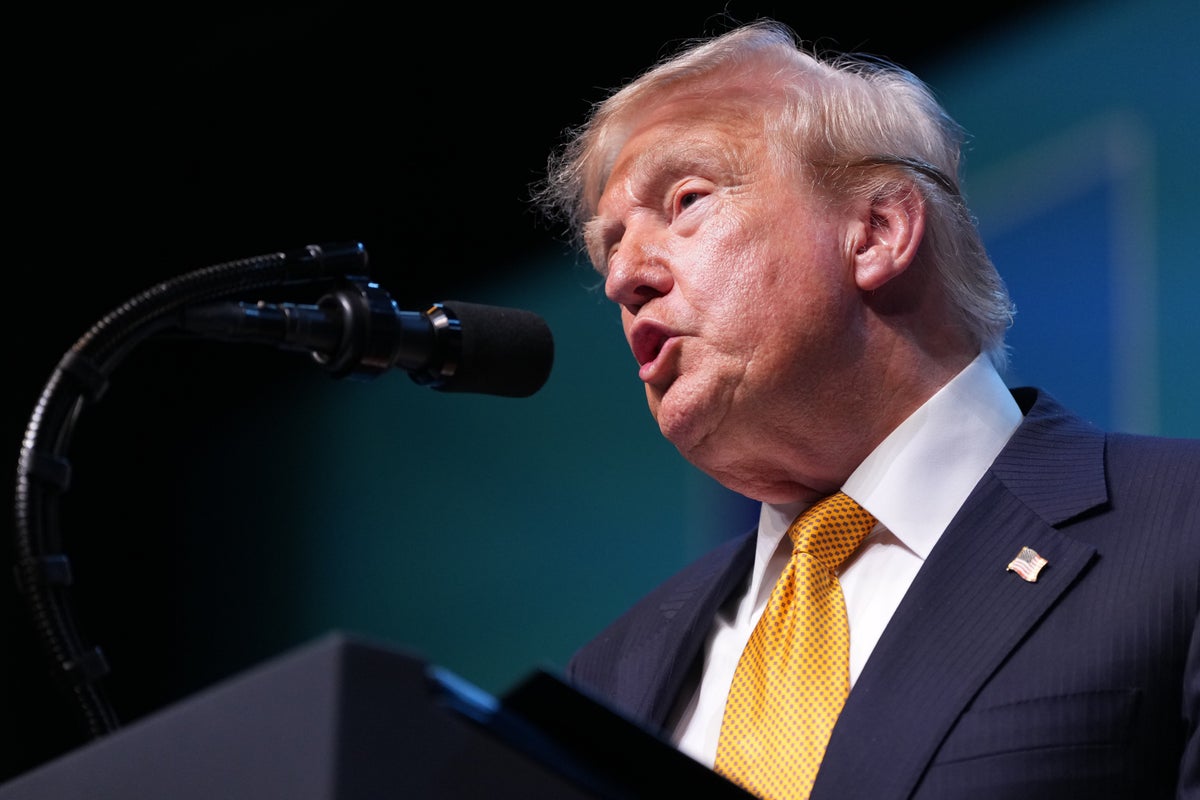
Muslim school in Minnesota concerned for student safety after Trump shares clip of its graduation The 14-second clip was shared to Trumps Truth Social account without a caption
independent · about 9 hours ago
Former Wisconsin judge avoids prison in ICE obstruction case Hannah Dugans sentence comes after she helped an immigrant in the US avoid ICE agents waiting to arrest him in 2025.
aljazeera · about 10 hours ago

Internal File Finds I.C.C. Prosecutor Engaged in Sexual Harassment The confidential report will be considered by International Criminal Court members as they vote on whether to remove the top official.
new york times · about 10 hours ago
Leute: Vorwürfe von Paris Hilton - Internat verliert Lizenz Seit Jahren kämpft Paris Hilton dafür, dass ein Internat in Utah geschlossen wird. Sie sei dort als Teenager misshandelt worden, sagt die Sängerin. Nun entziehen die Behörden die Lizenz.
tagesspiegel · about 10 hours ago

A US appeals court on Wednesday rejected President Donald Trumps request to have his name restored to the facade of the Kennedy Center while he fights its removal. u.afp.com/SK6h
bluesky_AFP English · about 10 hours ago

Trump says he will ask Supreme Court to rehear birthright citizenship case
news.yahoo.com · about 11 hours ago
Judge orders E Jean Carroll be paid $5.8 mil in Trump sex abuse and defamation case; Trump appeals The writer E Jean Carroll can collect $5.8 million held in escrow since a jury found that President Donald Trump sexually abused and defamed her, a federal judge…
japantoday · about 11 hours ago
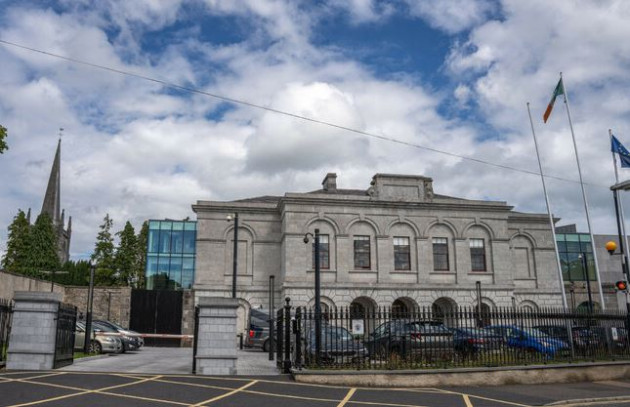
Healthcare worker put his number in teen girls phone after alleged sexual assault, jury told The witness alleged that the accused told her that he wanted a girl, but that she was unavailable right now.
thejournal · about 11 hours ago
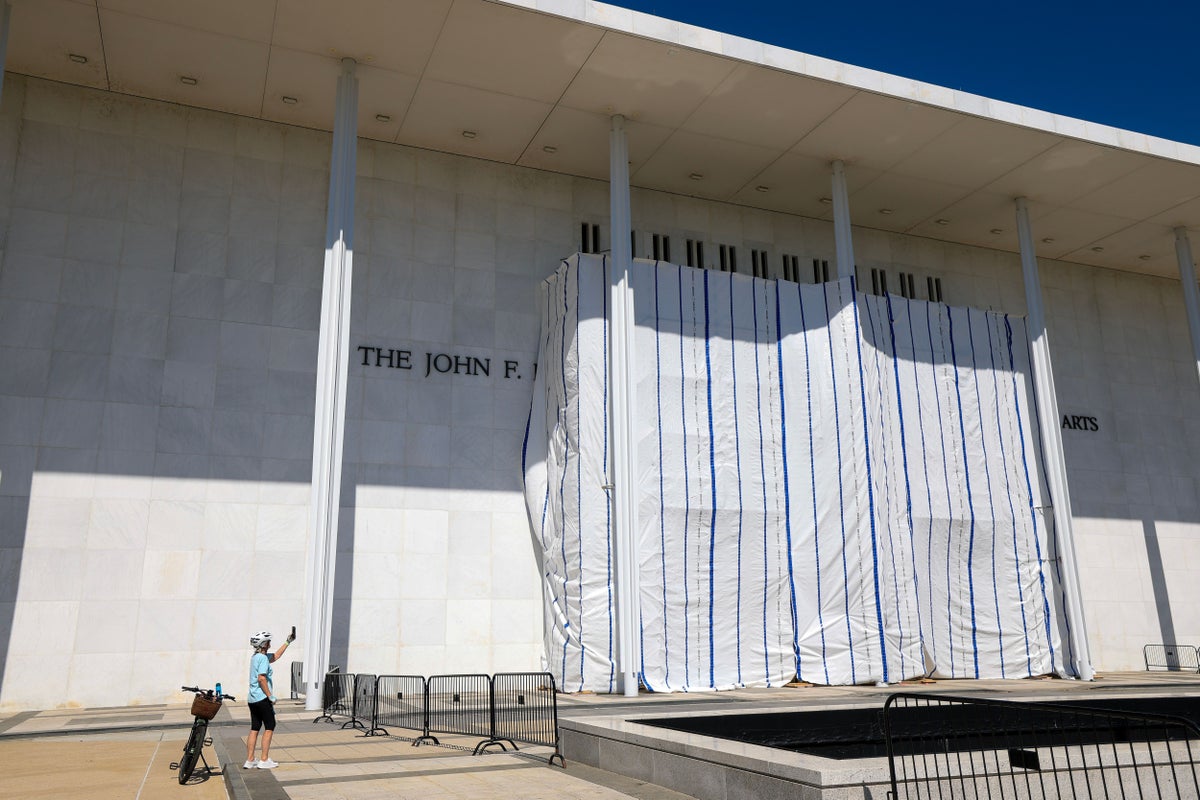
Request to return Trumps name to Kennedy Center during appeal is denied by panel of judges The board of trustees failed to show how they will be irreparably injured if Trumps name remains off the building
independent · about 11 hours ago
.jpeg?width=1200&auto=webp&trim=0%2C0%2C0%2C0)
Trump team threatens to arrest election officials if migrants vote in their states Got another love letter this morning from the DOJ sprinkled throughout with threats of criminal prosecution, a GOP election official in Utah wrote
independent · about 11 hours ago
Trump ordered to pay E Jean Carroll $5.8m after failed appeal Trump ordered to pay $5.8m after the US Supreme Court rejected his appeal in the Carroll defamation and abuse case.
aljazeera · about 11 hours ago