
Households pay 59 billion in inflated fuel costs as Trump policies spark midterm backlash
U.S. households have paid $59 billion in inflated fuel costs since Trump’s Iran policies triggered price surges, wiping out this year’s average tax refund gains and fueling political backlash ahead of midterms.
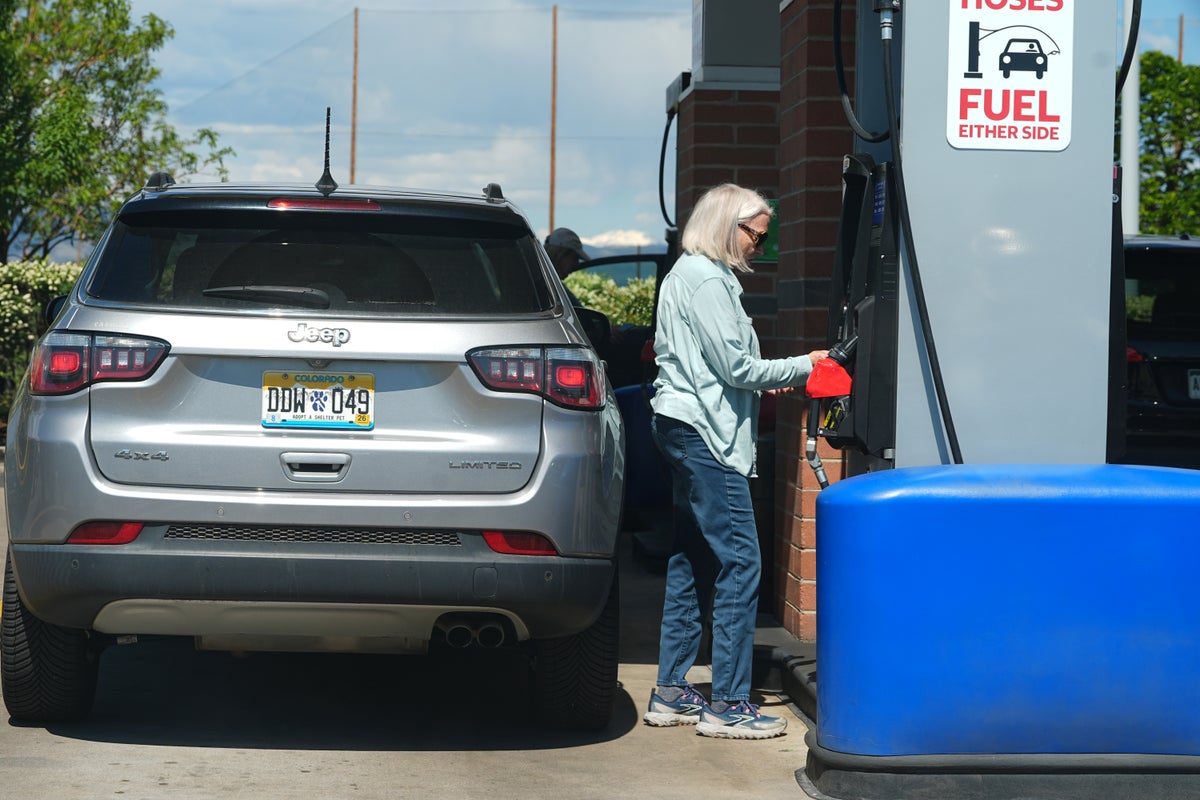
Since 2025, American families have spent an extra $450 each on fuel—nearly erasing the $380 increase in the average 2026 tax refund—due to price spikes linked to Trump administration policies, including sanctions on Iran and trade tariffs, according to an *Independent* analysis . The $59 billion total cost, spread across 131 million households, has become a flashpoint in key battleground states, where industries like Maine’s lobster sector blame tariffs and energy prices for soaring operational costs.
Fishermen and farmers in Maine, a state Trump won by 7 points in 2024, are now reconsidering their support, with some warning the economic strain could cost Republicans control of the Senate in November’s midterms, the *Financial Times* reports . The backlash mirrors broader discontent over the administration’s trade policies, which critics argue have disproportionately hit rural and working-class voters.
The fuel price surge compounds long-term economic shifts, with the *Financial Times* noting that 50 years of declining capital, labor, and energy costs in the U.S. are now reversing—a trend accelerated by geopolitical tensions and protectionist measures . While the White House has touted tax cuts and deregulation as economic wins, the *Independent*’s data suggests households are yet to feel the net benefit, with refund gains offset by higher living costs.
The political fallout extends beyond fuel. In Europe, UK Labour leader Keir Starmer faces warnings that his proposed Brexit "reset" could further inflate food prices, adding to cost-of-living pressures . Meanwhile, in Germany, automakers are scaling back discounts on electric vehicles, widening the price gap with combustion engines—a move analysts link to supply chain disruptions and tariff-driven material costs .
As the 2026 midterms approach, the economic strain from tariffs and energy policies is reshaping voter priorities, with even traditionally Republican-leaning sectors signaling potential defections. The White House has yet to announce a response to the fuel price data, but Republican strategists privately acknowledge the issue could sway races in energy-dependent states like Texas and Pennsylvania.
- independent
- sueddeutsche
- faz
- financial times
Articles

Digitale Archäologie: Plötzlich entsteht ein Bild vom Alltagsleben in der Antike Die Kooperation zwischen Pompeji und der HU zeigt beispielhaft, wie die Rekonstruktion einer ganzen zerstörten Stadt auf digitalem Wege gelingen könnte.
faz · 7 days ago

The end of cheap After 50 years of falling capital, labour and energy prices, the next half-century will look very different for America
financial times · 7 days ago
Americans have paid an additional $59 billion in inflated fuel prices since Trump started his Iran war The extra $450 spent by each US household has already eaten up this years $380 increase in the average tax refund
independent · 7 days ago
Keir Starmer warned his Brexit reset deal will push up cost of food | Politics | News
gdeltproject.org · 7 days ago
How Maines lobster revolt could cost Trump the Senate Soaring prices as a result of tariffs and fuel prices leave fishermen and farmers rethinking support for US president ahead of midterms
financial times · 7 days ago
Elektroautos: Autobauer geben weniger Rabatte für Stromer Der Preisabstand zwischen E-Autos und Verbrennern wächst wieder. Warum Hersteller weniger Nachlass gewähren und welche Förderung jetzt greift.
sueddeutsche · 7 days ago