 Thursday, May 28Thursday, May 28
Pope Leo XIV today issued a landmark call to "disarm" artificial intelligence, framing it as an existential threat to humanity in his first encyclical, *Magnifica Humanitas*. The 80-page document, presented at the Vatican alongside Anthropic co-founder Chris Olah, warns that unchecked AI risks deepening global conflicts, normalizing warfare, and creating "new digital slaveries" through geopolitical and corporate dominance.
The encyclical demands strict regulation of AI development, urging governments and tech giants to dismantle systems capable of autonomous decision-making in military or surveillance contexts. "AI must be disarmed before it disarms us," the Pope declared, comparing the technology’s societal impact to the Industrial Revolution’s upheavals. He specifically criticized "the race for ever more powerful algorithms," driven by "the desire to secure geopolitical or commercial dominance," as reported by *Le Monde* .
Key themes of *Magnifica Humanitas* include:
The encyclical marks Leo XIV’s most assertive intervention in global policy since his 2025 election, leveraging the Vatican’s moral authority to pressure institutions like the UN and EU to adopt binding AI treaties. While the document stops short of endorsing a full ban, it aligns with growing calls for a "digital Geneva Convention" to prohibit lethal autonomous weapons. Observers note the timing—amid stalled AI regulation talks in Brussels and Washington—positions the Pope as a pivotal mediator in the debate.
*Magnifica Humanitas* is the first encyclical by a U.S.-born pontiff and reflects Leo XIV’s background as a former missionary in Latin America, where he witnessed technology’s uneven impacts. The Vatican has announced plans to host a summit later this year, inviting policymakers, ethicists, and AI researchers to draft concrete proposals for "disarmament." As *France 24* reported, the Pope’s message is clear: "Humanity’s survival may hinge on whether we choose to control AI—or let it control us" .
Pope Leo XIV demands global AI disarmament in landmark encyclical

Papst Leo XIV.: „Künstliche Intelligenz muss entwaffnet werden [premium] Der Papst stellt seine erste Enzyklika „Magnifica Humanitas vor. Er beschäftigt sich mit den Auswirkungen von KI und warnt vor der „Normalisierung des Krieges. Die fünf wichtigsten Punkte.
die presse · 3 days ago
Pope Leo says AI must be disarmed in first major teaching The pontiff also warned of a "new digital slaveries" in his first encyclical since becoming Pope last year.
bbc · 3 days ago
Erste Enzyklika von Papst Leo XIV: Heiliges Misstrauen gegen KI Papst Leo XIV. warnt in seiner ersten Enzyklika vor den Gefahren der Künstlichen Intelligenz. Die Macht der Tech-Giganten will er beschränken. mehr...
taz.de · 3 days ago
Pope Leo warns AI must be disarmed in landmark encyclical Pope Leo XIV personally presented his first encyclical at the Vatican, outlining a strong warning about artificial intelligence and its impact on humanity. He argued that AI should be disarmed, warning it could deepen global conflicts and dehumanise society, while calling for broader regulation and diverse voices in shaping its development. Joined by Anthropic co-founder Chris Olah, the Pope framed AI as a defining challenge of the modern era, comparable to the Industrial Revolution.
france24 · 3 days ago
Papst Leo XIV. warnt vor Gefahren der Künstlichen Intelligenz [premium] Der Papst stellt seine erste Enzyklika „Magnifica Humanitas vor. Er beschäftigt sich mit den Auswirkungen von KI und warnt vor der „Normalisierung des Krieges. Die fünf wichtigsten Punkte.
die presse · 3 days ago
Pope Leos first encyclical tackles artificial intelligence On Monday, Pope Leo XIV unveiled his broad vision for the relationship between artificial intelligence and humanity in his first encyclical, a major papal letter addressed to bishops of the Roman Catholic Church. The document was presented alongside Chris Olah from Anthropic, in what appeared to be an effort to encourage dialogue between AI researchers and wider society. FRANCE 24s correspondent in Rome, Hannah Roberts, has the details.
france24 · 3 days ago

Papst Leo XIV. geißelt Tech-Milliardäre und fordert: "Die KI muss entwaffnet werden" Der Papst beschäftigte sich in seiner ersten Enzyklika – einem päpstlichen Rundschreiben – mit den Chancen und Risiken künstlicher Intelligenz
der standard · 3 days ago
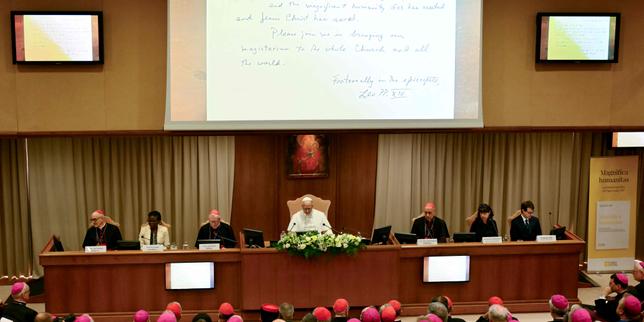
Pope Leo XIV calls for disarming AI In his first encyclical, titled Magnifica humanitas, the pope warns about the impacts of artificial intelligence, which he described as an anthropological challenge to humanity, stepping directly into current debates over the use of the technology.
le monde · 3 days ago
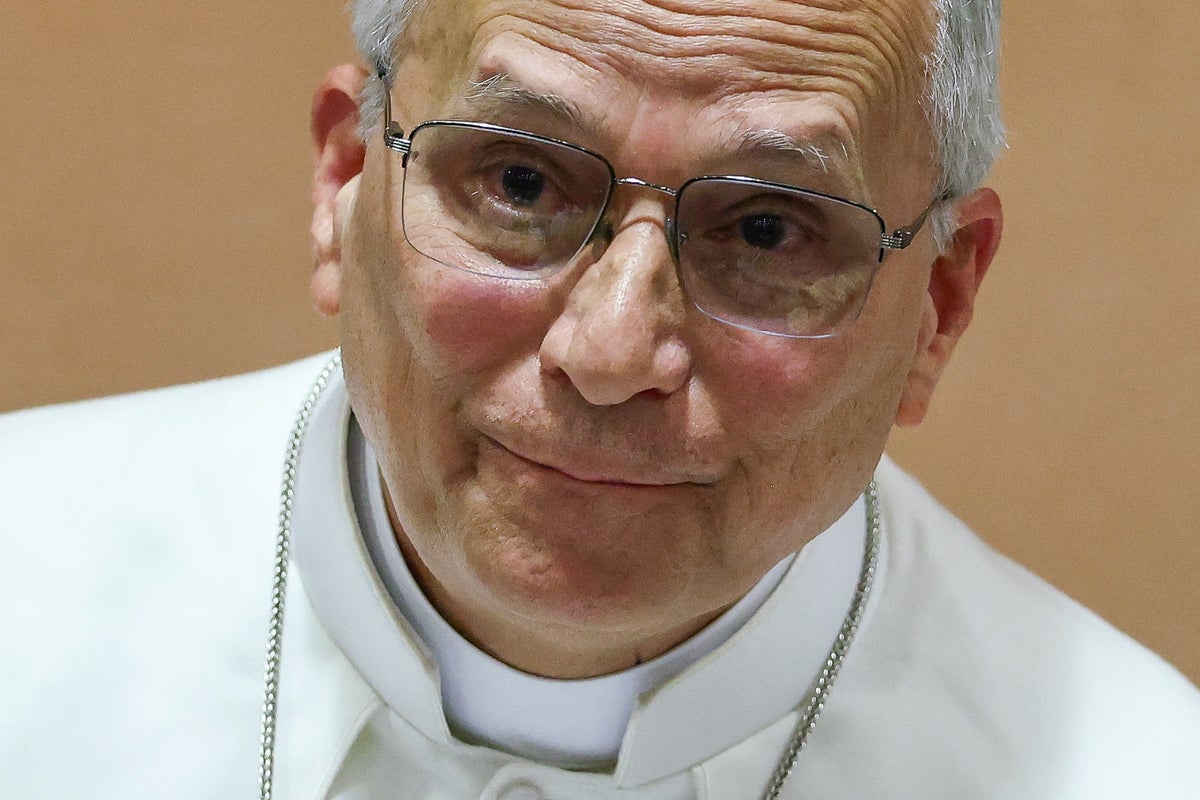
Pope Leo warns AI risks accelerating war and threatens humanity in landmark manifesto Pope Leo XIV called for robust regulation of artificial intelligence in his first encyclical Magnifica Humanitas
independent · 3 days ago
Pope Leo XIV warns of new forms of slavery linked to Artificial Intelligence In his encyclical "Magnifica Humanitas," the pontiff warned against "a race for ever more powerful algorithms and larger datasets, driven by the desire to secure geopolitical or commercial dominance."
euronews · 3 days ago
Pápež Lev XIV. varuje pred nekonečnou vojnou v ére umelej inteligencie. Vyzýva na jej „odzbrojenie Pápež Lev XIV. vydal encykliku Magnifica humanitas o ochrane človeka v ére umelej inteligencie. Varuje pred nekonečnou vojnou a žiada odzbrojenie AI.
aktuality.sk · 3 days ago
Pápež Lev XIV. predstavil encykliku o umelej inteligencii. Vyzval na jej reguláciu a „odzbrojenie Pápež Lev XIV. vydal encykliku Magnifica humanitas o ochrane človeka v ére umelej inteligencie. Varuje pred nekonečnou vojnou a žiada odzbrojenie AI.
aktuality.sk · 3 days ago