
EU and Britain impose joint sanctions on Russia over cyber attacks targeting Europe
The European Union and Britain have imposed coordinated sanctions on Russia over a series of cyber attacks in Europe, accusing Moscow’s FSB intelligence agency of involvement in digital strikes. This move comes as Western officials warn that Russia has intensified its “hybrid” campaign to destabilize Europe, now in its fourth year of war against Ukraine.
Brussels has imposed sanctions on nine individuals and four entities, while London has added 24 names to its blacklist. The British government stated that these sanctions, the first joint cyber package with the EU, target the Russian state’s persistent and increasingly reckless attempts to sow chaos and division across Europe.
Among those subjected to asset freezes and visa bans are officers of Russia’s GRU military intelligence agency and alleged “cybercriminals” working with the Russian state. The EU and Britain also revealed that a recent attempted cyber attack targeting critical infrastructure in Poland, including the power grid, was the latest in a series of such moves by the FSB’s Center 16 spying hub.
“The reckless attack failed but could have caused 500,000 citizens to lose electricity in the depths of winter,” the British foreign office said. “It is another example of the Russian state’s irresponsible attempts to sow chaos across Europe.”
The EU noted that countries including France, Germany, Poland, Cyprus, the Netherlands, Austria, Slovakia, Romania, and Finland have been targeted in a campaign stretching back years.
In a separate but related development, attacks on Ukraine’s healthcare system and medical personnel have been identified as part of a deliberate strategy by the Russian army, according to a report by Doctors Without Borders (MSF). The report, titled “No Safe Place to Heal,” highlights that these attacks are too systematic, frequent, and precise to be accidental.
“When hospitals are repeatedly hit, when ambulances are targeted with precision drones, and when medical personnel are killed while delivering medicines in clearly marked vehicles, it is not a coincidence, it is a pattern,” said Robin Meldrum, MSF’s country coordinator in Ukraine.
The World Health Organization (WHO) reported 2,811 attacks on medical facilities in Ukraine between February 2022 and the end of 2025. The situation is particularly dire for people near the front lines, where many medical facilities are severely understaffed. In one hospital in Kherson, the number of doctors has dropped by 66% since 2022.
Meanwhile, the conflict continues with intense military actions. Ukrainian drone swarms have targeted Russian refineries, causing a fuel crisis in Russia. Ukrainian forces also claimed to have hit 15 Russian ships in the Sea of Azov, bringing the total number of ships struck in the past week to 105.
The ongoing war has resulted in significant civilian casualties. According to the Human Rights Monitoring Mission (HRMMU), Ukraine has seen approximately 15,000 civilians killed and 40,000 injured since the start of the Russian invasion.
The international community continues to respond to these developments. The EU and UK’s sanctions aim to disrupt Russia’s efforts to destabilize Europe and its partners. However, the situation on the ground remains volatile, with both sides engaging in continuous military operations and cyber warfare.
As the conflict enters its fifth year, the human cost and geopolitical implications continue to mount, with no immediate end in sight.
Follow us for live European news
- 4
- 2
- 2
- 1
- 1
- 1
- 1
- 1
- 1
3 further sources not geolocated
Articles

EU, UK hit Russia with joint sanctions over cyber attacks
gdeltproject.org · about 6 hours ago
Lithuania hopes EU agrees on new Russia sanctions package by end of July Lithuanias Foreign Minister-designate Kęstutis Budrys said Monday he hopes European Union member states will approve the blocs 21st package of sanctions against Russia by the end of the month, warning that failure to reach a deal would undermine the EUs credibility.
lrt · about 6 hours ago
Baltic states reject Russian claims over airspace in joint diplomatic protest The Lithuanian, Latvian and Estonian chargés daffaires in Moscow have lodged a joint diplomatic protest with Russias Foreign Ministry, rejecting allegations that the Baltic states had opened their airspace for attacks on targets inside Russia.
lrt · about 6 hours ago
EU Reverses Course, Not Expected To Sanction Russian Orthodox Church Leader, Lukoil Chief The European Union will not impose sanctions on the head of the Russian Orthodox Church and the chief of Russias largest private oil company, after Bulgaria vetoed the proposal.
radio free europe · about 6 hours ago
EU sanctions Russian cyber spies for years-long hacking Moscows Federal Security Service is behind the cyber espionage and sabotage campaigns, EU says.
politico.eu · about 6 hours ago
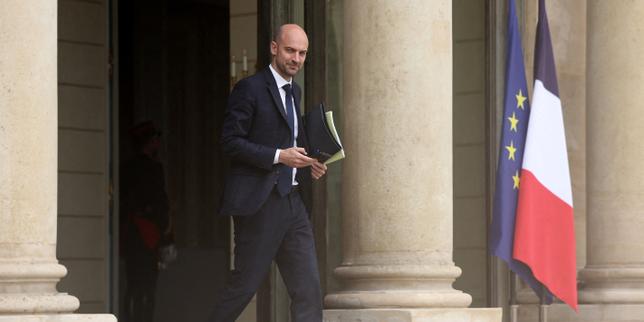
France sanctions Russian elite cyberespionage unit Turla France accused Russias Federal Security Service (FSB) of a series of cyberattacks targeting French ministries and a research institute working on sensitive subjects. The Russian ambassador to France will be summoned in the coming days.
le monde · about 6 hours ago

The Next Phase in Ukraines War With Russia: The Battle for Minds Ukrainians, already drone innovators, are turning their focus to psychological operations aimed at undercutting Russian support for the war.
new york times · about 6 hours ago
EU-UK sanctions target Russia over Europe-wide vast cyber campaign Poland foiled an attempted cyberattack on energy infrastructure that could have left up to half a million consumers without heating during Polands bitter winter.
euronews · about 6 hours ago
Russian lawsuit against Baltic states tied to security service-linked figures - The Baltic Times VILNIUS - Moscows plans to sue the Baltic states at the International Court of Justice over alleged violations of Russian rights are being ......
baltic times · about 6 hours ago
EU chief diplomat reveals status of 21st Russia sanctions package The EU Council will consider a sanctions list of 250 Russian individuals and companies on 13 July; the 21st sanctions package is still being negotiated.
ukrpravda · about 6 hours ago
Russians set up drone crews and weapons depots at Zaporizhzhia Nuclear Power Plant The Russians have positioned drones and weapons depots at the ZNPP, mined the facility and created safety risks.
ukrpravda · about 6 hours ago
Bulgaria confirms Russian Patriarch Kirill removed from EUs 21st Russia sanctions package Bulgarian Foreign Minister Velislava Petrova has said that the names of Russian Orthodox Church Patriarch Kirill and Lukoil founder Vagit Alekperov have been removed from the draft of the 21st EU package of sanctions against Russia, allowing Bulgaria to fully support the package.
ukrpravda · about 6 hours ago
Woman killed in Russian strike on Kherson A woman has been killed as a result of a Russian air attack on Kherson on 13 July.
ukrpravda · about 6 hours ago
Russians attack petrol station in Kherson with drone, injuring three people Russian forces attacked a petrol station in the Dniprovskyi district of Kherson with a drone on the afternoon of 13 July, injuring three employees.
ukrpravda · about 6 hours ago
Debate: Russia: will the fuel crisis become a Kremlin crisis? Petrol and diesel are in short supply across Russia. Filling stations are either closed or dispensing limited quantities, and prices have soared. The shortages are the result of relentless attacks by Ukrainian drones on refineries across the country and in places as remote as Siberia. The Kremlin has responded with export bans and is now trying to import fuel. Commentators are divided over whether the crisis could destabilise the Putin regime.
eurotopics.net · about 6 hours ago

See How Ukraine Is Taking Out Russias Refineries Attacks by long-range drones have unleashed a fuel crisis in Russia and won rare praise for Ukraine from President Trump.
wsj · about 6 hours ago

Russian Cyberattacks Stretching Back 15 Years Prompt European Sanctions Moscow is accused of a vast campaign of cyberattacks targeting governments and critical infrastructure across the continent.
wsj · about 6 hours ago
4 Killed in Ukrainian Drone Attacks Across Russia Military and regional authorities said Russian air defense units downed hundreds of drones between Sunday night and Monday morning.
themoscowtimes · about 6 hours ago
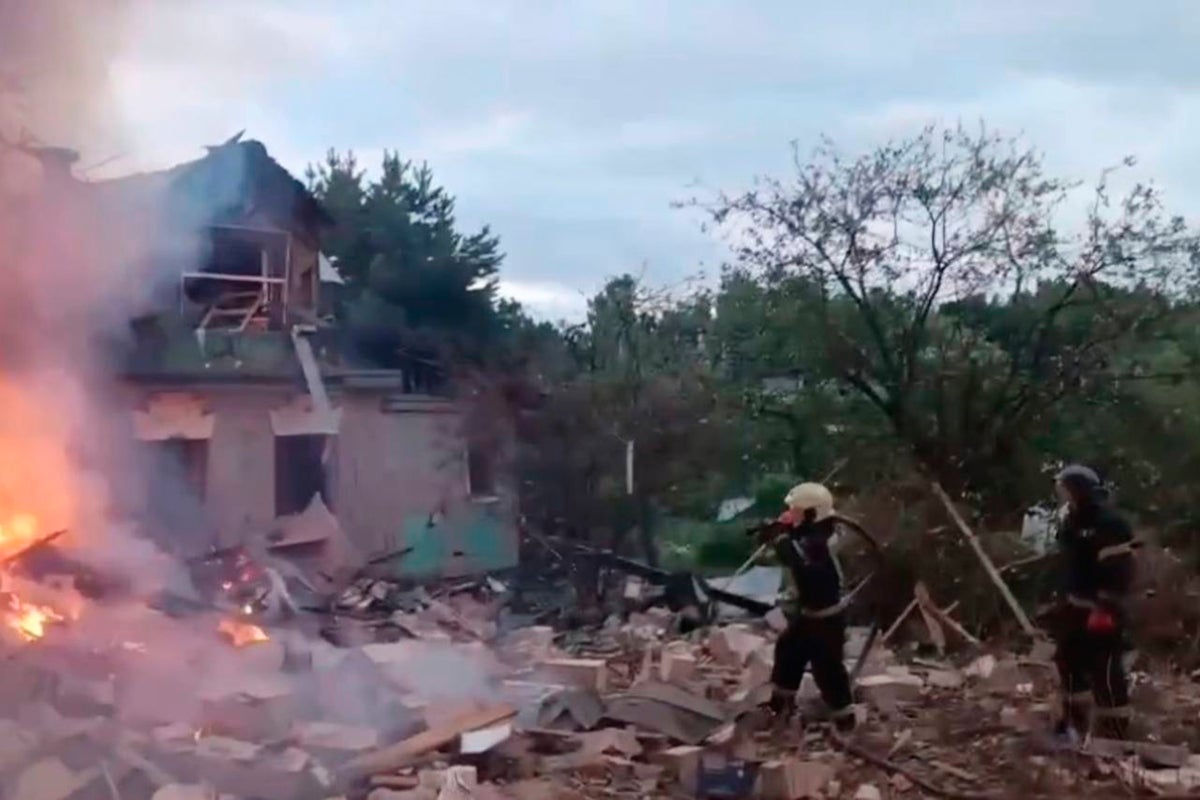
Ukraine-Russia war latest: Kyiv bombs 15 more Russian ships on key trade route Ukraines attack also targeted Russian tankers and ferries near the Sea of Azov
independent · about 6 hours ago
Ukraines drone swarms test Moscow air defences Kyiv intensifies deep-strike campaign against Russia after attacks on refineries sparked fuel crisis
financial times · about 6 hours ago
Video shows civilians taking cover during Russian strike on Sumy Four people were injured after a Russian strike hit Odesa on 13 July 2026, according to Ukraines State Emergency Service.
euronews · about 6 hours ago
EU foreign ministers weigh 250 new Russia sanctions listings EU foreign policy chief Kaja Kallas said the blocs top diplomats will consider 250 new sanctions listings against Moscow and prepare groundwork for a 21st package, while also addressing civilian detentions in occupied territories and Black Sea security.
yenisafak · about 6 hours ago
Russia, Ukraine exchange overnight drone strikes killing six At least six people died and 22 were wounded as Moscow and Kyiv traded massive overnight drone barrages across border regions, with Ukrainian President Volodymyr Zelenskyy accusing Russian forces of striking civilian buses and apartment buildings while Moscow claimed its air defenses intercepted hundreds of incoming unmanned aircraft.
yenisafak · about 6 hours ago
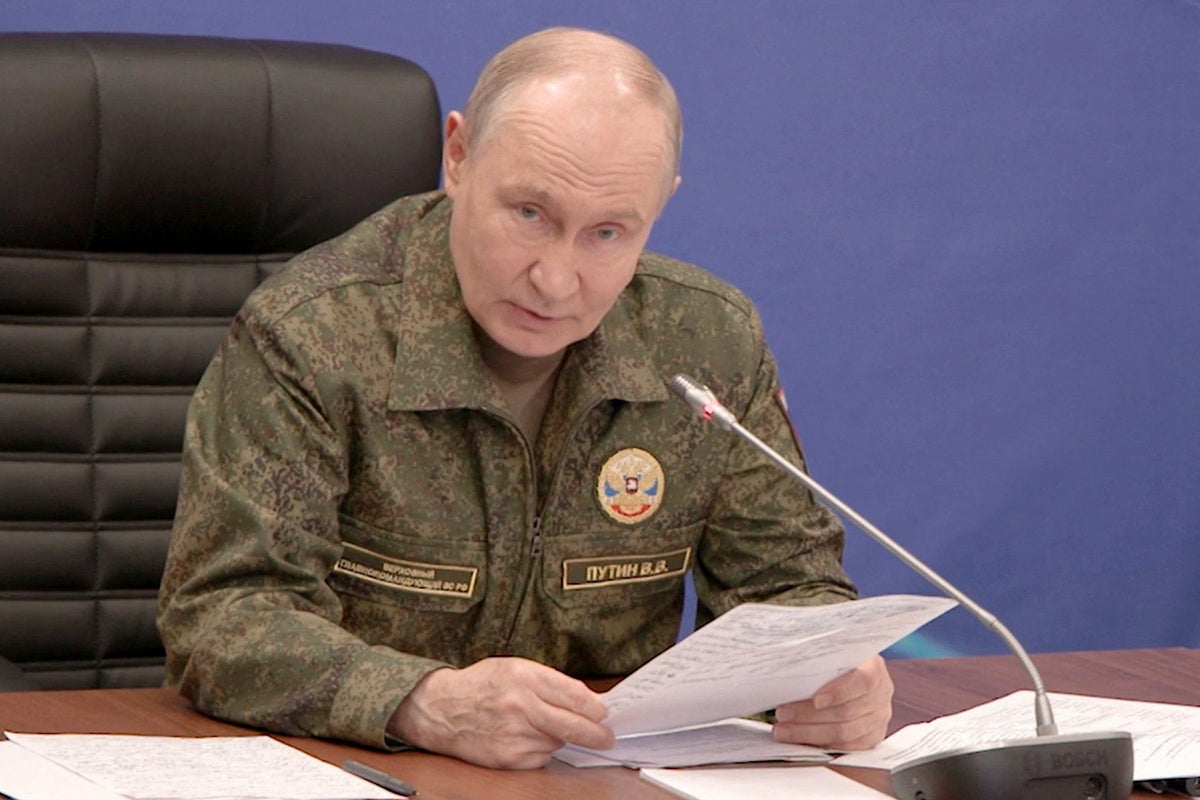
Putin will never make peace in Ukraine – Heres the reason why Despite four grinding years and Ukraine now successfully smashing Russias energy infrastructure, Vladimir Putin has no interest in trying to end the war for one key reason, Bill Browder tells Sam Kiley on the World of Trouble podcast
independent · about 6 hours ago
EU to sanction 250 Russian individuals and entities EU countries do not yet agree on the 21st sanctions package against Russia. However, EU Foreign Policy Chief Kaja Kallas hopes they will agree on Monday to add 250 individuals and entities to the sanctions list, making it the largest single addition so far. Danish Foreign Minister Lars Løkke Rasmussen expects the package to be […]
cphpost · about 6 hours ago
EU and UK blame Russia for cyberattacks in Europe The Russian state and Russian cyber networks are behind cyberattacks, election interference, and the spread of anti-Ukrainian narratives in Europe, according to the EU Commission and the UK. Consequently, new sanctions will be imposed on these cyber networks. The EU and the UK attribute a failed attack on the Polish power grid, which could have […]
cphpost · about 6 hours ago
UK, EU impose joint sanctions on Russia-linked cyber networks
gdeltproject.org · about 6 hours ago
UK and EU Sanction Russia Over Cyberattacks
gdeltproject.org · about 6 hours ago
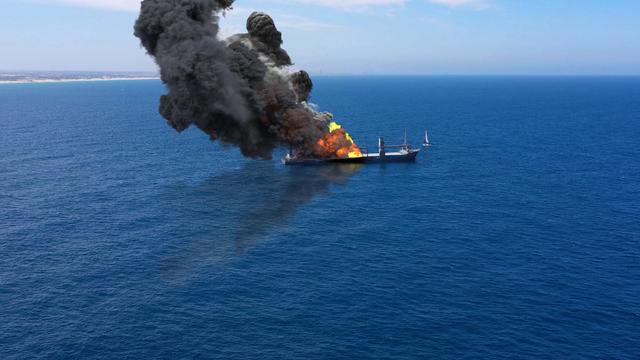
KYIV POST: Russian Attack Kills 3 on Togo-Flagged Merchant Ship Near Odesa Ukrainian authorities said a Russian attack on Monday started a fire aboard a Togo-flagged vessel as it was unloading fertilizers in the Odesa region, killing three and injuring five crew members of unspecified nationalities. #Ukraine
mastodon bot · about 6 hours ago
EU exposes multi-year Russian cyber campaign, imposes sanctions on those responsible for attacks The European Union has exposed and condemned malicious Russian cyber activity that has targeted EU member states for many years.
ukrpravda · about 6 hours ago