 Monday, May 18Monday, May 18
Hungary’s ruling party, Fidesz, has lost power following the departure of Prime Minister Viktor Orbán, marking a significant shift in the country’s political landscape. Péter Magyar, the incoming prime minister, plans a "regime-change celebration" to commemorate Orbán’s exit, signaling a break from the previous administration . The transition has sparked both celebration and controversy, with Hungary experiencing what has been described as a "democratic spring" ahead of Magyar’s inauguration. Oligarchs closely tied to Orbán’s regime are now facing investigations, reflecting broader efforts to dismantle the former government’s influence .
The fall of Fidesz has also had regional repercussions, particularly in Serbia, where a Hungarian-affiliated party loyal to both Orbán and Serbian President Aleksandar Vučić now faces an uncertain future. The party’s alignment with Fidesz had previously reinforced its political standing, but Orbán’s departure threatens its stability .
In Poland, the institutional crisis continues to disrupt state operations, though direct connections to Hungary’s Fidesz or the broader "19_hungary_fidesz_hungarian_poland" topic remain limited in the provided articles. The focus remains on Hungary’s internal political transformation and its immediate regional impact.

Moment of Reckoning for Hungarian Party in Serbia After Orbans Fall The fall from power of Hungarys ruling Fidesz party threatens its satellite in Serbia, which was not only loyal to Viktor Orban, but also to Serbian President Aleksandar Vucic.
balkaninsight · 10 days ago

Democracy Digest: Hungarys Luxury Elites Try to Outrun the Reckoning Elsewhere, Polands institutional crisis continues to disrupt workings of state; a Congress of Sudeten Germans set to take place in Czechia prompts protests; and Slovak judges issue warning over political attacks on judicial independence.
balkaninsight · 10 days ago

Hungary incoming prime minister plans a regime - change celebration to mark Orbán departure – Winnipeg Free Press
gdelt bot · 10 days ago
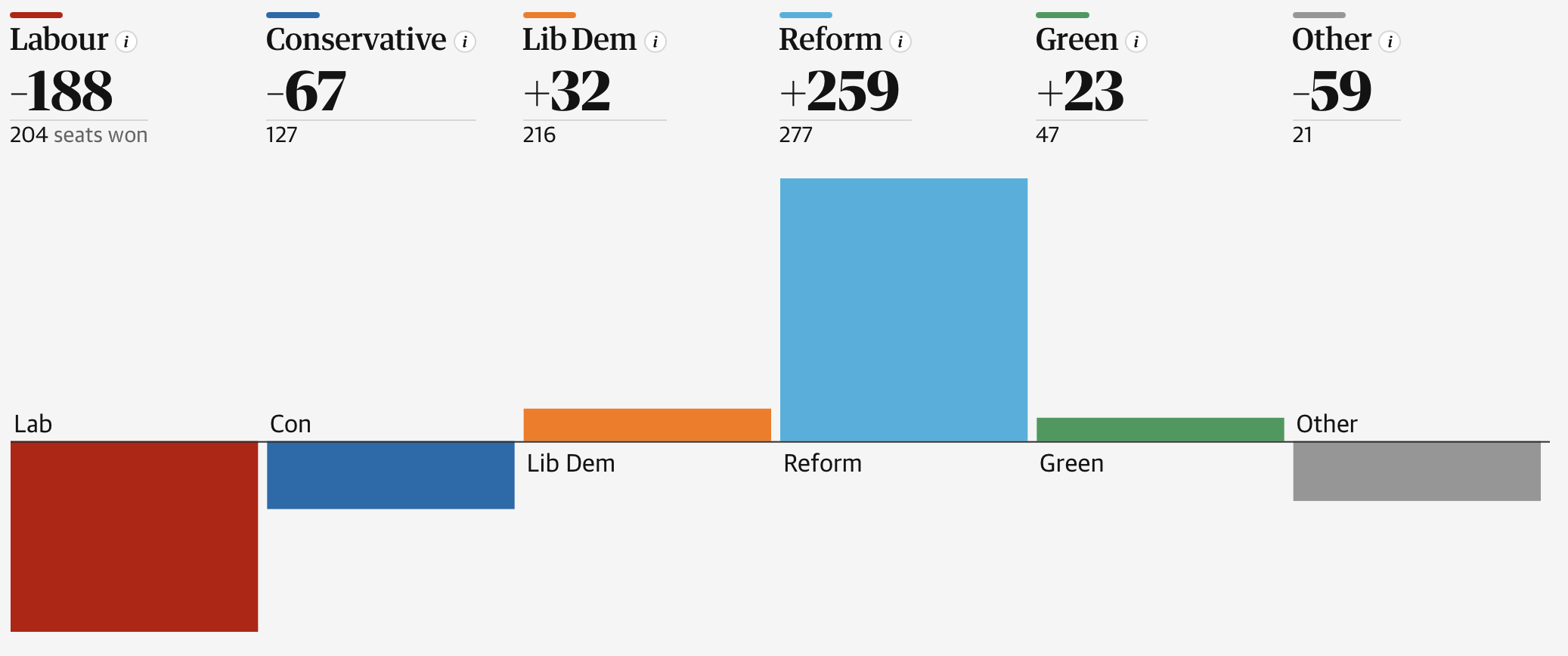
Although the data remains incomplete, the overall trend appears clear: Far-Right, separatist, nationalist, and similar ideologies are gaining traction in many countries.#europe must act swiftly to strengthen the union as a federation and ensure that leaving becomes virtually impossible, even if a problematic leader comes to power.#UK #elections #reform
mastodon bot · 10 days ago

Hungary Prepares For End Of Orbán Era Amid Celebration And Controversy ( Worthy News In - Depth )
gdelt bot · 10 days ago

Hungary experiences a democratic spring on the eve of Péter Magyars inauguration The defeat of outgoing prime minister Viktor Orban, who is set to hand over the reins of government to Péter Magyar on Saturday, is bringing a wave of change to the country. Oligarchs close to the former regime are now facing a surge of investigations.
le monde · 10 days ago

A right-wing #Luxembourgish politician Fernand #Kartheiser is leading a drive to recruit fellow members of the European Parliament to travel to Russia, according to a letter seen by POLITICO. #Russia #EU
mastodon bot · 10 days ago

Germanys Alternative for Germany (AfD) is on track to become the strongest party in an eastern state election in September, a poll showed on Thursday, raising the prospect of the far-right party leading a regional government for the first time. #Russia #EU #Germany #AfD
mastodon bot · 10 days ago
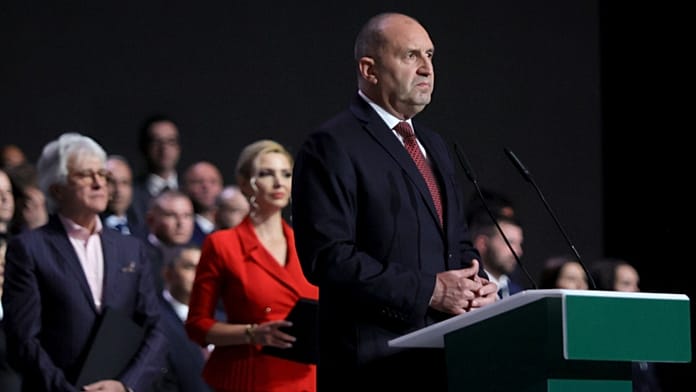
EU critic Rumen Radev named new Bulgarian prime minister Radev won the first outright parliamentary majority in Bulgarian elections since 1997 last month on promises to fight corruption.
euronews · 10 days ago

News digest: The coalitions most awkward construction site Fico met Bavarias leadership after requesting the talks, MPs left for a two-week break, and Slovakia entered ecological debt day.
spectator.sme.sk · 10 days ago

Bulgaria: The Full Cabinet of Prime Minister Rumen Radev
gdeltproject.org · 10 days ago
Katya Adler: What will happen if the far right wins the EU elections?
gdeltproject.org · 10 days ago