 Sunday, June 7Sunday, June 7
FIFA has performed a U-turn on stadium safety rules just one week before the 2026 World Cup kicks off, banning spectators from bringing any reusable water bottles—empty or full—into stadiums across the United States, Canada and Mexico. The decision, announced on Wednesday, overrides earlier guidance that had permitted empty, transparent plastic bottles and cites “security concerns” as the reason for the abrupt change.
The new World Cup Stadium Code of Conduct now prohibits bottles, cups, jars and cans of any kind from entering venues, a measure intended to prevent objects being thrown and to reduce injury risks to players and fans alike. FIFA had previously allowed empty reusable bottles, a policy welcomed by supporters concerned about extreme heat during matches in June and July. The governing body’s volte-face has left fans facing mandatory on-site purchases of water at inflated stadium prices, despite temperatures forecast to exceed 35°C in several host cities.
Security experts and tournament organisers had already equipped every 2026 World Cup stadium with anti-drone systems, the U.S. Department of Homeland Security confirmed on Wednesday. Yet Markwayne Mullin, the U.S. Under Secretary for Homeland Security, admitted that authorities remain “slightly behind” in fully countering drone threats, even as stadiums prepare to host up to 90,000 spectators. The admission underscores the complex security landscape facing the tournament, which begins on 11 June.
In Mexico City, tensions rose on Wednesday when protesting teachers toppled life-size statues of World Cup players in a demonstration over pay and education reforms. The incident has raised fears of further unrest ahead of the tournament’s opening match, which will be played in the Mexican capital. FIFA has not commented on the political backdrop, focusing instead on operational readiness.
Supporters’ groups have already voiced frustration at the water-bottle ban, with Finnish outlet *Helsingin Sanomat* predicting widespread anger among fans facing soaring concession prices. The prohibition applies to all stadiums, regardless of local climate, and takes effect immediately. FIFA’s communications team did not respond to requests for clarification on whether exceptions will be made for medical or infant needs.
With kick-off less than ten days away, organisers are racing to finalise security protocols, merchandise logistics and fan services under revised rules that many spectators will view as punitive rather than protective.

Schutz in Schwimmbädern: Potsdam soll smarte Brillen mit Kameras in Bädern verbieten
die zeit · 3 days ago
World Cup player statues toppled during protest in Mexico City Teachers in Mexico City toppled football statues during protests over pay and reforms, raising tensions ahead of the World Cup opening next month.
euronews · 3 days ago
CM 2026: Microbiștii nu vor putea intra cu sticle de apă pe stadioane. Ce prevede codul de conduită al FIFA Sticlele de apă reutilizabile aduse de suporteri nu vor fi permise pe stadioanele Cupei Mondiale, care începe pe 11 iunie, a anunţat, miercuri, Federaţia Internaţională de Fotbal (FIFA), invocând o măsură de securitate care va impune totuşi fanilor să cumpere apă din incinta stadionului.
digi24 · 3 days ago
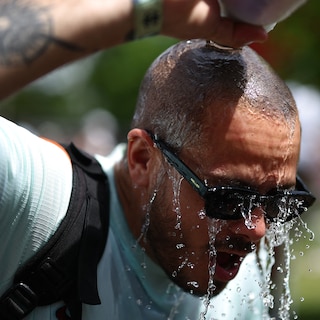
Fans mogen toch geen eigen waterflessen meenemen naar bloedhete stadions
de volkskrant · 3 days ago

Trotz Hitze: FIFA verbietet Fans, leere Wasserflaschen mit ins Stadion zu nehmen Der Fußball-Weltverband hatte zuletzt noch Gegenteiliges angekündigt. Als Grund nennt die FIFA Sicherheitsbedenken
der standard · 3 days ago
Jalkapallon MM-kisat | Fifa kielsi katsojilta omat juomapullot The Athletic arvelee, että vesipullojen kieltäminen saattaa suututtaa katsojat.
helsingin sanomat · 3 days ago
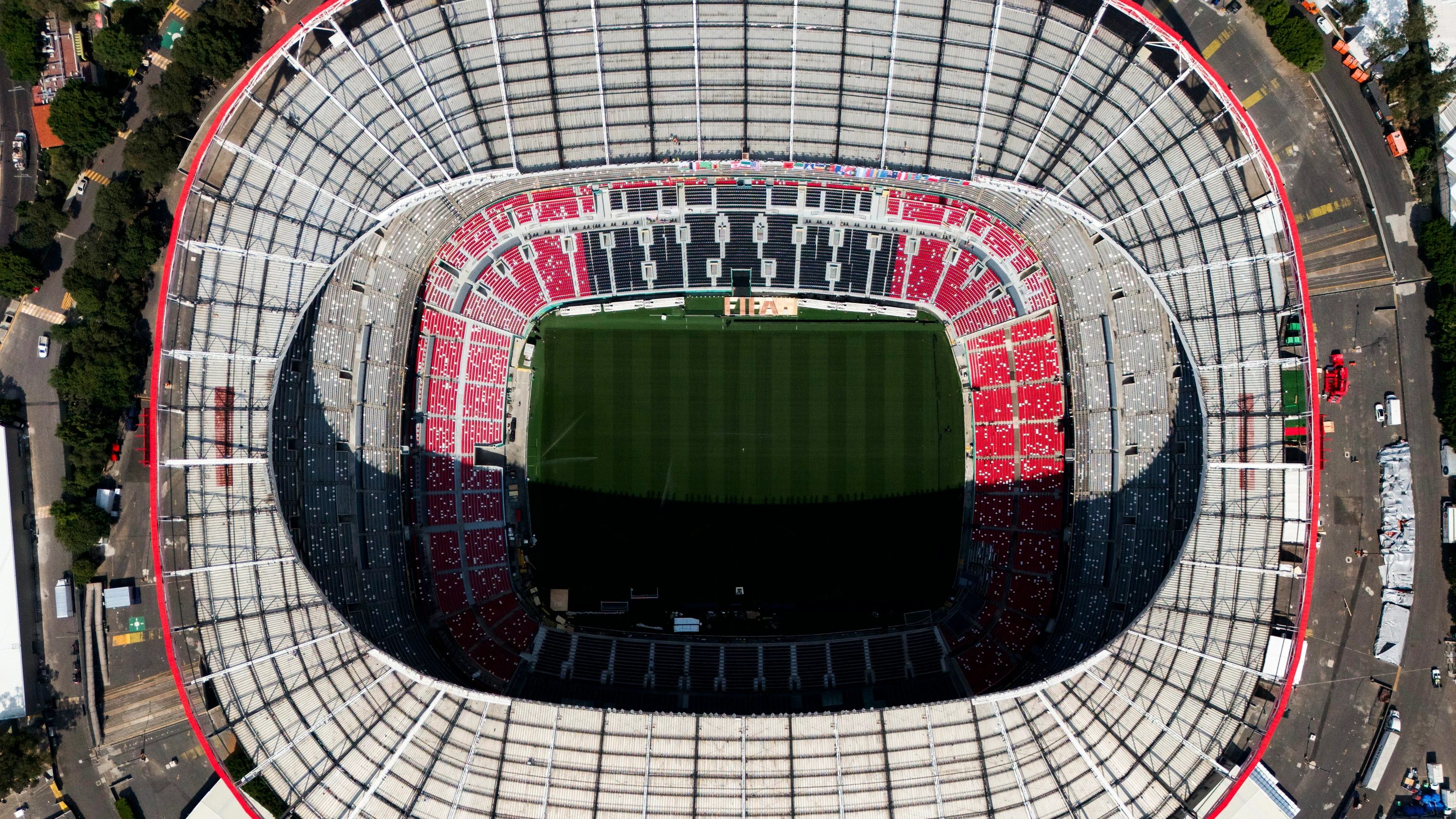
Liveblog Fußball-WM 2026: FIFA verbietet Fans, leere Flaschen mit ins Stadion zu bringen Liveblog zur FIFA Fußball-Weltmeisterschaft 2026 vom 11.06. bis 19.07.2026 in den USA, Kanada und Mexiko | FAZ
faz · 3 days ago

Fifa bans fans from taking reusable water bottles into World Cup stadiums after U-turn Move prevents risk and injury to players and attendeesFans concerned about heat and access to drinking waterSpectators will not be allowed to carry reusable water bottles into World Cup venues owing to safety concerns, Fifa has said, after a last-minute change to its stadium code of conduct.The governing body had earlier permitted empty, transparent, reusable plastic bottles inside stadiums but said the updated code prohibited that. Other items such as bottles, cups, jars and cans are also banned to prevent the risk of injury if thrown. Continue reading...
theguardian · 3 days ago
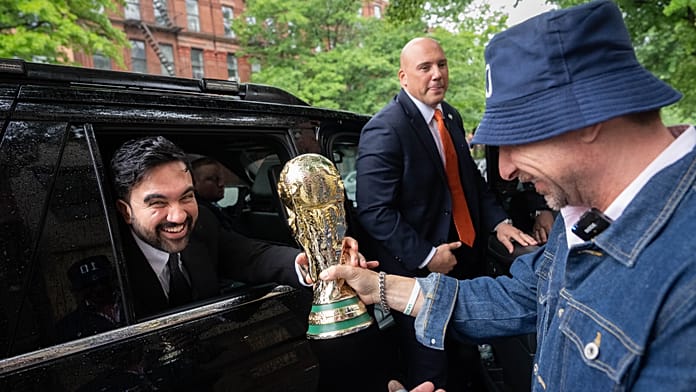
New York mayor Mamdani and Bastian Schweinsteiger unveil World Cup trophy New York Mayor Zohran Mamdani and former Germany captain Bastian Schweinsteiger welcomed the World Cup trophy to New York as part of FIFAs official Trophy Tour ahead of the 2026 tournament.
euronews · 3 days ago
CM 2026: SUA au echipat toate stadioanele cu sisteme antidronă, dar recunosc că nu sunt pregătite pe deplin Secretarul pentru Securitate Internă, Markwayne Mullin, a declarat că autoritățile sunt încă „puțin în urmă în combaterea amenințărilor reprezentate de drone, deși toate stadioanele Cupei Mondiale din 2026 au fost echipate cu sisteme antidronă.
digi24 · 3 days ago