 Saturday, June 13Saturday, June 13
The Swedish government on Thursday abandoned its controversial proposal to allow 13-year-olds to be sentenced to prison, bowing to last-minute resistance from liberal lawmakers who threatened to scuttle the reform. Justice Minister Gunnar Strömmer confirmed the retreat in a press conference, announcing that the cabinet will instead propose lowering the age of criminal responsibility to 14. “The government has listened to the debate and adjusted its proposal accordingly,” Strömmer said. The climb-down marks a rare setback for Prime Minister Ulf Kristersson’s centre-right coalition and follows days of intense lobbying by liberal MPs who argued the original plan risked undermining Sweden’s reputation for progressive justice policies .
The reversal comes just weeks after the justice ministry circulated draft legislation that would have permitted courts to sentence children as young as 13 to detention for serious crimes. The proposal sparked a backlash across the political spectrum, with the liberal Centre Party and the Christian Democrats both warning that it would erode trust in the justice system. “This was a prestige issue for the government, and they have now suffered a clear defeat,” political reporter Anette Holmqvist told *Expressen*’s *Politikrummet* podcast .
The government’s retreat also reflects broader unease within its own ranks. Several liberal MPs had privately signalled they would vote against the reform if it reached the floor of parliament, forcing the justice ministry to rethink its approach. “The signals were clear: this bill would not pass,” one senior government source told *Svenska Dagbladet* .
The revised proposal, which will now be submitted for parliamentary scrutiny, is expected to face less opposition but still requires cross-party support to pass. The Centre Party, which has long advocated for raising the age of criminal responsibility, welcomed the government’s U-turn. “We have argued for years that 13 is too young,” Centre Party leader Muharrem Demirok told reporters. “We will now scrutinise the new proposal carefully to ensure it aligns with our principles.”
The government’s reversal also raises questions about the future of its broader justice agenda. The original plan was part of a wider package of reforms aimed at toughening penalties for juvenile offenders, including longer pre-trial detention and mandatory rehabilitation programmes. Justice officials have not indicated whether these measures will be scaled back in light of Thursday’s decision.
Political analysts suggest the government’s setback could embolden opposition parties ahead of next year’s general election. “This sends a signal that the government is not invincible,” said political scientist Jenny Madestam at Stockholm University. “It shows that even on flagship issues, they can be forced to back down.”
The government now faces the challenge of rebuilding consensus while maintaining its tough-on-crime credentials. Justice Minister Strömmer insisted that the revised proposal would still deliver on the government’s promise to protect society. “We are lowering the age to 14 because we believe it strikes the right balance between accountability and rehabilitation,” he said. The proposal will be debated in parliament next month.

Eugen Tomac atacă PNL în prima sa ieșire după decizia liberalilor. „Nu avem nevoie de lecții Premierul Eugen Tomac a reacționat printr-un mesaj video postat pe Facebook după anunțul conducerii PNL potrivit căruia liberalii nu vor vota pentru învestirea guvernului tehnocrat. Tomac le transmite liberalilor că nu are nevoie de lecții și că va își va continua demersurile pentru instalarea noului guvern. „Am înțeles mesajul PNL și îl respect. Ați hotărât …
hotnews.ro · 1 day ago
PNL nu susține Guvernul Tomac. Vot în unanimitate în ședința BPN Conducerea PNL s-a reunit joi, la ora 10:00, în şedinţa Biroului Politic Naţional, pentru a decide dacă va susţine sau nu Guvernul Eugen Tomac. La discuţii participă parlamentarii, primarii de municipii reşedinţă de judeţ şi preşedinţii de Consilii Judeţene care nu sunt membri ai BPN.
digi24 · 1 day ago
Tomac trimite azi partidelor politice programul de guvernare și cere noi consultări. „Suntem dispuşi să discutăm fiecare nume propus Premierul desemnat Eugen Tomac declarat joi că va transmite partidelor politice, în cursul zilei, programul de guvernare pe care îl va propune spre validare în Parlament şi va solicita noi consultări cu acestea. El se arată în continuare dispus să discute fiecare nume propus pentru viitorul Cabinet, dacă partidele doresc acest lucru.
digi24 · 1 day ago
Reacția PSD după ce Ilie Bolojan a anunțat că PNL nu susține Guvernul Tomac Partidul Social Democrat (PSD) a lansat un atac la adresa premierului în exercițiu Ilie Bolojan, după ce acesta a anunțat că Partidul Național Liberal (PNL) a decis să nu susțină Guvernul Tomac. Într-o postare pe Facebook, PSD afirmă că Bolojan, premier demis, blochează România pentru că a pierdut puterea.
digi24 · 1 day ago
Prima „dezertare din Guvernul propus de Tomac, înainte să ajungă la vot: Adrian Papahagi nu mai vrea la Cultură Adrian Papahagi a anunțat că face un pas în spate, din cauza „contextului politic. Acesta era pe lista lui Eugen Tomac să preia Ministerul Culturii și susține că a acceptat inițial nominalizarea crezând că va exista o majoritate perlamentară care să voteze viitorul Cabinet.
digi24 · 1 day ago
Guvernul Suediei va propune ca vârsta răspunderii penale să fie redusă la 14 ani Guvernul de centru-dreapta al Suediei va renunța la controversatul său plan de a reduce vârsta răspunderii penale de la 15 ani, cât este în prezent, la 13 ani, a anunțat joi Executivul, citat de Reuters.
digi24 · 1 day ago
Șanse tot mai mici pentru Guvernul Tomac. Ce strategii își fac partidele: PNL ia în calcul Guvern cu USR și UDMR (surse) Eugen Tomac nici nu a ajuns la vot în Parlament, că partidele deja își fac scenarii de rezervă. PNL se gândește la varianta unui Guvern minoritar cu USR și UDMR, dacă se va ajunge la o nouă rundă de consultări cu șeful statului. Social-democrații încă speră la un sprijin mai larg pentru Cabinetul Tomac și își pun bazele în formațiunea lui Kelemen Hunor. Pentru că nu își doresc să fie totuși singurii care să îl susțină, au planul B pregătit.
digi24 · 1 day ago
Ședințe la USR: conducerea ia pulsul liderilor din teritoriu privind Guvernul Tomac. Cei mai mulți cer să nu voteze (surse) Conducerea USR o lansat o consultare a tuturor filialelor din țară, înainte să decidă poziția oficială a partidului față de Guvernul propus de Eugen Tomac. Potrivit informațiilor Digi24.ro, majoritatea liderilor au cerut, până acum, să nu voteze Cabinetul. Decizia finală va fi luată vineri.
digi24 · 1 day ago
Eugen Tomac: Am înțeles mesajul PNL și îl respect. Mergeți în opoziție. Dar renunțați la demagogie Premierul desemnat Eugen Tomac a transmis, joi, după anunțul PNL, care a spus că nu va vota guvernul condus de Eugen Tomac, că a înțeles mesajul și îl respectă. „Dar renunțați la demagogie, a mai spus consilierul onorific al președintelui Nicușor Dan.
digi24 · 1 day ago
Hausse du Smic de 20 , police de proximité… Matthieu Pigasse se dit «prêt» à se présenter à la présidentielle 2027 si la gauche a besoin de lui Le banquier daffaires et patron de Radio Nova (entre autres) de 58 ans se voit en leader dune «gauche radicale de gouvernement». Entre Raphaël Glucksmann dont il juge la ligne trop centriste et la France insoumise dont il se distingue sur lEurope et le nucléaire.
liberation · 1 day ago
Ponta, atac fără menajamente după retragerea lui Papahagi din guvernul lui Tomac. „Șobolanul a fugit înainte să intre apa în corabie! Victor Ponta a reacționat imediat după ce Adrian Papahagi a anunțat că nu mai dorește să preia portofoliul Culturii în guvernul propus de Eugen Tomac, cu un mesaj extrem de dur şi lipsit de diplomaţie la adresa acestuia.
adevarul · 1 day ago
Reacția lui Tomac după ce PNL a decis să nu susțină un executiv condus de acesta: „Nu avem nevoie de lecții de la nimeni Premierul desemnat Eugen Tomac a reacționat, joi, după ce Partidul Național Liberal a hotărât, în unanimitate, că nu va susține un Executiv condus de acesta.
adevarul · 1 day ago
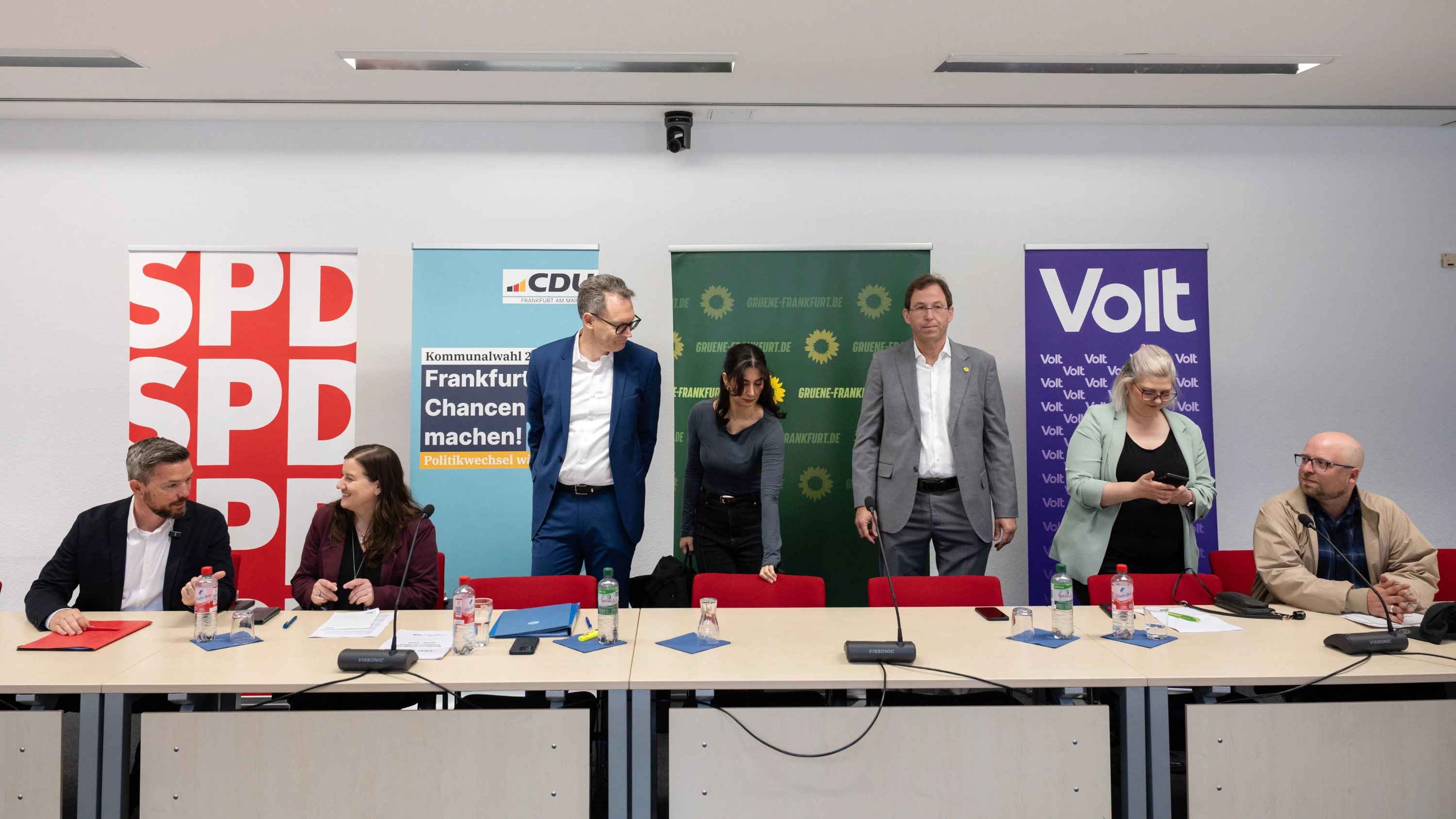
frankfurter Stadtregierung: Parteien bilden „Koalition der Vernunft Der neue Koalitionsvertrag von CDU, Grünen, SPD und Volt in Frankfurt sieht unter anderem eine Senkung der Grundsteuer und ein kommunales Wohngeld vor. Über die Finanzierung wird noch gesprochen.
faz · 1 day ago
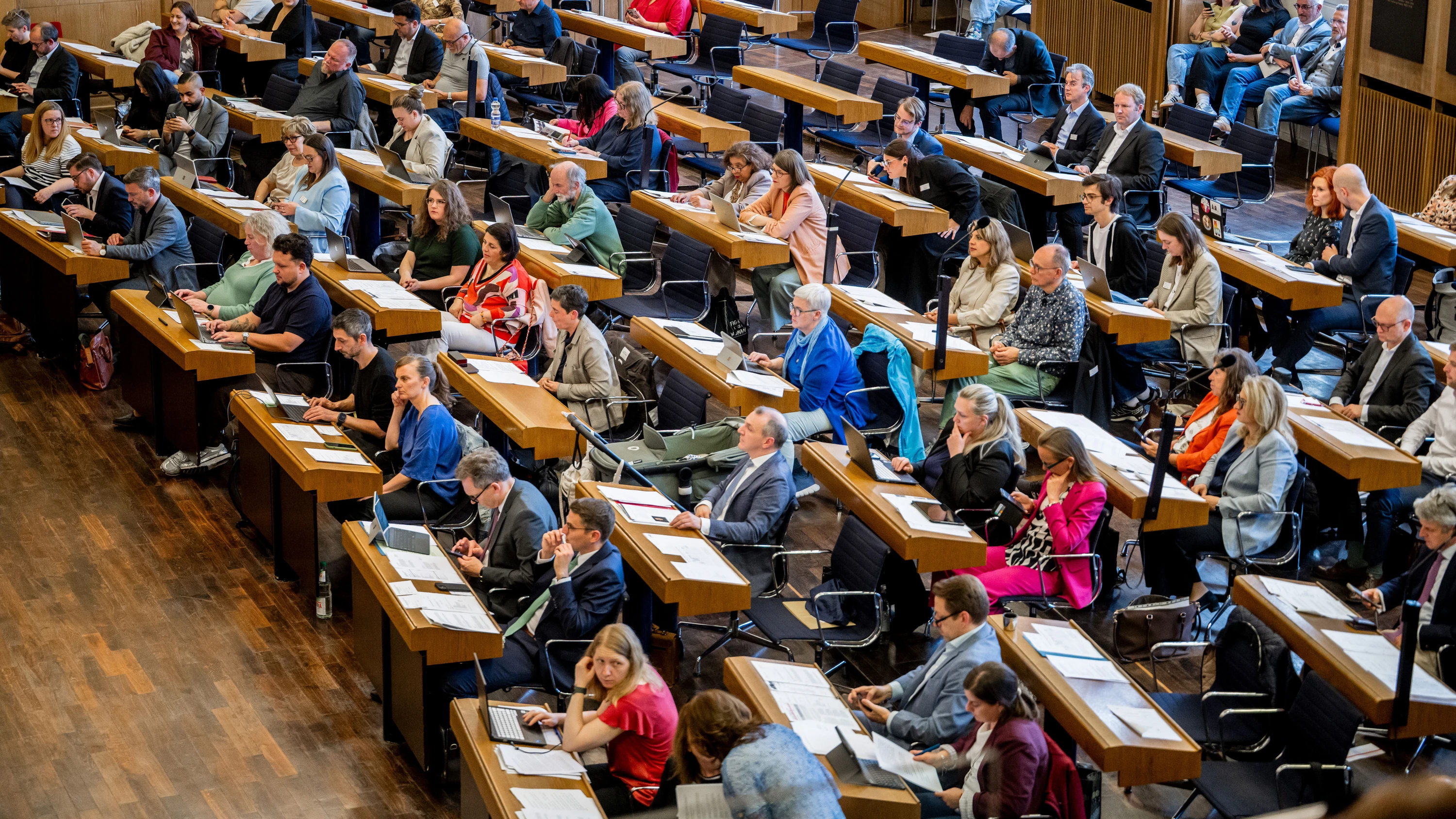
Rhein-Main-Feierabendbriefing: Was von der Politik in Frankfurt zu erwarten ist Die Frankfurter Parteien haben sich auf eine Koalition geeinigt, in Gießen wird weiter über Alkohol gestritten und die Michelin-Sterne winken. Der F.A.Z.-Podcast Rhein-Main Feierabend-Briefing informiert über die Themen der Region.
faz · 1 day ago
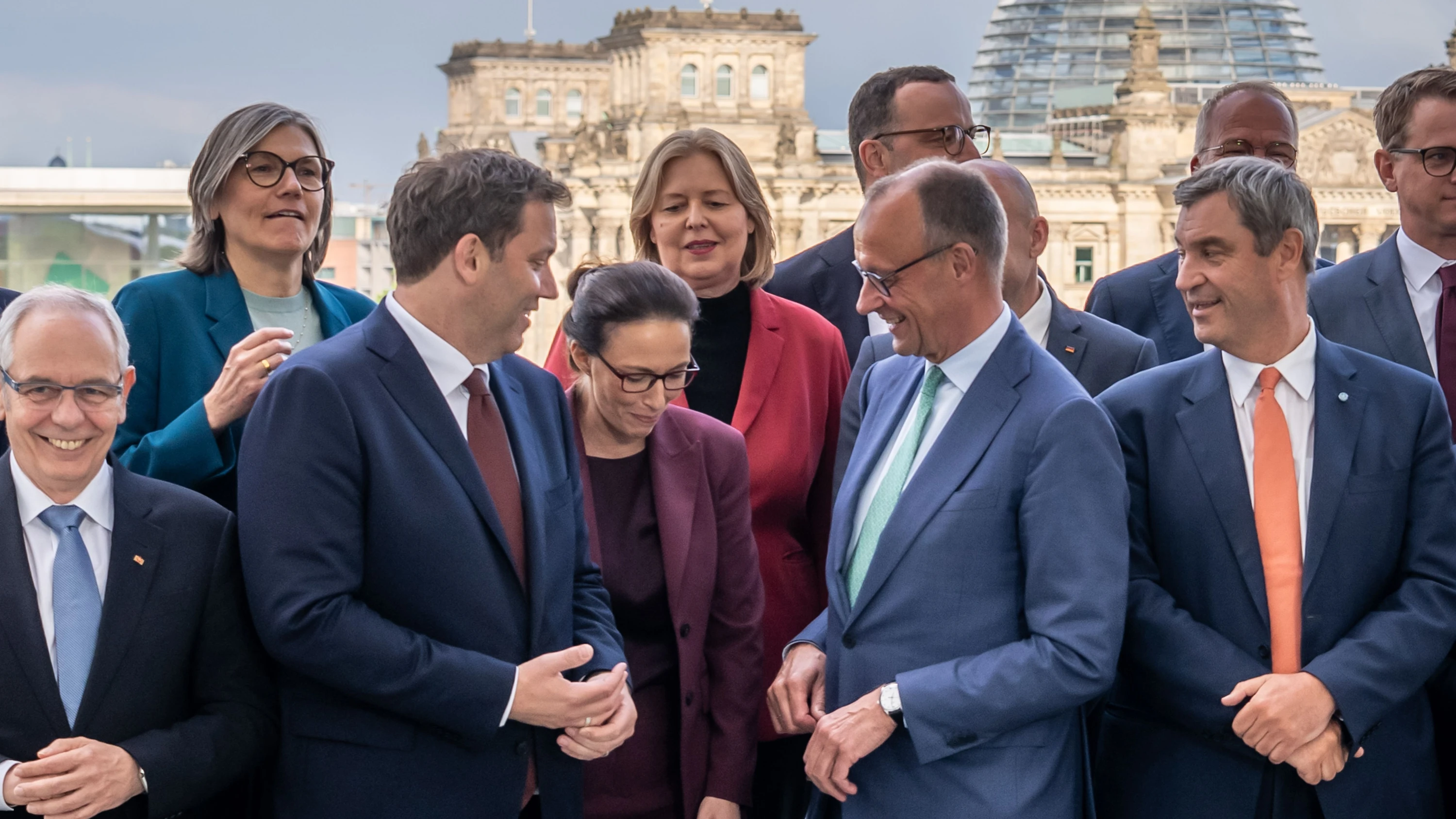
Gipfel mit Sozialpartnern: Annäherung in größter Not Wenn die Angriffe aufeinander ausbleiben, deutet das auf den Ernst der Lage hin. Das zeigte sich rund um das Treffen der Koalition mit Gewerkschaften und Arbeitgebern.
faz · 1 day ago
LIA sinvite déjà dans la campagne présidentielle Gabriel Attal a profité de larrivée à lAssemblée dune proposition de loi sur le secteur de lintelligence artificielle pour se faire le relais des mastodontes de la tech. Anthony Lattier discute dans Playbook Paris de lirruption de lIA dans la campagne présidentielle avec Océane Herrero, journaliste au service Tech de POLITICO.
politico.eu · 1 day ago

Le Vlaams Belang lâche des ballons à la Chambre et provoque la suspension de la séance plénière Le parti flamand dextrême droite voulait marquer les esprits par cette opération de communication contre le pacte européen de la migration, jugé trop laxiste par le VB et laissant libre cours au "grand remplacement". ...
la libre · 1 day ago
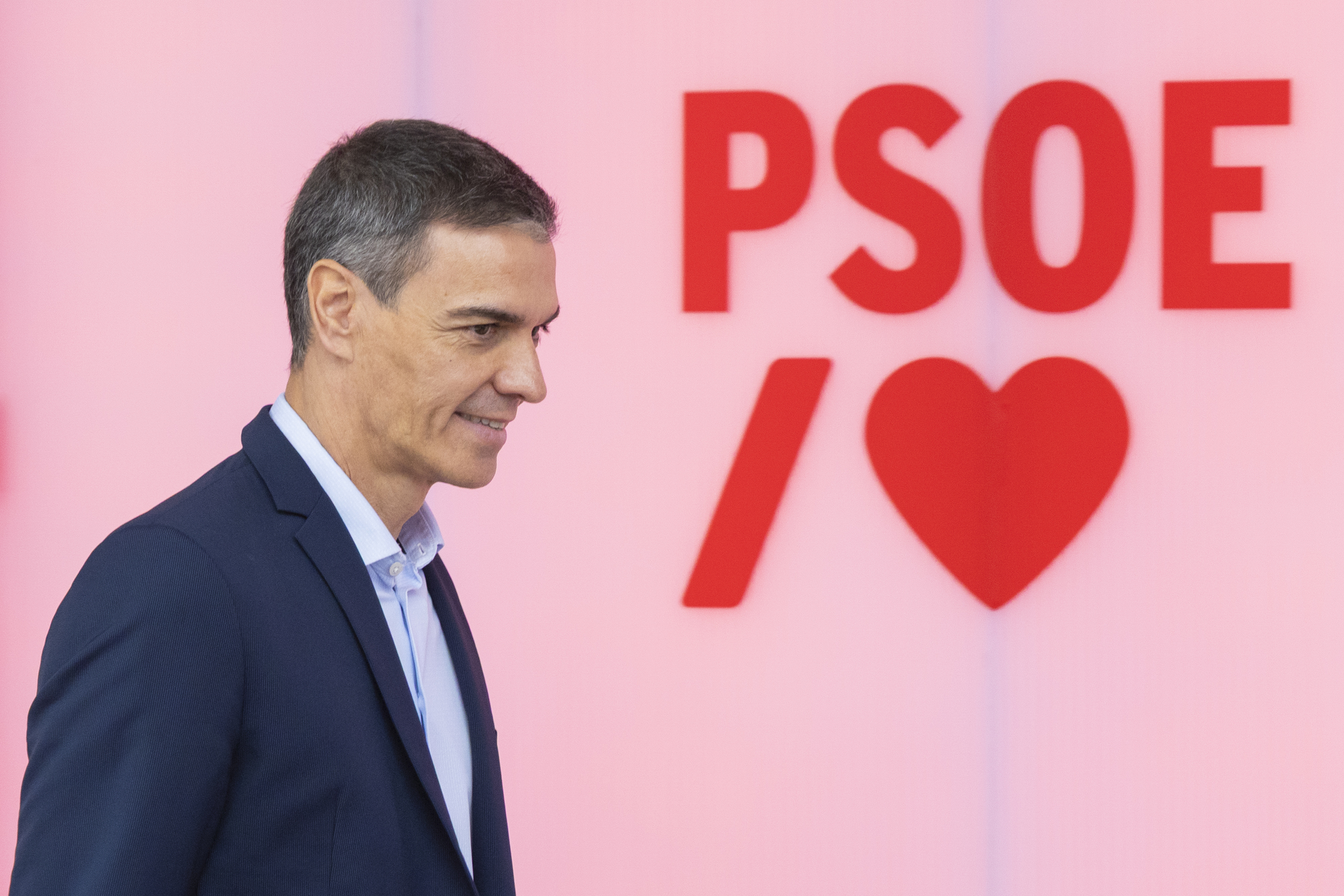
Barómetro del CIS: el PSOE ganaría las elecciones en junio pero recorta distancia con el PP El sondeo del CIS de junio recorta en más de siete puntos la distancia entre las dos grandes formaciones porlíticas, PSOE y PP: los socialistas pierden casi cinco puntos en un mes trs la publicación de los "casos Zapatero y Leire Díez", al pasar del 36,2 de estimación de voto en mayo al 31,3 de junio, mientras que el PP avanza 2,2 puntos, del 24,9 al 27,1. Leer
expansion · 1 day ago
Laura Ravetto (Futuro Nazionale) contro Meloni: Questo governo ha tradito la fiducia degli elettori, smentite voi stessi Noi non votiamo la fiducia al governo, non per fare un favore alla sinistra, ma perché questo governo ha tradito la fiducia degli elettori ed è chi tradisce il programma del centrodestra con cui è stato votato che fa un favore alla sinistra. Così in Aula Laura Ravetto, deputata di Futuro Nazionale ex deputata leghista, […] Larticolo Laura Ravetto (Futuro Nazionale) contro Meloni: Questo governo ha tradito la fiducia degli elettori, smentite voi stessi proviene da Il Fatto Quotidiano.
il fatto quotidiano · 1 day ago
Polemiche sulle frasi di Silvestri (M5s): Meloni non si è mai rialzata, ha cambiato ginocchiere. Lei: Mancato rispetto delle donne Polemiche per la dichiarazione del deputato M5s Francesco Silvestri che, nel corso del dibattito dopo le comunicazioni di Giorgia Meloni in vista del Consiglio europeo, lha accusata di non aver raddrizzato la schiena nei confronti di Netanyahu e Trump, ma di aver semplicemente indossato delle ginocchiere per stare più comoda. A lui ha replicato direttamente […] Larticolo Polemiche sulle frasi di Silvestri (M5s): Meloni non si è mai rialzata, ha cambiato ginocchiere. Lei: Mancato rispetto delle donne proviene da Il Fatto Quotidiano.
il fatto quotidiano · 1 day ago
Vannacci fascista? È un complimento: allaperitivo per il generale cè il Barone nero Jonghi Lavarini. I sostenitori di Futuro nazionale: Meloni e Salvini hanno fallito Il mio cuore era per il Capitone. Sì, Matteo Salvini, proprio lui. Ma dopo lesperienza Draghi mi sono sentito tradito. Da lui e da tutta la destra. Io, per esempio, non mi sono mai vaccinato. Amedeo ha 26 anni, polo nera, eloquio rapido. È uno dei pochi sostenitori di Roberto Vannacci che si presenta alla […] Larticolo Vannacci fascista? È un complimento: allaperitivo per il generale cè il Barone nero Jonghi Lavarini. I sostenitori di Futuro nazionale: Meloni e Salvini hanno fallito proviene da Il Fatto Quotidiano.
il fatto quotidiano · 1 day ago
Stop alla riforma dei medici di base: a rischio uno degli interventi principali del governo post Covid (e la partenza delle Case di comunità) Alla fine la riforma della medicina generale è saltata. La misura voluta dal ministro della Salute, Orazio Schillaci, è stata attaccata da tutte le parti, e alla fine non ha retto. Le rimostranze dei sindacati dei medici di famiglia, sulle barricate perché non coinvolti dal ministro, hanno trovato terreno fertile tra le fila della maggioranza. […] Larticolo Stop alla riforma dei medici di base: a rischio uno degli interventi principali del governo post Covid (e la partenza delle Case di comunità) proviene da Il Fatto Quotidiano.
il fatto quotidiano · 1 day ago
Picierno lascia il Pd ma non si dimette da vicepresidente del parlamento Ue: un caso di (scarsa) etica politica di Sergio Ciliegi Che Pina Picierno fondi un movimento politico è una questione di natura politica sui cui non cè ragione di eccepire. Molto invece ritengo vi sia da eccepire, sotto il più rilevante profilo delletica politica, sul fatto che lei, diventata parlamentare europea con i voti di elettori del Pd e vicepresidente del Parlamento […] Larticolo Picierno lascia il Pd ma non si dimette da vicepresidente del parlamento Ue: un caso di (scarsa) etica politica proviene da Il Fatto Quotidiano.
il fatto quotidiano · 1 day ago
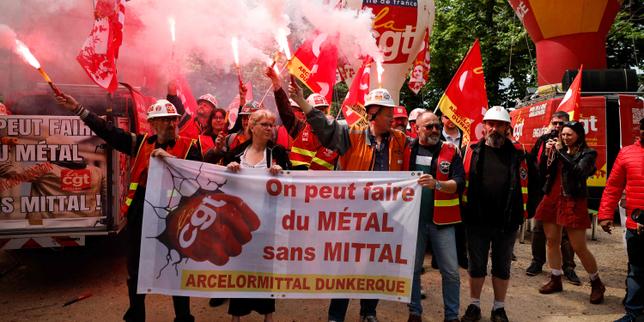
La nationalisation dArcelorMittal de nouveau votée par lAssemblée nationale Les députés ont voté, jeudi 11 juin, en deuxième lecture pour la nationalisation des activités françaises du numéro deux mondial de lacier. Soutenue par lensemble des partis de gauche, la proposition de loi a été rejetée par le gouvernement et la droite. Le RN, embarrassé, sest abstenu. Le texte doit être à nouveau examiné par le Sénat.
le monde · 1 day ago

„Die Regierung ist nicht bereit, Menschen im Land zu helfen – Heftige Kritik an Schwarz-Rot Kurz vor Beginn der Sommerferien wächst der Widerstand gegen das geplante Aus des Tankrabatts. Politiker von SPD, CDU und Linken fordern eine Verlängerung oder alternative Entlastungen für Autofahrer.
welt.de · 1 day ago