
Plague DNA found in 5,500-year-old skeletons rewrites human history

Researchers have uncovered evidence that the plague, caused by *Yersinia pestis*, was a deadly threat to early humans far earlier than previously believed, after isolating bacterial DNA from 5,500-year-old skeletal remains of Siberian hunter-gatherers. The discovery, reported on Sunday, 21 June 2026, pushes back the timeline of the plague’s lethal impact to the dawn of human civilization, challenging long-held assumptions about the disease’s historical reach.
Genetic analysis of the skeletal material, excavated from burial sites in Siberia, confirmed the presence of *Y. pestis* DNA, demonstrating that the bacterium was already circulating among human populations millennia before the first recorded pandemics. “We must accept what the data shows,” stated the research team, whose findings were published by Czech broadcaster iROZHLAS . The study suggests that the plague may have contributed to population declines or societal shifts in prehistoric communities, though the exact mechanisms of transmission and mortality rates remain subjects for further investigation.
The revelation comes as archaeologists also announced the discovery of a 5,000-year-old precursor to Stonehenge in the Netherlands, consisting of two wooden posts that may have been used to track solar movements. The find, reported by Dutch news outlet NU.nl, underscores the sophistication of Neolithic engineering and astronomical knowledge .
Meanwhile, in a separate but equally striking discovery, a 2,300-year-old Scythian boot, preserved in the frozen Altai Mountains, has been put on display at the State Hermitage Museum in St. Petersburg. The artifact, dating to the Iron Age, offers rare insight into the craftsmanship and nomadic lifestyle of the Scythians, a people whose influence stretched across modern-day Russia, Mongolia, China, and Kazakhstan .
In a parallel development, researchers have deciphered the ancient origins of the Euphrates River, tracing its formation to a pivotal role in the rise of early civilizations such as Uruk and Babylon. The river’s fertile basin, shared with the Tigris, served as one of humanity’s first cradles of agriculture and urbanization, according to findings published by the *Cyprus Mail* .
These discoveries collectively reshape our understanding of early human resilience, innovation, and vulnerability. While the plague’s earlier-than-expected presence raises new questions about prehistoric health crises, the unearthing of Stonehenge’s precursor and the Scythian boot highlights the enduring legacy of ancient cultures. As scientists continue to probe the past, each revelation adds a layer to the complex mosaic of human history.
- 1
- 1
- 1
- 1
- 1
- 1
- 1
- 1
- 1
- 1
- 1
2 further sources not geolocated
Articles

«Der Sonntagsausflug» – Autofahren früher: Als der Stau am Gotthard noch ein Erlebnis war Ab den 1920er-Jahren eröffnete das Auto neue Möglichkeiten, auch für Ausflüge. Eine Reise in die Vergangenheit.
srf.ch · about 2 hours ago
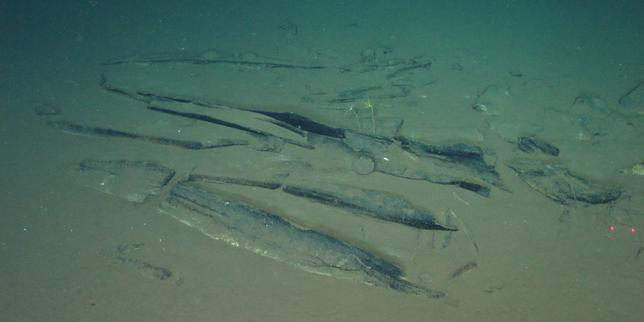
Au fond de locéan Indien gît une mystérieuse « nécropole » de baleines Une équipe de chercheurs a découvert des centaines de carcasses fossilisées de baleine au sud-ouest de lAustralie. Etalé sur 1 200 kilomètres, cela constitue le plus important, le plus profond et le plus ancien cimetière dossements de cétacés jamais observé.
le monde · about 2 hours ago

Stor osäkerhet om stigande hav – ny upptäckt om domedagsglaciären oroar Osäkerheten kring hur mycket världshaven kommer att stiga fram till nästa sekelskifte är stor. Ett av de främsta skälen till oro är enligt forskare domedagsglaciären på Antarktis, där en jättelik ismassa nu ser ut att brytas loss. – Det kan ske väldigt snabba förändringar, säger oceanografen Ola Kalén.
dagens nyheter · about 2 hours ago
Ancient Elegance: A 2,300-Year-Old Boot The discovery of a Scythian boot in the Altai Mountains, a region spanning parts of Russia, Mongolia, China, and Kazakhstan, is an important archaeological find that provides insight into the craftsmanship and daily life of the ancient Scythian nomads. Currently displayed at the State Hermitage Museum in St. Petersburg, Russia, it dates back to approximately […]
greek reporter · about 2 hours ago

These 5 Beaches Are the Quietest in the World, New Study Finds
news.yahoo.com · about 2 hours ago
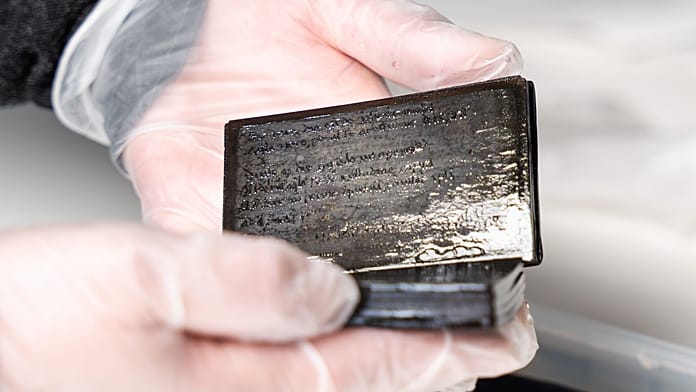
Rare medieval notebook found in latrine in Paderborn Archaeologists have uncovered a medieval notebook in a former latrine in Paderborn. The remarkably well-preserved leather, wood and wax find may shed new light on everyday life in the 13th and 14th centuries.
euronews · about 2 hours ago
Aina pöörasemaks läheb – kosmoloogid arvavad, et sureva tähe sees võib tekkida uus universum Mustad augud on aastakümneid olnud gravitatsioonilise kollapsi kõige laialdasemalt aktsepteeritud lõpptulemus. Ometi sisaldab see käsitlus küsimusi, millele tänapäeva füüsika ei suuda veel lõplikult vastata. Värske teoreetiline uuring pakub välja alternatiivse stsenaariumi, mis võib muuta arusaama universumi kõige ekstreemsematest objektidest. Selle keskmes on hüpoteetiline gravatäht ja ootamatu protsess, mis võib käivituda tähe viimastel hetkedel. Kas kokkuvariseva tähe südames võib sündida midagi palju enamat kui seni arvatud?
postimees · about 2 hours ago
Z odvážného experimentu technickou památkou. Rakouská lanovka na horu Rax vozí turisty už sto let Dnes působí lanovky v Alpách jako samozřejmost. Ve dvacátých letech minulého století ale šlo o odvážnou novinku. Na masivu Rax nedaleko Vídně tehdy rakouští inženýři postavili první osobní lanovku v zemi. Když se 9. června 1926 rozjela, otevřela cestu do hor tisícům lidí, kteří by se jinak na vrchol nikdy nevydali. Lanovka se brzy stala symbolem moderní doby a vozí cestující dodnes.
irozhlas.cz · about 2 hours ago
‚Musíme přijmout, co ukazují data. Vědci zjistili, že mor zabíjel dříve, než se dosud vědělo Vědci nově zjistili, že mor zabíjel mnohem dříve, než se dosud myslelo. Při zkoumání 5 500 let starých kosterních pozůstatků lovců a sběračů ze sibiřských pohřebišť se vědcům podařilo izolovat DNA bakterie způsobující mor. Následná analýza ukázala, že mor představoval smrtelné nebezpečí již v raných obdobích lidských dějin.
irozhlas.cz · about 2 hours ago

Mehdi Bayat : Jai découvert lIran à 20 ans, un peu avant darriver en Belgique Mehdi Bayat sera dans les tribunes de Los Angeles pour assister à la rencontre entre deux pays qui lont façonné et construit différemment mais conjointement. ...
la libre · about 2 hours ago

Nyt selvisi paras tapa haudata vainaja – Ei kuormita luontoa itse hautausprosessin jälkeen lainkaan
iltalehti · about 2 hours ago
Archeoloog ontdekt vijfduizend jaar oude voorganger van Stonehenge Een archeoloog heeft een vijfduizend jaar oude voorloper van Stonehenge ontdekt. Het gaat om twee palen die mogelijk de stand van de zon maten.
nu.nl · about 2 hours ago
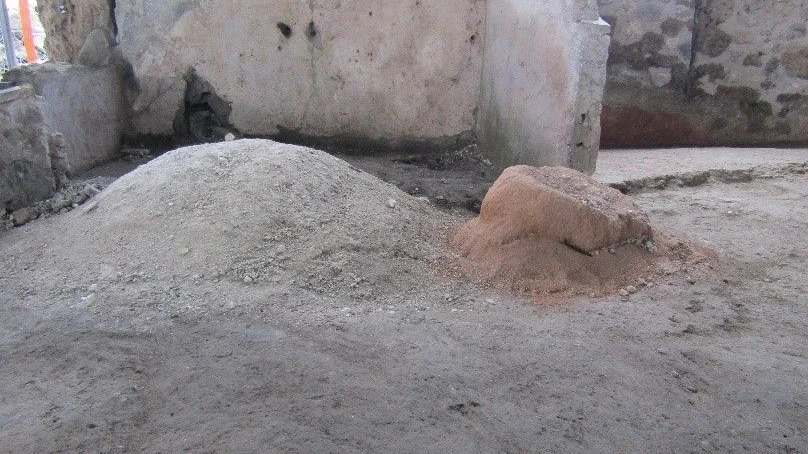
Beton in Pompeji: Die Baustelle sieht aus wie ihr eigenes Denkmal Wir holen uns unseren Kitt in Pompeji: Eine Ausgrabung lüftet das Geheimnis des dauerhaften, selbstheilenden Betons. Im Labor konnte das innovative Verfahren der römischen Baumeister reproduziert werden.
faz · about 2 hours ago
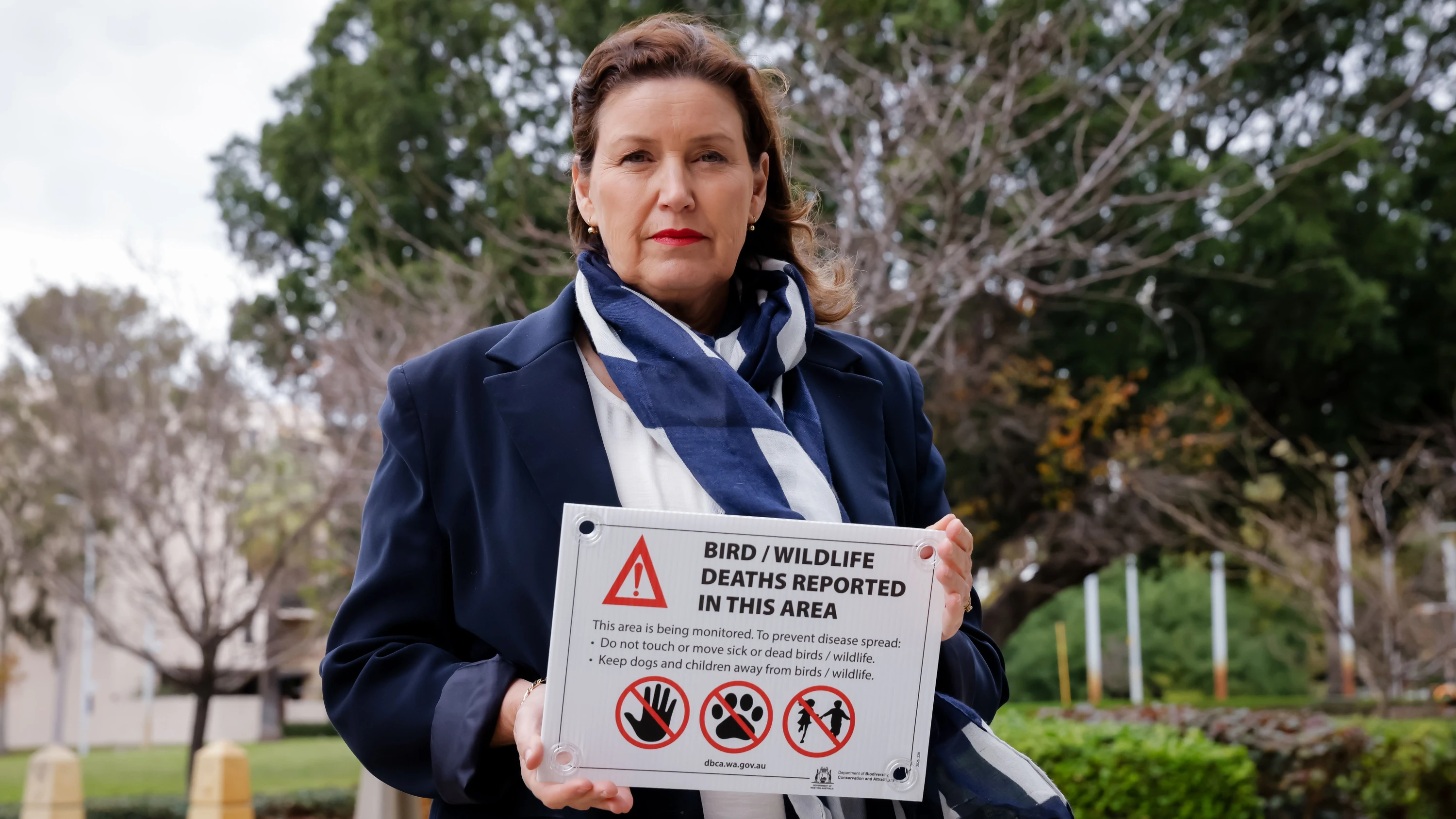
Infizierte Raubmöwe: Gefährliche Vogelgrippe erstmals auf Australiens Festland festgestellt Lange blieb Australien von der derzeit verbreiteten Vogelgrippe verschont: Nun hat sich das Virus, das weltweit Millionen von Vögeln infiziert hat, endgültig auf alle Kontinente der Erde ausgebreitet.
faz · about 2 hours ago
Scientists decipher ancient origins of the Euphrates River Uruk, the worlds first metropolis and the birthplace of written language, was nourished by the Euphrates River, as was Babylon, ancient Mesopotamias grandest city. The fertile plain between the Euphrates and its companion waterway, the Tigris River, was one of humankinds cradles of civilization. Researchers now have deciphered how the Euphrates first formed, looking much […]
cyprus mail · about 2 hours ago