 Sunday, June 7Sunday, June 7
Formula One’s governing body is re-evaluating the 2026 technical regulations after drivers warned that the new fuel-electric split demands counterintuitive driving and poses safety risks on high-speed circuits. Four-time world champion Sebastian Vettel told the *Financial Times* that the contentious rules could dilute Formula One’s DNA and transfer driver frustration to fans, while current competitors describe the changes as a “bumpy start” that forces unnatural throttle and braking patterns.
The revised power unit rules, which mandate a 50-50 split between internal combustion and electric energy from the 2026 season, were intended to accelerate sustainability and closer racing. Instead, drivers report that the mandatory deployment of electric power under braking creates unpredictable rear stability, particularly on street circuits like Monaco, where Kimi Antonelli’s team-mate George Russell described MotoGP riders as “nuts” for their tolerance of such conditions. The Monaco Grand Prix’s harbour-side yacht packages, priced at a premium to accommodate the tighter confines, now sit against a backdrop of technical unease rather than celebration.
F1 chiefs are now considering mid-season adjustments to the energy deployment curves, according to people briefed on the discussions. The move follows rival bids for a stake in the Alpine team, which have highlighted claims of unfair competition in secondary-market acquisitions and added pressure to address driver concerns before the summer break.
The debate extends beyond the cockpit. In Madrid, organisers of the new street race are balancing Super Bowl-style weekend economics with fan and driver preferences, while Monte Carlo’s traditional grip on dealmakers faces competition from Asian and US contenders vying for the Formula One business race crown.
With the championship now halfway through the season, the governing body’s willingness to revisit core technical rules underscores the tension between innovation and tradition in Formula One. Vettel’s warning that regulatory frustration could ripple into the grandstands suggests the stakes extend beyond lap times: the soul of the sport may be at risk.
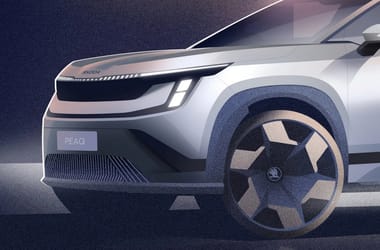
Így fest a leghatalmasabb Skoda, a 7 üléses elektromos Peaq A Skoda Kodiaqnál is nagyobb Peaq 600 kilométert meghaladó hatótávval támad.
hvg.hu · 2 days ago

Lidls claims of planning system exploitation factually inaccurate, says competitor Owner of McInerneys SuperValu Loughrea claims to have legitimate legal argument
irish times · 2 days ago
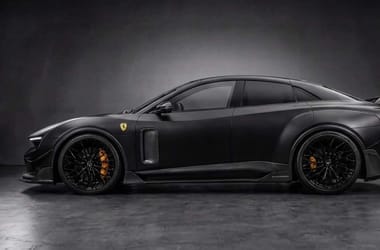
Tuningcég tette emészthetőbbé a Ferrari megosztó külsejű első villanyautóját Úgy tűnik, hogy a Ferrari Luce meglehetősen furcsa formatervét némi tuninggal egyértelműen befogadhatóbbá lehet varázsolni.
hvg.hu · 2 days ago
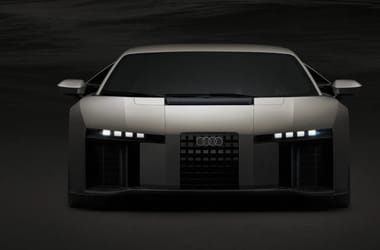
Merészet húzott az Audi: itt az 1001 lóerős hibrid V8-as Nuvolari szupersportkocsi Megérkezett a legendás Audi R8 utódja, mely egyedi külsejű újdonság produkciója Lamborghini magasságokba hág.
hvg.hu · 2 days ago

VCÖ kritisiert neue Versteuerung für E-Firmenautos Ab 2027 ist die Versteuerung des Sachbezugs für E-Autos geplant, während dieser für Verbrenner nicht geschehen ist. Das sei kontraproduktiv. Der Verkehrsclub fordert die Anpassung und das Ende der Deckelung.
die presse · 2 days ago
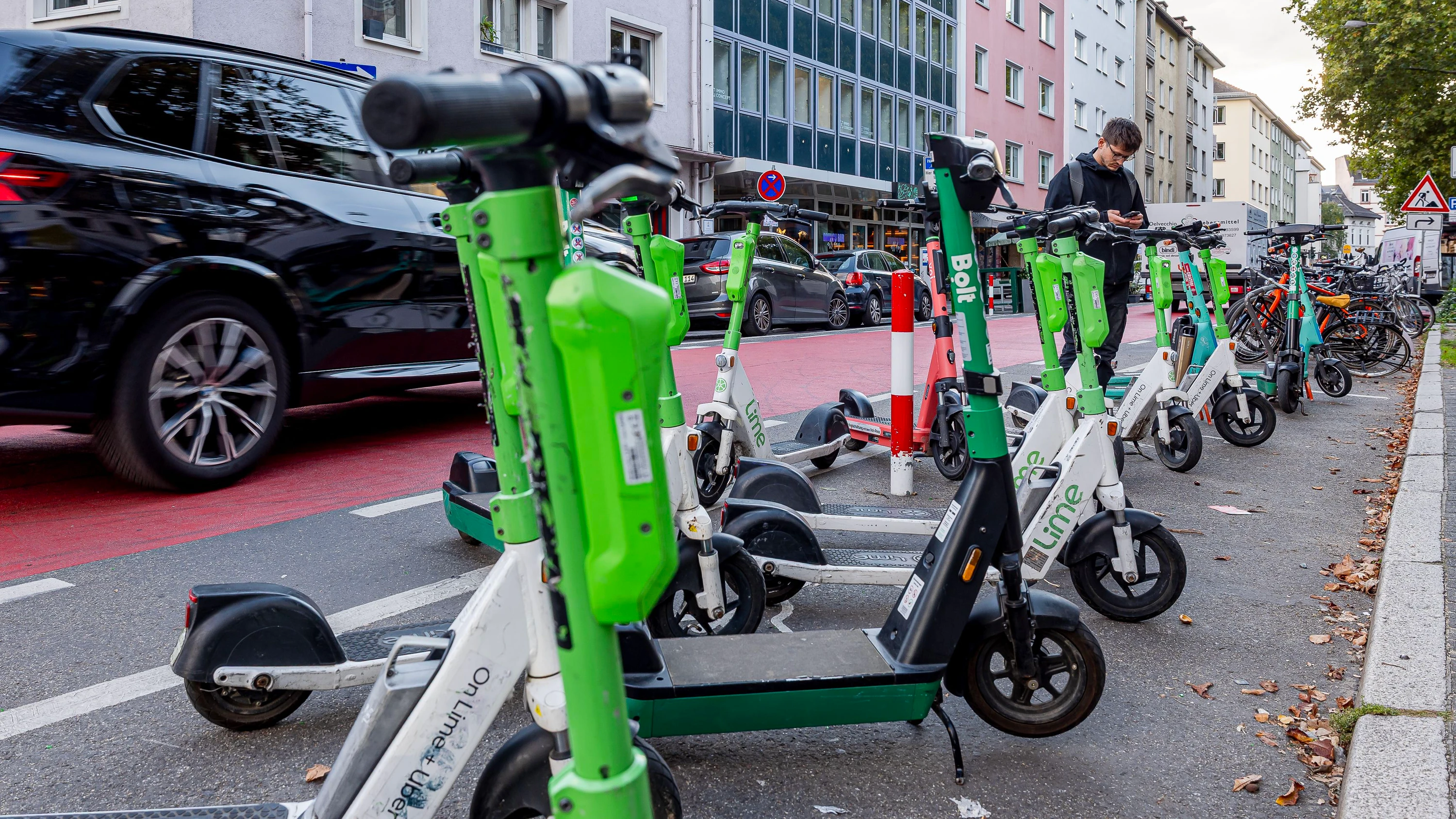
Leihangebote: Spitzenplatz für Frankfurt dank E-Scootern Wenn es um geliehene Vehikel für die Kurzstrecke geht, macht Frankfurt niemand etwas vor. Das liegt am Angebot an Elektrorollern.
faz · 2 days ago
New Nintendo Switch 2 Model Officially Revealed
gdeltproject.org · 2 days ago
Ein Mini für den Rest von uns [premium] Mini hat einen John Cooper Works auf den Markt gebracht, der diesmal sogar ein Fahrwerk hat
die presse · 2 days ago
Najhoršia „špina Viktora Orbána sa dostala na povrch až teraz. Má zásadný presah na Smer Metódy sú rovnaké, výsledky taktiež.
aktuality.sk · 2 days ago
F1 chiefs rethink rules on fuel-electric split after bumpy start to season Drivers say 2026 changes demanded counterintuitive driving and pose safety risk
financial times · 2 days ago
Bids for a stake in Formula 1s Alpine reignite dual team duel Rival offers highlight claims of unfair competition over buying into second teams
financial times · 2 days ago
Challengers vie for Monacos Formula 1 business race crown Is Monte Carlos pulling power for dealmakers at risk from US and Asian contenders?
financial times · 2 days ago
New Madrid F1 track steers a course through competing demands Street race economics must balance Super Bowl race weekends with fan and driver preferences
financial times · 2 days ago
Sebastian Vettel says rule changes risk diluting the DNA of F1 Four-time world champion says contentious regulations could see driver frustration transfer to fans
financial times · 2 days ago
The view from aboard: Monaco Grand Prix seen from a yacht The harbour is the most sought-after viewpoint — and that is reflected in the prices
financial times · 2 days ago
Chess fan George Russell plots his next move after tough start to F1 season The driver talks about a challenging 2026, sharing a garage with Kimi Antonelli, and exploiting his analytical streak
financial times · 2 days ago
Legales Glücksspiel ohne Lizenz Sprechblase Nr. 645. Warum jetzt Skill-basiertes Recruiting en vogue ist.
die presse · 2 days ago

El andamiaje que sostiene las finanzas del Real Madrid de Florentino y el Barça de Laporta descansa sobre la misma empresa bisagra, TMF El grupo de origen holandés construyó el esqueleto societario que permitió activar de forma acelerada el proyecto de la Superliga y los acuerdos de los dos clubes rivales con el fondo Sixth Street Leer
elmundo · 2 days ago