Loading…
 Friday, August 28Friday, August 28
A newly published book by Finnish Sibelius scholar Antti Vihinen reveals a 1935 letter from Adolf Hitler to composer Jean Sibelius, in which the Nazi leader awarded Sibelius the Goethe Medal on behalf of German President Paul von Hindenburg. The letter, reproduced in Vihinen’s *Sibelius’s Day of Atonement 1943* and released on Friday, praises Sibelius’s “significant symphonic work” and marks the first public appearance of the document, which Vihinen discovered in an archive.
The Goethe Medal was rarely granted to foreigners, and Vihinen writes that high-ranking Nazi figures pushed for the award to align the internationally respected Sibelius with Nazi ideology. He describes the letter as a “skillfully crafted political message—and a trap.” According to Vihinen, Sibelius welcomed the recognition in 1935, calling it a longed-for validation that soothed his bruised ego, though the composer later explicitly distanced himself from antisemitism.
Vihinen’s book also challenges long-standing claims that Sibelius condemned Nazism in his diaries. Previous biographers, including Erik Tawaststjerna and professor Fabian Dahlström, asserted that Sibelius had rejected Nazi ideology in his private writings. However, Vihinen states that the composer’s diaries contain no mention of “Nazism” or “National Socialism,” and that the narrative of Sibelius’s opposition was perpetuated by Finnish authorities and experts to preserve a “saintly” image of the composer. “The truth about Sibelius condemning Nazism turned out to be a lie, or at least a misunderstanding,” Vihinen writes.
The book details Sibelius’s financial and institutional ties to Nazi Germany, noting that he earned the equivalent of approximately €2 million in today’s money from performances and engagements there. He accepted a role in a composers’ organization funded by Joseph Goebbels’s Propaganda Ministry, which aimed to purge Jewish influence from musical life, and was named an honorary doctor by Heidelberg University in 1936—a distinction Vihinen calls surprising, given Sibelius’s lack of academic contributions or recent appearances at the institution.
Vihinen argues that Sibelius’s connections to the Nazi regime were downplayed for decades, with Finnish officials and scholars maintaining the false impression of his anti-Nazi stance. The book’s publication coincides with renewed scrutiny of historical figures’ relationships with authoritarian regimes.
Follow us for live European news
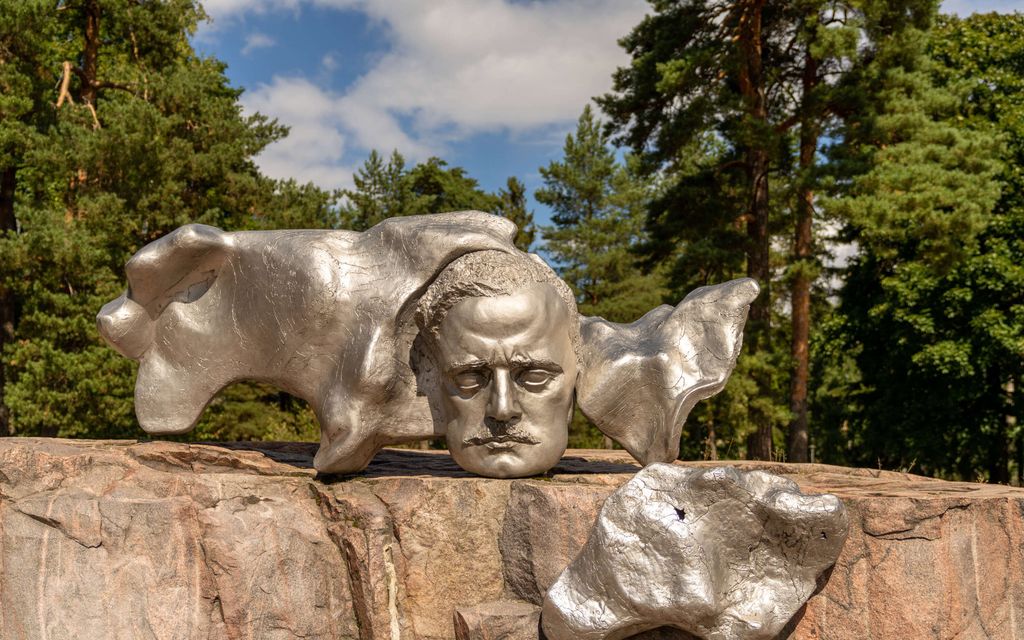
Uutuuskirja: Näin Sibeliuksen natsikytköksiä peiteltiin – Totuus paljastuikin valheeksi
iltalehti · about 3 hours ago
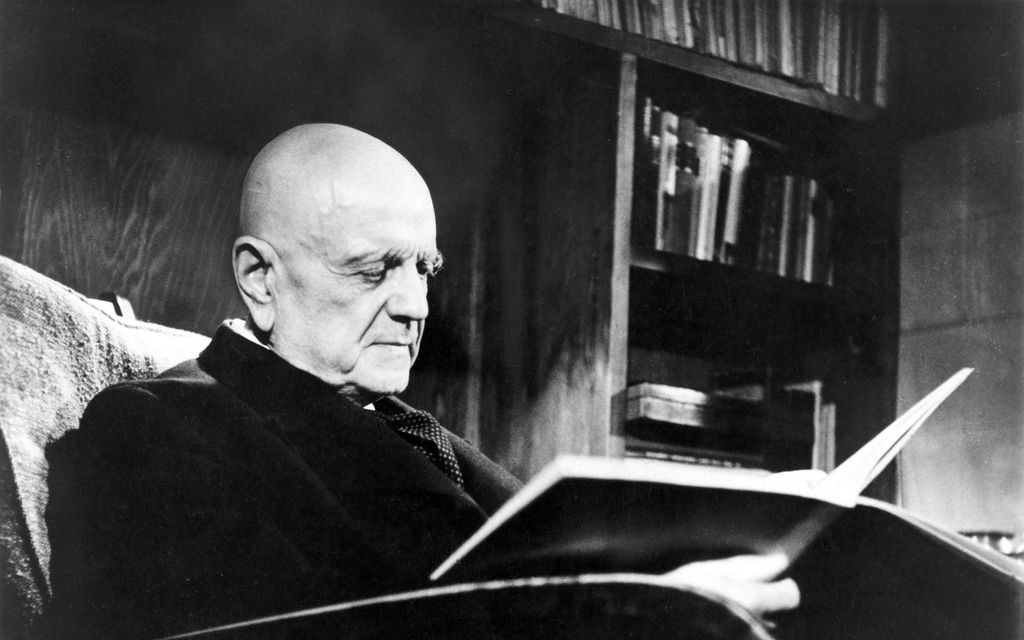
Hitlerin kirje julki: Näin natsidiktaattori kirjoitti Sibeliukselle
iltalehti · about 4 hours ago
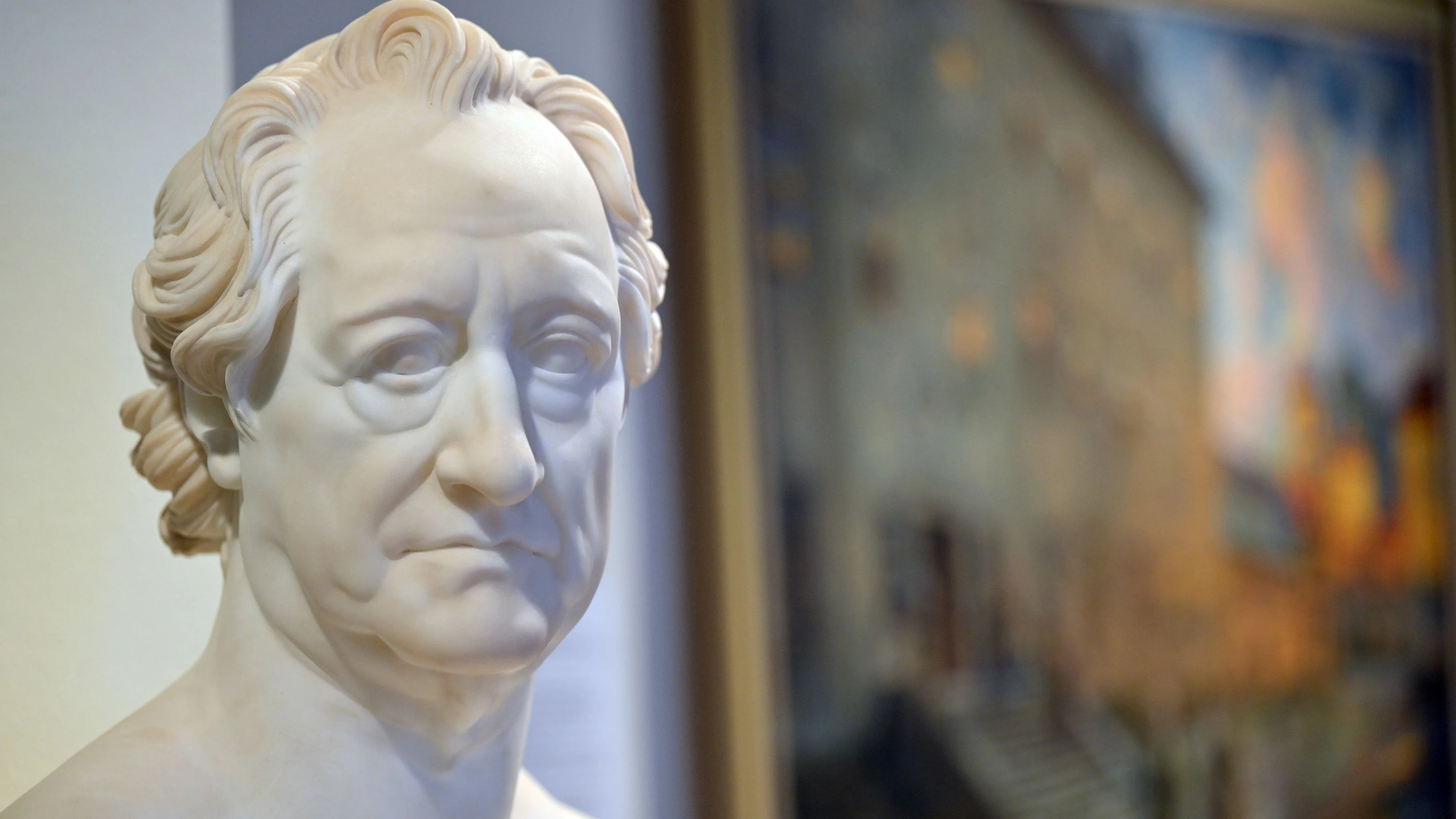
Zum geburtstag: Übersetzer sind Propheten 1827 las der damals 77-jährige Goethe die vierbändige Textsammlung „German Romance. Das inspirierte ihn zu grundlegenden Überlegungen über Übersetzungen: unsere Glosse des heutigen Jubilars.
faz · about 4 hours ago

Zum Gedenken an Gunter Hampel: „Ich träume von Musik und spiele sie dann auch Wenige Wochen vor seinem Tod hat der Jazzmusiker Gunter Hampel der taz ein Interview im Beisein seiner Tochter Cavana gegeben. Die taz druckt das Gespräch postum mit ausdrücklicher Erlaubnis der Familie. mehr...
taz.de · about 4 hours ago
ARD-Musikwettbewerb: Quasthoff fordert mehr Ehrlichkeit bei Klassikwettbewerben So manche spätere Klassikstars haben beim ARD-Musikwettbewerb seit 1952 Preise gewonnen. Der Bassbariton Thomas Quasthoff hat ein besonderes Anliegen und gibt jungen Teilnehmern Tipps.
tagesspiegel · about 4 hours ago
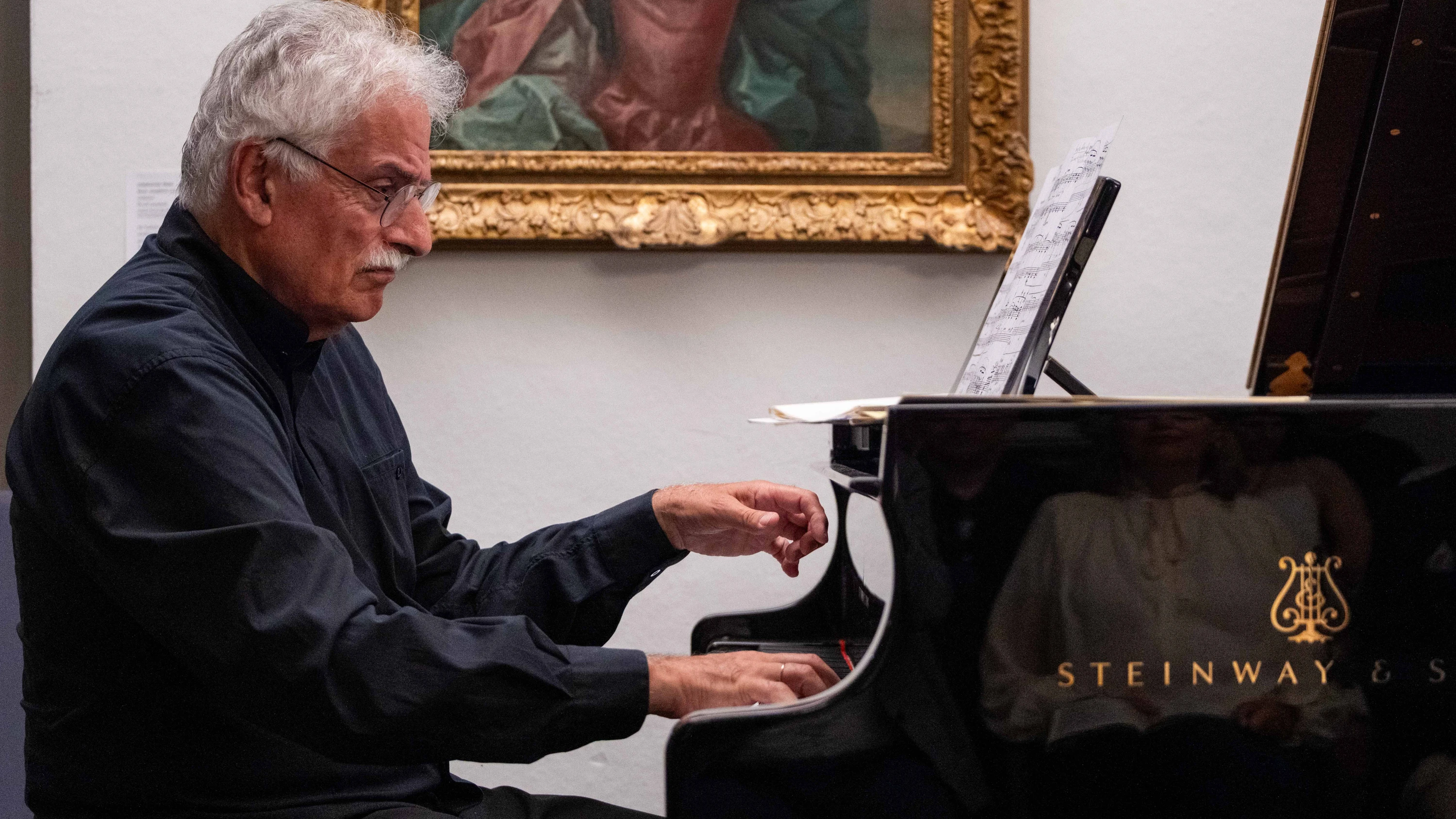
Raritäten der Klaviermusik: Die Frau schrieb weder trivial noch süßlich Jenseits des Mainstreams: Musik der Dänin Hilda Sehested und des Russen Alexej Stantschinsky zählt zu den stärksten Entdeckungen bei den Raritäten der Klaviermusik in Husum.
faz · about 5 hours ago
Podiumsgespräch zur Goethe-Medaille: An Unmögliches glauben Bei der Veranstaltung „Europa erzählen über Grenzen hinaus im Berliner Humboldt-Forum sprechen die Preisträger:innen der Goethe-Medaille über ihr Werk. mehr...
taz.de · about 5 hours ago

Schiff Andrást még mindig túláradó öröm tölti el a Fidesz veresége láttán, de azért óvatos Közelgő budapesti koncertje előtt adott interjút a Süddeutsche Zeitungnak a zongoraművész.
hvg.hu · about 5 hours ago
Totuus paljastuikin valheeksi – Uutuuskirja: Näin Sibeliuksen natsikytköksiä peiteltiin
iltalehti · about 6 hours ago
Kirje julki: Näistä Hitlerin sanoista Sibelius ilahtui
iltalehti · about 7 hours ago
Muistokirjoitus | Kansainvälisesti tunnustettu lääketieteen uranuurtaja Arno Hollmén 1930–2026
helsingin sanomat · about 9 hours ago
Muistokirjoitus | Palkittu kuvanveistäjä Simo Helenius 1942–2026
helsingin sanomat · about 9 hours ago