
Former Russian ally Sergei Ivanov, longtime Putin associate, dies at age 73
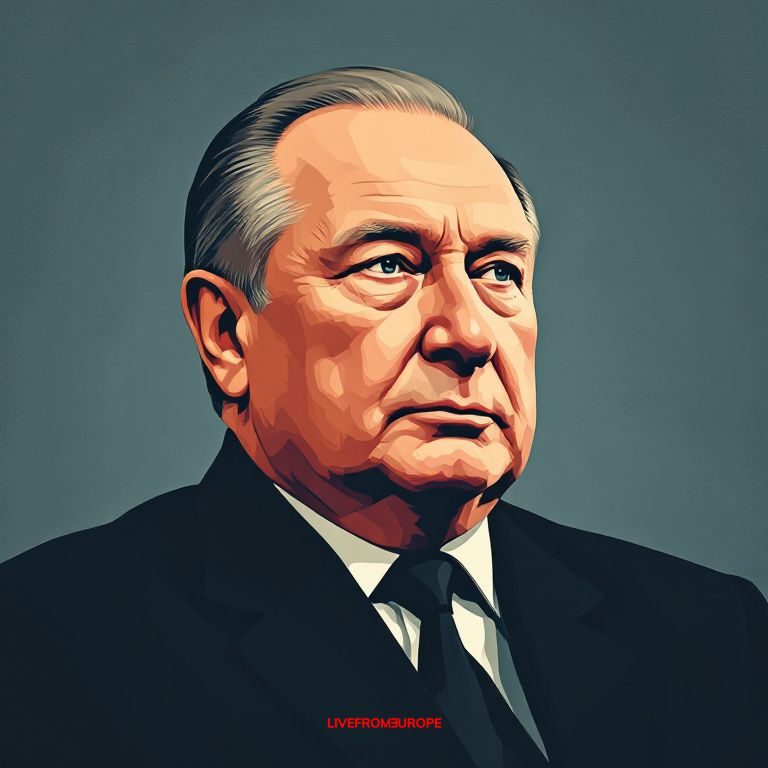
Sergei Ivanov, the former Russian defense minister and longtime ally of President Vladimir Putin, died on Friday at the age of 73, Russian state media and Kremlin-linked organizations confirmed. Ivanov, who had served as Putin’s defense minister from 2001 to 2007 and later as head of the presidential administration, was widely regarded as one of the most influential figures in the Russian establishment and, at one point, as a potential successor to Putin. The cause of death has not been disclosed, with the Kremlin announcing his passing without further details .
The announcement was first made by the VTB United League, a basketball organization where Ivanov held the honorary presidency, before being formally confirmed by the Kremlin. Russian and international outlets, including BBC , Yahoo News , and Reuters , reported the news within hours of the initial statement. The exiled news outlet Meduza later cited sources suggesting Ivanov had been battling a severe, long-term illness .
Ivanov’s career spanned decades of close collaboration with Putin, beginning in the Soviet-era KGB, where both men served in the Leningrad directorate. After the Soviet Union’s collapse, Ivanov transitioned into Russian politics, rising through the ranks to become defense minister under Putin’s early presidency. His tenure in the role, from 2001 to 2007, coincided with a period of military modernization and increased assertiveness in Russian foreign policy. Following his time at the Defense Ministry, Ivanov served as Putin’s chief of staff from 2011 to 2016, overseeing the Kremlin’s administrative operations during a critical phase of Putin’s rule.
At the height of his influence, Ivanov was frequently mentioned as a leading candidate to succeed Putin, particularly during the 2008 presidential transition when Dmitry Medvedev was chosen instead. His political profile was further cemented by his role in shaping Russia’s security policies and his alignment with the so-called *siloviki*—the faction of security and military officials who have played a central role in Putin’s inner circle. Even after stepping back from frontline politics, Ivanov remained a prominent figure, retaining advisory roles and public influence.
The death of Ivanov, a figure who embodied the continuity of Putin’s regime, removes one of the last remaining architects of Russia’s post-Soviet power structure. While the Kremlin has not indicated any immediate political repercussions, Ivanov’s passing underscores the generational shift underway in Russia’s leadership, where the cohort that rose alongside Putin in the 1990s and early 2000s is gradually giving way to newer figures. The absence of details about his death leaves room for speculation, but for now, the focus remains on the legacy of a man who helped define an era in Russian politics.
Follow us for live European news
- 2
- 1
- 1
- 1
- 1
- 1
- 1
- 1
- 1
3 further sources not geolocated
Articles

📰 Putins Longtime Ally Sergei Ivanov Dies at 73🔗 #RussianInvasion #RussianWar #Ukraine
mastodon bot · about 5 hours ago

Suri Putini kauaaegne liitlane ja endine Venemaa kaitseminister Sergei Ivanov 73-aastaselt suri endine Venemaa kaitseminister Sergei Ivanov, kes kuulus aastakümneid Venemaa mõjukaimate riigitegelaste hulka ning oli üks Vladimir Putini lähimaid liitlasi.
postimees · about 5 hours ago
IN MEMORIAM ⟩ Lahkus akadeemik ja emeriitprofessor Huno Rätsep Lahkunud on akadeemik, emeriitprofessor Huno Rätsep (28. detsember 1927 – 26. juuni 2026), emakeele seltsi auliige, silmapaistev Eesti keeleteadlane, kauaaegne eesti keeleteaduse uuendaja ja järjepidevuse hoidja.
postimees · about 5 hours ago
Meghalt az egykori orosz védelmi miniszter, akinek egy ideig arra is jó esélye volt, hogy Putyin átmeneti utóda legyen Szergej Ivanov 73 éves volt.
444.hu · about 5 hours ago
Byl považován za Putinova nástupce. Zemřel ruský exministr Sergej Ivanov V 73 letech zemřel bývalý ruský ministr obrany a bývalý šéf prezidentské kanceláře Sergej Ivanov, informují ruská média. Ivanov dlouho spolupracoval s prezidentem Vladimirem Putinem, nejprve v sovětské tajné policii KGB, pak v její ruské nástupnické organizaci FSB a ve vládě. Jeden čas byl pokládán i za možného Putinova nástupce v Kremlu, prezidentem se ale nakonec stal na čtyři roky Dmitrij Medveděv, píše BBC.
irozhlas.cz · about 5 hours ago
Weggefährte von Putin tot: Ehemaliger russischer Vizeregierungschef Iwanow gestorben Einst galt er als möglicher Nachfolger von Kremlchef Putin: Sergej Iwanow war Geheimdienstler, Minister, Vizeregierungschef und Leiter der Kremladministration. Nun ist der Putin-Vertraute gestorben.
handelsblatt · about 5 hours ago
A murit Serghei Ivanov. Fostul ministru rus al Apărării, văzut drept posibil succesor al lui Putin, avea 73 de ani Fostul ministru rus al Apărării, Serghei Ivanov, unul dintre cei mai apropiați colaboratori ai lui Vladimir Putin și considerat, la un moment dat, un posibil succesor al liderului de la Kremlin, a murit la vârsta de 73 de ani. Decesul a fost anunțat inițial de Liga Unită VTB, unde Ivanov ocupa funcția de președinte de onoare, iar ulterior a fost confirmat de Kremlin. Cauza morții nu a fost făcută publică.
digi24 · about 5 hours ago
Zomrel ruský exminister Ivanov, považovaný svojho času za Putinovho nástupcu Zomrel bývalý ruský minister obrany Sergej Ivanov, kedysi považovaný za možného nástupcu Vladimira Putina. Kremeľ oznámil úmrtie bez podrobností.
aktuality.sk · about 5 hours ago

Sergei Ivanov, Russias ex-defense minister once seen as Putins likely successor, has died at 73
news.yahoo.com · about 5 hours ago
Umrl je pesnik Aleksander Peršolja, soustanovitelj festivala Vilenica V 82. letu starosti je umrl primorski pesnik Aleksander Peršolja. Bil je eden od ustanoviteljev mednarodnega literarnega festivala Vilenica in dolgoletni programski vodja Kosovelovega doma Sežana.
rtv slovenia · about 5 hours ago
Umrl je dolgoletni predsednik državnega sveta Janez Sušnik V 84. letu starosti je umrl nekdanji predsednik državnega sveta in nekdanji predsednik Zveze društev upokojencev Slovenije (Zdus) Janez Sušnik. Prizadeval si je za krepitev pristojnosti DS-ja, za pravice starejših in medgeneracijsko sodelovanje.
rtv slovenia · about 5 hours ago
Fostul ministru rus al apărării Serghei Ivanov a murit: Fost coleg cu Putin în KGB, văzut cândva drept un posibil succesor Serghei Ivanov, aliat al președintelui rus Vladimir Putin și fost ministru al apărării, s-a stins din viață la vârsta de 73 de ani, conform anunțului făcut inițial de o organizație din baschet la care era președinte onorific, VTB United League, și confirmat ulterior de Kremlin, a scris Reuters. La fel ca Putin, Ivanov a activat …
hotnews.ro · about 5 hours ago

Nie żyje były minister obrony Rosji. Był uważany za jednego z najbliższych współpracowników Putina Zmarł były minister obrony Rosji Siergiej Iwanow. Przez lata był blisko związany z prezydentem Rosji Władimirem Putinem. Był też uważany za lidera tzw. siłowników, czyli stronnictwa skupiającego osoby w centralnym aparacie władzy.
gazeta.pl · about 5 hours ago
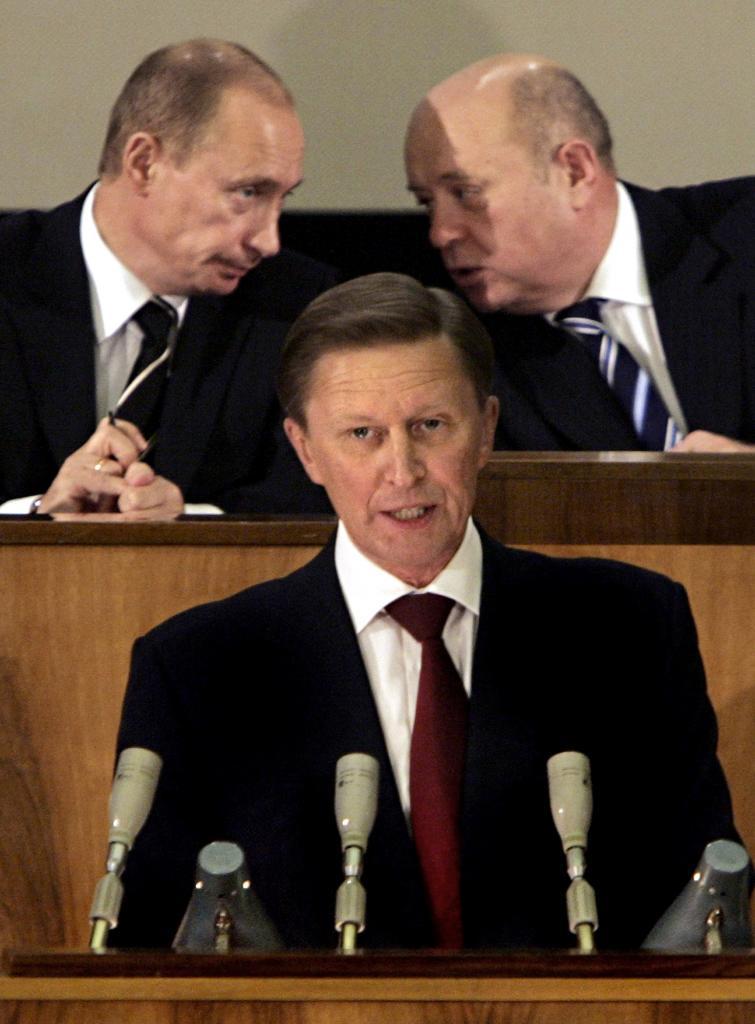
Muere Serguéi Ivanov, ex ministro de Defensa de Rusia y amigo cercano de Putin Antes del cambio de presidencia de Putin en 2008, se le barajaba como posible sucesor, aunque el cargo fue finalmente ocupado por Dmitri Medvédev Leer
elmundo · about 5 hours ago
Putins Longtime Ally Sergei Ivanov Dies at 73 The exiled news outlet Meduza reported that Ivanov was rumored to be suffering from a severe, long-term illness.
themoscowtimes · about 5 hours ago