
Hungarys ex-foreign minister joins BYD after securing state subsidies for Chinese automaker
Péter Szijjártó, Hungary’s former foreign minister, resigned from parliament on Wednesday to join Chinese automaker BYD, sparking criticism over his role in facilitating substantial government subsidies to the company while in office.
Szijjártó, who served as Hungary’s top diplomat for nearly 12 years under former Prime Minister Viktor Orbán, announced on Facebook that he had accepted “a highly prestigious offer” from BYD. He will become the executive responsible for the group’s external relations and the development of new business lines.
Current Prime Minister Péter Magyar, whose pro-European Tisza party won a landslide election in April, accused Szijjártó of having “long represented foreign interests” and of lobbying for “massive Hungarian state subsidies” for BYD before joining the company.
Szijjártó, who had been a member of parliament since 2002, had missed most parliamentary votes since the April election and rarely appeared in public or posted on social media. While serving in government, he was instrumental in securing foreign investments in Hungary from Chinese companies, including BYD, which received considerable state subsidies during his tenure.
In 2023, Szijjártó announced that BYD would open its first European factory in Hungary, allowing the conglomerate to skirt European Union import tariffs on Chinese electric vehicles. He played a central role in talks with BYD on bringing the plant to Hungary, saying the decision came after 224 rounds of negotiations between the company and Hungary’s government. He called the project “one of the largest investments in Hungarian economic history,” saying the government would provide financial incentives to BYD for building the plant, which have not been disclosed.
In 2025, Szijjártó also announced that BYD would locate its European headquarters and a research and development center in Budapest and receive 20 billion forints ($63.7 million) in government assistance.
Szijjártó and Orbán had opposed EU tariffs on Chinese products, sought major investment from Beijing, and opened a series of Chinese EV battery manufacturing plants across the country.
Magyar criticized Szijjártó’s move, stating on social media that the only difference now is that Szijjártó will be paid by his “real employer” instead of the Hungarian people.
Szijjártó, a long-time political ally of Orbán, had been the spokesperson for Orbán before becoming foreign minister in 2014, a position he held until earlier this year. As Hungary’s top diplomat, he was one of the most fervent supporters of strengthening ties with Beijing and Moscow. In March, he admitted to maintaining contacts with high-ranking Russian officials while EU governments debated new sanctions against the Kremlin.
BYD has become a key player in China’s industrial push into Europe. The electric vehicle manufacturer is expected to start assembling cars at its new factory in Hungary later this year, after designating the country as its main European production hub.
Szijjártó is not the only European politician to transition to the automotive industry. Former German Finance Minister Christian Lindner, who retired from politics after his party’s electoral defeat, is set to become the CEO of Germany’s largest car dealer, Autoland AG, in 2027.
Follow us for live European news
- 2
- 1
- 1
- 1
- 1
- 1
3 further sources not geolocated
Articles
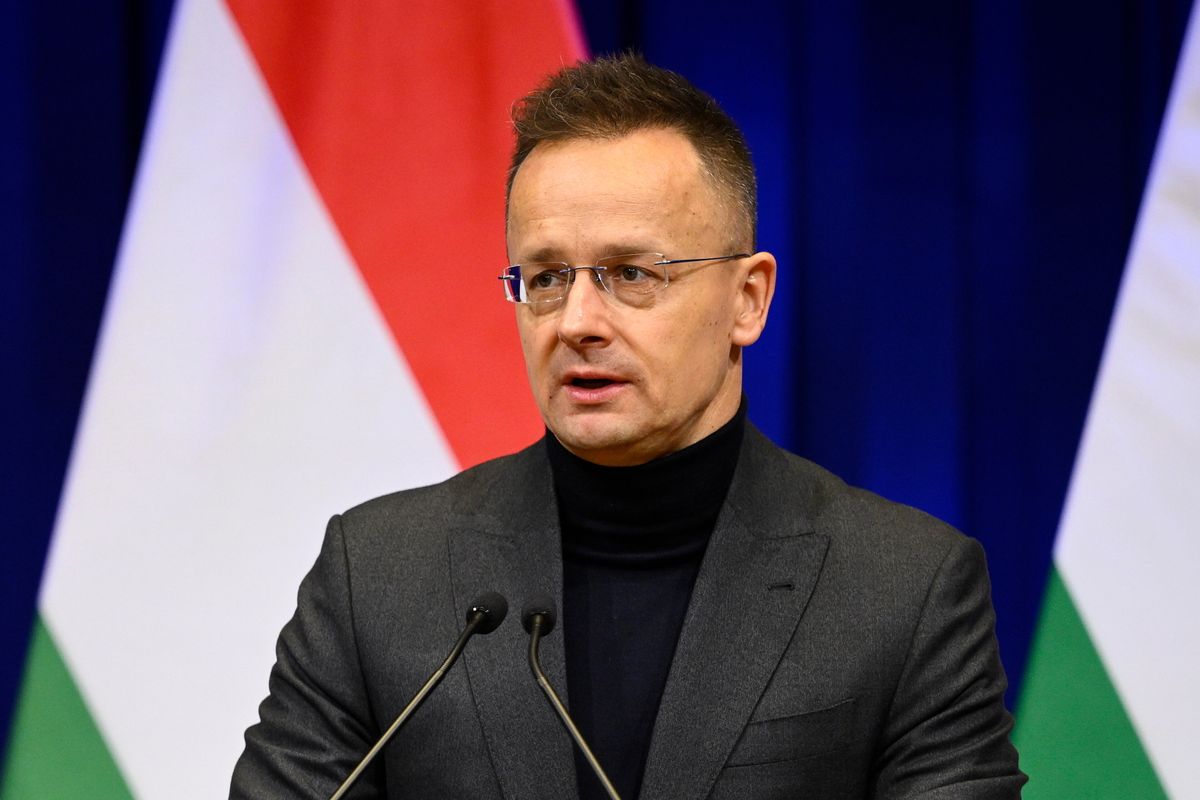
Hungary former foreign minister quits parliament for Chinese automaker BYD , sparking backlash
gdelt bot · about 3 hours ago

Szijjártó piaci melója, Balásy állami megbízásai Megszereztük Hajdu vallomását az aranykonvojügyben. Megnéztük Nolan Odüsszeiáját. Az orosz menekültek már Törökországban sincsenek biztonságban. Orbán János Dénes rengeteg pénzt kapott. Ez a 444 napindító hírlevele
444.hu · about 3 hours ago
Merz and Macron to reset ties after fighter jet project collapse Also in this newsletter: former Norway premier calls for EU membership debate and Orbán ex-minister joins Chinas BYD
financial times · about 3 hours ago
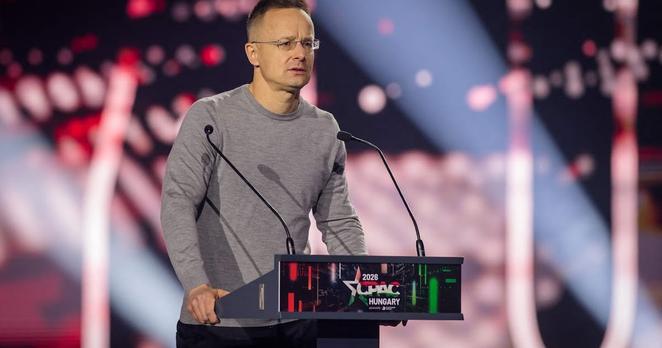
Former Hungarian Foreign Minister Péter Szijjártó has resigned from parliament to join Chinese EV maker BYD as a senior executive. Prime Minister Péter Magyar criticized the move, alleging Szijjártó lobbied for state subsidies for the firm. #Russia #EU #Hungary
mastodon bot · about 3 hours ago
Medián: Ők a Tisza-kormány legnépszerűbb és legmegosztóbb politikusai Magyar Pétert az emberek 72 százaléka szívesen látja „fontos politikai szerepben. Majdnem ilyen sokan vannak, akik nem szeretnék, hogy Orbánt Viktor jelentős közéleti funkciót kapjon. Ki a legmegosztóbb miniszter, és ki a legnépszerűbb? Hogyan ítélik meg Magyar Pétert a párt nélküliek? Ez is kiderül a Medián júniusi kutatásából.
hvg.hu · about 4 hours ago

From Trojan Horse in Brussels to executive for Chinas BYD – Hungarys Szijjártó makes classic revolving doors move
bluesky_EUobserver · about 4 hours ago
The Magyar revolution: Hungarys new era The prime minister has begun dismantling the old Orbán machine. But is the country just exchanging one strongman for another?
financial times · about 4 hours ago
Szijjártó kicsekkol, a Fidesz pedig úgy tűnik, éppen szétesik – Newscast Míg Orbán focit néz, Gulyás Gergely lelép a frakció éléről, Szijjártó Péter a politikából, Ferencz Orsolya pedig a Fideszből – talán Navracsics Tiborral együtt. Hajdu János vallomást tett az aranykonvoj-ügyben, két NAV-os vezetőt pedig kirúgtak miatta. Szabó Bence villámkarriert csinált. Meghalt Szánthó Imre, vagyis Öcsi bácsi. Ez a Newscast, a HVG hétköznap reggelente jelentkező hírpodcastja.
hvg.hu · about 5 hours ago
Magyar Péter szerint minden európai országban korrupciónak hívják azt, amit Szijjártó tett Mert ahhoz a globális kínai multicéghez igazolt, aminek több száz milliárd forint állami támogatást lobbizott ki korábban.
444.hu · about 5 hours ago
Hungarys former foreign minister quits parliament for Chinese automaker BYD, sparking backlash Hungarys former foreign minister resigned from his parliamentary seat on Wednesday to join Chinese automaker BYD, prompting criticism over his role in facilitating substantial government subsidies to the…
japantoday · about 6 hours ago
Tscheche Filip Turek: Der Motorist als Raser Filip Turek ist das Aushängeschild der tschechischen Partei „Autofahrer unter sich. Ein Unfall mit seinem Geländewagen könnte seine politische Karriere nun beenden.
faz · about 7 hours ago
Fostul ministru de Externe al Ungariei, Peter Szijjarto, a renunțat la mandatul parlamentar pentru a se alătura industriei auto chineze Fostul ministru de Externe al Ungariei a demisionat din funcția de deputat pentru a se alătura gigantului auto chinez BYD, relatează POLITICO. Actualul premier Peter Magyar, rivalul lui Viktor Orban, căruia Szijjarto i-a fost loial ani la rând, l-a taxat imediat cu un atac politic.
digi24 · about 8 hours ago
Szijjártó és a 444 legnagyobb közös pillanatai Jachtozástól orosz hekkerekig, gödi gyártól a Lavrovval folytatott telefonokig – mindig volt miről kérdezni a volt külügyminisztert, aki mostanra a Fidesz-frakcióból is kiszállt.
444.hu · about 8 hours ago
Nekdanji madžarski zunanji minister Szijjarto bo odslej delal za kitajski BYD Nekdanji madžarski zunanji minister Peter Szijjarto, član stranke Fidesz nekdanjega premierja Viktorja Orbana, je oznanil odstop s položaja poslanca v madžarskem parlamentu. Sporočil je, da bo odslej delal za kitajskega avtomobilskega giganta BYD.
rtv slovenia · about 8 hours ago
Gyulai Miklós mégsem várta meg a szeptembert, lemondott a Magyar Atlétikai Szövetség elnöki posztjáról A rendkívüli tisztújító küldöttgyűlésig Deutsch Péter vezérigazgató biztosítja a működést.
444.hu · about 8 hours ago