
Dutch cabinet warns ten municipalities over asylum housing failure

The Dutch cabinet has named ten municipalities that are failing to meet their legal obligations to house asylum seekers, escalating a long-running dispute over the national dispersal law. Minister Van den Brink (Asylum, CDA) told parliament on Monday that the government will intervene unless the towns reverse course within weeks. The list includes Alkmaar, Almere, Breda, Deventer, Dordrecht, Eindhoven, Groningen, Haarlem, Leiden and Utrecht—cities whose councils have repeatedly refused to open reception centres despite court rulings and central-government funding offers.
Under the 2024 dispersal law, every municipality must provide accommodation for a share of the national asylum caseload. The ten named towns have so far provided either no places or only symbolic numbers, according to figures released by the Ministry of Justice. “This is the final warning,” Van den Brink said. “If they do not act within the statutory term, the cabinet will impose an administrative order and reallocate the obligation to a neighbouring municipality or to a regional consortium.” The minister added that the government is already preparing emergency contracts with private providers to cover the shortfall, which currently stands at 1,200 beds nationwide.
The announcement follows a June 20 ruling by the Council of State that upheld the dispersal law and confirmed that municipalities cannot opt out on political or security grounds. Yet local politicians insist the policy is unworkable. VVD faction leader Bas Brekelmans in Noordwijk told RTL Nieuws on Monday that his party will “always vote against” any reception centre, arguing that the law undermines public safety. Similar resistance has surfaced in Groningen, where the municipal council voted 22-19 last month to challenge the policy in court—a move the cabinet now regards as obstruction.
The impasse has left thousands of asylum seekers in temporary shelters that are officially slated for closure. In Amsterdam, where the city council has complied, the overcrowding has forced the municipality to rent additional hotels at €180 per person per night. Nationally, the shortfall is estimated at 4,500 places, according to the Association of Dutch Municipalities (VNG). “We are running out of options,” said VNG chair Jan van Zanen. “Either the ten hold-outs accept their share, or the rest of the country will have to absorb the cost and the social tension.”
The cabinet’s next step is a formal notice to the municipalities, to be sent on Wednesday, giving them 14 days to submit concrete plans. If they fail, the government will publish a draft administrative order on 21 July and open a 30-day public consultation. The order can be enforced by fines of up to €25,000 per day per unmet place. Legal experts note that the government has rarely used such powers, but the scale of the crisis—combined with the Council of State ruling—leaves little room for further delay.
Meanwhile, the Dutch Refugee Council has called for a national summit to break the deadlock. “Children are sleeping in police stations because there is nowhere else,” said spokeswoman Marlies Visser. “This is not a political game; it is a humanitarian emergency.” The cabinet has pledged €30 million in extra funding to help compliant municipalities expand reception capacity, but insists that the legal duty is non-negotiable.
As the summer recess approaches, the pressure on the ten municipalities is mounting. Eindhoven’s mayor, John Jorritsma, told NRC on Monday that he is “willing to talk,” but warned that any centre would face fierce local opposition. The cabinet’s ultimatum leaves them with a stark choice: comply, or cede control to the state.
Follow us for live European news
- 4
- 2
- 2
- 2
- 2
- 2
- 1
- 1
- 1
- 1
- 1
- 1
- 1
- 1
- 1
Articles

Gewalt gegen Kinder – Zahl der Kindesmisshandlungen steigt auf neuen Höchststand 14.2 Prozent mehr Fälle gegenüber dem Vorjahr: Körperliche Misshandlung dominiert, doch psychische Gewalt nimmt zu.
srf.ch · about 2 hours ago
Fler pappor tar ut föräldraledighet när barnen är små Andelen pappor som är föräldralediga under barnets två första år ökar. Det visar statistik från Försäkringskassan.
sverigesradio · about 2 hours ago
Au început taberele urbane Destiny Park Copiii între 7 și 14 ani sunt așteptați în taberele Destiny Park, o soluție pentru părinții care nu știu cum să ocupe timpul copiilor.
digi24 · about 2 hours ago
Lahjat | Turha krääsä tympäisee vanhempia, ja siksi ei lahjoja -toive pitäisi ottaa tosissaan Juhliin saapuminen tyhjin käsin voi olla monelle vaikeaa myös silloin, kun sitä erikseen pyydetään. Se turhauttaa vanhempia, jotka eivät kaipaa lisää turhaa tavaraa.
helsingin sanomat · about 2 hours ago
Uthenging er ikke ruspolitikk Kokainbruk bør tas på alvor. Men mer stigma kan gjøre rusmiljøene mer lukket og heve terskelen for å søke hjelp, skriver innleggsforfatteren.
aftenposten · about 2 hours ago
Mange barn har det bra. Men ikke alle. Nesten 100.000 barn lever i familier med vedvarende lavinntekt. Det er ikke svartmaling å peke på konsekvensene, skriver generalsekretær i Kirkens Bymisjon.
aftenposten · about 2 hours ago
Consulta, non si può escludere il vincolo paesaggistico per gli impianti tlc Le esigenze di semplificazione amministrativa non possono eliminare la tutela «mediante la definitiva e generalizzata esclusione del vincolo funzionale alla sua protezione»
il sole 24 ore · about 2 hours ago
Lombardia: dalla Regione formazione per oltre 1.400 nuovi operatori sanitari (Il Sole 24 Ore Radiocor) - Per rispondere allesigenza di inserire nuove figure professionali nel settore socio-assistenziale e sanitario, Regione Lombardia ha predisposto dei percorsi di formazione per 1.400 Oss,...
il sole 24 ore · about 2 hours ago
Espaces «no kids» et «infantisme» : la Commission consultative des droits de lhomme alerte sur linvisibilisation des enfants dans lespace public Pas despaces réservés aux adultes mais au contraire des «villes à hauteur denfant» voire la possibilité de voter avant 18 ans : la CNCDH plaide, dans un avis rendu ce 6 juillet, pour faire plus de place aux jeunes. Et dénonce «linfantisme» qui sest peu à peu installé.
liberation · about 2 hours ago
Statt Schule ein Lattenzaun, mit viel Zwischenraum, hindurchzuschaun [premium] Für einen Wiener Schul-Abrissplan gibt es dieses Jahr keine guten Noten – es sei denn, die zuständige Bildungsstadträtin bläst die Demontage doch noch ab.
die presse · about 2 hours ago

Elektronischer Eltern-Kind-Pass verzögert sich erneut Die Einführung war für Oktober 2026 geplant. Wegen Problemen mit IT-Schnittstellen soll der Start um ein Jahr auf Oktober 2027 verschoben werden
der standard · about 2 hours ago

"Social Egg Freezing": Bauer will Altersgrenze zwischen 45 und 50 Die Familienministerin will den Fokus auf ungewollte Kinderlosigkeit legen. Sie plädiert auch weiterhin für den Mutterschutz nach Fehlgeburten
der standard · about 2 hours ago

Sommerferien nur am Handy? Fünf Regeln, die in Familien gut funktionieren Neun Wochen Ferien vor dem Bildschirm? Das muss nicht sein. Smartphone-Coach Andrea Buhl-Aigner weiß, welche Vereinbarungen sich bewährt haben und warum Langeweile bei Kindern gut ist
der standard · about 2 hours ago
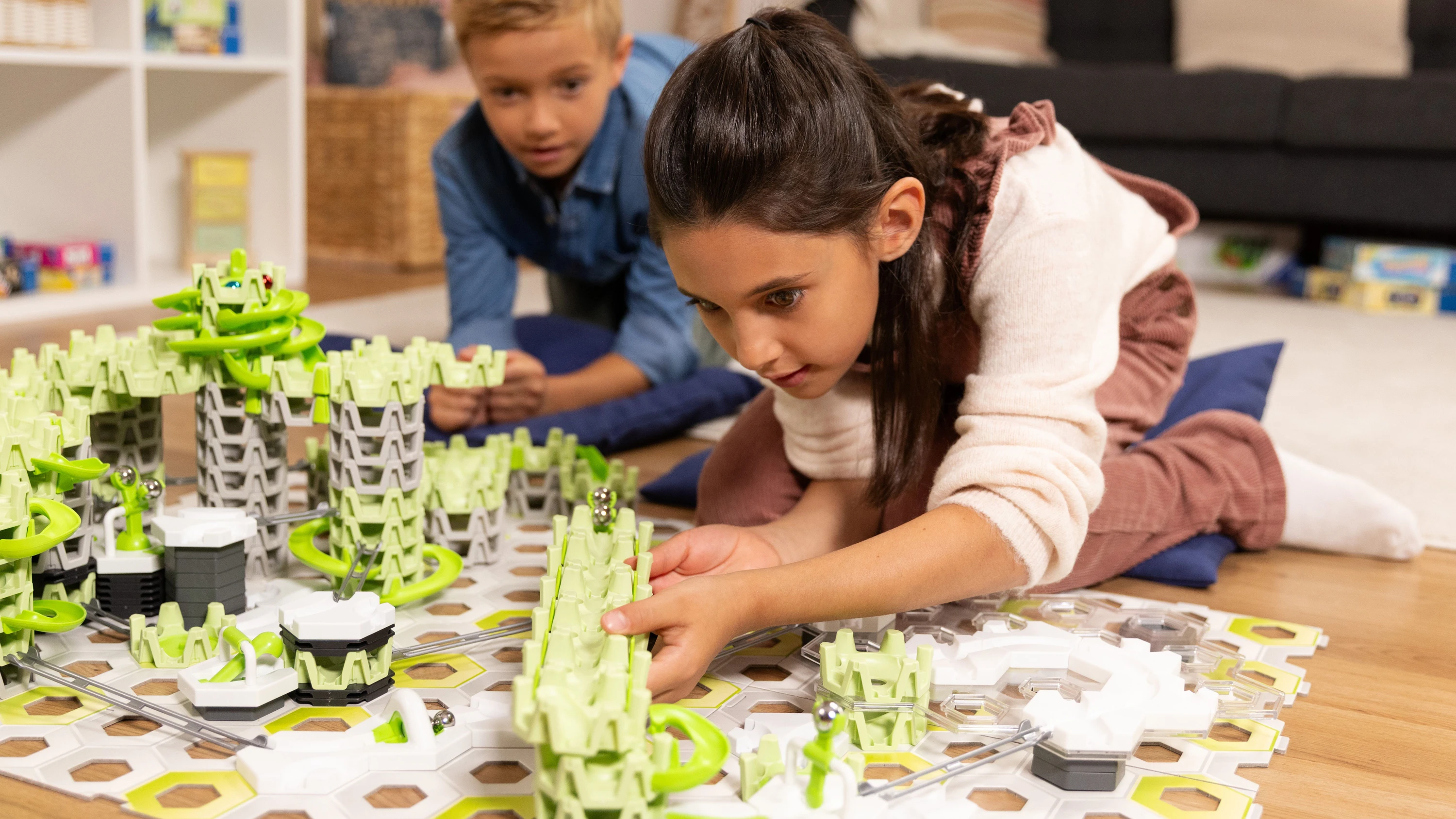
Kugelbahnen: Täglich grüßt das Murmeltier Rollen, fallen, springen und elegant um Kurven kullern: Kugelbahnen sind aus Kinderzimmern nicht wegzudenken.
faz · about 2 hours ago
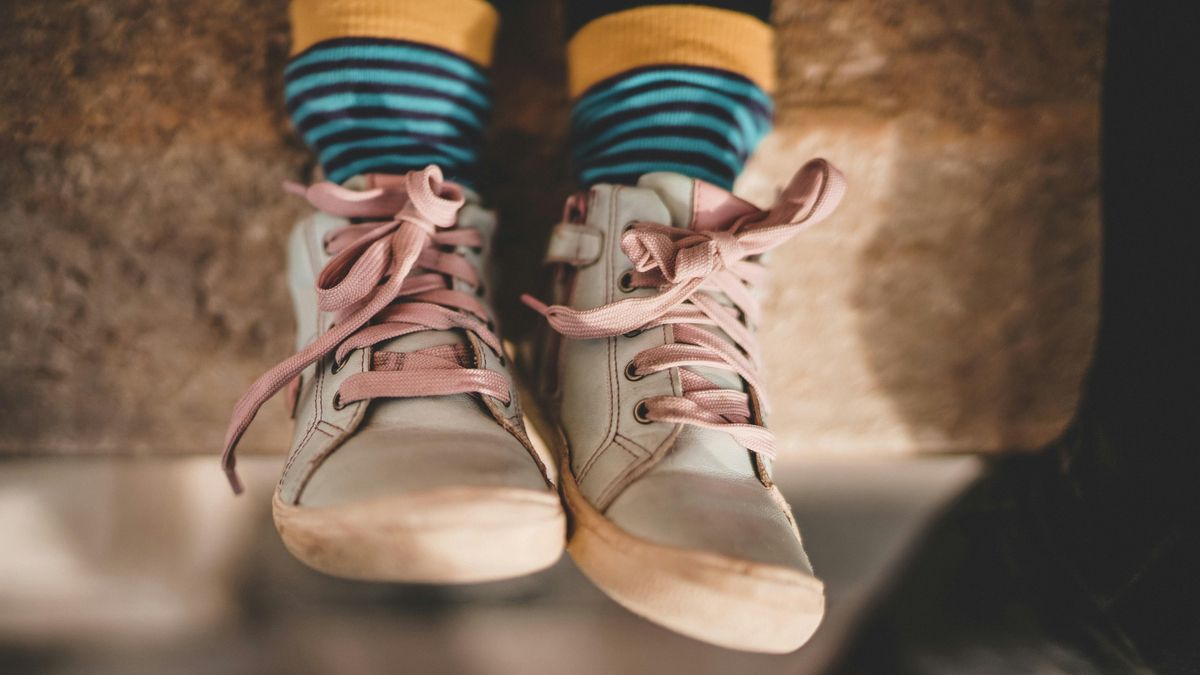
Las razones de una podóloga por las que no siempre es recomendable que los niños hereden zapatos de sus hermanos La especialista indica las señales a las que debemos prestar atención para saber si el calzado sigue estando en buen estado para que lo use otro niñoMaría Jesús Campos Osa, psicóloga, sobre los deberes infantiles en verano: La vuelta a la rutina puede ser más costosa Para muchos padres la ropa heredada facilita mucho la vida y, además, es una opción económica. Al fin y al cabo, los niños crecen muy rápido y todo les queda pequeño en poco tiempo. En cada época del año todo lo de la anterior ha quedado pequeño. Tanto es así que se calcula que el pie de un niño puede aumentar unos ocho milímetros de media cada tres meses, un crecimiento mayor si el niño es más pequeño. Puede parecer lógico, ante este panorama, que reutilizar los zapatos sea lo más conveniente. Pero, al igual que en los adultos, cada pie es único, tanto en su forma como en su manera de caminar, y los zapatos se adaptan a todas estas condiciones. Y en el caso de los niños es particular, sus pies no solo son versiones en miniatura de los de los adultos: son suaves, flexibles y están en constante desarrollo. Además, los niños estiran, moldean y doblan los zapatos según su estilo de movimiento individual y dejan una huella permanente de su anatomía única en cada parte del zapato. Por tanto, pasar estos zapatos preformados a otro niño puede no ser la mejor idea. Motivos por los que es mejor no ceder los zapatos a otro niño Cuando un niño usa unos zapatos durante un tiempo, este tiende a adaptarse a su biomecánica, es decir, a su forma particular de moverse y de caminar. Si un niño usa unos zapatos que ya han sido usados por otro, es probable que el calzado ya esté moldeado al patrón de marcha, lo que puede causar problemas. No es recomendable que los niños hereden los zapatos de los hermanos mayores ya que pueden estar deformados y afectar a la pisada, explica Rebeca Prieto Riaño, podóloga. Cuando se usa un zapato, se crean zonas de desgaste que pueden actuar como pequeñas cuñas y alterar la forma de caminar de quien lo hereda. Estos cambios pueden provocar una mala alineación de los pies, las rodillas o incluso las caderas. Un zapato ya desgastado por otra persona hace que el pie tenga que adaptarse a esa deformidad y pise de forma muy distinta a la que lo haría con un calzado nuevo, pudiendo provocar alteraciones biomecánicas que originen lesiones tendinosas y musculares, alteraciones dérmicas como ampollas y rozaduras, incluso hongos, advierte Prieto. Los pies de los niños, además, aún están en desarrollo y sus zapatos deben proporcionarles la sujeción adecuada y adaptarse a su crecimiento. Los zapatos usados pueden tener suelas desgastadas, estructuras debilitadas o daños ocultos que no son visibles a simple vista. Estos problemas pueden afectar la estabilidad, la durabilidad y la seguridad del calzado, aumentando así el riesgo de lesiones. Debido a la maleabilidad de sus pies, los niños son particularmente vulnerables a un calzado inadecuado o que no les proporcione el soporte necesario. Así que un zapato demasiado ajustado, suelto o mal usado puede afectar la alineación del pie, el equilibrio e incluso la postura. Aunque solemos suponer que son nuestros pies los que se están acostumbrando a los zapatos nuevos, en realidad son los zapatos los que están cambiando su forma de manera sutil. Por eso cambia la sensación que nos producen unos zapatos después de una semana de usarlos en comparación a cuando nos los probamos por primera vez en la tienda. Y esto también es válido para los niños. Correr, jugar y revolotear continuamente es suficiente para que la forma de sus zapatos se adapte a la forma y biomecánica únicas de sus pies. En qué fijarnos si queremos aprovechar los zapatos Los zapatos no solo cambian de forma sino que, con el tiempo, también se desgastan. Tanto la entresuela como las plantillas se comprimen, las suelas empiezan a perder tracción y, por tanto, no ofrecen el mismo nivel de sujeción ni de amortiguación que un par de zapatos nuevos. Aunque generalmente se desaconseja que los hermanos pequeños hereden zapatos usados, existen algunas excepciones. Sí es razonable en algunos casos si se han usado poco y están, a primera vista, en perfecto estado, no deformado en la caña ni en el contrafuerte y no hay desgaste en la suela, afirma Prieto. Solo en estos casos se podría valorar la opción de pasar los zapatos a un hermano mayor. En este sentido, podría valorarse la opción en zapatos como botas de agua y chanclas, que se suelen deformar menos en el contexto de su uso, en contraprestación en cambio con el calzado deportivo, para el que la reutilización sería una mala opción, advierte Prieto. Si decidimos reciclar el calzado, hay algunas señales a las que debemos prestar especial atención. Para Prieto, lo más importante es mirar la suela, su desgaste; el contrafuerte y la caña, que no deben estar deformados; y la plantilla interior, que no tenga marcas de los dedos. Debemos buscar, en general, la simetría en ambos zapatos. Para saber si esto se cumple, la especialista nos da un truco: poner el zapato en una superficie plana y ver si bambolea al tocarlo. Lo ideal es que esté estable en la superficie.
eldiario.es · about 2 hours ago
Non mettete le foto dei vostri figli sui social: la National Crime Agency avverte sui pericoli di AI e criminali informatici Le foto dei minori e dei propri figli, se pubblicate sui social, possono diventare strumento dei criminali informatici che, tramite lIntelligenza Artificiale, cercano di usarle a fini pedopornografici. Per questo la National Crime Agency (NCA) del Regno Unito ha lanciato un forte avvertimento ufficiale esortando i genitori a non pubblicare foto dei figli su profili […] Larticolo Non mettete le foto dei vostri figli sui social: la National Crime Agency avverte sui pericoli di AI e criminali informatici proviene da Il Fatto Quotidiano.
il fatto quotidiano · about 2 hours ago
Verzet tegen spreidingswet in Noordwijk: We zullen altijd tegen stemmen De VVD in Noordwijk zal blijven verzetten tegen de komst van een azc, ook nu de gemeente opvang moet regelen in het kader van de spreidingswet. Volgens fractievoorzitter Bas Brekelmans is er onvoldoende draagvlak en wordt het veiligheidsgevoel door de komst van een azc aangetast.
rtl nieuws · about 2 hours ago

Rijksmuseum verleidt deze zomer jonge bezoekers met Toy Story-figuren
parool · about 2 hours ago

In Sydney zitten tieners nog altijd op sociale media, ondanks het Australische verbod: Ik heb het best wel druk, dus ik ben geen grote doomscroller
parool · about 2 hours ago
Er komen excuses, maar de gesloten jeugdzorg bestaat nog steeds
trouw · about 2 hours ago
Elterliche Aufsichtspflicht: Einmal gratis Babysitten im Freibad Es gibt zu wenig Schwimmkurse, klar. Deshalb das Überleben der Kids den Bademeistern zu überlassen, ist auch nicht richtig. mehr...
taz.de · about 2 hours ago
Suostumuskasvatus | Suostumusta pitäisi opettaa myös käytännön taitona Vuoden 2023 raiskauslainsäädäntö määrittelee rikoksen rajat, mutta ei opeta ihmisille, miten suostumus toimii arjen vuorovaikutuksessa.
helsingin sanomat · about 2 hours ago
Kabinet noemt tien gemeenten die geen gehoor geven aan taakstelling opvang asielzoekers – volgende stap is ingrijpen Rijk Minister Van den Brink (Asiel, CDA) heeft maandag tien gemeenten genoemd die geen blijk geven aan hun taakstelling in de spreidingswet te voldoen. Hij gaat het gesprek aan. Het is de laatste kans voor de gemeenten om interventie door het Rijk te voorkomen.
nrc · about 2 hours ago
Warum neun Wochen Ferien für viele Familien zum Kraftakt werden [premium] Von Ausflügen mit der Oma über Sportcamps und „Alleinzeit bis hin zu Homeoffice-Kompromissen und Sommerschule: Neun Wochen Ferien bedeuten für viele Familien einen organisatorischen Kraftakt. Und können ins Geld gehen.
die presse · about 2 hours ago
Ce se întâmplă cu glicemia dacă mănânci fructe seara? Ce spun nutriționiștii despre consumul înainte de culcare Consumul unui fruct înainte de culcare nu provoacă, în general, creșteri importante ale glicemiei la persoanele sănătoase, spun nutriționiștii. Totuși, cei care au diabet sau rezistență la insulină ar trebui să fie mai atenți la tipul și cantitatea de fructe consumate.
adevarul · about 2 hours ago

Its the start of the school holidays - so how are you handling childcare? We want to hear from you about how its been for your family.
thejournal · about 2 hours ago

How you can keep your child safe on social media as new study found systemic issues with many features The new study investigated more than 80 safety features across four top social media platforms
independent · about 2 hours ago
Summer in the City: Summer at OsteoStrong® Η πιο συνηθισμένη καλοκαιρινή συνήθεια ίσως να μην είναι τελικά η καλύτερη για την υγεία μας
protothema · about 2 hours ago
Zbraně rozkládá i sedmiletá holčička. O ‚army tábor na Plzeňsku je enormní zájem z celé země Základy přežití v přírodě, střelba z airsoftových zbraní nebo třeba týmová spolupráce a taktika. Vlastnosti a dovednosti, které učí děti na ne úplně běžném letním táboře u Kralovic na severním Plzeňsku. Jde totiž o tzv. „army tábor.
irozhlas.cz · about 2 hours ago
Buckingham Palace till prins Harry: Du kan inte bo här Prins Harry är inte välkommen att bo på Buckingham Palace. Han var för sen på bollen. Nu tvingas prinsen tänka om inför sitt besök, och det fort.
expressen · about 2 hours ago