
German coalition pushes stricter sick-note rules sparking nationwide doctor and union backlash

German government’s health-cost crackdown sparks nationwide row as coalition pushes stricter sick-note rules
Berlin, 06.07.2026 – Chancellor Friedrich Merz’s black-red coalition has triggered a political firestorm by forcing employees to obtain a doctor’s certificate on the very first day of illness, scrapping the long-standing rule that had allowed workers to stay home without paperwork until the fourth day. The move, announced last week and now enshrined in a draft health-savings package, is intended to curb Germany’s soaring absenteeism, but doctors, unions and even parts of the chancellor’s own party immediately condemned it as bureaucratic overreach that will swamp surgeries and do little to address the root causes of sick leave.
Under the new framework, employers will still be able to negotiate exceptions with staff, but the default position is a same-day medical certificate. The change is part of a broader €250 million savings package aimed at reining in the €80 billion annual bill for wage-replacement payments that German companies foot when staff fall ill . “We need to bring the sickness rate down,” Merz told reporters on Friday, adding that doctors would still have discretion to backdate certificates in exceptional cases, but only up to three days and after careful review .
The backlash is fierce. The Christian Democratic Union’s own labour wing, the CDA, accused the coalition of “completely unnecessary” meddling. “Most people we’ve spoken to are appalled by the idea of a mandatory doctor’s visit on day one,” said CDA vice-chairman Christian Bäumler. The doctors’ lobby is equally scathing: the National Association of Statutory Health Insurance Physicians (KBV) estimates at least 30 million extra GP appointments a year, consuming an additional 208,000 workdays just for ten-minute consultations . “That’s a logistical nightmare,” KBV spokesman Andreas Gassen told the *Handelsblatt*.
The political optics are worsening. The coalition’s health spokesman, CDU general-secretary Carsten Linnemann, insisted the law would merely set a statutory floor that could then be tailored in collective agreements, but even within the SPD—the junior coalition partner—voices are urging caution. “The framework must be workable,” one SPD negotiator told the *Tagesspiegel*.
Meanwhile, the health-savings package is racing through parliament. Coalition negotiators confirmed late on Sunday that they are still haggling over the final €250 million figure, with Linnemann calling the original sum “far too low” to stabilise rising costs . The bill is scheduled for a first reading in the Bundestag on Friday, with the Bundesrat expected to follow shortly after.
The controversy comes as hospitals across Germany adjust to sweeping reforms that are already reshaping care. In Potsdam, two major hospitals announced immediate cuts: the Ernst von Bergmann Klinikum will no longer offer orthopaedics or vascular surgery, while the St. Josefs-Krankenhaus will close its neurology and obstetrics units, citing the nationwide hospital restructuring plan aimed at cutting costs and improving quality . Brandenburg’s regional government insists a basic level of care will remain available everywhere.
Critics argue the twin measures—tighter sick-note rules and hospital closures—risk overburdening an already strained system. “We’re piling bureaucracy on patients and providers alike,” said Green MP Katharina Dröge. “The government should be investing in prevention and staffing, not erecting more hurdles.”
Follow us for live European news
- 5
- 2
- 1
- 1
- 1
- 1
- 1
- 1
Articles

Más de 1,2 millones de personas faltan cada día al trabajo por baja médica, 43.000 más que hace un año Las bajas justificadas por enfermedad crecen en 43.000 diarias en un solo año. El absentismo general, aumente en casi 80.000 casos al día, y supone que más de 1,6 millones de empleados se ausentan diariamente de su puesto. Leer
expansion · 1 day ago

Mii de muncitori străini plătesc asigurarea de sănătate, dar sunt refuzați la medic. Patronatul cere autorităților să ia măsuri Patronatul Importatorilor de Forţă de Muncă (PIFM) atrage atenţia că mii de cetăţeni străini angajaţi legal în România nu apar ca asiguraţi în sistemul public de sănătate, deşi plătesc lunar contribuţii sociale de sănătate, fiind refuzaţi atunci când au nevoie de servicii medicale.
digi24 · 1 day ago
Muistisairaudet | Kekseliäinkään lääkkeetön hoito ei aina auta muistisairasta Muistisairaita tulee hoitaa parhaalla mahdollisella tavalla.
helsingin sanomat · 1 day ago
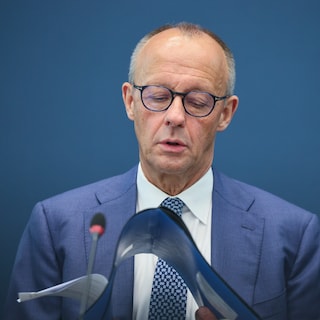
Duitsers boos over verplicht bezoek aan huisarts op eerste dag van ziekmelding
de volkskrant · 1 day ago

Friedrich Merz will Krankschreibung ab Tag eins - was bringt das? Wer krank ist, muss in Deutschland künftig ab dem ersten Tag zum Arzt. So wird das auch in Österreich oft gehandhabt – sehr zum Missfallen der Hausärzte
der standard · 1 day ago

"Taka sytuacja zagraża bezpieczeństwu pacjentów". Lekarze rezydenci krytykują ministerstwo Już rok temu do ministerstwa zdrowia trafiły informacje dotyczące nieprawidłowości związanych z dyżurami w szpitalach. Lekarze rezydenci twierdzą, że resort nie zadbał należycie o bezpieczeństwo pacjentów.
gazeta.pl · 1 day ago
Wegen Klage der Linke-Fraktion: Bundestags-Beschluss zum Heizgesetz könnte verschoben werden Die Koalition will das Heizgesetz grundlegend reformieren. Eine Klage der Linke aber könnte den Zeitplan durchkreuzen.
tagesspiegel · 1 day ago
Reform: Änderungen bei Gesundheits-Sparpaket in Sicht Die Koalition will immer höhere Milliardenausgaben für die Gesundheitsversorgung unter Kontrolle bringen. Für ein dazu geplantes Spargesetz kommen auf der Zielgeraden noch einige Nachjustierungen.
handelsblatt · 1 day ago
Koalition: Absprachen sollen Gesundheitsreform auch durch Bundesrat bringen Derzeit ist geplant, dass die Gesundheitsreform am Freitag zuerst im Bundestag beschlossen werden soll. Die bisher geplanten 250 Millionen Euro seien laut dem CDU-Generalsekretär zu wenig.
handelsblatt · 1 day ago
Krankenhausreform: Kein Doppelangebot: Kliniken in Potsdam streichen Leistungen
die zeit · 1 day ago
Gesundheitsreform: Krankenkassen-Sparpaket: Was hinter den Last-minute-Änderungen steckt Das Sparpaket für die Krankenkassen wurde kurz vor Verabschiedung noch einmal angepasst. Wer ist von den neuen Regeln betroffen? Und: Wie Berlin krisenfest werden will.
die zeit · 1 day ago

Metade de portugueses recorre à IA em vez de ir ao médico Os dados sobre Portugal acompanham uma tendência identificada no conjunto do estudo
observador · 1 day ago
La carrera de la IA cambia de escenario y Anthropic quiere crear medicamentos con Claude: su objetivo son las enfermedades desatendidas Salud - La compañía explicó que trabajará junto a especialistas para aprender durante el desarrollo de terapias destinadas a dolencias que reciben menos inversión por parte del mercado¿Cómo puede una Inteligencia Artificial resolver los problemas más difíciles y fallar en operaciones simples? La explicación revela el mayor reto de la tecnología El acceso a mejores modelos decide qué empresa lanza antes un producto, qué país marca reglas y quién impone estándares técnicos en todo el sector. Esa presión define la carrera por estar por delante en inteligencia artificial, donde cada avance permite procesar más datos, automatizar tareas complejas y abrir nuevas aplicaciones antes que el resto. El objetivo no se limita a crear sistemas más potentes, también pasa por aplicarlos antes en ámbitos como la industria, la defensa o la sanidad, donde el que llega primero gana ventaja durante años. Esa competencia empuja a empresas y gobiernos a invertir, contratar talento y acelerar desarrollos. Anthropic orientó su proyecto hacia enfermedades con poca atención comercial Anthropic ha decidido dar un paso más dentro de esa competencia al presentar Claude Science y anunciar que trabajará en el desarrollo de sus propios medicamentos, según ha informado The Verge. La compañía sitúa esta iniciativa dentro de su estrategia para acelerar la investigación científica y probar sus herramientas en un entorno real, con la intención de entender mejor los problemas que afrontan quienes investigan en el ámbito farmacéutico. El movimiento no se produce en solitario, porque grandes tecnológicas y farmacéuticas llevan tiempo intentando ganar terreno en este espacio. OpenAI, Google o Amazon ya colaboran con empresas del sector sanitario, mientras gigantes como AstraZeneca o Novo Nordisk desarrollan sus propias soluciones basadas en inteligencia artificial. Esta competencia ha ampliado el alcance de la carrera tecnológica, que ya no se limita a software o datos, sino que entra en procesos industriales complejos como la creación de nuevos tratamientos. Anthropic ha planteado su entrada en este terreno con un enfoque centrado en enfermedades que suelen quedar fuera del interés comercial de la industria. Eric Kauderer-Abrams, responsable de ciencias de la vida en la empresa, explicó durante un evento recogido por CNBC que el objetivo es trabajar en dolencias desatendidas y aprender directamente del proceso de desarrollo. Creemos en la importancia de aprender desde dentro del proceso y trabajar junto a quienes desarrollan medicamentos, señaló al describir esa estrategia. La IA participa en todas las fases del desarrollo farmacéutico La presencia de la inteligencia artificial en este ámbito no responde a una única función, sino a una suma de tareas que abarcan desde la investigación inicial hasta la producción. Namshik Han, profesor en la Universidad de Cambridge, explicó a The Verge que se trata de un concepto amplio que se aplica en cada etapa del proceso, desde la búsqueda de compuestos hasta el análisis de datos clínicos. Esa amplitud hace que la tecnología se integre como una herramienta transversal en el trabajo diario de laboratorios y empresas. Esa integración ya permite acelerar algunas fases concretas del proceso, sobre todo en la generación de hipótesis y en la exploración de posibilidades. Matthew Todd, profesor en University College London, indicó que la inteligencia artificial resulta útil para probar ideas de forma rápida y evaluar qué caminos merecen más atención. Los modelos pueden sugerir moléculas, relacionarlas con objetivos biológicos conocidos y abrir vías que, sin ese apoyo, tardarían más en aparecer. Los ensayos clínicos mantienen un proceso largo hasta los pacientes Aun así, ese avance tiene límites claros cuando se traslada al mundo real, donde cada propuesta debe someterse a pruebas estrictas. Frank von Delft, profesor en la Universidad de Oxford, subrayó que los modelos actuales no sustituyen los experimentos, que siguen siendo imprescindibles para comprobar si un fármaco funciona y si es seguro. Esa comprobación exige tiempo, recursos y trabajo especializado, factores que no pueden acelerarse al mismo ritmo que el análisis digital. El recorrido completo hasta que un medicamento llega a pacientes sigue siendo largo y lleno de obstáculos, incluso cuando interviene la inteligencia artificial. Los ensayos clínicos requieren años de pruebas y validaciones, y muchos candidatos se descartan en el camino. Todd recordó que siempre existe un retraso entre la idea y su confirmación experimental, porque demostrar que un tratamiento es seguro exige repetir procesos y verificar resultados en condiciones controladas. En ese escenario, las nuevas herramientas buscan recortar etapas iniciales y orientar mejor el trabajo, aunque no cambian la naturaleza del proceso completo. Michael Pollastri, investigador en Northeastern University, explicó a The Chemical Engineer que sistemas como Claude Science pueden acelerar la recopilación de información y ayudar a decidir qué pasos dar después, lo que permite aumentar el ritmo de los experimentos en laboratorio. El lanzamiento de Claude Science refleja esa intención de integrar la inteligencia artificial en un entorno de investigación más amplio, con herramientas conectadas en un mismo espacio de trabajo. Anthropic plantea este sistema como una plataforma que agrupa datos, análisis y generación de resultados, con la idea de facilitar el trabajo de científicos y reducir el tiempo necesario para avanzar en sus proyectos.
eldiario.es · 1 day ago
Folgen der Krankenhausreform in Potsdam: Bergmann schließt Orthopädie, St. Josefs die Geburtenstation und Babyklappe Schon ab August schließt das St. Josefs-Krankenhaus die Geburtshilfe und Neurologie. Das Bergmann-Klinikum verabschiedet sich unter anderem von der Orthopädie. Grund ist die Krankenhausreform.
tagesspiegel · 1 day ago
Krankheit: CDU-Arbeitnehmer gegen erschwerte Krankmeldungen Die Koalition will Fehlzeiten in Firmen senken - mit höheren Hürden für Bescheinigungen der Arbeitsunfähigkeit. Auch aus der Kanzlerpartei kommen Einwände. Ärzte warnen vor großem Extra-Aufwand.
handelsblatt · 1 day ago
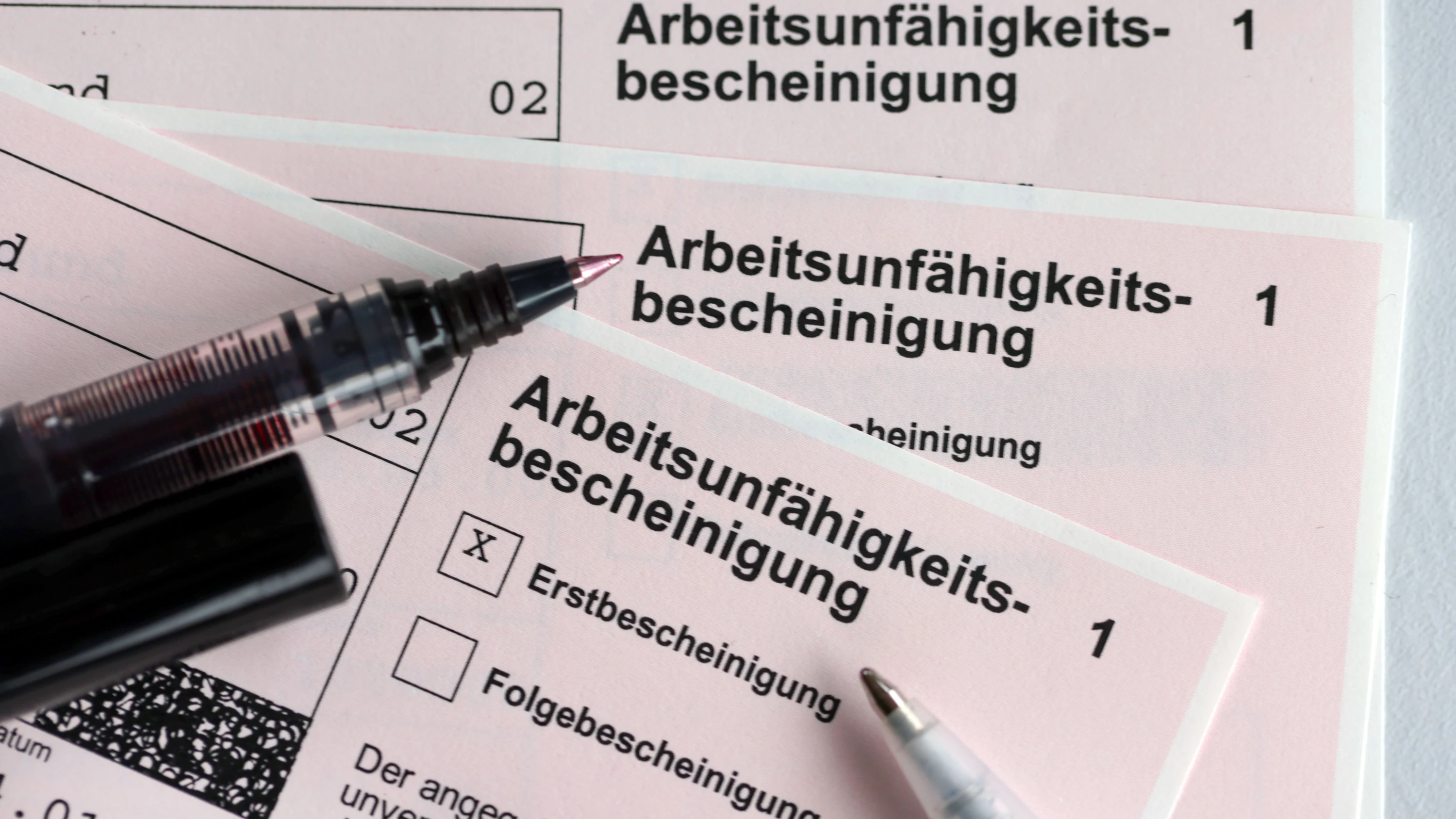
F.A.Z. Podcast für Deutschland: Zoff um Krankschreibungen: „Fehltage kosten 80 Milliarden Euro im Jahr Die Bundesregierung will kranke Arbeitnehmer künftig direkt zum Arzt schicken. Was ist damit gewonnen?
faz · 1 day ago
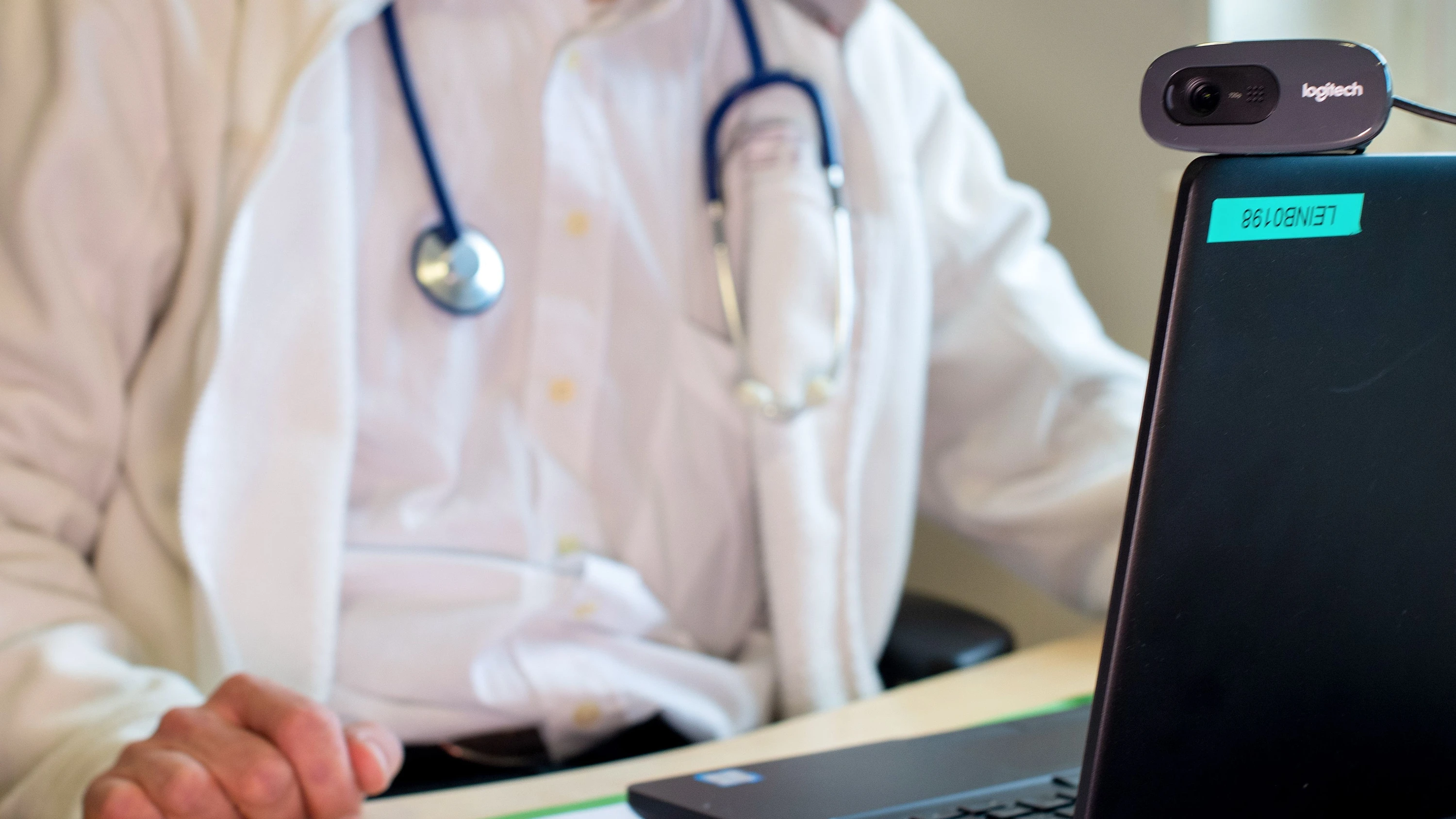
Internationaler Vergleich: Wo der Detektiv die Krankmeldung überprüft Deutschland debattiert über strengere Auflagen für Krankschreibungen. Anderswo gelten die längst. Aber es gibt auch Länder mit noch laxeren Bestimmungen.
faz · 1 day ago
CDU und Grüne: Kritik an Plänen zur Krankschreibung
sueddeutsche · 1 day ago