
Estonia healthcare workers rely on ad-hoc translation as system lacks public funding
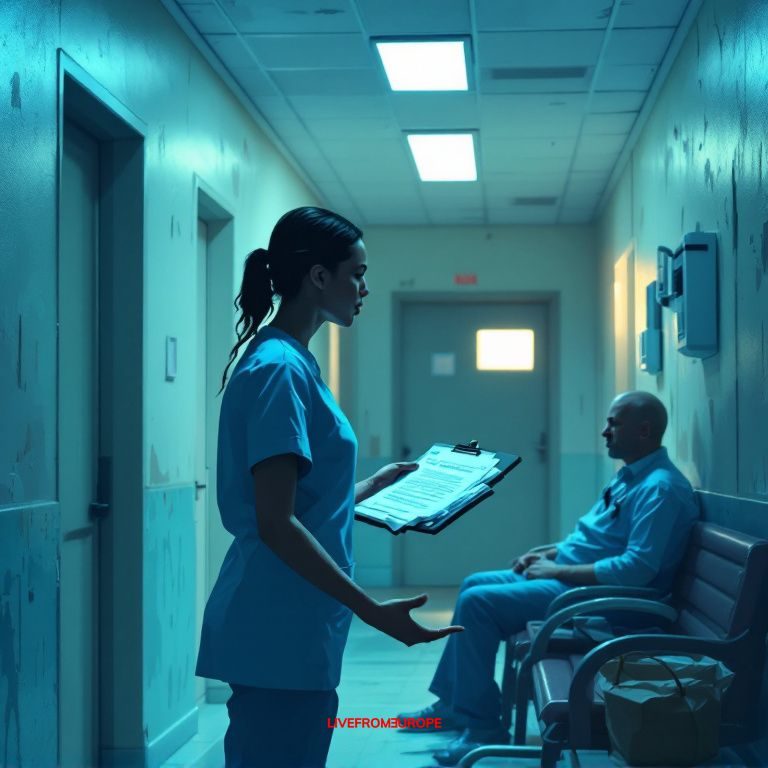
Estonia’s healthcare system lacks structured translation services, forcing medical staff to address language barriers independently, according to a report by Jekaterina Maadla published on Friday. In one case, a gynecologist asked a patient, “Are you Estonian?”—a question the patient later realized was an attempt to determine the preferred language for discussing test results. Maadla’s doctoral research found that 90% of healthcare workers surveyed considered translated medication leaflets essential for treatment, alongside patient rights documents, consent forms, and treatment guidelines. While written materials are often sent to translation agencies, healthcare workers review and edit them to ensure accuracy. For spoken communication, professionals rarely use interpreters, instead relying on colleagues, administrators, family members, or other patients, as healthcare translation in Estonia is not publicly funded, unlike in policing or courts .
In Austria, foreign-trained doctors face significant hurdles, particularly language requirements, before practicing. Hajar Fawzy, a 30-year-old ophthalmologist from Egypt, moved to Austria after her husband secured a job there. To continue her career, she had to navigate the *Nostrifizierung* process, which validates foreign medical degrees. For doctors from non-EU countries, the process includes proving German proficiency at a C1 level, as required by the Medical University of Vienna. Fawzy, who had only basic German (A2) upon arrival, spent years improving her language skills. In 2024, the Austrian Medical Chamber issued 225 confirmations to doctors with third-country diplomas, certifying their degrees had not been recognized elsewhere in the EU. The chamber estimates Austria needs 1,836 new doctors annually just to maintain current staffing levels, with demand particularly high in rural areas and certain specialties .
Romania’s European Health Insurance Card (CEASS) grants insured individuals access to medically necessary care during temporary stays in EU member states, the European Economic Area, Switzerland, and the United Kingdom. The card, issued free upon request, covers treatment under the same conditions and costs as those applied to insured residents of the visited country. It does not replace travel insurance and is valid for stays of up to six months. CEASS is recognized in all 27 EU states, as well as Iceland, Liechtenstein, and Norway, which are part of the EEA .
On the Azores archipelago, the regional government approved regulations on Friday to provide clinical equipment and specialized support for individuals diagnosed with Machado-Joseph disease, a neurodegenerative condition with high prevalence in the islands of São Miguel and Flores. The measures, framed under a 2023 regional decree, include mobility aids, hygiene and comfort equipment, home caregiver services, and subsidies for companions. A pilot project will initially test the home caregiver program to assess its effectiveness. The decision follows a 2025 recommendation by the Ombudsman, who urged urgent regulation to ensure access to specialized resources for patients .
Follow us for live European news
- 1
- 1
- 1
- 1
- 1
Articles

Cardul european de sănătate: Ce servicii medicale acoperă în străinătate și cum îl poți obține gratuit Cardul european de asigurări sociale de sănătate le permite persoanelor asigurate în România să primească asistența medicală devenită necesară în timpul unei șederi temporare într-un stat din Uniunea Europeană, Spațiul Economic European, Elveția sau Regatul Unit. Documentul se eliberează gratuit, la cerere.
digi24 · about 2 hours ago
Jekaterina Maadla: Healthcare workers solve language barriers on their own Healthcare workers often have to resolve language barriers with non‑Estonian‑speaking patients on their own, because the healthcare system lacks a structured translation service and funding, writes Jekaterina Maadla.
news.err · about 4 hours ago
Migrantische Ärzte: Zwischen Ausbildung und Zulassung liegt die Sprachbarriere [premium] Österreichs Gesundheitssektor braucht zusätzliches Personal. Doch wer mit einem Abschluss aus dem Ausland kommt, muss erst einige Hürden überwinden. Die Geschichte einer Ärztin, die es geschafft hat.
die presse · about 5 hours ago
Suomen kieli | Kielen osaaminen on avain Suomeen kotoutumiseen Kotoutumista ja kielen oppimista ei voi pikakelata poliittisten päätösten voimalla.
helsingin sanomat · about 8 hours ago

Açores regulamentam apoios à doença de Machado-Joseph "A implementação do cuidador ao domicílio terá, numa primeira fase, caráter experimental, através de um projeto-piloto" lê-se no comunicado
observador · about 9 hours ago