 Wednesday, May 20Wednesday, May 20
Iran’s missile capabilities remain largely intact despite U.S. military operations, with U.S. intelligence reporting that Tehran retains thousands of ballistic missiles and the ability to reactivate launchers from underground storage sites. While the conflict has caused significant damage, Iran has demonstrated resilience in restoring portions of its missile arsenal .
The U.S. has acknowledged that Iran’s missile power has not been substantially weakened after ten weeks of war, which has cost the U.S. $29 billion. President Trump has dismissed reports of Iran’s military recovery, contradicting intelligence assessments . Meanwhile, Iran has expanded its operational definition of the Strait of Hormuz, designating a much larger area as militarily significant, a move likely to escalate tensions with the U.S. .
Regional dynamics have further complicated the conflict, with reports indicating that the UAE coordinated military strikes on Iranian petrochemical and refinery sites alongside Israel, deepening security ties between the two nations . The UAE has denied involvement in secret attacks on Iran, asserting it does not seek escalation but reserves the right to self-defense . However, the UAE’s actions risk drawing Gulf states into a broader conflict, particularly if the U.S.-Iran ceasefire collapses .
Negotiations between the U.S. and Iran remain contentious, with Tehran demanding Washington accept its latest peace plan to prevent the truce’s collapse. Trump has claimed certainty that Iran will halt uranium enrichment, though no confirmation from Tehran has been provided . Meanwhile, China has rejected Israeli accusations of assisting Iran’s missile program, emphasizing its commitment to non-proliferation . The Pentagon is reportedly considering renaming the Iran operation to "Sledgehammer" to reset a 60-day congressional approval clock if attacks resume .
> Background: **Irans Nuclear Escalation and Regional Tensions Reshape Middle East Security** — *3 hours ago*
More LFE coverage on this topic
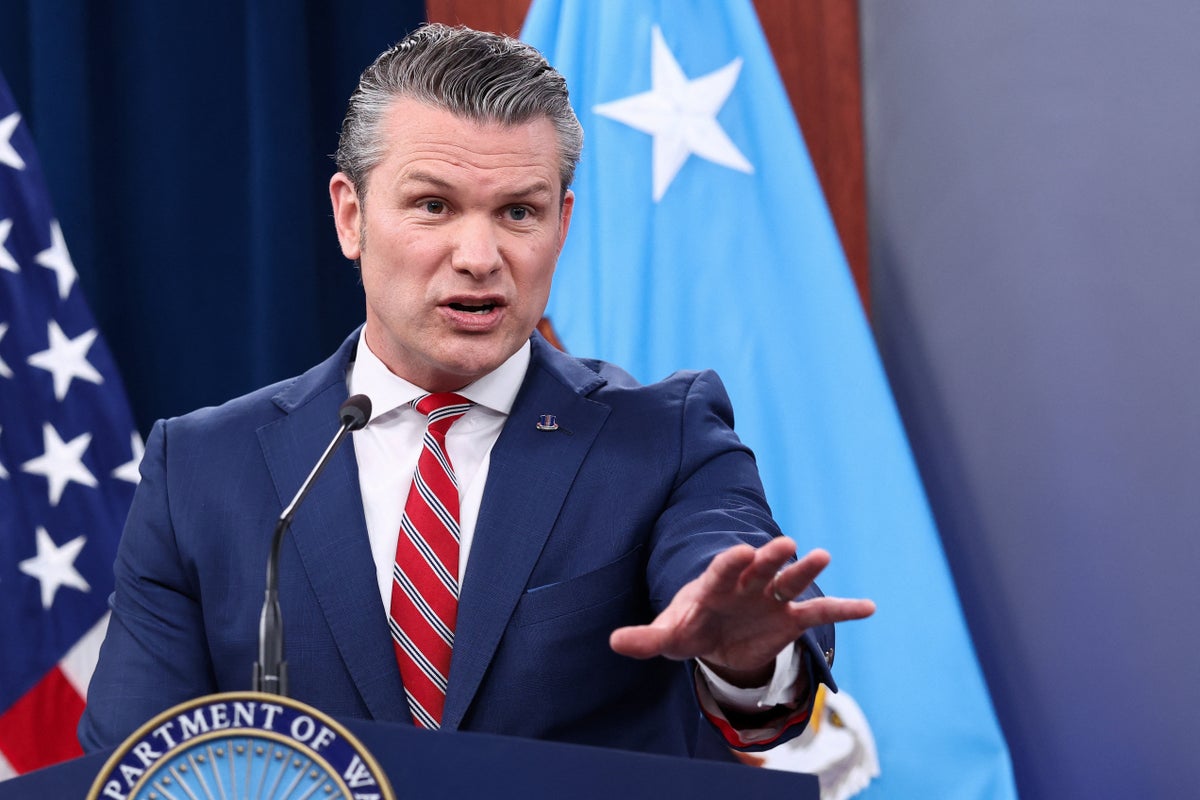
Pentagon considering renaming Iran war Sledgehammer if attacks resume: report From the Trump administrations point of view, renaming the military operation would restart a 60-day clock that requires congressional approval for war, one official said
independent · 8 days ago
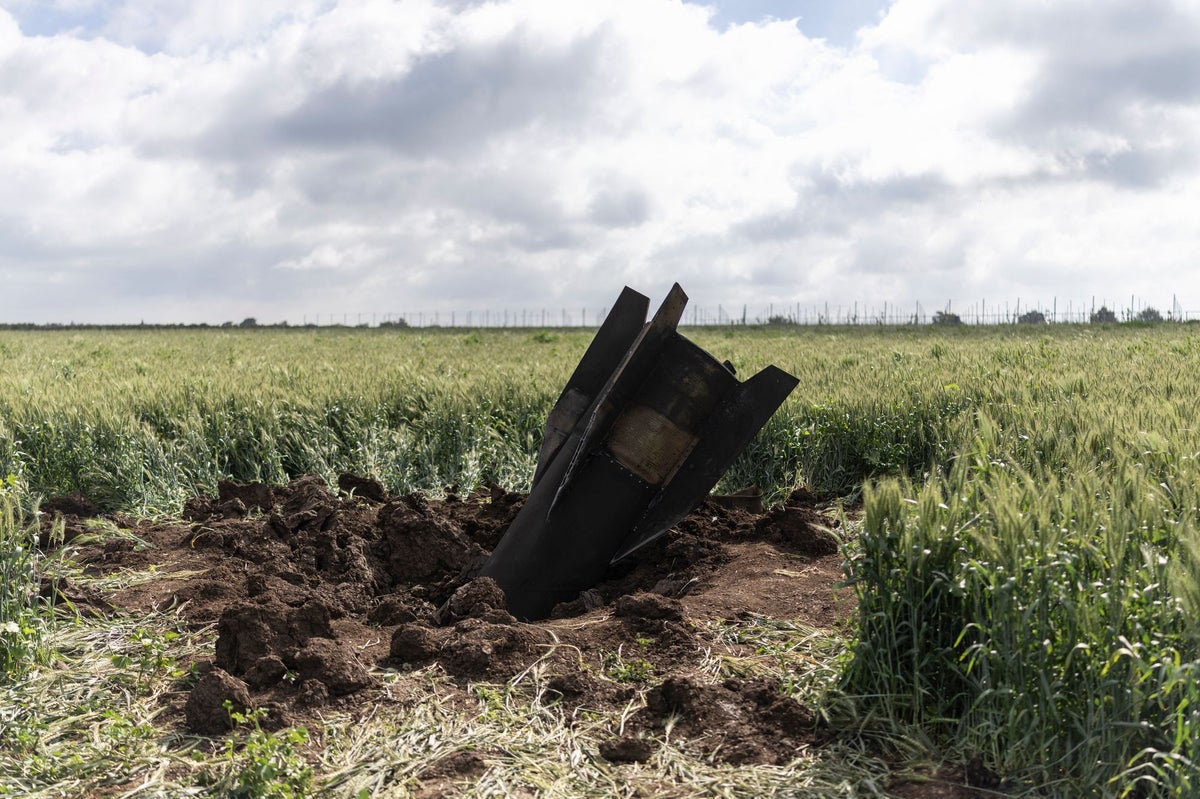
Trumps war has barely weakened Irans military with missile power still largely intact, US intelligence says The Pentagon announced on Tuesday that ten weeks of war has cost the United States $29 billion
independent · 8 days ago
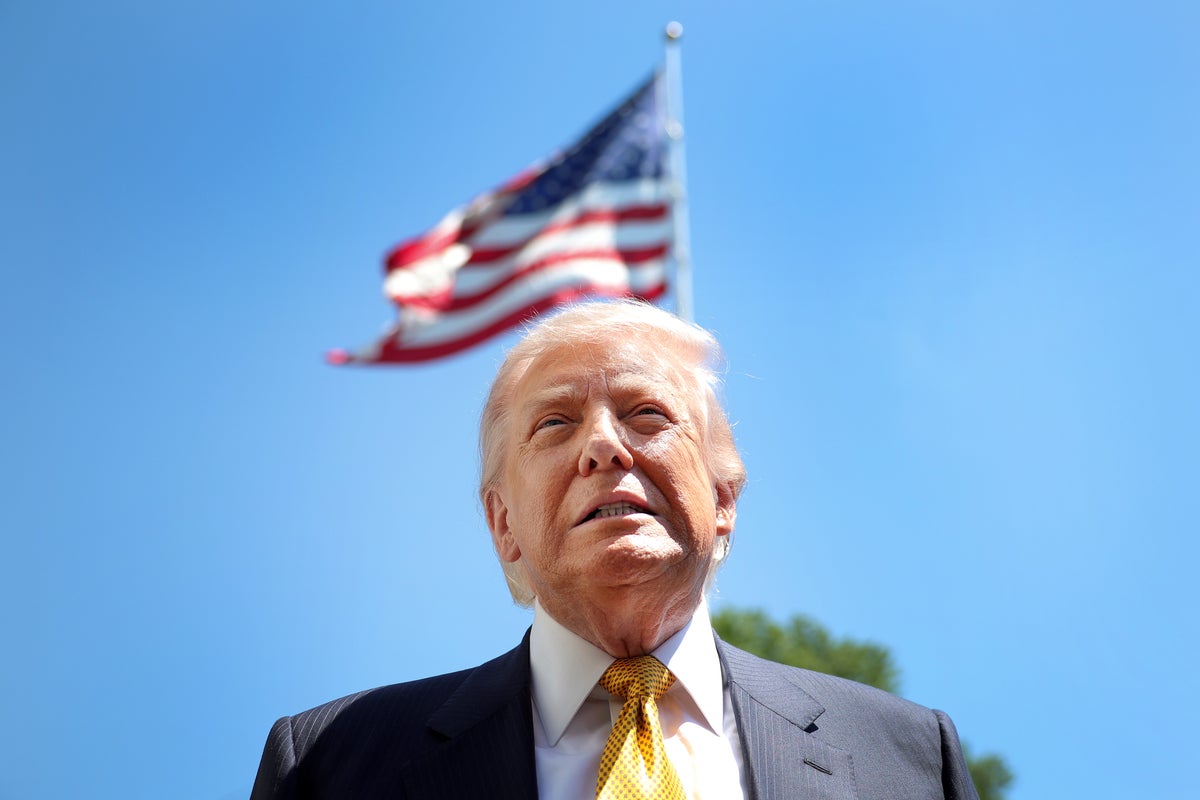
Iran-US war latest: Trump heads for Beijing after US intel warns Tehran has regained its missile capabilities Trump says reports that the Iranian enemy is doing well are false
independent · 8 days ago

#Iran Iran still retains thousands of ballistic missiles and has the ability to reactivate many of its missile launchers, which could be retrieved from underground storage sites. Despite significant damage to its missile capabilities, U.S. intelligence indicates that Iran can restore a portion of its missile arsenal. Subscribe to @OSINTdefender Chat room
telegram bot · 8 days ago
🇺🇸 — President Trump outright states that he is not considering the American peoples financial situation when conducting negotiations with Iran. The only thing that matters is that Iran cant have a nuclear weapon. @GeoPWatch
telegram bot · 8 days ago
Middle East crisis live: Cost of US war on Iran mounting – as it happened Pete Hegseth and other officials appear before House to face grilling on Iran war expenditure and military operationsIran has expanded its definition of the strait of Hormuz into a vast operational area far wider than before the war, according to a senior officer in the Islamic Revolutionary Guard Corps (IRGC) Navy in comments likely to anger the US.The strait is no longer viewed as a narrow stretch around a handful of islands but instead has been greatly enlarged in scope and military significance, according to Mohammad Akbarzadeh, deputy political director of the IRGC Navy, the state-affiliated Fars news agency reported this morning. Continue reading...
theguardian · 8 days ago
Iran tells US to accept latest peace plan or face failure of Middle East truce Irans chief negotiator said on Tuesday Washington must accept Tehrans latest peace plan or risk the collapse of the Middle East truce, after President Donald Trump warned the ceasefire was near failure. The war, triggered by US-Israeli strikes on Iran more than two months ago, has destabilised the region and rattled global markets.
france24 · 8 days ago
#Iran #UAE #Israel The UAE coordinated military strikes on Iran with Israel as part of their deepening security ties, particularly in response to Iranian attacks on UAE territory. This collaboration included targeting Iranian petrochemical and refinery sites. Subscribe to @OSINTdefender Chat room
telegram bot · 8 days ago
#Iran #China #Israel China has strongly rejected accusations from Israeli Prime Minister Netanyahu that it is assisting Iran with missile capabilities, labeling such claims as unfounded. The Chinese government emphasizes its commitment to responsible military exports and non-proliferation. Subscribe to @OSINTdefender Chat room
telegram bot · 8 days ago
#Iran #USA Trump claims he is 100 percent sure that Iran will stop enriching uranium, although there is no confirmation from Iran regarding this assertion. Negotiations between the U.S. and Iran are ongoing, and the situation remains uncertain. Subscribe to @OSINTdefender Chat room
telegram bot · 8 days ago
#Iran #USA #UAE The UAE has denied reports of secretly attacking Iran, stating that it does not seek to escalate conflicts and acts independently. Additionally, the UAE maintains a defensive posture and emphasizes its right to self-defense against Iranian aggression. Subscribe to @OSINTdefender Chat room
telegram bot · 8 days ago
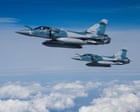
UAEs secret attack on Iran risks drawing Gulf states into the war If current precarious ceasefire between US and Iran ends, Emirates are more likely to be targeted by TehranMiddle East crisis: live updatesThe risk of some Gulf states becoming embroiled in a direct war with Iran has risen after it was reported the United Arab Emirates had secretly launched a major attack on Iran during the conflict.In addition, Kuwait has said that at least four members of the Islamic Revolutionary Guard Corps had been captured trying to carry out terrorist attacks on the Kuwaiti-owned Bubiyan Island, the largest island in the Kuwaiti coastal chain. Continue reading...
theguardian · 8 days ago