
Tens of thousands march across France in historic protests against sexual violence
Tens of thousands of people marched across France on Saturday in a historic mobilisation against sexual violence, triggered by the rape and murder of 11-year-old Lyhanna in the southwestern town of Fleurance. Organisers said 100,000 people took part in the Paris march alone, with demonstrations held in about 110 cities nationwide. The protests followed the discovery of Lyhanna’s body in a silo on 5 June, a week after she went missing on 29 May. DNA evidence recovered from the scene linked the child to Jérôme Barella, a 41-year-old man already in police custody after being filmed putting her into his car.
Barella’s history of alleged sexual violence against minors had been documented for years. In 2017, a mother reported his relationship with her then-17-year-old daughter, though she described it as consensual. In 2021, he lost his teaching post after inappropriate messages to a pupil, though they were not explicit. A 2022 complaint of rape against a seven-year-old was dismissed due to lack of evidence. In 2023, a US organisation flagged his suspicious online activity, but French authorities processed fewer than 1% of 318,000 such reports that year. In August 2025, a mother filed a complaint alleging Barella had raped her ten-year-old daughter at least 50 times; despite eight follow-ups, he was never questioned. Justice Minister Gérald Darmanin apologised for what he called a “huge failure,” but refused to resign.
The coalition behind the marches, uniting 180 associations, is demanding a single comprehensive law to address sexual violence from prevention to victim support, rather than piecemeal measures. “We cannot have an underfunded judicial system that protects attackers rather than victims,” said Anne-Cécile Mailfert, president of the Women’s Foundation. “With 94 percent of rape complaints being dismissed without further action, many attackers face no consequences.” Protesters in Paris chanted slogans such as “Truth emerges from the mouths of children!” and “160,000 children, what are you doing?”
Eline, a 17-year-old high school student who joined the march, described how a police officer dismissed her own rape complaint this year. “He told me it wasn’t rape, that it could ruin the man’s life, and made me feel guilty for what I said,” she recounted. “This has to change.” The demonstrations come amid broader public anger over systemic failures in protecting children. Right-wing politicians have proposed populist solutions, including a “disciplinary court” for judges and “chemical castration” for sex offenders, though such measures already exist or face legal hurdles.
The case has reignited national debate over judicial accountability and the treatment of sexual violence complaints. A disciplinary body, the Conseil supérieur de la magistrature, has sanctioned judges since 2010, contrary to claims of blanket impunity. Meanwhile, the heatwave sweeping Europe has claimed 3,700 lives, with France recording 2,025 excess deaths, underscoring the strain on public services. Yet Saturday’s marches signal a society demanding urgent reform, not just mourning.
Follow us for live European news
- 3
- 3
- 3
- 2
- 2
- 1
- 1
7 further sources not geolocated
Articles

Morro de ardilla Mar Márquez describe una sociedad muy estratificada y mediatizada: sobra gente, que se liquida en rituales religiosos y con el suicidio obligatorio
la vanguardia · about 3 hours ago

Ana Burgos: Muchos hombres callan cuando el denunciado es un amigo suyo La violación grupal de La Manada, de la que este año se cumplen diez años, supuso un antes y un después en el debate social, la respuesta institucional y la forma de nombrar y abordar las violencias sexuales
la vanguardia · about 3 hours ago

Nosotras somos la manada: diez años de la violación grupal de Sanfermines
la vanguardia · about 3 hours ago

Dutch woman, travel partner abducted, sexually assaulted in Pakistan; Gang rape alleged A Dutch woman and her travel companion from Venezuela were abducted, extorted, and sexually assaulted in Pakistan in late June. Pakistani media also alleges a possible gang rape.
nltimes.nl · about 4 hours ago
Bevölkerung gedenkt mit Trauermarsch der Opfer des Gewaltverbrechens Mit einem Trauermarsch haben rund 350 Menschen in Stade der Opfer des Gewaltverbrechens vom Montag gedacht. Ein Benefizkonzert unterstützt die Hinterbliebenen und die betroffene Jugendhilfeeinrichtung.
welt.de · about 4 hours ago
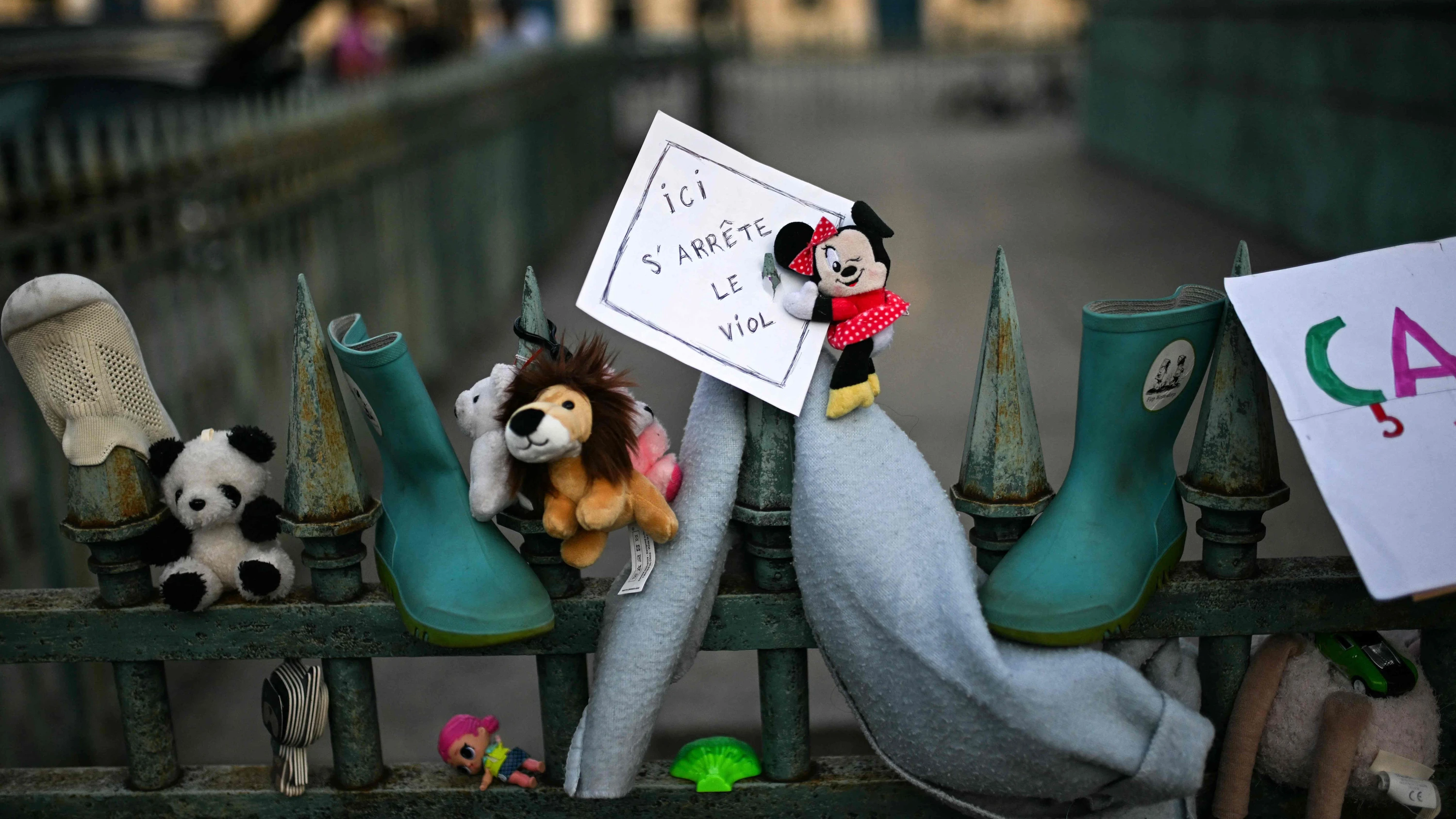
frankreichs justiz vor dem Kollaps: Ein Land, das seine Kinder retten muss Zehntausende haben in Frankreich gegen sexualisierte Gewalt demonstriert. Die Wut richtet sich auch gegen die französische Justiz und deren beunruhigenden Umgang mit dem Sexualmord an der elfjährigen Lyhanna.
faz · about 4 hours ago
Adolescentă de 16 ani violată în mod repetat de fratele ei mai mare. Agresorul spune că „și-a văzut regretata soție în sora mai mică O fată de 16 ani a fost violată în mod repetat de fratele ei mai mare, în vârstă de 38 de ani. Bărbatul a mărturisit fapta într-un interogatoriu la poliție.
adevarul · about 4 hours ago
«Ni oubli ni pardon» : à Carcassonne, une marche pour Louis, «un adolescent solaire» tué dans un guet-apens Le 19 juin, Louis, 17 ans, en fugue alors quil était confié à lASE, a été tabassé par des jeunes et est mort de ses blessures quelques jours après. Son père a conduit une marche blanche réclamant «justice pour Louis» à Carcassonne le 4 juillet après-midi. Sa mère et sa tante en organisent une autre le 5 juillet, à Narbonne, soutenue par lextrême droite.
liberation · about 5 hours ago

Wie es in Polen zu einem neuen Pogrom kam – an Holocaust-Überlebenden Ein Gerücht löste Anfang Juli 1946 heftige antisemitische Exzesse in der polnischen Stadt Kielce aus – mit mindestens 42 Toten. Hintergrund war der Kampf um die Macht im Staat zwischen Kommunisten und Antikommunisten.
welt.de · about 6 hours ago

Trump tries again to delay $5m sexual abuse payout to E Jean Carroll
bluesky_The Guardian · about 8 hours ago
Sexualisierte Gewalt im Netz: Missbrauch von Kindern: Der Täter schaut per Livestream zu
die zeit · about 9 hours ago
Pride Month: CSD-Demonstration zieht durch Köln
die zeit · about 10 hours ago
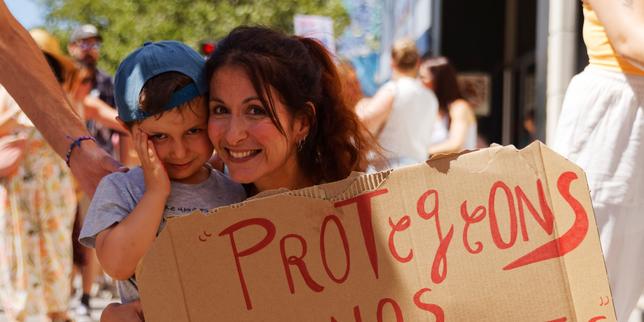
« Il faut quil y ait un sursaut » : dans le cortège parisien de lutte contre les violences sexuelles, lurgence dun changement Un mois après le meurtre de Lyhanna, plusieurs milliers de personnes ont défilé à Paris et dans 110 cortèges en France pour dénoncer les violences faites aux femmes et aux enfants et réclamer la mise en place dune loi intégrale destinée à les combattre.
le monde · about 10 hours ago
Kriminalität und Freibad: Vergangenes Jahr etwas mehr Sexualdelikte in Schwimmbädern
die zeit · about 10 hours ago

Frankreich: Zehntausende protestieren gegen sexualisierte Gewalt Die Demonstrierenden fordern ein umfassendes Gesetz anstelle von Einzelmaßnahmen. Der Fall einer getöteten Elfjährigen hatte in Frankreich für Empörung gesorgt
der standard · about 11 hours ago
:format(jpg)/f.elconfidencial.com%2Foriginal%2F8fb%2Fcdd%2F2c4%2F8fbcdd2c45079af81819b647cc7e9af4.jpg)
Un millón de personas recorren el centro de Madrid en la marcha del Orgullo 2026 Un millón de asistentes recorren Atocha-Colón para reivindicar derechos LGTBI+, alertar de una ola reaccionaria y erigirse en muro de resistencia ante posibles retrocesos
el confidencial · about 11 hours ago
Uproar in France as police raid National Rally offices amid accusations of lawfare against patriots
gdeltproject.org · about 12 hours ago
🇪🇺⚡️ — The heatwave in Europe has claimed the lives of 3,700 people, according to Reuters. According to the agency, the most severe heatwave ever recorded lasted from around June 20 to June 28. In France, according to Health Minister Stéphanie Rist, there were 2,025 excess deaths recorded. The mortality rate particularly increased among people over 45 years old. In Belgium, according to the Health Ministry, about 1,200 excess deaths were recorded between June 18 and June 29. In the Netherlands, the heatwave led to approximately 480 excess deaths, mainly among people over 80 years old. @Intelslava
telegram_Intel Slava · about 12 hours ago
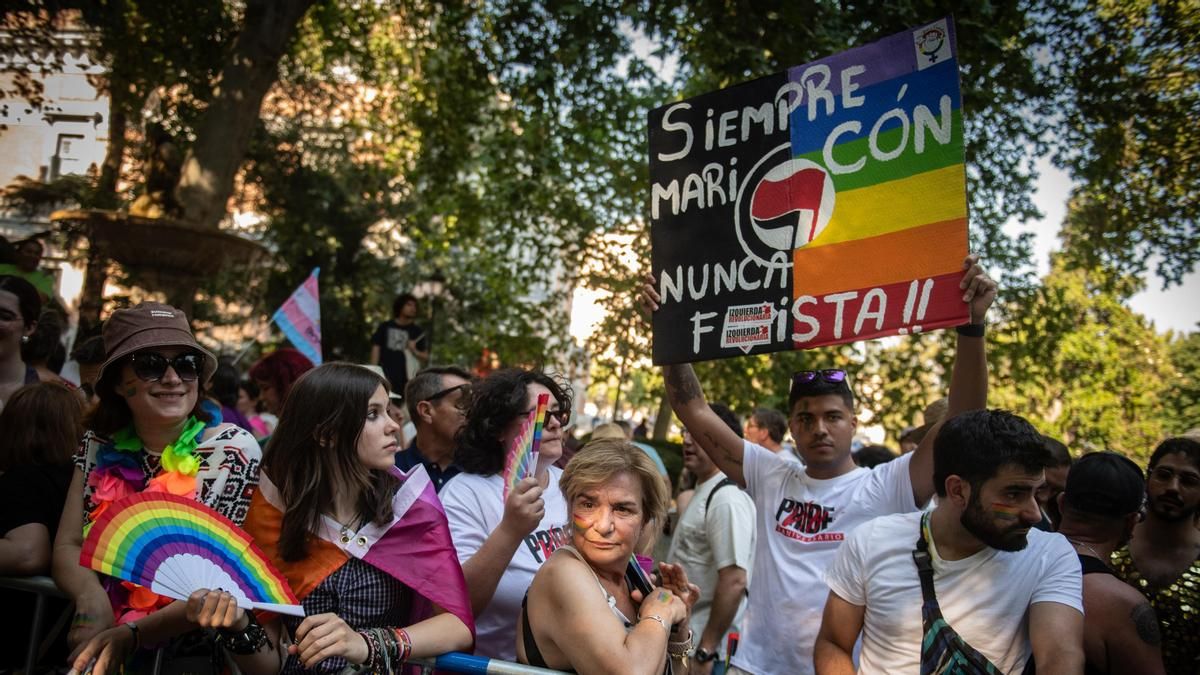
La manifestación del Orgullo LGTBI, en imágenes Aquí puedes ver las mejores imágenes que nos ha dejado esta jornada La manifestación del Orgullo LGTBI ha salido en la tarde de este sábado a las calles de Madrid para reivindicar los derechos del colectivo.
eldiario.es · about 12 hours ago

Escape from Turkish prison: Stade murderer is said to have sexually abused his own daughter #DE #Deutsch #Deutschsprechenden #Europe
mastodon bot · about 12 hours ago

Danskar demonstrerar mot larven från helvetet I danska Odense pågår på lördagen en demonstration för att uppmärksamma problemen med larven från helvetet. Nej till larver, ja till människor, står det på ett plakat.
dagens nyheter · about 12 hours ago

El Orgullo reivindica unos derechos que sienten amenazados El colectivo LGTBIQ+ se da cita en Madrid para reivindicar unos derechos que sienten amenazados
la vanguardia · about 12 hours ago

«Indignation gigantesque»: à Paris, une démonstration de force citoyenne contre les violences sexuelles À lappel de la coalition féministe et enfantiste, des cortèges ont défilé dans une centaine de villes de France pour réclamer lexamen, dès cet automne, dune «loi intégrale». Dans la capitale, les participantes ont voulu mettre la pression au gouvernement pour éviter un texte «au rabais» à la rentrée.
mediapart · about 12 hours ago
Francija: Po umoru 11-letnice protestniki zahtevajo nov zakon proti spolnemu nasilju V Franciji sta nedavno posilstvo in umor 11-letne Lyhanne sprožila zahteve po celovitem boju proti spolnemu nasilju nad otroki s krovnim zakonom, ki bi zajemal preventivo, sodno obravnavo in pomoč žrtvam.
rtv slovenia · about 12 hours ago

„Eine unglaubliche Tat. Brutal. Grausam. Unbegreiflich – Zahlreiche Menschen gedenken der Opfer Die Trauer nach der Gewalttat mit sechs Toten in Stade ist weiter groß. Zahlreiche Menschen suchen bei Gedenkveranstaltungen Trost. In Jugendhilfeeinrichtungen und Jugendämtern wächst die Verunsicherung.
welt.de · about 13 hours ago
Tens of thousands rally in France for a comprehensive law to fight sexual violence The shockwave following the rape and murder of 11-year-old Lyhanna in May has continued to echo across France, with tens of thousands of people across the country marching on Saturday in support of what organisers call a comprehensive law against sexual violence. 👉 Read more:
telegram_France 24 · about 13 hours ago
Frankreich: Großprotest gegen sexualisierte Gewalt
orf.at · about 13 hours ago

Thousands of protesters march throughout France to demand new law against sexual violence
news.yahoo.com · about 13 hours ago
Tens of thousands rally in France against sexual violence Tens of thousands of people demonstrated in several French cities Saturday to protest against sexual violence, the latest manifestation of outrage that has been sparked by the rape and killing of an 11-year-old girl. 👉 Read more:
telegram_France 24 · about 13 hours ago
Barn under 12 fick dödshjälp – första fallet Ett barn under tolv år har fått dödshjälp i Nederländerna.Fallet är det första sedan lagändringen för två år sedan.
expressen · about 14 hours ago