
Hungarys opposition Tisza party ousts Orbán after 12 years: ex-Supreme Court chief elected president

Hungarian voters ended Prime Minister Viktor Orbán’s 12-year tenure in a landslide victory for the opposition Tisza party, defying expectations and the ruling Fidesz’s media dominance, according to an analysis published on Aug. 9 by Helmut Anheier, Edward Knudsen, and Joseph Saraceno in *HVG* .
The authors, affiliated with the Hertie School in Berlin and UCLA, noted that Orbán’s Hungary had served as a model for aspiring autocrats in the West, but his defeat demonstrated that even entrenched illiberal regimes could be unseated. They cited the Berggruen Governance Index, which classifies Hungary as a hybrid system that had recently improved its governance quality after years of democratic backsliding.
In a separate development, András Baka, a former president of Hungary’s Supreme Court, was elected by parliament on Aug. 9 to serve as the country’s new president. Baka, in a July interview with *Klubrádió*, argued that the removal of former President Tamás Sulyok was a necessary step in dismantling an authoritarian system, stating that Sulyok had lost public trust and that the state’s institutions required constitutional safeguards. Baka emphasized the need for a non-partisan president to oversee the transition, warning against the misuse of supermajority powers .
The analysis in *HVG* also contrasted Hungary’s shift with global trends, noting that the world is not uniformly moving toward liberal democracy or authoritarianism. It highlighted China’s economic growth alongside tightening political controls, and the accelerated institutional erosion under a potential second Trump administration in the U.S., where the president has systematically weakened executive branch constraints.
Follow us for live European news
- 3
- 2
- 2
- 1
- 1
- 1
- 1
- 1
- 1
- 1
- 1
7 further sources not geolocated
Articles

Vannacci sceglie lex-generale Carmelo Burgio per la corsa a sindaco di Milano: Saprebbe come rastrellare Rogoredo Un altro ex-generale come lui per la corsa a sindaco di Milano. Carmelo Burgio è il candidato scelto da Roberto Vannacci, leader del movimento di estrema destra Futuro Nazionale, per le prossime elezioni comunali del capoluogo lombardo. Il paracadutista in congedo va quindi ad aggiungersi al già parecchio affollato campo degli aspiranti alla poltrona di […] Larticolo Vannacci sceglie lex-generale Carmelo Burgio per la corsa a sindaco di Milano: Saprebbe come rastrellare Rogoredo proviene da Il Fatto Quotidiano.
il fatto quotidiano · about 2 hours ago
Myanmar rebuffs ASEAN call to free Aung San Suu Kyi, questions need for envoy Myanmars military-backed government has rejected ASEANs call for the unconditional release of former leader Aung San Suu Kyi
abcnews · about 3 hours ago
Japan marks Nagasaki bombing anniversary as nuclear debate rattles pacificists The Japanese city of Nagasaki on Sunday marked the 81st anniversary of the US atomic bombing with a ceremony at the Peace Park memorial. It came as Japanese Minister Sanae Takaichi s government has opened a debate on the countrys postwar non-nuclear principles amid increasing doubts over the reliability of the US security umbrella as China flexs its military muscles in the region.
france24 · about 3 hours ago
Exportwirtschaft: China im ersten Halbjahr Deutschlands wichtigster Handelspartner Die deutschen Exporte in die USA lassen spürbar nach – dafür importiert Deutschland nun umso mehr Güter aus China. „Made in Germany muss sich möglicherweise neu erfinden.
handelsblatt · about 3 hours ago
Paet: Parties should nominate experienced politicians for president - The Baltic Times TALLINN – Urmas Paet, Vice-Chair of the European Parliaments Committee on Foreign Affairs, believes that presidential candidates shou......
baltic times · about 3 hours ago

As Trump drastically rolls back rules for Head Start, some Republicans are wary
news.yahoo.com · about 4 hours ago

🔴 BREAKINGRebeca Grynspan Emerges as Frontrunner for UN Secretary-GeneralCost Rican diplomat Rebeca Grynspan, current head of UNCTAD and former vice-president, has become the surprise frontrunner to become the first female Secretary-General of the United Nations. She is viewed as a continuity candidate with tacit support from current...📰 #Geopolitics #GeoWire
mastodon bot · about 4 hours ago
EKRE head: Ülle Madises election in the Riigikogu could be contested in court Martin Helme said his party would not support Chancellor of Justice Ülle Madise as a potential candidate in the presidential election and that the chancellors conflict of roles in the election could lead to the result being challenged in court.
news.err · about 4 hours ago
Estonias parties betting on tax cuts, AI and demographics ahead of 2027 elections Reviving Estonias economy, reversing the decline in the birth rate and ensuring national security emerged as the key issues ahead of the 2027 elections at Opinion Festivals party chairmen debate.
news.err · about 5 hours ago
Crin Antonescu îl pune la zid pe președintele Nicușor Dan: „Cum adică nu poate? Atunci trebuie să demisioneze! Crin Antonescu lansează un atac dur la adresa președintelui Nicușor Dan, pe fondul crizei politice și al dificultăților privind formarea unei majorități parlamentare. Fostul prezidențiabil susține că șeful statului trebuie să găsească o soluție pentru guvernare, chiar și fără PNL.
adevarul · about 5 hours ago
Cine va conduce America după Donald Trump? (1) Lupta pentru succesiunea lui Donald Trump a început deja: JD Vance încearcă să transforme trumpismul într-o doctrină politică durabilă, în timp ce vechea gardă republicană luptă pentru a recâștiga partidul și pentru a decide cine va conduce America după 2028.
adevarul · about 5 hours ago
Umstrittene US-Einwanderungsbehörde: ICE will Mitarbeiter bis Ende August mit Bodycams ausstatten Tödliche Schüsse bei Verkehrskontrollen hatten Fragen aufgeworfen, warum die ICE-Beamten keine Bodycams trugen. Das soll sich nun ändern.
tagesspiegel · about 5 hours ago

A Chinese motorcycle startup founded just two years ago is shaking up the racing world. ZXMoto stunned rivals by winning a Supersport World Championship race in March, helping send orders soaring for its low-cost superbikes. ➡️
bluesky_AFP English · about 5 hours ago
Mostar has a record Budget, but no Money for Newborns The city of Mostar has a record budget of 162 million convertible marks this year, but it does not include funds for one-time cash benefits for newborns. As a result, parents have been unable to submit applications for assistance for months, while the opposition and parents associations are demanding a budget rebalance. The decision has […] The post Mostar has a record Budget, but no Money for Newborns appeared first on Sarajevo Times.
sarajevo times · about 5 hours ago
Lascia la scuola a 18 anni e crea unazienda che oggi vale quasi 3 miliardi di euro: la storia di James Dacombe Cè chi a 18 anni sceglie luniversità e chi, come James Dacombe, decide di lasciare la scuola dopo appena due giorni per fondare unazienda. Oggi, a 25 anni, quella scommessa potrebbe farlo diventare il più giovane miliardario britannico che si occupa di tecnologia. La sua società, Olix, è stata valutata 2,5 miliardi di sterline (2,91 […] Larticolo Lascia la scuola a 18 anni e crea unazienda che oggi vale quasi 3 miliardi di euro: la storia di James Dacombe proviene da Il Fatto Quotidiano.
il fatto quotidiano · about 5 hours ago
Smartphone shipments fall as higher memory costs reshape market Global smartphone shipments fell by 6 per cent year-on-year to 272 million units in the second quarter of 2026, as persistently high memory prices disrupted supply chains, raised component costs and forced manufacturers to overhaul pricing and product strategies, according to a new report by research firm Omdia. The research firm said the decline followed […]
cyprus mail · about 6 hours ago

So tickt die neue CDU-Strategin an der Seite von Friedrich Merz Franziska Hoppermann ist die neue Generalsekretärin der CDU – und zugleich die große Unbekannte im politischen Berlin. Warum wurde sie auf den Posten gesetzt? Begegnung mit einer Frau, auf die der Kanzler baut.
welt.de · about 6 hours ago
Bank of Japan warns global AI demand boom poses lasting inflation risk Global AI-related demand may exert lasting upward pressure on Japans inflation, the Bank of Japan has said, signalling its alarm over mounting inflation risks that could boost the case for a near-term interest rate hike. Artificial intelligence should boost productivity and put downward pressure on prices over the medium to long term, as workers and […]
cyprus mail · about 7 hours ago
UK job postings fall 11 per cent as graduate demand drops to 2020 low AI skills demand hits record high despite broader UK hiring slump British hiring fell in the first six months of 2026 with job postings for graduates at their lowest since 2020, according to a survey from recruitment platform Indeed that also showed demand for AI skills hit a record high. The UKs labour market is […]
cyprus mail · about 8 hours ago
Chinas monthly inflation cools as impact from Iran war ebbs July CPI rose at slowest pace since January while factory-gate price growth decelerated
financial times · about 8 hours ago

Vänstersvängen en reaktion på Trump – men kan stå Demokraterna dyrt En vänstervåg drar fram i det demokratiska partiet i USA. Bakom den finns ett starkt missnöje med Donald Trump – och växande kritik mot landets stöd till Israel. Men trenden riskerar att stå partiet dyrt i det stundande mellanårsvalet. – Risken är att vänstervågen skrämmer bort mittenväljarna, säger Dag Blanck.
dagens nyheter · about 8 hours ago
Shein offers cash payouts and extra shares to investors ahead of IPO Shein is considering lowering the cost of investment for some late-stage investors as the fast-fashion retailer pursues an IPO at a lower valuation, according to filings with the Hong Kong Stock Exchange. The company may offer payouts to early investors as well as more shares with lower conversion price for their holdings, the public filings […]
cyprus mail · about 8 hours ago
Study: AI could make high-cost manufacturing competitive again - The Baltic Times TALLINN – AI-based manufacturing systems could provide a new competitive advantage to industries in countries with high labor costs, and t......
baltic times · about 9 hours ago
Martin Helme: Presidential election issue becoming increasingly embarrassing - The Baltic Times TALLINN - The issue of the presidential election is becoming increasingly embarrassing, according to Martin Helme, chairman of the Conservative ......
baltic times · about 9 hours ago
NEW - Kellogg says its removing artificial dyes from cereals by the end of this year
telegram_Insider Paper · about 10 hours ago

1h. Reapreciações. Número "residual" por chegar às escolas Todas as provas foram enviadas às escolas, exceto algumas situações pendentes de esclarecimento ou pedidos recentes. Ainda neste jornal, a resposta de Hugo Soares às críticas de José Luís Carneiro.
observador · about 10 hours ago
Door Orbán ontslagen rechter voorgedragen als nieuwe president Hongarije De Hongaarse regeringspartij Tisza heeft András Baka voorgedragen als de nieuwe president. Baka gaf in het verleden leiding aan het Hongaarse hooggerechtshof, tot hij in 2011 werd weggestuurd door de toenmalig premier Viktor Orbán.
nu.nl · about 10 hours ago
Hungary nominates former Supreme Court chief Andras Baka for presidency Andras Baka, a strong advocate for judicial independence, becomes governing partys pick for Hungarys next president.
aljazeera · about 10 hours ago
Alexandru Nazare avertizează că „riscurile rămân ridicate după rapoartele Fitch și Moodys: „Nu a fost o perioadă simplă Ministrul interimar al Finanțelor, Alexandru Nazare, a spus sâmbătă la Digi24 că România a trecut prin două teste importante odată cu evaluările Fitch și Moodys și a reușit să își păstreze calificativul recomandat investițiilor, însă a avertizat că riscurile rămân ridicate. O eventuală retrogradare în categoria „junk ar avea efecte în întreaga economie, de la cursul de schimb și dobânzi până la costurile de finanțare ale companiilor, iar revenirea ar putea dura între trei și cinci ani. Următorul test vine în septembrie, când România va primi echipele tehnice ale S&P.
digi24 · about 11 hours ago
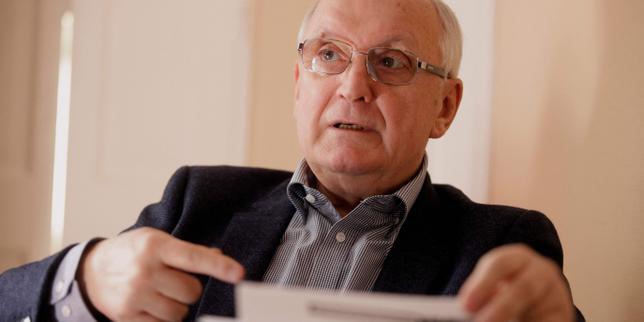
Hungarys ruling party selects Orban-critic judge as pick for president The parliamentary group of Tisza, led by new Prime Minister Peter Magyar, nominated Andras Baka as its choice for the largely ceremonial role.
le monde · about 12 hours ago