Loading…
 Saturday, August 29Saturday, August 29
2 months · 2 summary articles
Former Fidesz advisor leaves party, accuses leadership of deception
Spains PP and Vox formalise alliance to propel Feijo into premiership
Fruzsina Skrabski, a former advisor to Hungarian President Katalin Novák, announced on Friday that she has left the ruling Fidesz party, accusing it of deception and expressing hope for the emergence of a new political formation. In a statement published by *HVG* , Skrabski said she felt "betrayed" by the party’s leadership, particularly after Novák’s resignation in April 2025 amid a scandal over the pardoning of a convicted child abuser.
Skrabski’s departure follows months of internal tensions within Fidesz, which has faced sustained criticism over governance, corruption allegations, and a crackdown on dissent. Her decision to leave comes as the party prepares for local elections in October 2026, where it will seek to maintain its dominance in Hungary’s political landscape. Skrabski, who served as a communications advisor to Novák before her resignation, did not specify whether she would join an opposition party or form a new movement, but indicated that she believes a political realignment is necessary to address what she described as systemic failures under Fidesz.
The announcement adds to a growing wave of defections from the party, reflecting broader disillusionment among former allies and critics of Prime Minister Viktor Orbán’s government. In Budapest, political analysts note that Skrabski’s exit could signal further fragmentation within Fidesz’s support base, particularly among younger voters and urban professionals who have grown increasingly critical of the party’s authoritarian tendencies and economic policies.
Skrabski’s departure also coincides with broader regional shifts in European politics. In Spain, Miriam González, wife of former UK Deputy Prime Minister Nick Clegg, registered a new centrist party called *Democracia 21* on Friday, positioning it as an alternative to both the governing Socialists and the right-wing opposition . While González has not yet confirmed whether she will run for office, her move underscores a trend of political fragmentation across Europe, where traditional parties struggle to retain influence amid rising populism and public dissatisfaction.
In Hungary, Skrabski’s decision to leave Fidesz follows a pattern of high-profile exits, including that of Kristóf Keresztély Trombitás, a prominent pro-government commentator who announced his withdrawal from political activism on Friday before claiming it was a joke . The episode highlights the growing polarization and instability within Hungary’s political ecosystem, where loyalty to Orbán’s party has become increasingly conditional.
As Hungary approaches local elections in October, Skrabski’s departure may embolden opposition groups to challenge Fidesz’s dominance. However, with Orbán’s party still holding a firm grip on power, the path to meaningful political change remains uncertain. For now, Skrabski’s defection serves as a stark reminder of the fractures within Hungary’s ruling elite and the challenges ahead for those seeking to reshape the country’s political future.
Follow us for live European news
1 further source not geolocated

Pirc Musar bo spoštovala morebitne spremembe pri izobešanju zastav Iz urada predsednice Nataše Pirc Musar so ob zakonskem predlogu za prepoved izobešanja zastav drugih držav ali organizacij na javnih stavbah sporočili, da bo predsednica v primeru sprememb zakona te spoštovala.
rtv slovenia · 2 months ago
OTSE POSTIMEHEST ⟩ Riina Solman: Jüri Ratas on väärikas kandidaat, eelmisel korral peatas tema teekonna presidendiks «joogid autosse» Isamaa aseesimees ja Tallinna abilinnapea Riina Solman (Isamaa) meenutas Postimehe otsesaates, et eelmisel korral jäi Jüri Ratasel presidendiks kandideerimata, sest keegi leidis tšekid, mille ümber suurt kära teha. Tema isiklikul hinnangul oleks Ratas hea kandidaat nagu ka Ülle Madise ja Jüri Luik.
postimees · 2 months ago
NÄDALA RAAMAT ⟩ Religioon ja rahvus käsikäes: judaismi ajalugu avab 3000 aasta kihid Kuku raadio selle nädala raamat kirjeldab ühe maailma vanima religiooni erilist identiteeti, mis on püsinud nüüdseks juba kolme aastatuhande jooksul. Martin Goodmani «Judaismi ajalugu» tutvustavad kuulajale Timo Tarve ning teose toimetaja ja judaistikalektor Anu Põldsam.
postimees · 2 months ago

13h. Rui Tavares vai deixar a liderança do Livre Ontem ficou a conhecer-se a lista proposta pelos elementos da atual direção e Rui Tavares surge no terceiro lugar. Ainda neste jornal, o Parlamento assinala os 50 anos das autonomias regionais.
observador · 2 months ago
Soud: Vnitro porušilo práva SPD zařazením do zprávy o extremismu za rok 2022 Ministerstvo vnitra porušilo práva hnutí Svoboda a přímá demokracie (SPD), když ho zařadilo do zprávy o extremismu za rok 2022. Rozhodl o tom Obvodní soud pro Prahu 7. Omluvu hnutí ale nepřiznal. Rozsudek není pravomocný, lze proti němu podat odvolání k Městskému soudu v Praze.
irozhlas.cz · 2 months ago

À Tours, quatre militants dextrême droite plaident coupable pour échapper à un procès Des membres de groupuscules qui multiplient les actions coup-de-poing ces derniers mois ont reconnu leur participation à deux descentes contre des militants de gauche après la mort de Quentin Deranque, en février. Un cinquième individu, qui conteste les faits, sera jugé séparément.
mediapart · 2 months ago
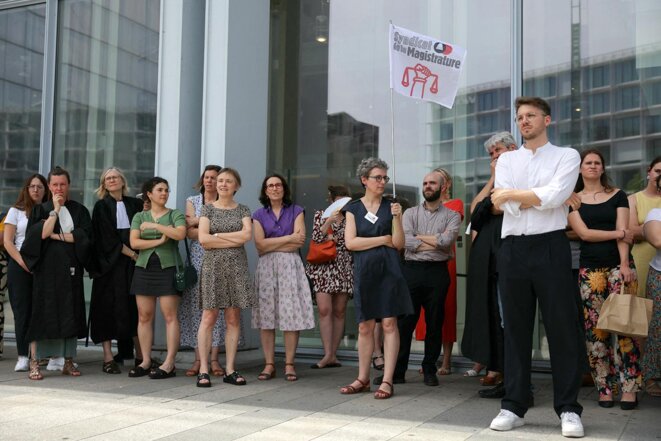
Boucs émissaires dans laffaire Lyhanna, les magistrats se rebiffent Rapidement pointés du doigt par Gérald Darmanin dans le fiasco judiciaire révélé par la mort de Lyhanna, les magistrats cherchent à faire reconnaître la situation très dégradée dans laquelle ils exercent. «Mediapart» a recueilli les témoignages de plusieurs dentre eux.
mediapart · 2 months ago
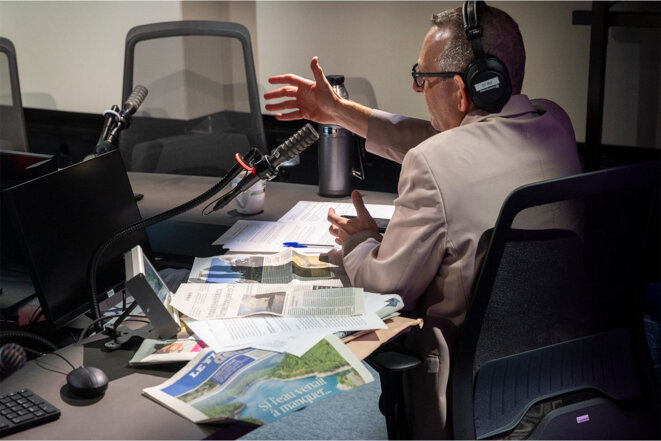
À France Culture, Guillaume Erner absout le RN sur lantisémitisme et fait lunanimité contre lui Les salariés de France Culture ne décolèrent pas après la diffusion par Guillaume Erner dun montage trompeur qui prêtait à Jean-Luc Mélenchon des propos antisémites. Producteurs comme journalistes de la station réclament des mesures plus fermes quun message dexcuses.
mediapart · 2 months ago
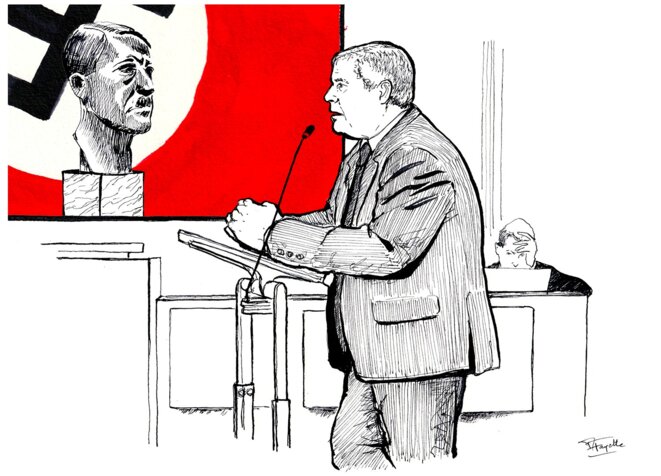
Malgré son buste dAdolf Hitler, le retraité de la police se défend au tribunal dêtre néonazi Au cours dun procès pour terrorisme dextrême droite, un ex-officier des renseignements a réduit ses propos antisémites, homophobes et racistes à «des blagues potaches» et juré quil collectionnait les objets du IIIe Reich «à des fins documentaires».
mediapart · 2 months ago
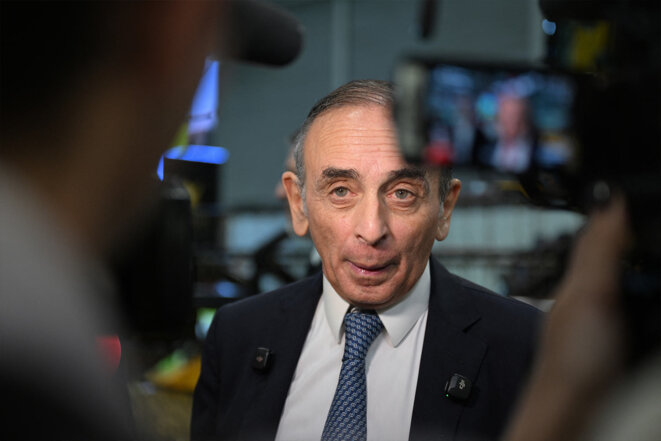
CNews définitivement condamnée pour les propos diffamatoires dÉric Zemmour contre Danièle Obono La Cour de cassation a confirmé la condamnation de la chaîne, qui avait laissé Éric Zemmour accuser la députée LFI de «dire tout son amour pour Mohammed Merah»"."" "Dernière sanction dune longue liste pour lancien polémiste, qui a multiplié les outrances racistes sur les plateaux du média de Vincent Bolloré.
mediapart · 2 months ago
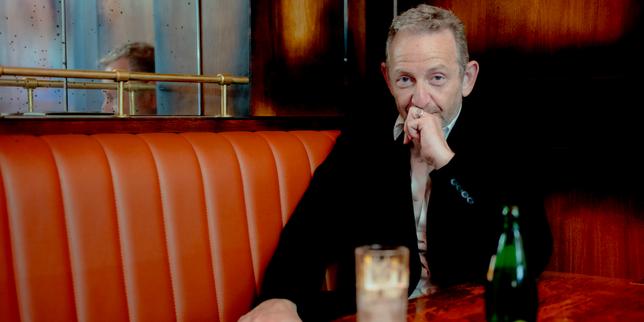
Guillaume Erner sexcuse après la diffusion dun audio « fallacieux », sans satisfaire Jean-Luc Mélenchon Au cours dun entretien avec Marine Le Pen, lanimateur a diffusé mercredi lextrait dans lequel on entendait en parallèle la description que Jean-Marie Le Pen faisait des juifs et des propos de Jean-Luc Mélenchon censés sen rapprocher.
le monde · 2 months ago

Au Brésil, la famille Bolsonaro se déchire avant lélection présidentielle doctobre Michelle Bolsonaro, épouse de lancien président dextrême droite et figure appréciée des évangéliques, a accusé publiquement son beau-fils Flavio, qui souhaite affronter le président sortant Lula, de lui avoir « manqué de respect ».
le monde · 2 months ago
Unterstützung rechter Terrorgruppe: Zwei Jugendliche nach Anschlag auf Asylbewerberunterkunft in U-Haft Zwei jugendliche Verdächtige werden nach einem versuchten Brandanschlag auf eine Asylbewerberunterkunft festgenommen. Die Bundesanwaltschaft hat eine lange Liste an Vorwürfen.
tagesspiegel · 2 months ago
Corona-Pandemie: Corona-Impfung: Experten raten zu besserer Steuerung Mehrere Gremien in Deutschland befassen sich mit der Aufarbeitung der Corona-Pandemie und ihrer Regeln, die bis heute umstritten sind. Im Brandenburger Landtag geht es diesmal um das Impfen.
tagesspiegel · 2 months ago
Abgeordnetenhauswahl: SPD-Spitzenkandidat stellt 100-Tage-Plan für Berlin vor Expo-Bewerbung, Tempo 30 vor Kitas und Schulen, ein Bürokratie-TÜV und mehr Medizinstudienplätze: Was der SPD-Kandidat vorhat, wenn er Chef im Roten Rathaus werden sollte.
tagesspiegel · 2 months ago
Arte-Doku über Staatsgründer Tito: Autokratischer Dandy Eine dreiteilige Doku beleuchtet auf Arte die hellen und die dunklen Seiten des jugoslawischen Staatsgründers Tito. Über die Wertungen lässt sich streiten. mehr...
taz.de · 2 months ago
Scandal la Spitalul Județean Constanța: Medicii rezidenţi acuză că sunt obligaţi să facă voluntariat pentru gărzi. Reacția conducerii Medicii rezidenţi de la Spitalul Judeţean de Urgenţă Constanţa acuză că sunt obligaţi să semneze cereri de voluntariat pentru gărzi, iar unii dintre ei vorbesc despre un şantaj al profesorilor universitari, care îi ameninţă că nu vor lua examenul de specialitate. De cealaltă parte, conducerea spitalului respinge acuzaţiile de presiune sau exploatare, explicând că voluntariatul reprezintă o opţiune personală, care nu înlocuieşte şi nu va înlocui niciodată activitatea normată şi remunerată conform legii şi că stagiile de voluntariat opţionale vin în întâmpinarea tinerilor medici care doresc o expunere clinică sporită şi o acumulare rapidă de experienţă practică.
digi24 · 2 months ago
A ex-abadessa demasiado bonita para ser freira foi dispensada dos votos pelo Vaticano Aline Pereira Ghammachi e as colegas que fugiram do Mosteiro São Gervásio e São Protásio viram a sua renuncia dos votos aprovada pela Santa Sé, mas vão continuar a praticar o bem como leigas.
publico · 2 months ago
:format(jpg)/f.elconfidencial.com%2Foriginal%2F887%2F132%2Fb45%2F887132b451176fb4db36a9294a8abd9a.jpg)
Milei viene a Madrid a hablar de su libro: "El mal viene arropado de las mejores intenciones, pero siempre son rojos" El presidente de Argentina ha hablado de la "silla eléctrica", como él denomina al asiento que ocupa como líder del Ejecutivo y ha lanzado alguna indirecta contra Pedro Sánchez y José Luis Rodríguez Zapatero
el confidencial · 2 months ago

Ikkimel, la rappeuse et icône féministe qui met lAllemagne dans tous ses états La rappeuse berlinoise Ikkimel ne cesse de faire parler delle outre-Rhin. Ses titres engagés et provocants valent à lartiste de 29 ans de nombreuses critiques, ainsi que de violentes attaques, notamment venant de la droite et des sphères masculinistes, mais également un succès grandissant. Elle a atteint en mai dernier le sommet des charts allemands.
courrier international · 2 months ago

Fallait-il démasquer Banksy ? En mars 2026, quand lagence Reuters dévoile le nom du street-artiste britannique, les médias étrangers débattent de la question suivante : la levée de son anonymat le met-elle en danger ? Le quotidien allemand Süddeutsche Zeitung, quant à lui, refuse de sinquiéter pour un artiste à qui le petit jeu du chat et de la souris profite si bien.
courrier international · 2 months ago

Au Pérou, le choix de Keiko Fujimori : démocratie ou autoritarisme ? Fille du dictateur Alberto Fujimori, la vainqueur de lélection présidentielle du 7 juin optera-t-elle pour la vengeance ou pour la réconciliation du pays ? se demande ce chroniqueur dAmericas Quarterly. Ces dernières années, le rôle de Keiko Fujimori comme force dobstruction, réactionnaire et clientéliste, au Parlement ninvite pas à loptimisme.
courrier international · 2 months ago

En Thaïlande, The Evil Lawyer ouvre un débat sur les failles du système judiciaire Un duo davocats que tout oppose se retrouve à devoir collaborer dans la série thaïlandaise The Evil Lawyer, disponible sur Netflix. La presse du pays constate que le succès et le retentissement de cette fiction a ouvert un débat de société.
courrier international · 2 months ago
ZiB-Moderator Lenglinger trifft Newsfluencer Grassl: „Ich würde niemals eine Partei empfehlen, schon gar nicht für Geld [premium] Wie informieren sich junge Menschen, um sich eine Meinung zu bilden? Und ist es ein Problem, wenn jeder „Nachrichten verbreiten kann? ORF-Moderator Stefan Lenglinger und Newsfluencer Andreas Grassl im Gespräch.
die presse · 2 months ago
Was begeistert die Jungen am Sozialismus? [premium] Trotz ihrer verheerenden Bilanz erleben kollektivistische Ideen im Westen eine neue Blüte. Woher kommt diese absurde Begeisterung? Das fragen sich vor allem jene, die die Auswüchse des Sozialismus am eigenen Leib erlebt haben.
die presse · 2 months ago
„Unambitioniert: Experten kritisieren Budget der Regierung im Ausschuss In einem traidtionell öffentlichen Budgetausschuss analysierten von den Parteien nominierte Wirtschaftsforscher den Haushalt für 2027 und 2028. Tenor der Veranstaltung: Die großen Strukturreformen fehlen, die Defizitprognose sei gewagt.
die presse · 2 months ago
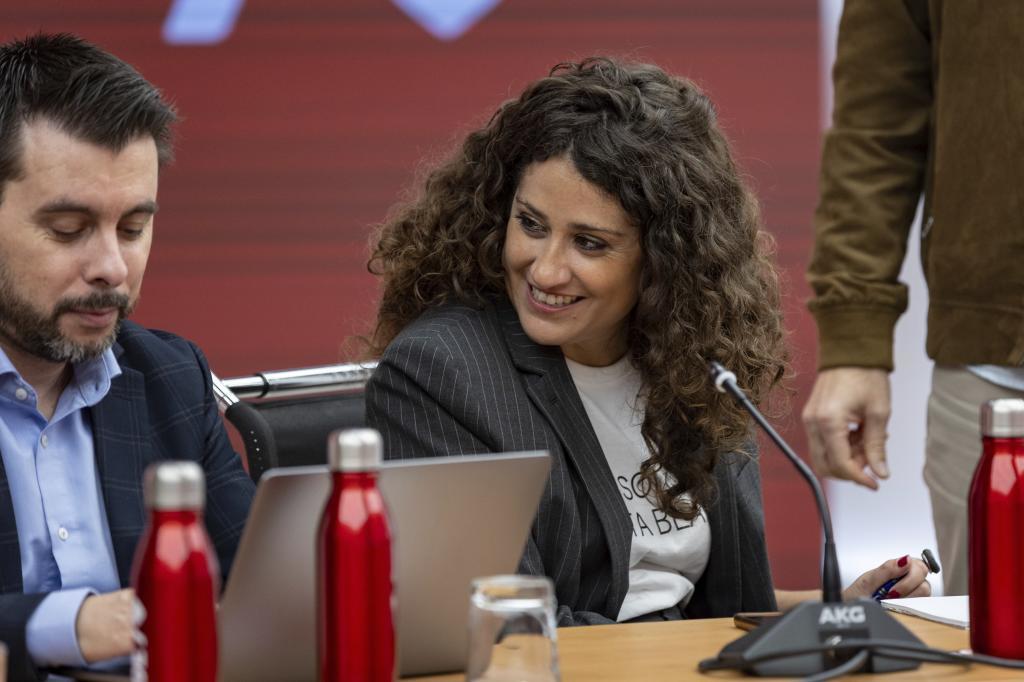
Enma López competirá con Reyes Maroto en las primarias del PSOE para ser candidata al Ayuntamiento de Madrid: "Es el camino correcto" Fuentes de la Federación Madrileña trasladan su sorpresa y sensación de movimiento "precipitado", cuando no hay aún convocadas primarias ni se ha definido un calendario Leer
elmundo · 2 months ago
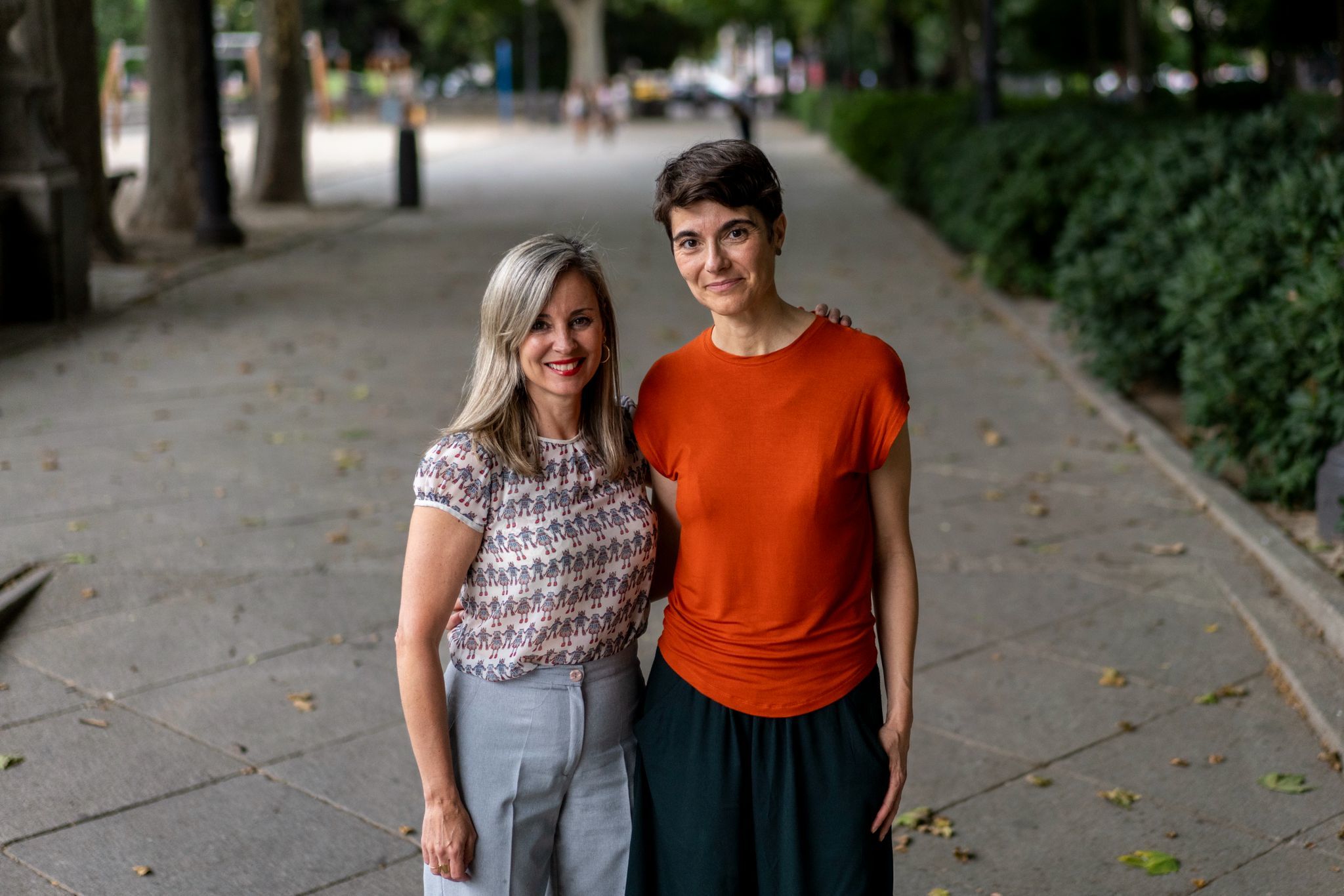
La portavoz de Sumar y la dos de Bustinduy se presentan para liderar el partido de Yolanda Díaz en medio de una guerra interna Se desconoce si será posible alcanzar una lista de unidad antes de que cierre el plazo de presentación de candidaturas para el congreso extraordinario del 11 de julio Leer
elmundo · 2 months ago

Los correos que reflejan los amaños en favor del empresario al que recomendó Begoña Gómez: "Piensa en que Barrabés es la buena y las demás han de bajar sí o sí" Un informe de la UCO considera que sus ofertas fueron "beneficiadas" por la "decisiva arbitrariedad" en las licitaciones de la sociedad pública Red.es Leer
elmundo · 2 months ago
SOS-Kinderdorf ging Vorwürfen „nicht nach Nach den bekanntgewordenen Missständen an Standorten von SOS-Kinderdorf hat die eigens gegründete unabhängige Reformkommission unter der ehemaligen OGH-Präsidentin Irmgard Griss am Freitag erste Ergebnisse präsentiert. Gerüchten, vor allem über den Missbrauch durch den Gründer Hermann Gmeiner, sei „nicht nachgegangen worden, sagte Griss. „Man hat versucht, das Ganze unter der Decke zu halten, so das Fazit der Kommission.
orf.at · 2 months ago