
Spains PP and Vox formalise alliance to propel Feijo into premiership

Story Timeline
2 months · 15 summary articles
Spain’s conservative opposition parties have moved to formalise a strategic alliance with the far-right Vox, two months after striking regional deals in Extremadura and Aragón, as the parties on Thursday signalled their intention to unite behind a shared “priority national” agenda aimed at propelling the People’s Party’s Alberto Núñez Feijóo into Spain’s Moncloa Palace.
The announcement, confirmed by PP president María Guardiola and Vox leader Jorge Azcón in Madrid on 25 June 2026, underscores a rapid convergence on immigration policy and signals the groundwork for a broader coalition that could secure Feijóo’s path to the prime ministership. Both leaders framed the pact as a response to what they described as the government’s failure to address national priorities, with Guardiola stating that the accord would “anchor Spain’s future in stability and sovereignty” .
The development comes amid shifting alliances across Europe, where regional leaders are recalibrating partnerships to counter perceived threats to national cohesion. In the Basque Country, the nationalist PNV and the left-wing Bildu have similarly entrenched their cooperation, agreeing on Thursday to a linguistic framework that grants each institution autonomy to set its own Basque-language requirements for public-sector posts. The pact, dubbed a “Lizarra linguistic accord,” effectively imposes Basque as a de facto hiring criterion across Basque institutions, a move critics argue could marginalise non-Basque speakers .
Meanwhile, in Central Europe, Slovakia’s Robert Fico and the Czech Republic’s Andrej Babiš have swiftly recognised the strategic value of reviving the Visegrád Group (V4), according to a report in the *Neue Zürcher Zeitung* on 25 June 2026. Despite prior alliances with Hungary’s Viktor Orbán, both leaders now view the V4 as instrumental to advancing regional objectives, signalling a pragmatic realignment in the face of shifting geopolitical pressures .
In Portugal, the government’s abrupt pivot away from a proposed accord with the far-right Chega has left political observers scrambling for Plan B. Analysts suggest the move could offer the centre-right PSD an opportunity to reposition itself as a reformist alternative, distancing itself from the xenophobic rhetoric that has dominated recent public discourse . The PSD’s last-minute deal with the ruling PS, struck to salvage the beleaguered PSU social work framework, has drawn criticism for its perceived concessions, with Labour Secretary Eurico Brilhante Dias arguing that the agreement merely rehashes existing welfare provisions .
Across the Atlantic, Latin America’s new right-wing governments face mounting governance challenges, with analysts warning that electoral victories may prove easier than the task of consolidating power. In Colombia, as in other countries, the transition from campaigning to policymaking has exposed deep structural obstacles, raising questions about the durability of the region’s conservative resurgence .
Follow us for live European news
- 2
- 1
- 1
- 1
- 1
- 1
Articles

Okosórák, megújuló energiaforrások – a kormány kiegészítette a Helyreállítási és Ellenállóképességi Tervhez kapcsolódó intézkedési listát A szerdán késő este megjelent kormányhatározat az Orbán-kormány öt évvel ezelőtti határozatát bővíti ki.
hvg.hu · 2 months ago
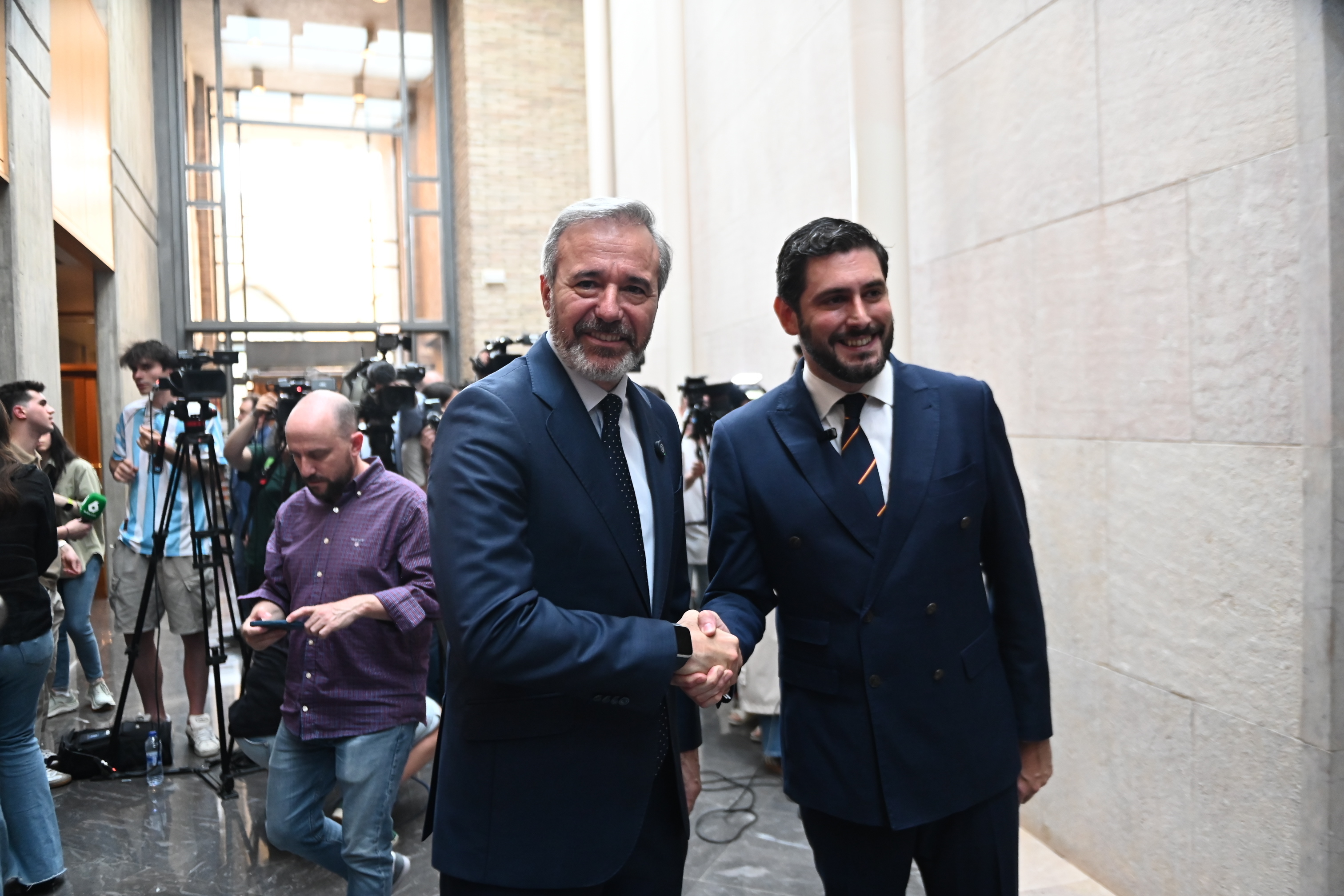
PP y Vox blindan su relación dos meses después de los acuerdos en Extremadura y Aragón, con la inmigración en el punto de mira María Guardiola y Jorge Azcón aceptan la "prioridad nacional" con el objetivo de sentar las bases de una gran coalición que permita a Alberto Núñez Feijóo llegar a La Moncloa Leer
elmundo · 2 months ago
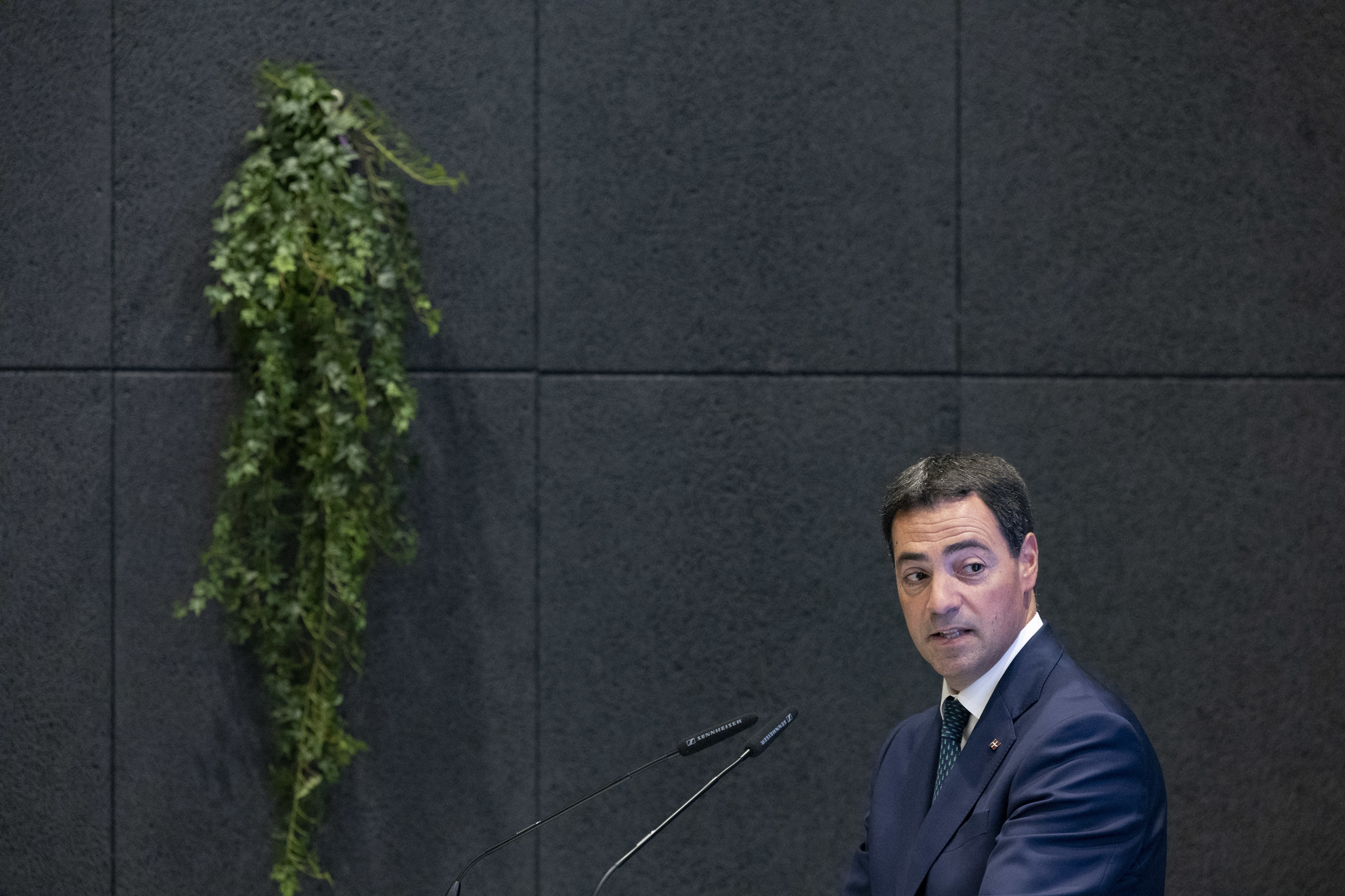
PNV y Bildu sellan un Lizarra lingüístico que impone el euskera Pactan que cada institución fije a su antojo las plazas que exigen el vasco Leer
elmundo · 2 months ago
Neue Zürcher Zeitung: Fico és Babis nagyon gyorsan rájöttek, hogy az ő érdekük is a V4 felélesztése Hiába voltak Orbán Viktor szövetségesei korábban, most gyorsan átlátták, hogy a régiós célokhoz jól jönnek a Visegrádi Négyek.
hvg.hu · 2 months ago

Why Latin Americas New Right Will Struggle to Govern In Colombia and elsewhere, winning was the easy part.
foreignpolicy.com · 2 months ago
Ingeborg Bachmann und die Politik: Dichtung und Wahrheit Ingeborg Bachmann nahm in ihrem Schreiben stets die Gewalt in der Sprache in den Blick. Wo stand die Dichterin politisch? mehr...
taz.de · 2 months ago

O acordo que mudou o jogo político Quando tudo apontava para um entendimento com o Chega, o Governo fechou acordo com o PS. Com Jorge Fernandes, analisamos as concessões feitas e as consequências políticas.
observador · 2 months ago
Progresívne Slovensko môže byť vďačné, že Robert Fico vytiahol kauzu Projekt Fórum (komentár Martina Behula) Úvahy sa momentálne sústreďujú len na to, aby po voľbách vznikla stabilná vláda, ktorá bude alternatívou Smeru. No problém nemusí byť len v spolupráci s inými stranami, ale aj v samotnom PS.
aktuality.sk · 2 months ago

Como ficou a PSU após acordo "in extremis" do PSD com o PS Eurico Brilhante Dias defendeu que "em bom rigor" a formulação para o trabalho social acordada entre PS e PSD equivale ao "enquadramento que já existe no RSI"
observador · 2 months ago
Revisionismo ortográfico e malabaristas do idioma A anunciada possível revisão do acordo ortográfico é uma flor nova, mas já moribunda, num vaso repleto de plantas mortas. Opinião de Nuno Pacheco
publico · 2 months ago
Depois da cilada do Chega, Governo procura plano B Se o acordo na PSU virar a página, o PSD terá uma oportunidade de aparecer como reformista, em vez de se afundar numa agenda que inquina a vida pública com o racismo, a xenofobia e a intolerância. Opinião de Manuel Carvalho
publico · 2 months ago