
Germany unveils sweeping economic reforms including tax changes and cryptocurrency rule

Story Timeline
2 months · 3 summary articles
Germany unveils sweeping economic reforms including tax changes and cryptocurrency rule
Germanys governing coalition agrees sweeping reform package on taxes pensions labour and growth
ContinuationGermanys coalition government secures 21 billion budget fix for 2027 while CDU and SPD back full pension reform
Germany’s coalition government on Friday unveiled its most sweeping economic reform package in over a decade, including plans to abolish the one-year tax-free holding period for cryptocurrencies and raise taxes on high earners, as Chancellor Friedrich Merz seeks to address stagnation and rising support for the far-right AfD. The measures, agreed after seven hours of negotiations between the CDU/CSU and SPD, mark the largest reform since Gerhard Schröder’s Agenda 2010 and come as Berlin faces pressure to shield its sluggish economy from energy shocks and years of underinvestment.
Under the draft budget for 2027, seen by Reuters, Germany plans to lift borrowing to more than €203 billion ($232 billion), a sharper rise than previously signaled, to fund increased defense spending and investment aimed at reviving growth. The government also intends to abolish the one-year tax exemption for cryptocurrency holdings, a move first reported by @disclosetv, as part of efforts to modernize fiscal policy and close loopholes.
Economists remain divided over whether the package will resolve structural weaknesses. While the coalition proposes higher taxes on the wealthy—supported by 67% of the population according to a Süddeutsche Zeitung survey—to fund relief for middle-income earners, critics argue the reforms lack ambition. “It’s a tax package, not a reform,” wrote the *Frankfurter Allgemeine Zeitung*, noting that inflation adjustments are incomplete and the political horizon is missing.
The government’s attempt to curb rising sickness absences by requiring employees to submit doctor’s notes on the first day of illness has drawn fierce backlash from physicians and unions. The German Medical Association warned the plan could backfire, increasing rather than reducing absenteeism, while the DIW economic institute cautioned that stricter rules may not address underlying workplace issues.
Political analysts suggest the reforms are as much about signaling competence as solving crises. “The content is secondary,” argued the *taz*, describing the package as a performance to demonstrate the coalition’s ability to deliver amid plummeting public trust.
With the AfD surging in polls, Merz had pledged to halve the party’s support, but the reforms fall short of that promise. The *Welt* noted that while the package is significant, it won’t fulfill one of Merz’s key pledges.
As the Bundestag prepares to debate the budget next week, the government faces resistance from both the left and right. The Left Party vowed to defy a planned ban on expropriations in Berlin, while the FDP criticized the tax hikes as counterproductive. Meanwhile, the opposition Greens demanded clearer commitments to climate investment and digital modernization.
Follow us for live European news
- 7
- 2
- 1
- 1
Articles

„Technologischer Rückstand geht von Reformen nicht weg – Ökonomen warnen vor Chinas Aggression Ökonomen warnen vor zu hohen Erwartungen an das schwarz-rote Reformpaket: Deutschland müsse technologische Innovationen vorantreiben, wenn die Wirtschaft wachsen soll. Zudem gelte es, Chinas aggressive Exportpolitik zu bekämpfen.
welt.de · about 2 months ago

Reformen der Bundesregierung: In der Sprache des Geldes haben wir uns nichts mehr zu sagen Das soll eine große Reform sein? Es fehlen die großen Zahlen, der politische Horizont, das Herz. Friedrich Merz macht Politik für eine Welt, die es nicht mehr gibt.
die zeit · about 2 months ago

Damit wird die Regierung die AfD nicht halbieren Das schwarz-rote Maßnahmenpaket ist die größte Reform seit Gerhard Schröders Agenda 2010. Trotzdem wird Merz eines seiner wichtigsten Versprechen nicht einlösen können.
welt.de · about 2 months ago
„Trotzinitiative gegen Fico Mehr als 4,3 Millionen Slowaken und Slowakinnen können am Samstag darüber abstimmen, ob die lebenslange Pension für Politiker und Politikerinnen mit zwei aufeinanderfolgenden vollen Amtszeiten abgeschafft und die auf Bekämpfung von Korruption und Extremismus fokussierte Sonderstaatsanwaltschaft wieder eingeführt werden soll. Das Referendum ist als Kritik an der Regierung des linkspopulistischen Premiers Robert Fico zu verstehen. Für den regierungskritischen Autor Michal Hvorecky ist es eine Art „Trotzinitiative. Denn es wird eigentlich erwartet, dass das Referendum scheitert.
orf.at · about 2 months ago

„Szenario, das den Super-GAU für die ganze Region bedeuten würde Mit einer radikalen Schrumpfkur will der VW-Vorstand das Unternehmen wieder profitabel machen. Für Niedersachsen ist das ein Desaster, heftiger Widerstand formiert sich. Die Regierung von Olaf Lies (SPD) gerät unter riesigen Druck.
welt.de · about 2 months ago

Podcast Löhr & Pennekamp: Ist Deutschland nur noch drittklassig? Das frühe WM-Aus und die wirtschaftliche Stagnation befeuern den Eindruck, dass Deutschland in vielen Bereichen nicht mehr mithalten kann. Bringt das Reformpaket der Bundesregierung die Wende?
faz · about 2 months ago
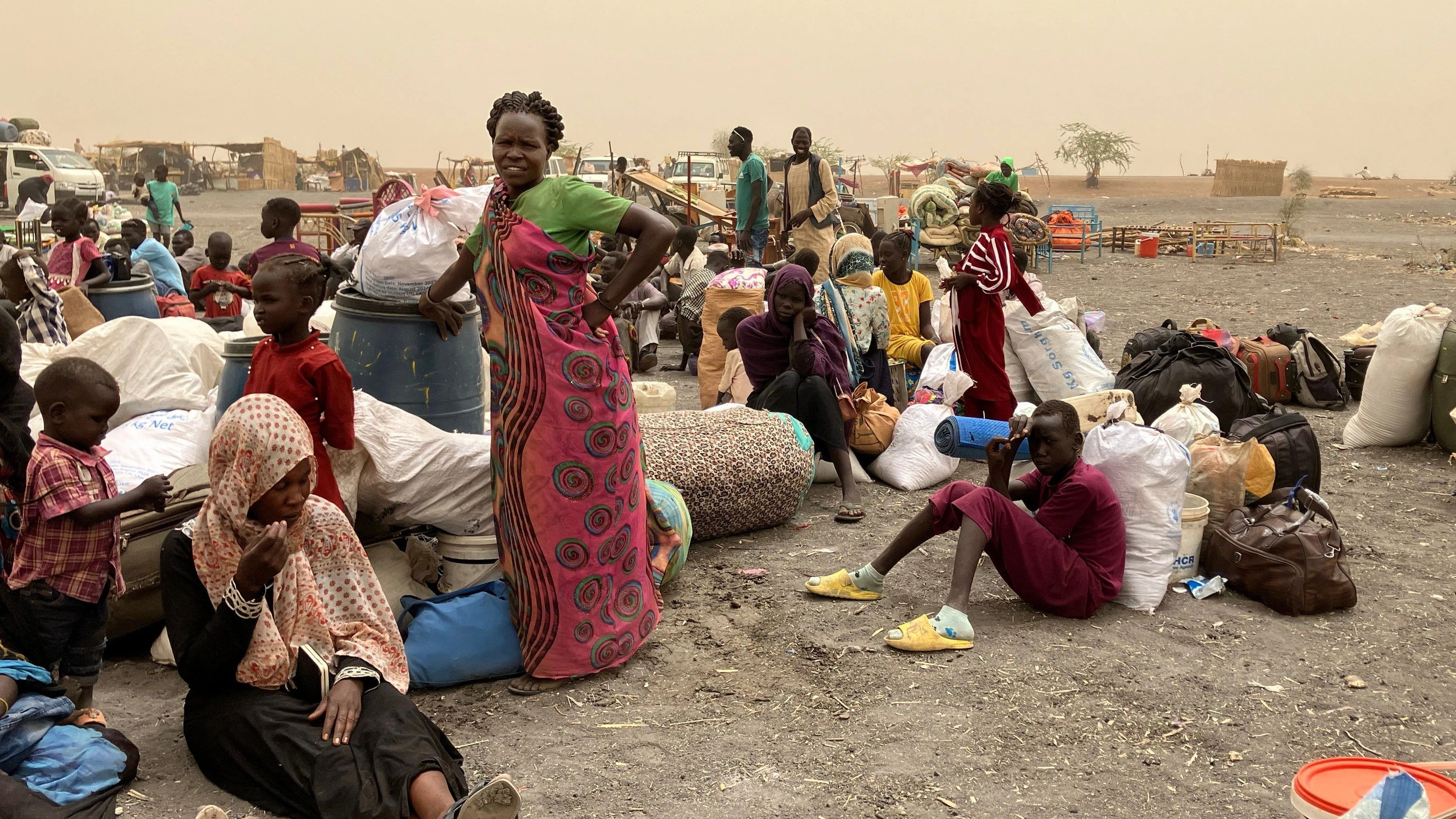
Kürzungen in der Nothilfe: Praktizierte Barmherzigkeit bietet einen Mehrwert Deutschland hat maßgeblich zu vielen Erfolgen in der Nothilfe und Entwicklungszusammenarbeit beigetragen. Die aktuelle Haushaltspolitik darf jetzt nicht den Rotstift ansetzen.
faz · about 2 months ago
INTERVIU VIDEO „Metoda de ne-negociere nu a dat roade. Premierul propus de PNL-USR-UDMR are o provocare pentru preşedinte şi pentru partide „Cei care au crezut că medierea, că rolul de mediator echidistant se poate exercita într-o oră nu au reușit să formeze un guvern, îşi explică eşecul consultărilor de la Cotroceni europarlamentarul Siegfried Mureşan, propus de PNL-USR-UDMR pentru funcţia de premier. El spune, într-un interviu pentru publicul HotNews, şi care este unica situaţie în care ar …
hotnews.ro · about 2 months ago
Bundespolitik: 67 Prozent befürworten Erhöhung der Reichensteuer Die Koalition von Union und SPD will Reiche höher besteuern und dafür mittlere Einkommen entlasten. Eine große Mehrheit in der Bevölkerung hält das laut einer Umfrage für richtig.
sueddeutsche · about 2 months ago
GKV-Spitzenverband: Krankenkassen warnen vor Zugeständnissen bei Sparplänen Ärzte und Pharmaindustrie kritisieren die Bundesregierung für geplante Reformen im Gesundheitswesen. Der Krankenkassenverband bezeichnet dies als »Lobbydruck«.
die zeit · about 2 months ago

„Die Leute können wählen, was sie wollen, am Ende regiert die SPD Ex-FDP-Chef Lindner attestiert dem politischen System in Deutschland eine „strukturelle Blockade. Mit Blick auf die Stärke der AfD stellt der Ex-Minister eine „neue Konfliktlinie fest. In Berlin habe sich ein „Milieu gebildet, das eine andere Sprache als der Rest der Republik spreche.
welt.de · about 2 months ago
„Für Patienten, die monatelang auf einen Termin warten, ein Hohn: SPD-Fraktionschef kontert Kritik der Kassenärzte Schwarz-Rot plant eine Facharzt-Termingarantie für gesetzlich Versicherte. Matthias Miersch will „bis zum Umfallen dafür kämpfen, obwohl Kassenärzte das für „Wunschdenken halten.
tagesspiegel · about 2 months ago
Koalitionsausschuss: „Wahlgeschenk an die Linke: SPD-Kritik an Enteignungsverbot Schwarz-Rot im Bund will verhindern, dass in Bundesländern Wohnungskonzerne enteignet werden können. In Berlin kommt das auch bei manchen Sozialdemokraten nicht gut an.
tagesspiegel · about 2 months ago
:format(jpg)/f.elconfidencial.com%2Foriginal%2F1dc%2Ffb4%2F2ea%2F1dcfb42eaed91af9332a24392d4464f9.jpg)
El PP confía en que Vox tropiece en la gestión para desactivar las partes más duras del acuerdo Fuentes de la negociación explican que el tamaño de Agricultura alejó a Vox de unas competencias que anhelaban inicialmente. Moreno diseñará un nuevo gobierno la próxima semana que probablemente sea continuista
el confidencial · about 2 months ago
Reformen: Handwerk fordert Senkung der Sozialbeiträge Der Handwerkspräsident mahnt ein zweites Reformpaket an. Ziel müsse sein, die Sozialabgaben zu senken. Sie müssten wieder »Richtung 40 Prozent« sinken.
die zeit · about 2 months ago

„Regierung stellt sich schützend vor Miethaie – Linke will sich Enteignungs-Verbot widersetzen „Vonovia frohlockt, die Aktienkurse steigen, so Reichinnek. Die Partei will trotz geplantem Enteignungs-Verbot an der Vergesellschaftung festhalten. Berlin benötige mehr bezahlbaren Wohnraum – die Linke nehme das Votum der Berliner ernst.
welt.de · about 2 months ago
Deutsche Autobranche in Aufruhr Die deutsche Autobranche befindet sich in Aufruhr. Die Pläne der großen Autohersteller wie VW und Mercedes, die tiefe Krise zu meistern, konzentrieren sich auf Konzernum- und Personalabbau bzw. wie im Fall Mercedes auf längere Arbeitszeit ohne Lohnausgleich. Die zuständige Gewerkschaft IG Metall kündigte einen „heißen Sommer an. Einen ersten Vorgeschmack gab es bereits am Freitag bei Mercedes.
orf.at · about 2 months ago
Koalitionsbeschlüsse: DIW: Neue Krankschreibungs-Regeln könnten Fehlzeiten erhöhen Die Koalition will die Hürden für Krankschreibungen im Job erhöhen, um die Zahl der Krankentage in Deutschland zu senken. Doch die Maßnahmen könnten nach hinten losgehen, warnt ein Ökonom.
handelsblatt · about 2 months ago
Haushalt: Bund plant mehr Geld für Neu- und Ausbau der Schiene ein Auf rund 2,2 Milliarden Euro sollen die Zuschüsse 2027 steigen. Ein Verband spricht von einem richtigen Ansatz - doch kritisiert einen anderen Posten scharf.
tagesspiegel · about 2 months ago
Döpfner und die Politik: Die Mauerspechte sitzen in der CDU Hat Springer-Chef Döpfner versucht, den Kanzler über die Brandmauer nach rechts zu schubsen? Überraschend wäre das nicht. Aber wem nützt das Gerücht? mehr...
taz.de · about 2 months ago
Ursula von der Leyen avertizează statele UE: „Fără noi surse de venit, bugetul european ar putea fi redus cu până la 40 Președinta Comisiei Europene, Ursula von der Leyen, le-a cerut vineri liderilor statelor membre să identifice noi surse de venit pentru viitorul buget al Uniunii Europene, aferent perioadei 2028-2034, avertizând că, în caz contrar, blocul comunitar va trebui fie să majoreze contribuțiile naționale, fie să accepte reduceri de până la 40 din bugetul propus de Bruxelles, potrivit EFE.
digi24 · about 2 months ago
Morning Briefing Insight: Diskretion unerwünscht: So hat das Handelsblatt zum Reformpaket der Regierung recherchiert Am Donnerstag hat die Bundesregierung ihr Reformpaket präsentiert. Martin Knobbe und Sven Prange liefern Einblicke, wie das Handelsblatt in einer solchen Woche arbeitet. Außerdem: Wie umgehen mit den Negativschlagzeilen zu Volkswagen und Co?
handelsblatt · about 2 months ago
Adrian Câciu: „La finalul acestei luni, lucrurile vor duce către un guvern majoritar și tind să cred că va fi PSD, PNL, UDMR Fostul ministru al Finanțelor, Adrian Câciu, a declarat, vineri seară, la Digi24, că negocierile politice ar putea conduce, până la finalul lunii iulie, la formarea unui guvern majoritar format din PSD, PNL și UDMR. Social-democratul a exclus însă varianta unui „guvern de armistițiu și a susținut că USR și-a impus „linii roșii care au contribuit la actualul blocaj politic.
digi24 · about 2 months ago
Petrișor Peiu neagă că AUR ar fi provocat criza politică. Ce spune despre moțiunea de cenzură și suspendarea președintelui Petrișor Peiu susține că AUR nu a provocat actuala criză politică și afirmă că depunerea moțiunii de cenzură a făcut parte din strategia anunțată încă de la începutul legislaturii. Președintele Consiliului Național de Conducere (CNC) al AUR a dezvăluit vineri la Digi24 detalii despre relația cu PSD în perioada care a precedat căderea guvernului Bolojan, despre refuzul de a susține un eventual guvern condus de Adrian Veștea și despre discuțiile privind suspendarea președintelui.
digi24 · about 2 months ago
Radu Miruță spune în ce condiții USR ar vota un guvern monocolor PSD Radu Miruță a vorbit vineri seara, în exclusivitate la Digi24, că USR ar vota un guvern monocolor al PSD, doar dacă PSD va vota mai întâi coaliția PNL-USR-UDMR, care să continue guvernarea, social-democraţii urmând să guverneze în partea a doua a intervalului, respectiv până la alegerile din 2028. În plus, ministrul USR se întreabă ce anume a oferit PSD partidului condus de George Simion, pentru ca AUR să voteze moțiunea de cenzură prin care a fost demis guvernul. „Astfel de mișcări politice nu se fac fără înțelegere, a ținut să sublinieze Miruță.
digi24 · about 2 months ago

Geplante Attestpflicht stößt in Umfrage auf Ablehnung – Ökonom sieht Gefahr von „mehr Fehltagen Die von Schwarz-Rot geplanten Verschärfungen bei Krankschreibungen stoßen weiter auf breite Kritik. Eine YouGov-Umfrage offenbart mehrheitliche Ablehnung der Deutschen, ein Ökonom glaubt nicht an einen spürbaren Effekt.
welt.de · about 2 months ago
Telefonische Krankschreibung: DIW warnt vor mehr Fehlzeiten durch neue Regeln für Krankschreibungen Die geplante Abschaffung der telefonischen Krankschreibung könnte den beabsichtigten Zweck verfehlen, mahnt das DIW. Auch Hausärzte kritisieren das Vorhaben.
die zeit · about 2 months ago
Die Klima-News der Woche: Lässt der Kanzler Reiches Anti-Klima-Alleingang durchgehen? Wirtschaftsministerin fällt Umweltminister bei EU-Methan-Regeln in den Rücken. Weltbank streicht Klimaziel. Meere heiß wie nie zuvor im Juni. mehr...
taz.de · about 2 months ago

„Könnte Investoren abschrecken – RWE-Chef kritisiert Kraftwerksgesetz von Katherina Reiche Es ist das erste große Strommarktgesetz der Bundesregierung: Die Regeln zum Bau neuer Gaskraftwerke sollen nächste Woche beschlossen werden. Der Chef des Kraftwerksbetreibers RWE sieht Mängel im Entwurf und warnt vor weitreichenden Folgen.
welt.de · about 2 months ago
Siegfried Mureșan îi răspunde lui Adrian Câciu: „PNL nu va face o nouă coaliție cu PSD și nu ne vom despărți de USR Europarlamentarul Siegfried Mureșan, propunerea de premier a PNL-USR, UDMR, a spus la Digi24 că România are nevoie cu un guvern cu puteri depline, pentru că un premier interimar nu poate rezolva toate problemele care apar, dar neagă scenariul unui guvern majoritar PSD-PNL-UDMR. El a adăugat că PNL „nu se va despărți de USR și că social-democrații „vor să îi dezbine.
digi24 · about 2 months ago