Loading…
 Saturday, September 26Saturday, September 26
5 months · 5 summary articles
A Taliban delegation arrived in Brussels on Tuesday for closed-door talks with the European Commission and representatives of 20 EU member states, including Germany and Belgium, aimed at accelerating the deportation of Afghan migrants deemed security threats. The one-day visit, restricted to the Belgian capital, marks the first time Taliban officials have been received in the EU’s political heartland since the group’s return to power in Kabul in 2021. The European Commission framed the discussions as strictly technical, emphasizing repatriation logistics rather than political engagement, but the meeting has drawn sharp criticism from human rights organizations and lawmakers who accuse Brussels of legitimizing a regime accused of systematic abuses, particularly against women and girls.
The talks follow a formal request from 20 EU countries, led by Germany and Belgium, for direct negotiations to facilitate the return of Afghan nationals whose asylum applications have been rejected. According to multiple reports, the discussions focused on the practicalities of deportation flights and the verification of identity documents for returnees. A Dutch government official confirmed participation in the talks, while Sweden’s government faced domestic backlash after hosting preparatory meetings with the Taliban delegation .
Human rights groups condemned the meeting as a dangerous precedent. A coalition of 28 MEPs and former Afghan MPs signed a joint letter warning that engaging with the Taliban risks normalizing a government that has imposed severe restrictions on women’s education, employment, and freedom of movement. “This is not a technical discussion—it is a political endorsement,” said one signatory, quoted by *Euronews* . Amnesty International described the talks as “morally indefensible,” while the EU Commission defended its approach as a pragmatic response to migration pressures .
The Taliban delegation, consisting of five officials, was granted one-day visas specifically for the purpose of the negotiations. The EU insists the meetings do not constitute recognition of the Taliban government, which remains unrecognized by Brussels. However, analysts note that the visit represents a symbolic step toward international engagement with the regime. “For the Taliban, this is a small but significant move toward international legitimacy,” wrote *Trouw* .
The controversy underscores the EU’s increasingly contentious approach to migration, as member states grapple with rising numbers of Afghan asylum seekers and political pressure to reduce irregular arrivals. Critics argue that the talks risk undermining the EU’s human rights commitments, while supporters contend that repatriation agreements are necessary to manage migration flows and address security concerns. The outcome of the Brussels meeting is expected to shape future EU-Taliban interactions, with further discussions anticipated in the coming months.
Follow us for live European news
3 further sources not geolocated

Dutch official joins EU talks with Taliban on return of rejected asylum seekers A Dutch government official is taking part in talks between the European Commission and the Taliban, according to sources cited after reporting by de Volkskrant.
nltimes.nl · 3 months ago
EU Officials Meet Taliban In Brussels For First Time Despite Outcry From Activists Officials from Afghanistans Taliban rulers held talks in Brussels for the first time on the repatriation of Afghans despite sharp criticism from rights groups that the European Union was legitimizing the hard-liners amid continued signs they are cracking down further on women.
radio free europe · 3 months ago
Bruselj prvič gostil talibane. Organizacije človekovih pravic ogorčene. Predstavniki afganistanskih talibanov so se v Bruslju sestali s predstavniki Evropske komisije in 15 članic EU-ja. Pogovori, do katerih so zagovorniki človekovih pravic kritični, so bili namenjeni predvsem vračanju migrantov v Afganistan.
rtv slovenia · 3 months ago
Talibani esindajad saabusid Brüsselisse rändekõnelustele Brüsselisse saabus täna Talibani delegatsiooni, millele anti ühepäevane viisa, et pidada Euroopa Liiduga läbirääkimisi eitava vastuse saanud varjupaigataotlejate Afganistani tagasisaatmise üle.
postimees · 3 months ago
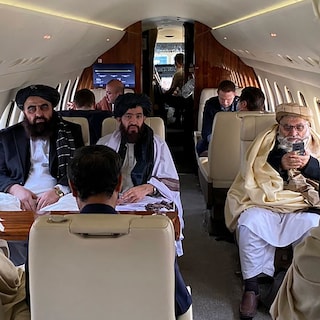
Voor de Taliban is het bezoek aan Brussel een stapje richting internationale erkenning
trouw · 3 months ago
Migration: EU-Vertreter empfangen erstmals Taliban in Brüssel Deutschland und andere EU-Staaten wollen mehr Abschiebungen nach Afghanistan. Brüssel soll dabei unterstützen - und begibt sich auf politisch umstrittenes Terrain.
handelsblatt · 3 months ago
«Seuls les rebelles», lamour mis en Beyrouth Empêchée de filmer dans la capitale libanaise par les bombardements, la cinéaste Danielle Arbid compose avec lartifice dun tournage en studio, pour narrer la liaison interdite entre un jeune sans-papiers soudanais et une veuve palestinienne.
liberation · 3 months ago
Fünf Taliban weilen in Brüssel zwecks Abschiebehilfe „Technische Gespräche laut EU-Kommission keine Anerkennung des Regimes.
die presse · 3 months ago
Afghanistan: EU-Vertreter empfangen Taliban-Delegation in Brüssel Trotz fehlender Anerkennung durch EU-Länder reisen Taliban-Vertreter nach Brüssel. Menschenrechtler kritisieren Gespräche über die Rückführung afghanischer Migranten.
die zeit · 3 months ago
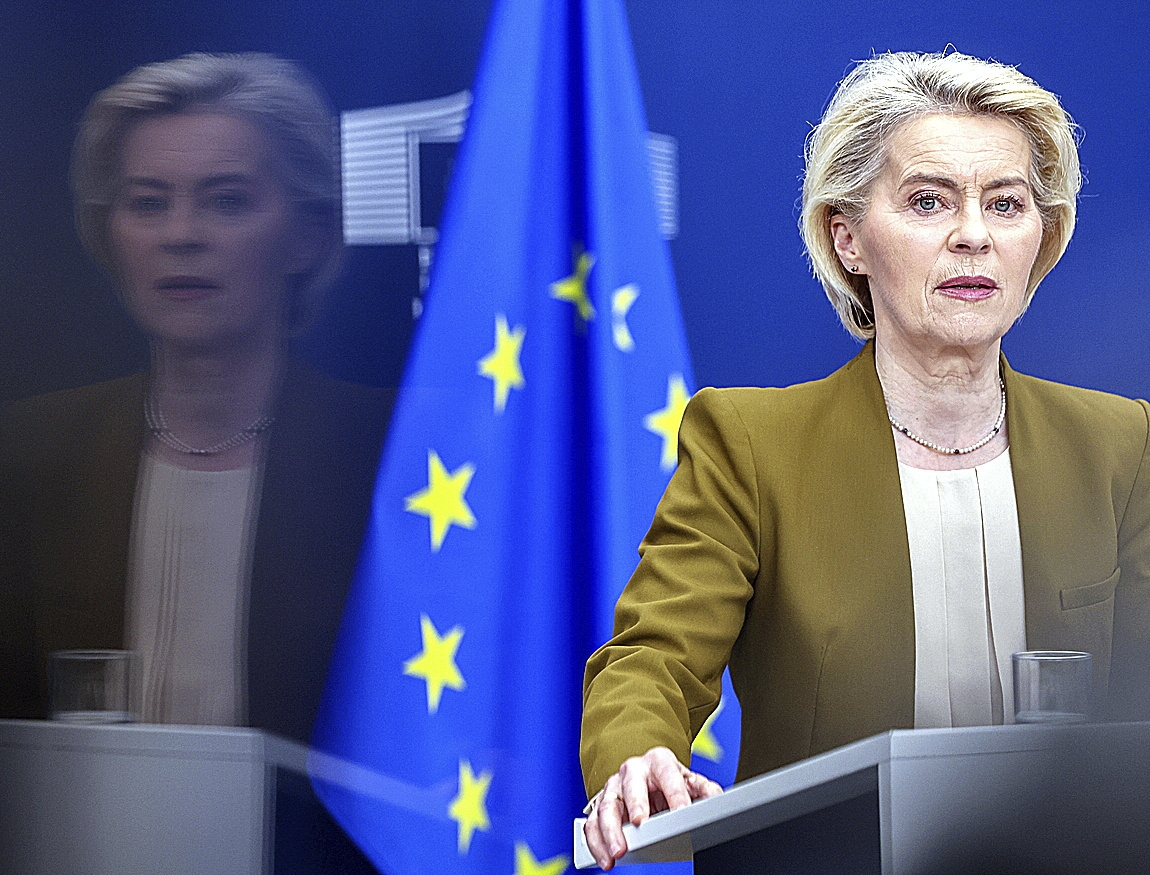
La UE recibe a una delegación de talibán para acelerar la deportación de inmigrantes afganos que sean "delincuentes o una amenaza para la seguridad" La histórica y polémica reunión se contextualiza en el endurecimiento migratorio de Europa, y llega tras la petición de 20 países, liderados por Alemania y Bélgica, para que se avance en los retornos Leer
elmundo · 3 months ago
Amnesty calls EU complicit in new Libyan crackdown on migrants
gdeltproject.org · 3 months ago
Matoz in Božinović razpravljala o "aktivnem vračanju migrantov" Ministra za notranje zadeve Slovenije in Hrvaške Franci Matoz ter Davor Božinović sta se dogovorila, kako bosta državi izvajali evropski pakt o migracijah in azilu. Pakt bo deloval le, če ga bodo dosledno izvajale vse države, sta poudarila.
rtv slovenia · 3 months ago
Bruselj gosti talibane. Organizacije človekovih pravic ogorčene. Predstavniki afganistanskih talibanov so prispeli v Bruselj, kjer se udeležujejo tehničnih pogovorov s predstavniki Evropske komisije. Pogovori, do katerih so zagovorniki človekovih pravic kritični, bodo namenjeni predvsem vračanju migrantov v Afganistan.
rtv slovenia · 3 months ago

No Jews, no news: a "activista" esquecida na Líbia Alberto Gonçalves comenta a escassa atenção dedicada à activista portuguesa Ana Margarida Baptista, detida na Líbia há já um mês
observador · 3 months ago

Talibans à Bruxelles : une rencontre avec la Commission européenne qui fait polémique
lexpress · 3 months ago

EU-Vertreter empfangen erstmals Taliban in Brüssel Trotz andauernder Menschenrechtsverletzungen der Taliban ist es zu einem umstrittenen Treffen der Terrororganisation und der EU-Kommission in Brüssel gekommen. Ziel der Gespräche ist es, mehr Rückführungen nach Afghanistan zu ermöglichen.
welt.de · 3 months ago
Abschiebeflüge nach Afghanistan: EU-Vertreter empfangen erstmals Taliban in Brüssel Die Taliban-Regierung in Kabul wird von der EU offiziell nicht anerkannt. Dennoch reisten am Dienstag Diplomaten aus Afghanistan nach Brüssel. Solche Besuche von afghanischen Diplomaten sind auch in Deutschland vorgesehen.
tagesspiegel · 3 months ago
Menschenrechtsurteil in Libyen: Folter im Sinne der europäischen Flüchtlingsabwehr Ein international gesuchter libyscher Foltergeneral wurde jetzt in Libyen verurteilt. Kritische Organisationen halten das für Augenwischerei. mehr...
taz.de · 3 months ago
Maahanmuutto | Taleban neuvotteli Brysselissä myös Suomen pyytämistä palautuksista Belgia kertoo myöntäneensä viisumit Talebanin edustajille, jotta nämä pääsivät neuvottelemaan EU:n kanssa afganistanilaisten palauttamisesta kotimaahan.
helsingin sanomat · 3 months ago

Une délégation talibane à Bruxelles pour parler immigration : Comment peut-on sentendre avec eux ? À linitiative de la Commission européenne et du gouvernement suédois, des discussions techniques sur le renvoi au pays de criminels afghans doivent avoir lieu avec une délégation de talibans arrivée mardi 23 juin à Bruxelles. Des pourparlers qui ont déjà suscité de vives critiques en Suède.
courrier international · 3 months ago
Europäische Außenpolitik: EU-Vertreter empfangen Taliban-Delegation in Brüssel Eine Taliban-Delegation hat EU-Vertreter in Brüssel getroffen. Menschenrechtsorganisationen kritisieren Gespräche über die Rückführung afghanischer Migranten.
die zeit · 3 months ago
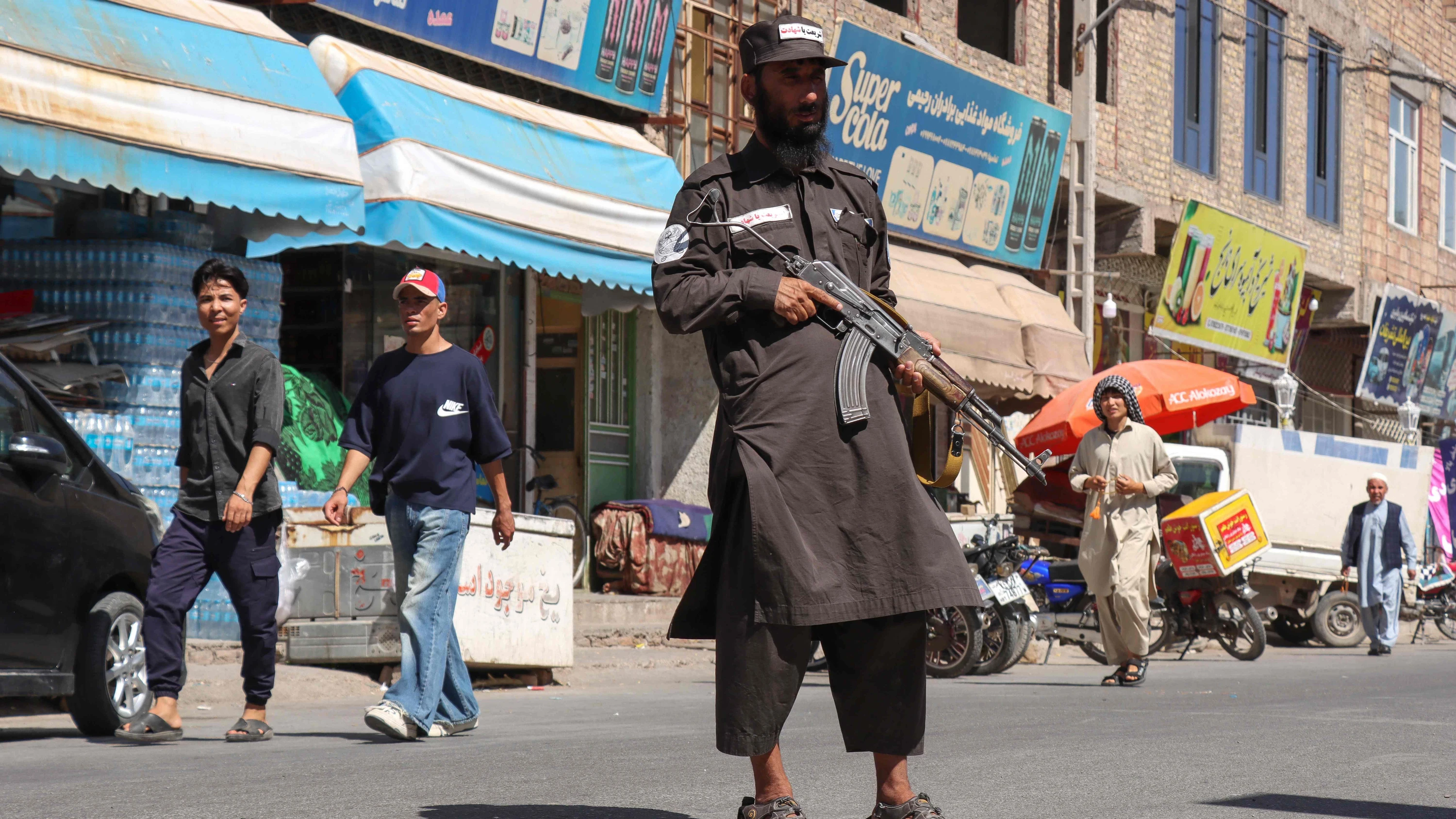
Gespräche in Brüssel: Die Taliban zu Gast, aber nicht bei Freunden Erstmals seit der Machtübernahme in Afghanistan sind fünf Taliban-Vertreter in Brüssel, um über Abschiebungen zu verhandeln. Die EU-Kommission verteidigt sich gegen Kritik.
faz · 3 months ago
In its efforts to repatriate migrants, the EU Commission is even meeting with the Taliban The meeting between the European Union and officials from the Kabul regime to discuss the repatriation of Afghan citizens who have committed crimes is the second such meeting in 2026. Criticism has been voiced by civil society, and a letter has been signed by twenty-eight MEPs and former Afghan MPs: A dangerous precedent
eunews.it · 3 months ago

EU hosts Taliban officials in Brussels for first time reut.rs/4uOgexL
bluesky bot · 3 months ago