Loading…
 Saturday, September 26Saturday, September 26
5 months · 5 summary articles
Germany’s Interior Minister Alexander Dobrindt has announced plans to triple monthly deportation flights to Afghanistan, as the federal government escalates efforts to return rejected asylum seekers—starting with convicted criminals—amid ongoing negotiations with Taliban authorities.
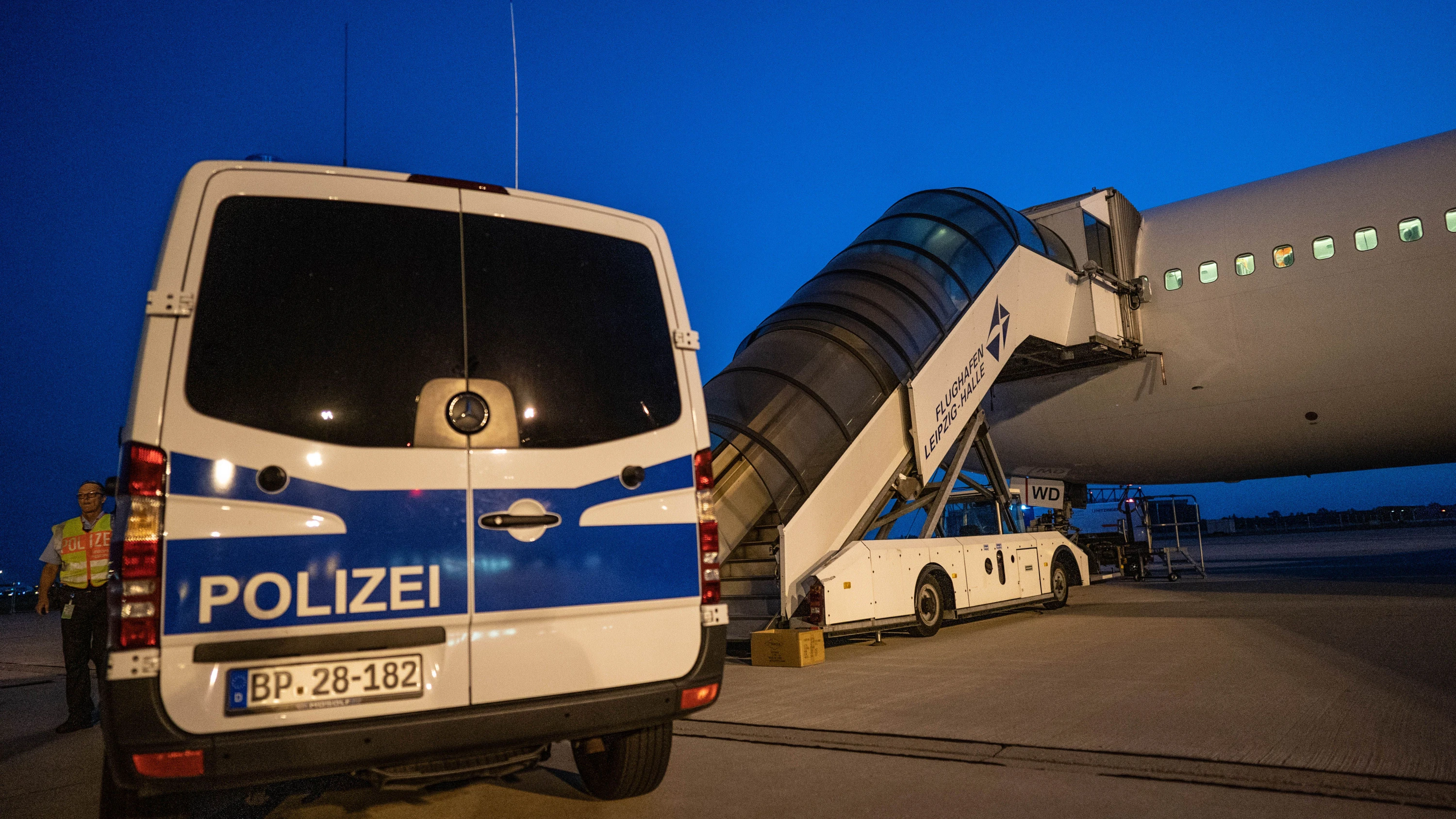
Speaking to *Handelsblatt* and *Die Zeit* on Sunday, Dobrindt (CSU) confirmed that up to three charter flights per month will now depart for Kabul, a sharp increase from previous sporadic removals. The move follows closed-door discussions at “technical level” with Taliban representatives, according to *FAZ* and *Welt am Sonntag*, which reported that around 100 convicted offenders are currently awaiting deportation. The policy targets individuals with criminal records, though human rights groups warn it risks violating international law.
Amnesty International condemned the expansion on Sunday, urging European governments to halt all deportations to Afghanistan, citing “unlawful expulsions” and the Taliban’s systematic repression of dissent, women, and minorities. The organisation’s statement, echoed across multiple outlets including *New Kerala* and *IANS*, argues that the security situation remains too volatile for safe returns. “Forcing people back into a country where their lives and freedoms are at grave risk is a violation of international obligations,” Amnesty said .
The federal government’s shift reflects a hardening stance on migration, with Dobrindt framing the measure as a deterrent against irregular arrivals. Interior Ministry officials have privately described the Taliban talks as pragmatic, focusing on logistical assurances rather than political recognition. However, critics argue the approach normalises a regime accused of human rights abuses, including extrajudicial killings and gender apartheid.
Germany’s Federal Office for Migration and Refugees (BAMF) has not yet published updated deportation guidelines, but regional authorities in Bavaria and Baden-Württemberg confirmed they are preparing lists of eligible individuals. Legal challenges are expected, with advocacy groups preparing emergency injunctions to block removals under the European Convention on Human Rights.
The policy comes as the EU grapples with record asylum claims and rising political pressure to curb irregular migration. While other member states have paused deportations to Afghanistan, Dobrindt’s initiative signals Berlin’s willingness to pursue high-volume returns despite international criticism. The first flights could depart within weeks, pending final security assessments by German and Taliban officials.
Follow us for live European news

Guerre en Ukraine : comment Kiev tente dasphyxier la Crimée de Vladimir Poutine
lexpress · 3 months ago

500 Years After Baburs Victory | How the Mughal legacy continues to shape South Asia | Mughal Empire Legacy 500 Years
gdeltproject.org · 3 months ago
Drei Flüge pro Monat – Dobrindt will Abschiebungen nach Afghanistan deutlich steigern Es sollen noch hundert Straftäter auf ihre Abschiebung warten: Innenminister Alexander Dobrindt (CSU) will die Rückflüge nach Afghanistan deutlich steigern. Bis zu drei Maschinen sollen im Monat fliegen.
welt.de · 3 months ago
Amnesty International urges nations to stop unlawful expulsion of Afghan refugees
gdeltproject.org · 3 months ago
Migration: Dobrindt will deutlich mehr Abschiebungen nach Afghanistan Drei Charterflüge pro Monat – die Bundesregierung will Abschiebungen nach Afghanistan stark ausweiten.
handelsblatt · 3 months ago
Amnesty Urges End to Afghan Refugee Expulsions
gdeltproject.org · 3 months ago
Migrationspolitik: Dobrindt will deutlich mehr Menschen nach Afghanistan abschieben Innenminister Alexander Dobrindt plant, die Abschiebungen nach Afghanistan auszuweiten. Dafür führt die Bundesregierung Gespräche »auf technischer Ebene« mit den Taliban.
die zeit · 3 months ago
Gespräche mit Taliban: Innenministerium will Abschiebungen nach Afghanistan ausweiten Nach Gesprächen mit den Taliban soll es bis zu drei Sonderflüge je Monat nach Kabul geben. Erst einmal betrifft es wohl Straftäter.
faz · 3 months ago
Amnesty International urges nations to stop unlawful expulsion of Afghan refugees
gdeltproject.org · 3 months ago
De ce a decis Vladimir Putin să-i „îmbrățișeze pe urmașii mujahedinilor, care au provocat retragerea umilitoare a URSS din Afganistan Nu demult, un tânăr din Rusia ar fi putut primi laude pentru o tiradă vulgară la adresa militanților afgani. La urma urmei, puțini pot uita retragerea umilitoare a Uniunii Sovietice din Afganistanul mujahedinilor, chiar și după patru decenii, scrie The Times.
digi24 · 3 months ago