Loading…
 Saturday, September 26Saturday, September 26
4 months · 2 summary articles
France unveils stop-gap tank as Daimler invests 1bn in military mobility amid Franco-German defence tensions
France and Germany scrap 100bn fighter jet project after decade-long feud
France and Germany formally abandoned their decade-long quest to build a next-generation fighter jet on Monday, 8 June 2026, after Dassault Aviation and Airbus failed to resolve fundamental industrial disputes and both governments concluded the project could not be salvaged.
Emmanuel Macron and Friedrich Merz announced in coordinated statements that they would “no longer pursue” the Franco-German Future Combat Air System (FCAS), known in France as the Système de Combat Aérien du Futur. “They acknowledge this reality,” a senior German official told Agence France-Presse . The decision, confirmed by the Élysée and the German Chancellery, marks the definitive collapse of a €100 billion programme intended to anchor Europe’s strategic autonomy and replace ageing fleets such as the Rafale and Eurofighter.
The rupture stems from irreconcilable visions over the jet’s architecture and industrial leadership. Dassault insisted on retaining overall design authority, while Airbus pushed for a more integrated, pan-European supply chain. “The companies were unable to come together,” the German official said . Spanish partner Indra, which had joined the FCAS consortium in 2022, was also left in limbo. Berlin’s abrupt announcement caught many in Madrid off guard, with Spanish Defence Minister Margarita Robles telling reporters the move was “premature” and vowing to seek clarification .
The failure delivers a sharp blow to Macron’s push for deeper European defence integration amid Russia’s war in Ukraine and fraying transatlantic ties. “Abandoning the project will be a blow to efforts by European countries to cooperate more closely on defence,” Le Monde noted . Analysts at the International Institute for Strategic Studies in London called it “a strategic setback” that could delay Europe’s next-generation combat capability by at least a decade. Germany’s defence industry, however, welcomed the move. “The end is not unwelcome,” the *Frankfurter Allgemeine Zeitung* wrote, citing relief in Munich and Augsburg over the removal of a costly distraction .
Macron, who had staked political capital on FCAS as a symbol of European sovereignty, now faces criticism at home. Opposition leader Marine Le Pen accused him of “squandering billions” and called for an immediate parliamentary inquiry . In Berlin, Merz defended the decision as pragmatic, telling the Bundestag that “no ministry can force companies to agree when their core interests diverge” .
With FCAS dead, both capitals are expected to pursue national or alternative multilateral programmes. France may accelerate upgrades to the Rafale F5, while Germany is reportedly exploring a bilateral deal with Sweden’s Saab for a sixth-generation platform. The collapse also raises questions about the future of the €8 billion European Defence Agency’s next combat air programme, due to be launched in 2027.
Follow us for live European news
3 further sources not geolocated

Berlin pulls plug on Franco-German fighter jet Chancellor Friedrich Merz proposes scaling back €100bn defence project to co-operation on combat cloud
financial times · 4 months ago
France and Germany abandon joint project to build European fighter jet Paris and Berlin conclude firms involved unable to agree on way forward in blow to Europes common defence pushFrance and Germany have concluded that the companies involved in building a joint fighter jet will not be able to reach an agreement and have abandoned the project, officials in Berlin have said in a blow to Europes common defence efforts.The French president, Emmanuel Macron, and the German chancellor, Friedrich Merz, had reached the shared assessment that the companies will not be able to come together, an official told Agence France-Presse. They acknowledge this reality. Continue reading...
theguardian · 4 months ago
Berlin declares Franco-German fighter jet project dead in blow to Macron Paris and Berlin are pulling the plug on a key defense program in a decision likely to tarnish French President Emmanuel Macrons legacy.
politico.eu · 4 months ago
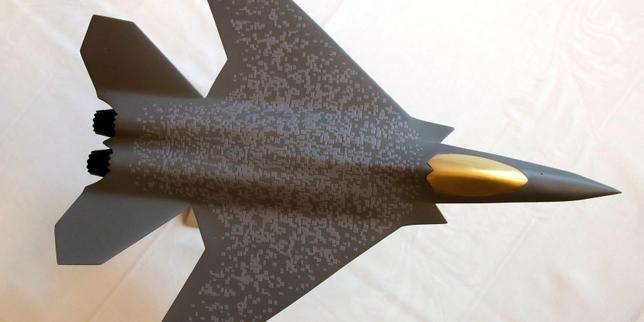
France and Germany abandon joint fighter jet program, German government says Abandoning the project will be a blow to efforts by European countries to cooperate more closely on defense and to present a united front as they contend with a hostile Russia and souring ties with the United States.
le monde · 4 months ago
![[lalibre] Après des mois de tensions, la France et lAllemagne enterrent le projet davion de combat SCAF: "Ils reconnaissent cette réalité" #Europe](https://files.mastodon.social/cache/preview_cards/images/195/858/094/original/40dd0624cd2edcb5.jpg)
[lalibre] Après des mois de tensions, la France et lAllemagne enterrent le projet davion de combat SCAF: "Ils reconnaissent cette réalité" #Europe
mastodon bot · 4 months ago

France and Germany have abandoned a plan to jointly build a next-generation fighter jet over deep industrial disagreements — a major blow to French President Emmanuel Macrons vision of closer European defense integration.
bluesky bot · 4 months ago

Après des mois de tensions, la France et lAllemagne enterrent le projet davion de combat SCAF: "Ils reconnaissent cette réalité" Friedrich Merz et Emmanuel Macron se sont entendus pour "ne plus poursuivre la construction dun avion de combat commun", le SCAF, a appris lAFP lundi auprès du gouvernement allemand. ...
la libre · 4 months ago
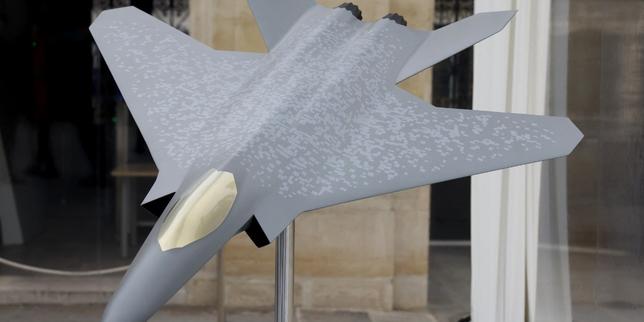
SCAF : Paris et Berlin abandonnent le projet davion de combat franco-allemand Le projet davion de combat commun, au budget estimé à près de 100 milliards deuros, devait incarner lautonomie stratégique européenne. Il sest progressivement enlisé en raison des tensions industrielles entre Dassault et Airbus.
le monde · 4 months ago
Rüstungskooperation: Deutsch-französisches Kampfjet-Projekt gescheitert Vor neun Jahren entstand die Idee eines deutsch-französischen Kampfjets. Nach viel Hin und Her haben Merz und Macron das wichtigste Prestigeprojekt der europäischen Rüstungskooperation nun gestoppt.
handelsblatt · 4 months ago
Kampfflugzeugprojekt FCAS: Merz und Macron beenden Zusammenarbeit Das seit Jahren diskutierte deutsch-französisch-spanische Kampfflugzeugprojekt FCAS wird gestoppt. Darauf haben sich Merz und Macron geeinigt. mehr...
taz.de · 4 months ago
Eșec la nivel înalt. Macron și Merz au pus cruce „super-avionului de miliarde de euro care trebuia să reducă dependența Europei de SUA Proiectul franco-german al avionului de vânătoare din cadrul inițiativei FCAS a eșuat. Conform informațiilor obținute de publicația Der Spiegel, cancelarul german Friedrich Merz și președintele francez Emmanuel Macron au convenit să încheie proiectul de armament de miliarde de euro. Surse guvernamentale germane au indicat că Dassault și Airbus nu au putut ajunge la un acord privind dezvoltarea unui avion de vânătoare comun.
digi24 · 4 months ago
Défense européenne : le projet davion de combat franco-allemand Scaf se crashe Emmanuel Macron et Friedrich Merz ont acté, ce lundi 8 juin, la fin du système de combat aérien du futur, après les tiraillements entre Dassault et Airbus. Un coup dur pour le réarmement européen.
liberation · 4 months ago
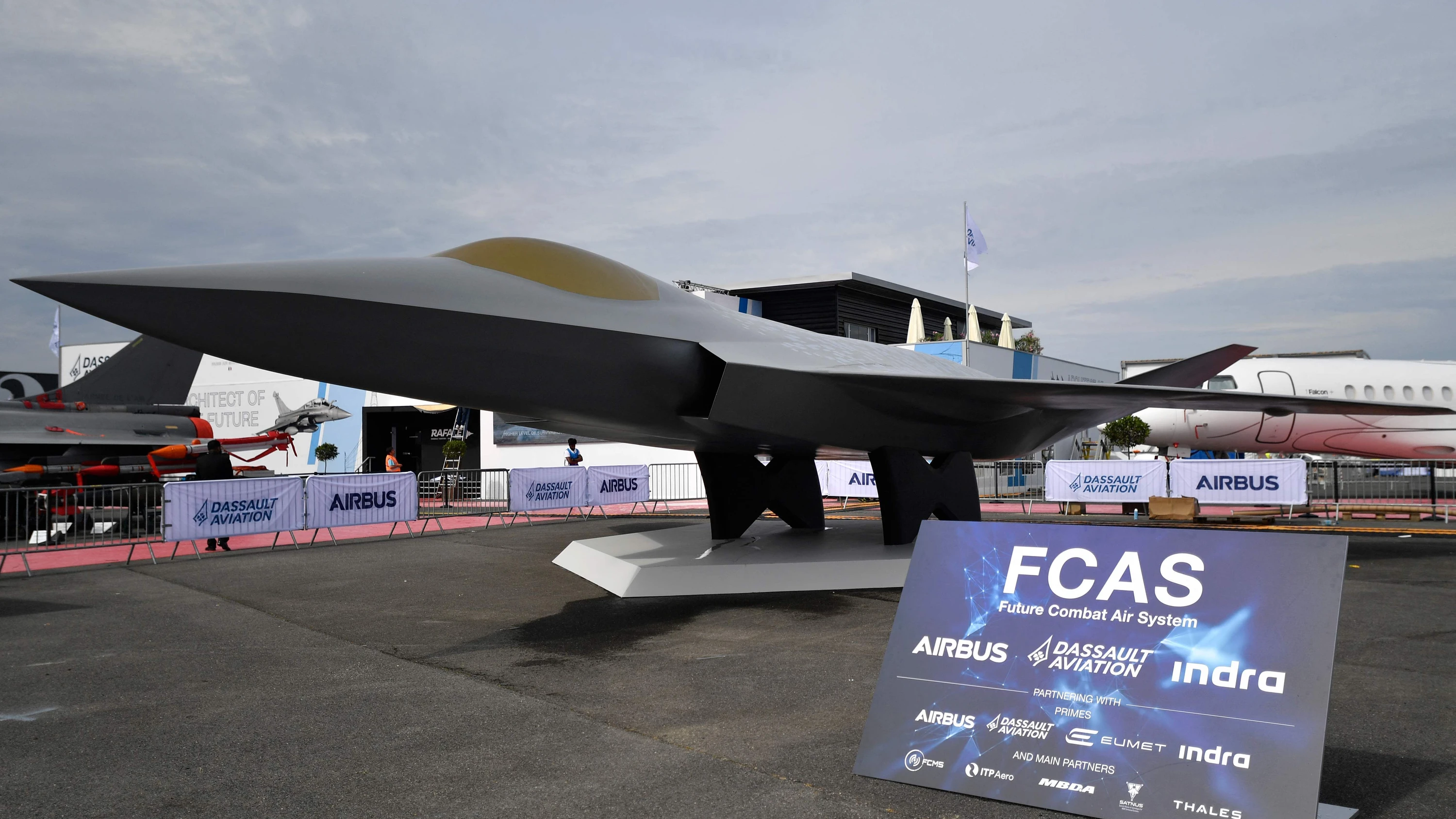
FCAS: Berlin überrascht Paris mit Aus für Kampfflugzeugprojekt Nach jahrelangen Vorbereitungen ist das milliardenschwere Rüstungsprojekt gescheitert. Zwischen Berlin und Paris bleiben Fragen offen. Der deutschen Industrie kommt das Ende gar nicht ungelegen.
faz · 4 months ago
La France et lAllemagne abandonnent lavion de combat SCAF Lavion de combat franco-allemand ou SCAF ne verra pas le jour. En tout cas sous sa forme actuelle débattue entre Paris et Berlin depuis des années. Les deux capitales se sont mises daccord pour ne pas poursuivre le projet daprès le gouvernement allemand. Dans un communiqué publié lundi soir 8 juin, lÉlysée annonce que Paris partage le constat de Berlin sur « limpossibilité pour les industriels de sentendre sur la continuation » du projet.
rfi.fr · 4 months ago

Germany Drops Jet Project With France in Setback for European Defense Sovereignty The move comes after companies involved in the project had fought over who should take the lead.
wsj · 4 months ago

Germany and France drop joint fighter jet project, German officials say reut.rs/4e9GJqO
bluesky bot · 4 months ago
Ondanks inzet Merz en Macron komt Europees gevechtstoestel niet van de grond Het project rondom de bouw van een nieuw Europees gevechtsvliegtuig is geschrapt. Ondanks bemiddelingspogingen van de Duitse Bondskanselier Friedrich Merz en de Franse president Emmanuel Macron komen vliegtuigbouwers Dassault en Airbus niet tot een akkoord.
nu.nl · 4 months ago
SCAF : le projet davion de combat franco-allemand est abandonné, selon Berlin Le projet davion de combat commun, au budget estimé à près de 100 milliards deuros, devait incarner lautonomie stratégique européenne. Il sest progressivement enlisé en raison des tensions industrielles entre Dassault et Airbus.
le monde · 4 months ago
FCAS: França e Alemanha abandonam projecto conjunto de caça de sexta geração Divergências entre a Airbus e a Dassault e as dúvidas de Berlim sobre a pertinência do projecto ditaram o seu fim.
publico · 4 months ago
Caccia sesta generazione, il progetto di Germania, Francia e Spagna ai titoli di coda. Giorni di incertezza per il Gcap Marrone (Iai) sullo stop al Future Combat Air System: «Lintento di cooperare sui droni e sul cloud relativo al caccia lascia il tempo che trova. Se come sembra probabile Londra manterrà gli impegni presi nonostante le difficoltà politiche interne, il Gcap diventa più attrattivo per possibili partner come Canada e Germania»
il sole 24 ore · 4 months ago