
Medical experts warn menopause misinformation risks lives as women face misdiagnosis and delayed care
Medical experts warn menopause misinformation risks lives as women face misdiagnosis and delayed care
A surge in online menopause misinformation is leading to missed diagnoses of serious health conditions and unwanted pregnancies, according to a new warning from clinicians. The Guardian reports that vague symptoms—fatigue, hot flushes, and mood changes—are being wrongly attributed to perimenopause, while underlying illnesses go untreated. Experts say the trend reflects a broader failure of medical systems to take women’s health complaints seriously, with some doctors dismissing symptoms as "hysteria" or lifestyle-related.
The issue is compounded by a booming market for "meno-friendly" products, including teas, nightwear, and supplements, which critics argue distract from evidence-based care. "Women don’t need menopause tea—they need doctors who listen," writes columnist Emma Beddington, citing cases where conditions like thyroid disorders or early-stage cancers were overlooked due to overreliance on self-diagnosis via social media.
Meanwhile, men’s health remains largely absent from the conversation. While women’s menopause symptoms are increasingly commercialized, male hormonal changes—such as andropause—receive scant attention in medical research or public discourse. Urologists note that declining testosterone levels in men over 40 can mirror menopausal symptoms, including fatigue, depression, and reduced libido, yet screening for these conditions remains rare. A 2025 study in *The Lancet* found that only 12% of men with clinically low testosterone were diagnosed, compared to 68% of women with menopause-related hormonal imbalances.
The disparity extends to medical training. A survey by the European Menopause and Andropause Society (EMAS) revealed that 70% of general practitioners felt confident managing menopause, while just 18% said the same for andropause. "Men’s hormonal health is the blind spot of modern medicine," said EMAS president Dr. Petra Stute, calling for standardized guidelines to address the gap.
As misinformation spreads, health authorities urge caution. The UK’s National Health Service (NHS) has launched a campaign to debunk menopause myths, while the World Health Organization (WHO) warns that unregulated online advice could delay critical interventions. For men, the silence persists—leaving many to navigate symptoms alone or turn to unproven supplements marketed as "testosterone boosters."
With no equivalent to hormone replacement therapy (HRT) for men widely available, advocates say the next frontier in gendered healthcare must include men’s hormonal transitions. Until then, experts stress the need for better education—for patients and doctors alike—to ensure both women and men receive timely, accurate care.
- independent
- digi24
- thejournal
- elmundo
Articles

ICIJs latest global investigation, the #CancerCalculus, exposes a broken global health system, telling the story of a breakthrough medicine whose transformative power has been constrained by its manufacturers quest for profits. Learn more: buff.ly/J2Hj1g3
bluesky bot · 7 days ago
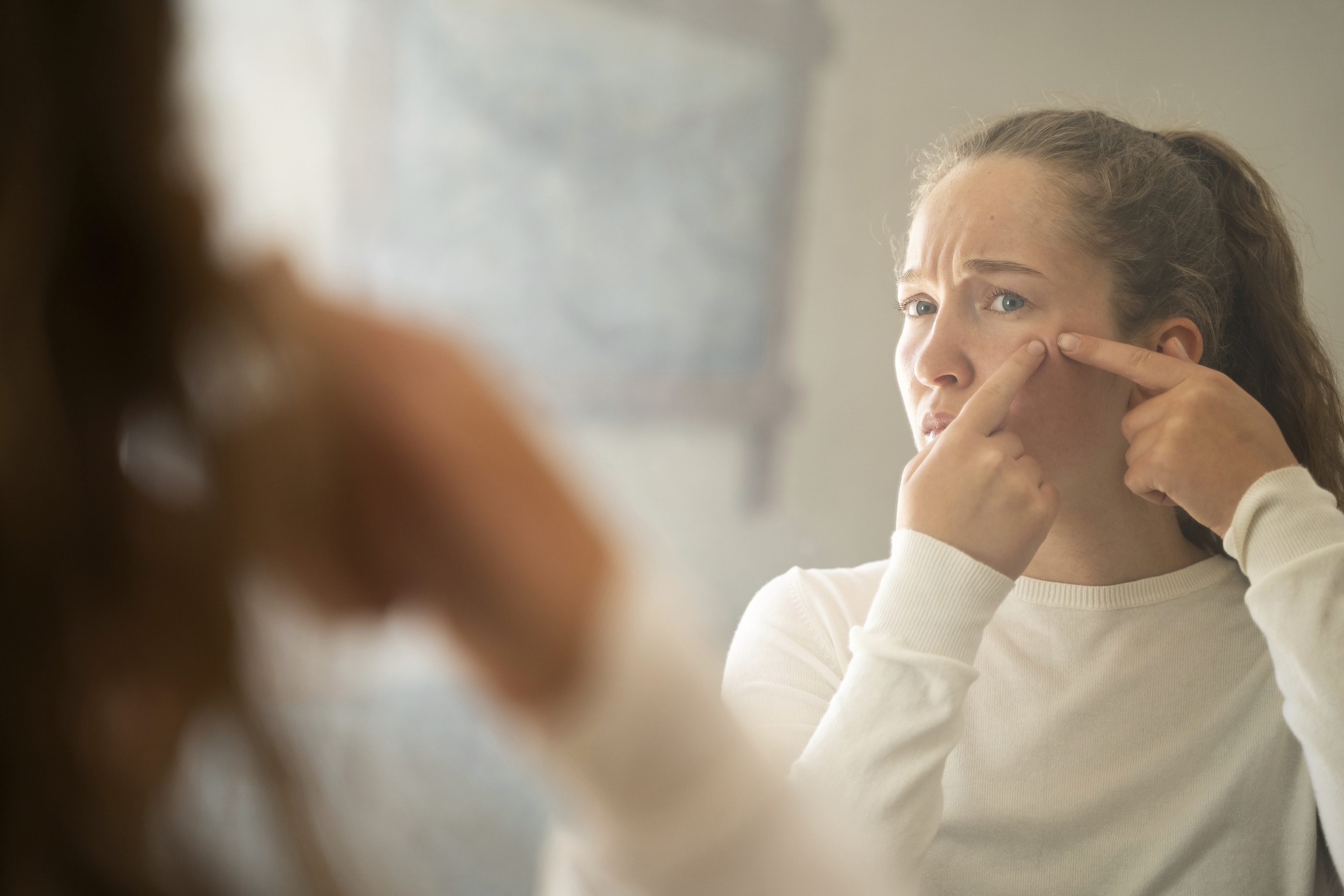
Epidemia de acné en la mujer adulta: cinco cambios en los hábitos de vida que pueden mejorarlo Casi la mitad de las mujeres adultas sufren acné en los países desarrollados, en gran parte por el estilo de vida occidental. Más allá de los tratamientos, los dermatólogos proponen abordar factores como la alimentación, el sedentarismo o el descanso Leer
elmundo · 7 days ago

Women dont need menopause tea and meno-friendly nighties. They need doctors to take them seriously | Emma Beddington Serious health conditions are being misdiagnosed and pregnancies are missed while the internet swells with terrible advice and meno-products. Enough!Ladies! Are you tired all the time, sweaty and hot, or headachy? Do you have a range of the vague complaints (laziness, hysteria, dissolute habits, general languishing) that would have seen you committed to a 19th-century asylum? Are you lacking in joie de vivre? Maybe youre perimenopausal!Or maybe youre not: being tired, hot and over everything are also symptoms of simply being alive in spring 2026. Thats not what the internet wants you to believe, though: last week, experts issued a warning about the deluge of perimenopause and menopause misinformation online and the risks that can pose to women, including unwanted pregnancies and a failure to seek a diagnosis for serious health conditions.Do you have an opinion on the issues raised in this article? If you would like to submit a response of up to 300 words by email to be considered for publication in our letters section, please click here. Continue reading...
theguardian · 7 days ago

Schimbare pentru bolnavii cronici şi oncologici de la 1 iunie. Concediul medical va fi plătit din prima zi De la 1 iunie, bolnavii cronici şi oncologici vor beneficia din nou de concediu medical plătit integral, după eliminarea unei prevederi care reducea indemnizaţia acordată unor categorii de pacienţi. Anunţul a fost făcut de prim-vicepreşedintele PNL Nicoleta Pauliuc, care a calificat schimbarea drept o corectare a unei „mari nedreptăţi.
digi24 · 7 days ago
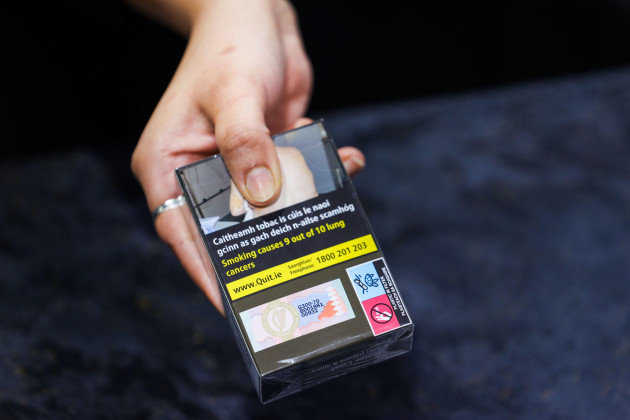
Doctors group calls for ban on sale of tobacco products to all people born after a certain year The Royal College of Physicians of Ireland has claimed such a measure is necessary for what it calls tobacco endgame.
thejournal · 7 days ago

Certain tortillas are now being marketed as GLP-1 friendly. What does that even mean? While a GLP-1 friendly label may seem arbitrary, some medical experts say it may make people pay closer attention to what theyre eating
independent · 7 days ago

J&J prostate cancer drug reduces risk of cancer spread and death in late-stage study reut.rs/4o060Iz
bluesky bot · 7 days ago

Daily pill can double survival time for worlds deadliest cancer, trial shows Experts hail daraxonrasib as gamechanger for patients with advanced pancreatic cancerA daily pill can double survival time in patients with the worlds deadliest cancer, according to the results of a clinical trial that experts are saying is a gamechanger and one of the biggest breakthroughs in decades.Currently, there are few treatments for pancreatic cancer, and most do little or nothing to help. For decades, scientists have worked relentlessly trying to find clever solutions for a form of cancer that is often found late. More than half of patients are only diagnosed after it has spread. Continue reading...
theguardian · 7 days ago
Women dont need menopause tea and meno-friendly nighties. They need doctors to take them seriously | Emma Beddington Serious health conditions are being misdiagnosed and pregnancies are missed while the internet swells with terrible advice and meno-products. Enough!Ladies! Are you tired all the time, sweaty and hot, or headachy? Do you have a range of the vague complaints (laziness, hysteria, dissolute habits, general languishing) that would have seen you committed to a 19th-century asylum? Are you lacking in joie de vivre? Maybe youre perimenopausal!Or maybe youre not: being tired, hot and over everything are also symptoms of simply being alive in spring 2026. Thats not what the internet wants you to believe, though: last week, experts issued a warning about the deluge of perimenopause and menopause misinformation online and the risks that can pose to women, including unwanted pregnancies and a failure to seek a diagnosis for serious health conditions. Continue reading...
theguardian · 7 days ago