
Iran strikes US bases in Gulf states as Strait of Hormuz tensions escalate
Story Timeline
3 months · 14 summary articles
In a significant escalation of tensions in the Middle East, Iran and the United States have engaged in a series of reciprocal military strikes over the weekend, with Iran targeting American military bases in several Gulf states and the U.S. conducting strikes against Iranian military targets. The conflict has centered around the strategic Strait of Hormuz, with both nations making conflicting claims about control over the vital waterway.
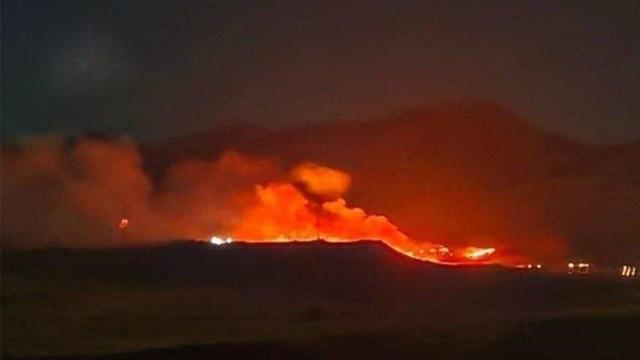
Iran responded to a fresh wave of strikes from U.S. forces by launching attacks on American military bases in Kuwait, Bahrain, Jordan, Oman, and Qatar, according to Iranian state media. The strikes were described as retaliatory measures to renewed U.S. bombings. The U.S. Central Command (CENTCOM) stated that American forces had successfully hit dozens of targets at multiple locations to degrade Tehran's ability to continue attacking vessels traversing the Strait of Hormuz.
The conflicting claims about the status of the Strait of Hormuz have further complicated the situation. The U.S. has asserted that the strait remains open to shipping, while Iran has declared it closed. The Strait of Hormuz, located between Oman and Iran, is one of the world's most critical energy choke points, typically handling around 20% of the world's oil traffic. The conflicting claims have led to uncertainty and fear of further disruption to global oil flows.
Oil prices jumped on Monday morning as the latest cycle of attacks and counterattacks renewed fears of further disruption to flows through the Strait of Hormuz. International benchmark Brent crude futures with September delivery advanced 2.8% to trade at $78.14 per barrel, while U.S. West Texas Intermediate futures with August delivery rose 2.5% to $73.24.
Iran's parliament speaker, Mohammad Bagher Ghalibaf, took to social media to declare, "The era of one-sided deals is OVER. We told you: keep your word or pay the price. Reality is knocking." This statement was accompanied by an image of Article 5 of the U.S.-Iran memorandum of understanding, which relates to the reopening of the Strait of Hormuz.
President Donald Trump, in a telephone interview with Fox News, stated that the U.S. would "probably become the guardian of the strait" and that Washington should be "reimbursed" for this role. This statement comes as the U.S. and Iran continue to trade strikes and counter-strikes, further undermining an already fragile truce.
The latest exchange of strikes comes as a Memorandum of Understanding agreed by Washington and Tehran in mid-June, which extended an April ceasefire and began to reopen the Strait of Hormuz, appears increasingly close to collapse. The agreement was meant to pave the way for reopening the Strait of Hormuz and ending the war after 60 days of negotiations.
The U.S. military's Central Command said it controls the Strait of Hormuz, but Iran's Revolutionary Guard has rejected this claim. The competing claims show that the waterway, which once carried a fifth of the world's traded crude oil and gas, remains the central issue in negotiations, with shipping disrupted since the war began as Iran attacked commercial vessels to maintain its grip on the strait.
The attacks were sparked by Iran striking a container ship on July 12 in the strait off the coast of Oman. U.S. Central Command said its forces had hit dozens of sites, including air defense systems, radar sites, missile and drone equipment, and small boats. Iran's Islamic Revolutionary Guard Corps said its naval forces had struck U.S. facilities at Jufair in Bahrain and destroyed a long-range FPS air radar and a vessel-detection radar in Oman.
The situation remains fluid, with both sides continuing to exchange strikes and counter-strikes. The international community watches closely as the conflict threatens to disrupt global oil flows and further destabilize the region.
Follow us for live European news
- 2
- 2
- 2
- 1
- 1
- 1
- 1
- 1
- 1
- 1
4 further sources not geolocated
Articles

Neue Welle wechselseitiger Angriffe Das US-Militär hat nach eigenen Angaben erneut Ziele im Iran angegriffen. Die Streitkräfte hätten um 23.00 Uhr MESZ damit begonnen, weitere Angriffe auf den Iran durchzuführen, teilte das zuständige US-Regionalkommando Centcom auf der Plattform X mit. Der Iran solle so in seiner Fähigkeit eingeschränkt werden, Handelsschiffe in der Straße von Hormus zu attackieren. Staaten am Persischen Golf meldeten daraufhin erneut Raketenbeschuss aus dem Iran.
orf.at · about 2 months ago
US and Iran trade strikes as ceasefire comes under growing strain Irans IRGC says it attacked sites linked to the US military in Kuwait, Bahrain and Oman after latest US bombardment.
aljazeera · about 2 months ago
New Iran strikes on Gulf as US attacks escalate: What we know Iran targets its Gulf neighbours in third round of tit-for-tat attacks with US in a week.
aljazeera · about 2 months ago
U.S. and Iran exchange strikes as Strait of Hormuz standoff escalates Iran responded to a fresh wave of strikes by U.S. forces by launching an attack on American military bases in several Gulf states.
cnbc · about 2 months ago
Trump Threatens To Take Control Of Hormuz Strait After Fresh Round Of Attacks Rock The Gulf President Donald Trump said the United States may become the "guardian angel" of the Strait of Hormuz after a new wave of air strikes, sparked by activity in the key waterway, rocked the Gulf region.
radio free europe · about 2 months ago
🇺🇸 🇮🇷 US and Iran launch fresh wave of strikes Videos released by the US Central Command (CENTCOM) and Irans sepahnews.com show the two foes launching fresh strikes on one another.
bluesky_AFP English · about 2 months ago

Iran launches attacks on American military facilities in Bahrain and Kuwait after fresh US strikes – Middle East crisis live
bluesky_The Guardian · about 2 months ago
US, Iran each claim control of Strait of Hormuz after weekend of strikes The US and Iran have each claimed control of the Strait of Hormuz after a weekend of attacks across the Middle East, further threatening diplomacy to end the war.
intellinews · about 2 months ago
Debate: New strikes in Iran war: what comes next? The US has launched a new wave of attacks on military targets in Iran. The US Regional Command said the aim was to weaken Tehrans ability to attack merchant ships in the Strait of Hormuz. Iran has responded with counter-attacks on US bases in the Gulf region. Commentators discuss strategies and risks.
eurotopics.net · about 2 months ago
Strait of Hormuz back to square one as US-Iran flare-up brings uncertainty The renewed hostilities in the Middle East followed a renewed exchange of fire. It comes as negotiators struggle to reach a lasting peace deal to keep the crucial Strait of Hormuz open. Although the Strait is not being completely shut down, Iran has been striking ships adopting a US-defined route through it. FRANCE 24s Kethevane Gorjestani explains.
france24 · about 2 months ago
Middle East War: Iran claims strikes on US bases in multiple countries 🔎 Irans Revolutionary Guards on Monday said they had hit US military bases in countries across the Middle East in retaliation for American attacks on targets across Iran. Both US and Iran claim control over the Strait of Hormuz. In a telephone interview with Fox News on Monday, President Donald Trump said that the US will "probably become the guardian of the strait," adding that Washington should be "reimbursed" for the same. #Iran #US #StraitofHormuz #MiddleEast
france24 · about 2 months ago
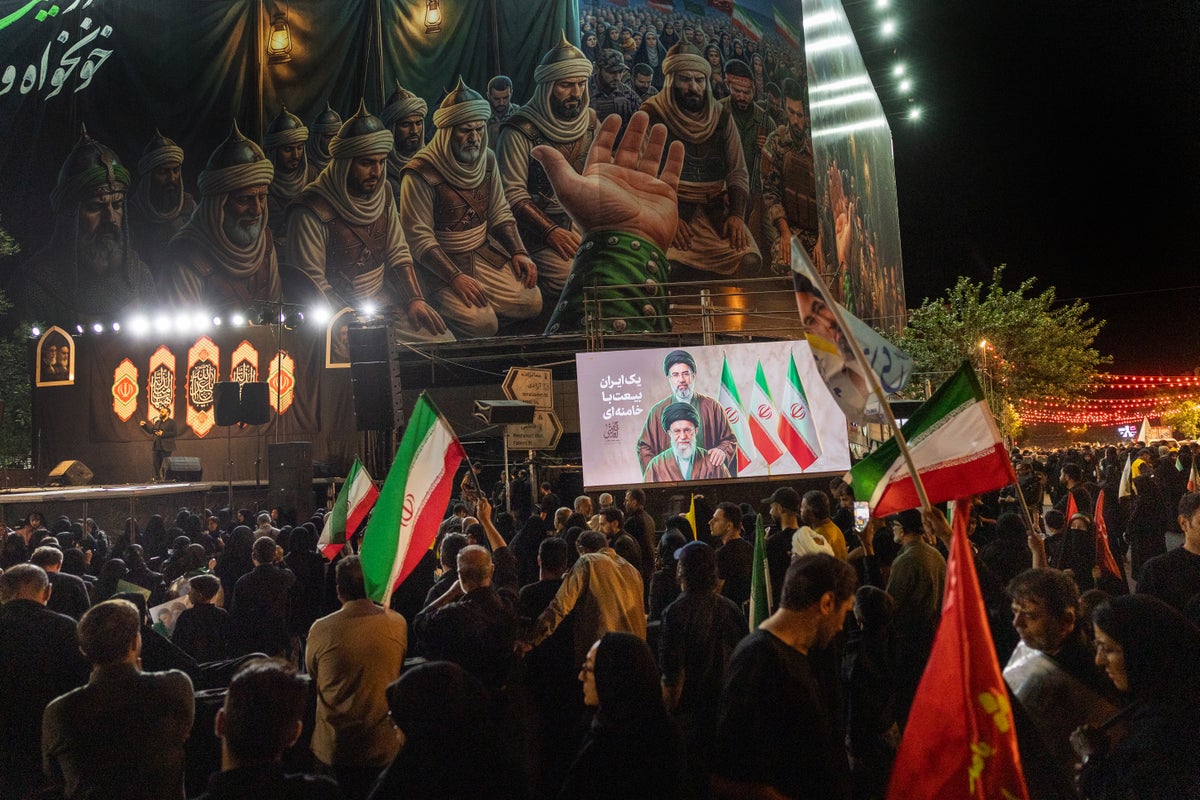
Im an expert on Iran and US politics. Heres what might happen next President Donald Trump says the 60-day ceasefire signed by the US and Iran three weeks ago is over
independent · about 2 months ago
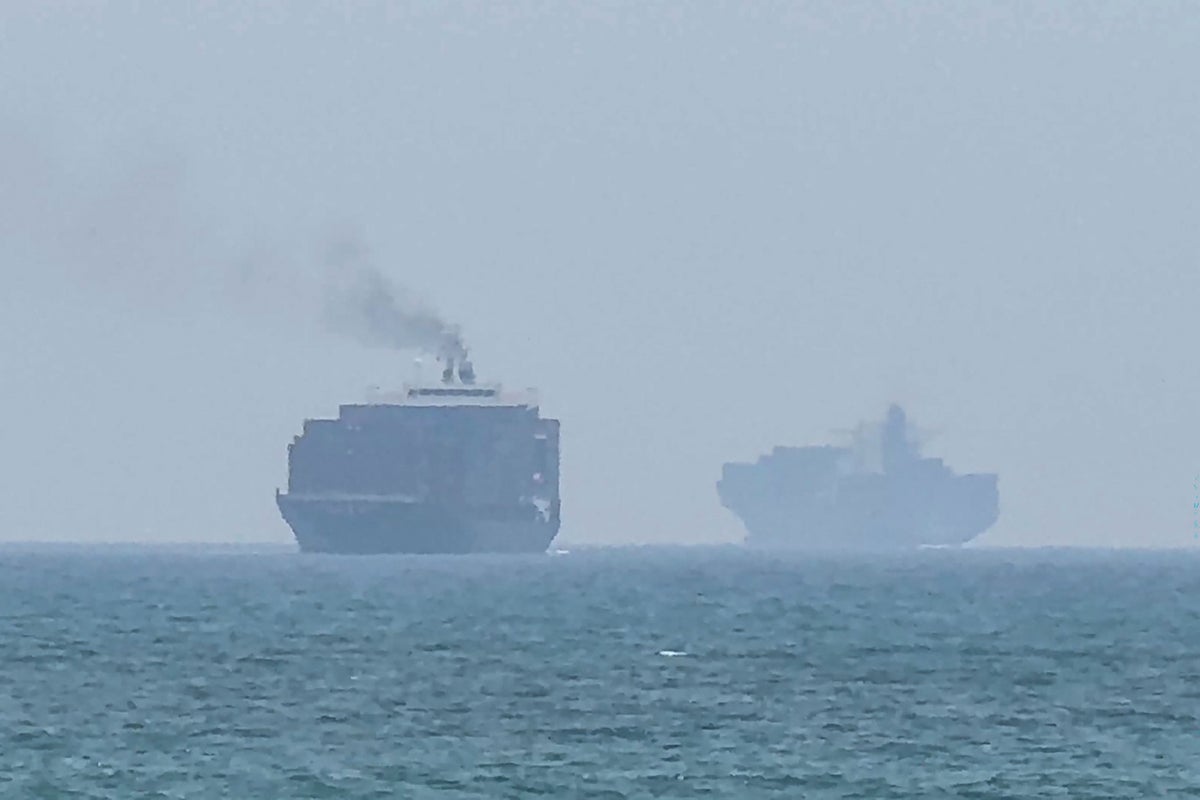
Ships stop crossing Strait of Hormuz after US and Iran trade strikes Tehran said transit through the vital shipping route has been blocked due to US military action
independent · about 2 months ago
US launches more strikes on Iran as ceasefire teeters Fighting escalates as Trump insists Strait of Hormuz remains open while Tehran says it is closed
financial times · about 2 months ago
US will run Strait of Hormuz after strikes with Iran, Trump says Week of escalating military tensions over the waterway risks reigniting full-scale war
financial times · about 2 months ago
+++ Iran-Krieg +++: Iran meldet neue US-Angriffe im Südwesten Jemens Militär beschießt wegen iranischem Flugzeug Landebahn in Sanaa +++ Trump schließt Kontrolle über Straße von Hormus nicht aus +++ Der Newsblog.
handelsblatt · about 2 months ago
Irans Revolutionary Guards claim to destroy US HIMARS in Kuwait The Islamic Revolutionary Guard Corps said Sunday it destroyed US HIMARS missile launchers stationed in Kuwait during a precision drone operation, claiming three American officers were killed as the regional conflict sparked by Februarys US-Israeli offensive against Iran shows no sign of abating.
yenisafak · about 2 months ago
US strikes Iranian military targets near Strait of Hormuz The US military conducted strikes on Iranian missile and air defense systems as well as Islamic Revolutionary Guard Corps vessels near the strategic Strait of Hormuz on Sunday, according to a report citing a US official who indicated the attacks occurred approximately one hour before the disclosure and targeted multiple locations.
yenisafak · about 2 months ago
Iran strikes Kuwait bases as US launches new wave of attacks Irans Revolutionary Guard has claimed attacks on two military bases in Kuwait, stating it destroyed fuel tanks and air defence systems. The strikes occurred as the US Central Command announced it had completed a new wave of operations against Iranian targets, further escalating regional tensions.
yenisafak · about 2 months ago
Iran says it hit US bases in Bahrain, radar sites in Oman Irans Islamic Revolutionary Guard Corps said on Monday it conducted missile and drone strikes against US military facilities in Bahrain and radar systems in neighboring Oman, warning Washington that continued interference in the Strait of Hormuz would lead to "greater incidents" affecting global energy markets.
yenisafak · about 2 months ago
Explosions rock Bandar Abbas, Qeshm Island in southern Iran Local media reported fresh explosions Monday near the southern Iranian port of Bandar Abbas and Qeshm Island, with Hormozgan officials stating no infrastructure damage occurred, as regional tensions between Tehran and Washington continued to escalate following recent military exchanges.
yenisafak · about 2 months ago
Iran warns US against interference in Strait of Hormuz management Irans military has issued a stern warning to the United States against "interference" in the Strait of Hormuz, following President Donald Trumps suggestion that Washington would likely take control of operations in the strategic waterway.
yenisafak · about 2 months ago

U.S. Strikes New Targets After Iran Rejects Demand to Open Hormuz President Trump said the U.S. would take over the waterway and demand compensation for the service.
wsj · about 2 months ago
US-Iran talks to end war on the line amid renewed strikes The US has launched more strikes in Iran, for a third major attack between July 12 and July 13 in the Middle East. It comes just hours after the US launched some of its largest air strikes against Iran since US President Donald Trump declared the ceasefire over. Iran announced it had started its retaliatory response, targeting US military bases in Jordan Bahrain and Kuwait.
france24 · about 2 months ago
Iran launches drone, missile attacks on dissident bases in Iraqi Kurdistan Irans military forces recently carried out heavy air strikes on bases belonging to Iranian Kurdish militia groups in Iraqi Kurdistan. These unprecedented attacks underscore Tehrans fear that these militias could become more offensive amid the instability fuelled by the war with Israel and the US.
france24 · about 2 months ago
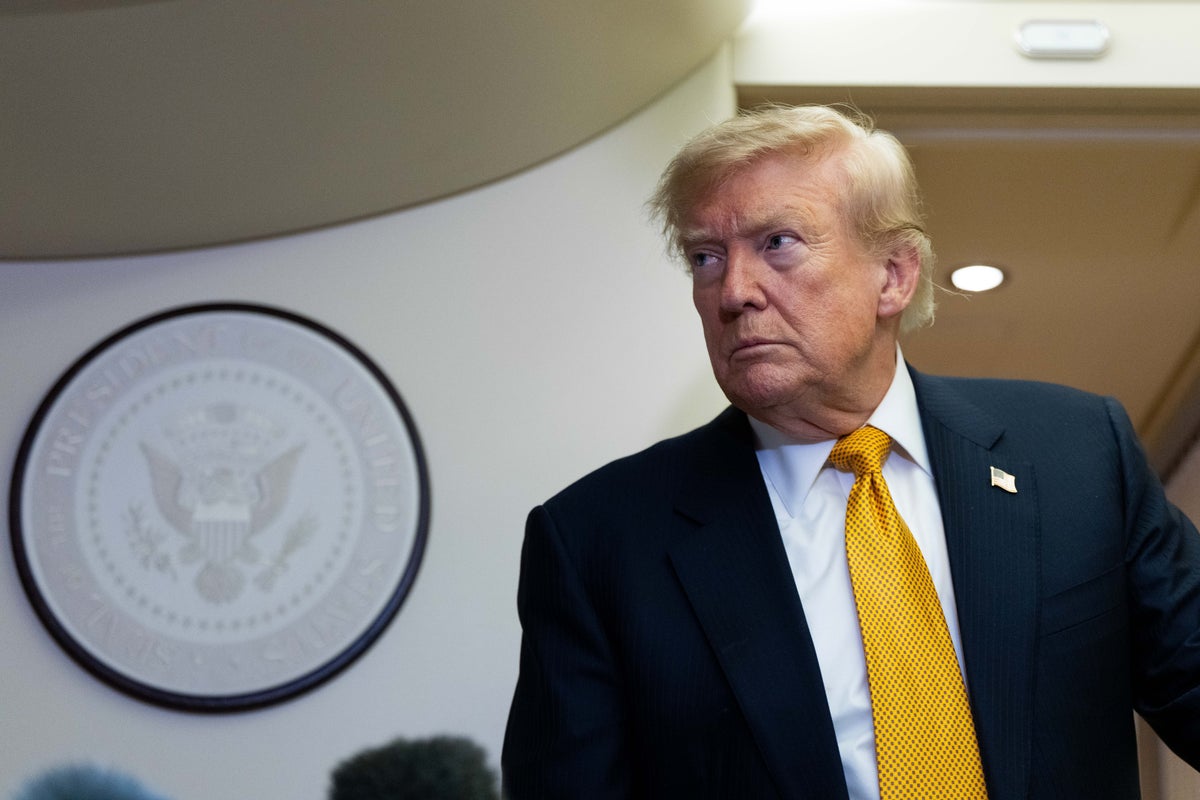
Iran-US war latest: Trump claims US should be the guardian angel of the Strait of Hormuz and get paid for it US militarys Central Command says it controls the Strait of Hormuz but Irans Revolutionary Guard rejects the claim
independent · about 2 months ago
Trump: US wants to keep the Strait of Hormuz US President Donald Trump stated that the US will likely manage and protect the Strait of Hormuz, but expects to be paid a lot of money by other wealthy countries to do so. In response, Irans military headquarters, Khatam al-Anbiya, declared that Iran will not allow US interference in the straits management. The strait, which […]
cphpost · about 2 months ago
Azerbaijan president backs Pakistans role in defusing Iran-US tensions
gdeltproject.org · about 2 months ago
⚡ NEWSIran strikes Kurdish militia bases in Iraqi KurdistanIran launched heavy air strikes on Iranian Kurdish militia bases in Iraqi Kurdistan. The unprecedented attacks reflect Tehrans fear that these groups could become more offensive amid instability fueled by the ongoing war with Israel and the US.📰 #Military #Israel #Geopolitics #GeoWire
mastodon bot · about 2 months ago
Irans Revolutionary Guard closes Strait of Hormuz indefinitely Irans Revolutionary Guard Navy announced on Sunday that it has closed the strategic Strait of Hormuz indefinitely after warning fire stopped a vessel accused of violating navigation orders, declaring that the vital waterway would remain shut until US interventions in the region end.
yenisafak · about 2 months ago