
Berlin Ringbahn bridge fully closes this weekend for new superstructure installation

A major disruption to Berlin’s Ringbahn bridge is set to begin this weekend as construction crews undertake a critical phase of the new A100 bridge project, with completion slated for the first half of 2027. The existing bridge, a key artery for regional and long-distance rail traffic, has been under pressure due to structural aging and increasing demand. Engineers are now installing a new superstructure in a tightly coordinated operation that will require full closure of the bridge during the work. The project is part of a broader €1.2 billion upgrade to the Ringbahn corridor, aimed at increasing capacity and reducing delays across the Berlin rail network.
The weekend shutdown follows months of preparatory work, including the dismantling of old bridge sections and reinforcement of supporting pillars. According to project managers at the Berlin Senate Department for Urban Mobility, the new bridge will feature modern noise-reducing materials and improved drainage systems to better withstand extreme weather. “This is a decisive step toward a more resilient and quieter Ringbahn,” said a spokesperson. The new structure will also allow for higher speeds and increased frequency of S-Bahn services, which currently operate at reduced capacity due to the aging infrastructure.
In related transport news, Vienna’s public transport operator Wiener Linien announced the permanent closure of the “Parlament” tram stop on the Ringstrasse starting Monday, July 13, as part of efforts to speed up tram lines D, 1, 2, and 71. The stop, located near the Austrian Parliament building, is one of the least used on the Ring and its removal is expected to cut journey times by up to six minutes per trip. “Every minute counts for our passengers,” said a Wiener Linien spokesperson. “By reducing stops, we can improve reliability and reduce delays caused by traffic lights and congestion.” The stop will be renamed “Parlament, U Volkstheater” to guide passengers to the nearest accessible station, while a historic green shelter will be relocated to serve line 49 at Volkstheater.
Meanwhile, rail travelers in northern Germany are breathing a sigh of relief as the Hamburg–Hannover line, which has been fully closed since July 7 for major infrastructure upgrades, is set to reopen tonight at 21:00. The 163-kilometer route underwent extensive track, overhead line, and station renovations as part of [Deutsche Bahn’s](en.wikipedia.org) “quality offensive,” designed to bundle maintenance before a full-scale renovation planned for 2029. The line is a vital corridor for commuters, freight, and long-distance services between northern and southern Germany. “We’ve completed all planned works on time,” said a DB spokesperson. “Passengers can expect faster, more reliable services once the line reopens.” Regional services will resume on Saturday morning, with replacement buses in place during the closure.
In Switzerland, Basel’s historic city center is facing a prolonged transport disruption as a ten-week closure of the Marktplatz tram axis enters its fourth week. The €45 million project involves replacing aging tracks, upgrading the tram stop to be fully accessible, and reinforcing the underground Birsig river channel. Nine tram lines are being rerouted, and while authorities report the diversions are running smoothly, local businesses have raised concerns about reduced foot traffic. “We’re operating at the heart of the city,” said Daniel Hofer, a spokesperson for Basel’s construction department. “The complexity of the site means we need every extra day.” The disruption is expected to last until mid-September.
Across Europe, rail and tram networks are grappling with aging infrastructure and the need for modernization. In the Rhein-Main region, Deutsche Bahn has begun a phased closure of key lines between Mainz, Wiesbaden, and Frankfurt, with full closures scheduled through September 25. The €1.6 billion upgrade aims to reduce chronic delays and improve punctuality, though passengers are advised to plan ahead using real-time apps. “Despite the disruptions, we’re building a more robust network for the future,” said a DB representative.
As cities across the continent accelerate infrastructure upgrades, passengers are facing a summer of construction-related disruptions—from Berlin’s bridge to Basel’s trams and Frankfurt’s main lines. While the short-term pain is unavoidable, authorities insist the long-term gains in speed, reliability, and accessibility will justify the inconvenience.
Follow us for live European news
- 3
- 2
- 2
- 2
- 1
- 1
- 1
- 1
- 1
- 1
Articles

Damit es schneller geht: Wiener Linien lösen Haltestelle auf Weil sie wenig frequentiert wird und die nächsten Stationen nicht weit sind, wird die Haltestelle Parlament am Ring ab Montag, 13. Juli nicht mehr eingehalten.
die presse · about 3 hours ago
Fallende Wasserstände: Rhein-Pegelstand sinkt: Bald Zwangspause für Hotelschiffe?
die zeit · about 3 hours ago

Bőven jutna a legatyásodott mellékutak karbantartására abból a pénzből, amit Mészárosék nyelnek el az autópálya-koncesszióval Kiszámolták, éves szinten mekkora összeg lenne úgy karbantartani a hazai úthálózatot, hogy ne legyen több mint a fele rossz állapotú, mint most. Az összeg kisebb lenne, mint amit az autópálya-koncesszióra költ évente az állam.
hvg.hu · about 3 hours ago
Live η κίνηση τώρα στους δρόμους: Μποτιλιάρισμα στον Κηφισό, καθυστερήσεις στο λιμάνι του Πειραιά και στον Σκαραμαγκά Αυξημένη κίνηση επικρατεί για ακόμα μια ημέρα στους κεντρικούς οδικούς άξονες της Αττικής
protothema · about 3 hours ago
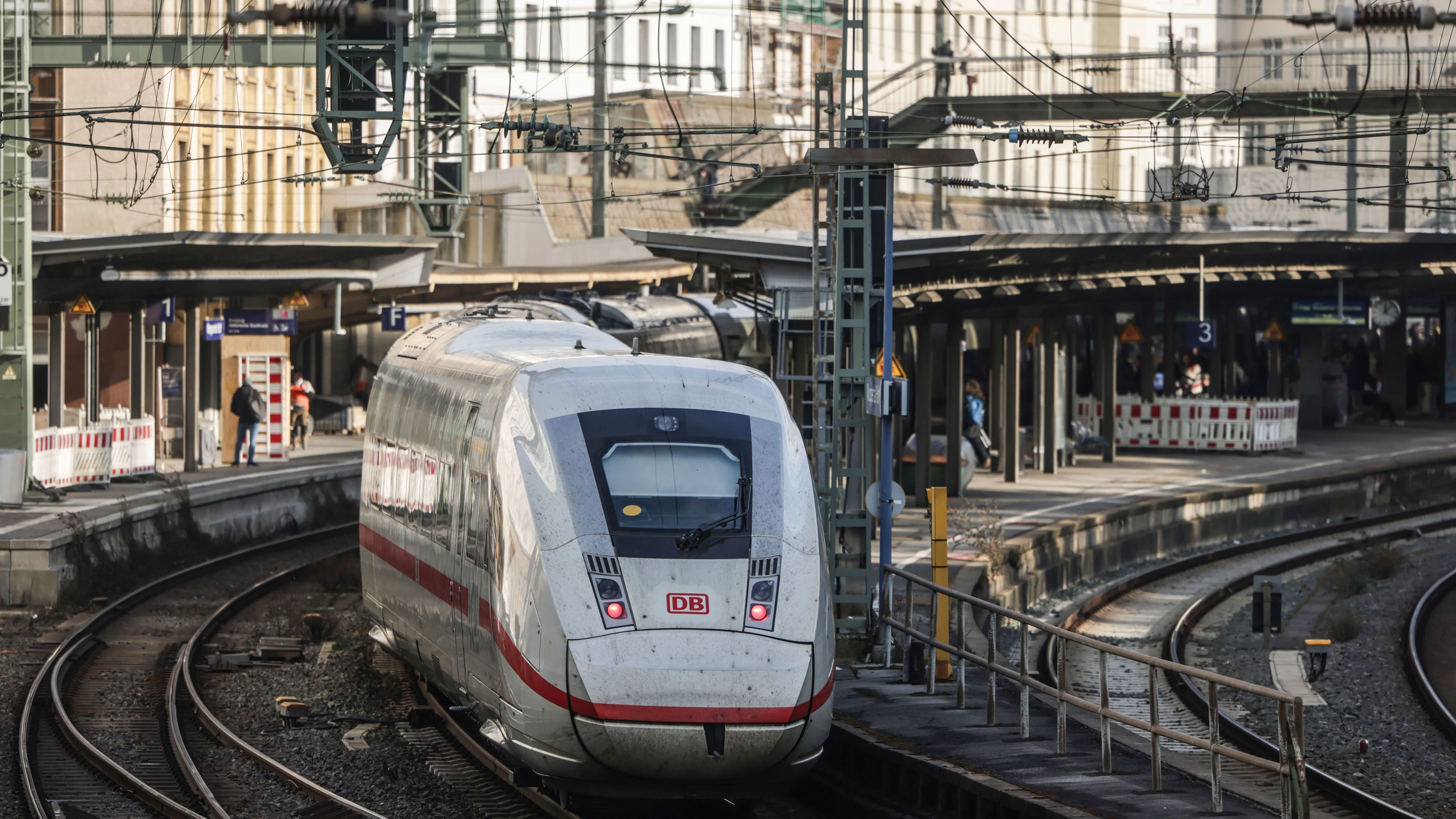
Bahnstrecken: Hamburg-Hannover und Köln-Hagen bald wieder frei Die Deutsche Bald will am Freitagabend zwei wichtige Strecken nach mehreren Monaten Bauzeit wieder freigeben. Doch zwischen NRW und Hessen steht schon die nächste große Generalsanierung an.
faz · about 3 hours ago
Tågstopp mellan Stockholm och Göteborg
svenska dagbladet · about 3 hours ago
Stopp i tågtrafiken mellan Göteborg och Stockholm Tågen står still mellan Stockholm och Göteborg
expressen · about 4 hours ago
Neubau am Wochenende: Wichtiger Bauschritt bei der Ringbahnbrücke steht an Der Zeitplan beim Neubau der Ringbahnbrücke ist eng. Schon in der ersten Jahreshälfte 2027 soll die neue A100-Brücke fertig sein. An diesem Wochenende steht ein wichtiger Bauschritt an.
tagesspiegel · about 4 hours ago
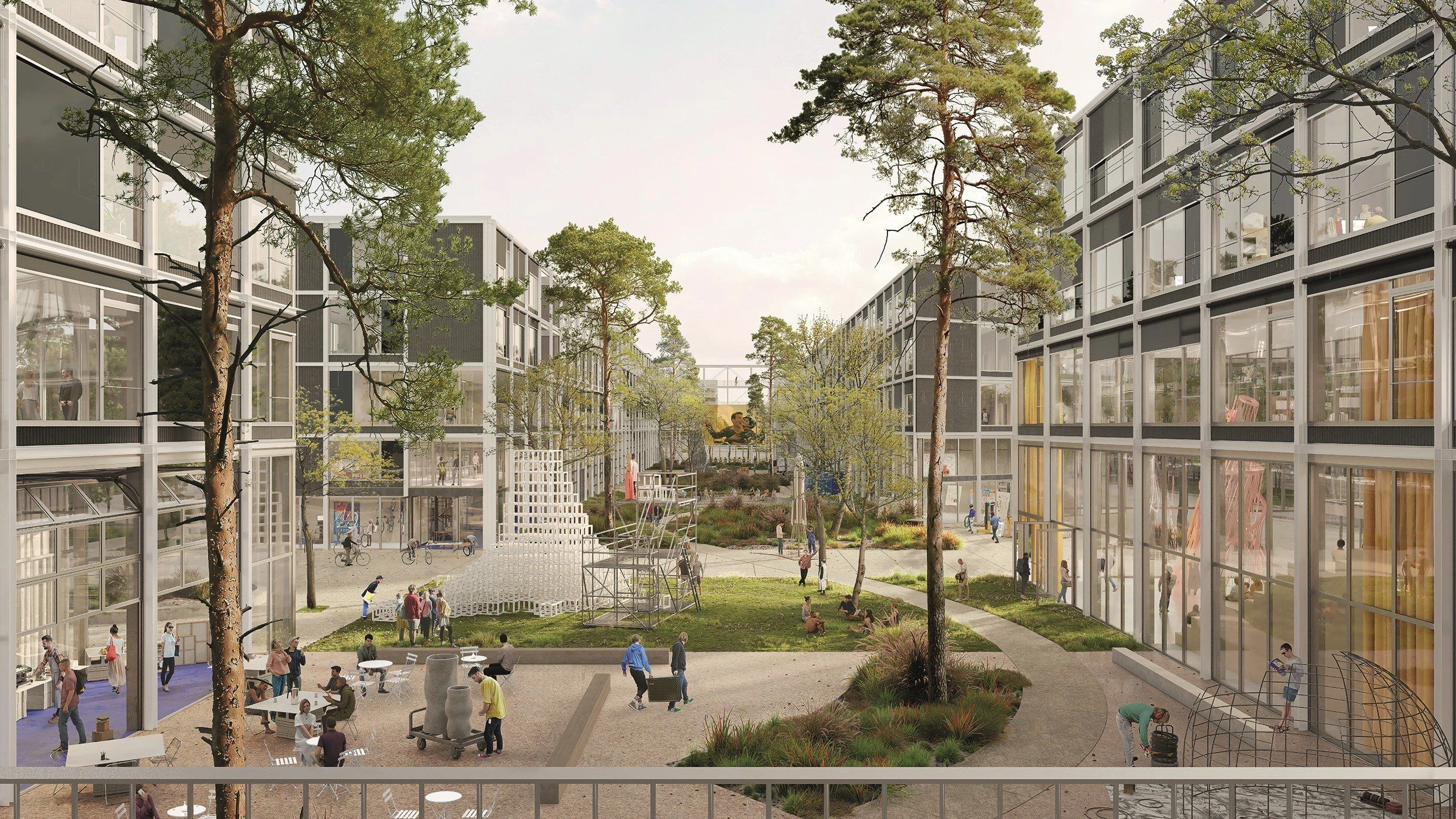
Neubau für Hochschule: Offenbach sollte sich Sorgen machen Es gibt Gerüchte, der Neubau der Hochschule für Gestaltung in Offenbach könnte sich verzögern. Für die zuletzt erfolgsverwöhnte Stadt wäre das ein Rückschlag.
faz · about 4 hours ago

Megkapta a környezetvédelmi engedélyt az Újpest új stadionja Az építési engedélyezési eljárás szüneteltetése miatt azonban az első fakivágás legkorábban jövő tavasszal történhet csak meg.
hvg.hu · about 4 hours ago
Grossbaustelle in Basel – Stillstand oder Chance? Basel probt den Verkehr von Morgen Wegen einer Grossbaustelle fahren in der Basler Innenstadt keine Trams. Dies gilt auch als Test für eine Initiative.
srf.ch · about 4 hours ago
Zaporizhzhia to protect public transport with blast-resistant window film Zaporizhzhia will install additional shelters at public transport stops and other crowded locations, while the citys public transport vehicles will have their windows reinforced with blast-resistant film.
ukrinform · about 4 hours ago

Wiener Linien lassen Bim-Station beim Parlament auf Die Wiener Linien wollen auf die "wenig genutzte Haltestelle" verzichten. Bessere Ampelschaltungen, freie Öffi-Spuren und freie Gleise sollen die Linie D um bis zu sechs Minuten schneller machen
der standard · about 4 hours ago
Grossbaustelle in Basel – Basel operiert am Herzen der Stadt: Innenstadt ohne Trams Wegen einer Grossbaustelle fahren in der Basler Innenstadt keine Trams. Dies gilt auch als Test für eine Initiative.
srf.ch · about 5 hours ago
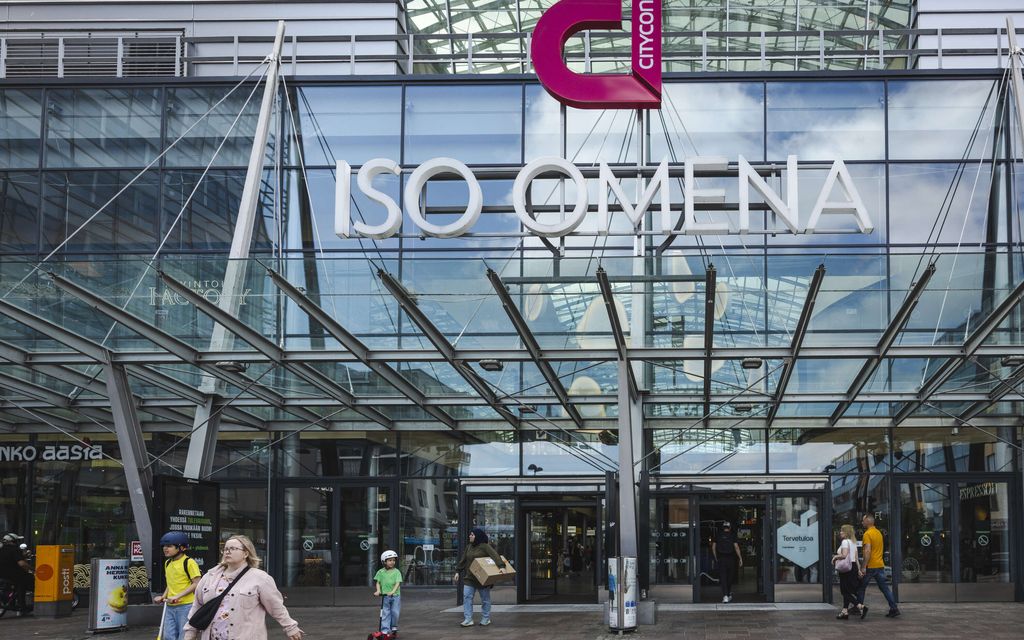
LV ja VS: Suosittujen kauppakeskusten pysäköinti muuttui – Moni suuttui
iltalehti · about 5 hours ago
Vollsperrung endet: Bahnstrecke Hamburg-Hannover am Abend wieder frei
die zeit · about 5 hours ago
Großveranstaltung: Viele Hamburger Straßen wegen des Triathlons gesperrt
die zeit · about 6 hours ago
Das müssen Fahrgäste wissen: Zugausfälle und Ersatzbusse zwischen Stuttgart und Tübingen
die zeit · about 7 hours ago
Elromlott a légtechnika, átmenetileg leállt a szülészet az Uzsoki utcai kórházban Amíg nem oldódik meg a probléma, a szülészeti ellátást az ÉPC-Honvédkórház szülészetén folytatják.
444.hu · about 7 hours ago
Autodrom Most musí snížit hluk v areálu. ‚Plánujeme protihlukové valy a bariéry, říká nový majitel Nový majitel Autodromu Most chce s plánovanou modernizací areálu hledat možnosti snižování hlukové zátěže. Uvedla to mluvčí areálu Jana Svobodová v reakci na rozhodnutí Ústavního soudu, který zamítl stížnost autodromu ve sporu kvůli hluku.
irozhlas.cz · about 7 hours ago

De nouvelles perturbations sur le réseau Stib jeudi soir, sur ordre de la police : voici la raison probable Le réseau Stib est perturbé ce jeudi soir. ...
la libre · about 7 hours ago
Bahnreisende brauchen Geduld: Bahn beginnt nächstes Großprojekt in Nordrhein-Westfalen
die zeit · about 7 hours ago
Bahn-Regionalverkehr: Bauarbeiten schränken Rhein-Main-Bahnverkehr ein
die zeit · about 8 hours ago
Μποτιλιάρισμα σε κεντρικούς δρόμους της Αθήνας, καθυστερήσεις σε Ποσειδώνος, Κηφισό, Κηφισίας, Αττική Οδό Δείτε live την κίνηση στους δρόμους ΕΔΩ
protothema · about 8 hours ago
Mehr Züge und mehr Sitzplätze zur Ostsee: Länder erhöhen Kapazität, Stadtler baut neue Züge Wenn alles klappt, werden die Bahnverbindungen von Berlin zur Ostsee ab Dezember leistungsfähiger. Doch die Fertigstellung neuer Züge verzögert sich.
tagesspiegel · about 8 hours ago