Loading…
 Saturday, September 26Saturday, September 26
4 months · 6 summary articles
Greater Manchester Mayor Andy Burnham is poised to make public ownership of water and energy a central pillar of his potential premiership, according to sources close to the Labour leadership hopeful. A decade-long campaign to bring essential utilities under state control would define his agenda should he succeed Keir Starmer, allies told *The Guardian* on Saturday, 13 June 2026, in a move critics warn could saddle taxpayers with billions in costs.
Multiple close associates of Burnham confirmed that the mayor is seriously considering nationalising broad swathes of the UK’s water and energy sectors to improve service performance and reduce consumer bills. The proposal, described as a “lifeline for households,” would mark a radical departure from decades of privatisation, with Burnham’s team arguing that public ownership could curb profiteering and inefficiency in industries plagued by underinvestment and rising costs.
Critics, however, have already raised alarm over the financial implications. Shadow Chancellor Rachel Reeves is said to have privately cautioned that such a move could require public borrowing on a scale comparable to the post-2008 bank bailouts, potentially adding tens of billions to the national debt. A Treasury source, speaking on condition of anonymity, told the *Financial Times* that Burnham’s plans risk “undermining investor confidence” at a time when the UK is seeking to attract private capital for green energy projects.
Burnham’s allies counter that the status quo is unsustainable. “The current system is broken,” said one senior Labour figure. “Water companies are haemorrhaging billions in dividends while leaking pipes waste a fifth of supply. Energy firms are hiking prices while paying out billions to shareholders. The public is paying the price.” The mayor’s team points to successful municipal models in Manchester and other cities, where publicly owned energy companies have delivered lower tariffs and reinvested profits locally.
The proposal aligns with Burnham’s broader economic agenda, outlined in a *Financial Times* analysis on Saturday, which suggests he would prioritise tax reforms to support low-income households, increase housing investment, and clamp down on corporate tax avoidance. His allies insist the utilities plan is not ideological but pragmatic, framed as a response to “market failure” in critical sectors.
With Labour’s leadership contest intensifying, Burnham’s stance risks deepening divisions within the party. Former shadow business secretary Ed Miliband, a rival candidate, has previously advocated for a more gradual approach to public ownership, warning of the dangers of overreach. Polling data from June 2026 indicates that while 58% of Labour voters support renationalisation in principle, only 34% believe it should be a top priority for the next government.
For now, Burnham’s team is tight-lipped about the specifics, but insiders say a formal policy paper is expected within weeks. One ally noted: “This isn’t about ideology—it’s about survival. People can’t afford another winter like 2022.” The coming months will determine whether Burnham’s vision reshapes Britain’s economic landscape—or becomes a cautionary tale of overambition.
Follow us for live European news
2 further sources not geolocated
Public control of water and energy at heart of Burnham agenda, sources say Exclusive: Greater Manchester mayor serious about taking over essentials of life if he becomes PM, a move critics say could cost taxpayer billions A decade-long project to bring water and energy into public control will lie at the heart of Andy Burnhams agenda should he become prime minister, according to sources close to the Greater Manchester mayor.Several close allies of Burnham have said he wants to take over broad swathes of UK utilities in an effort to improve performance and potentially reduce bills for consumers. Continue reading...
theguardian · 4 months ago
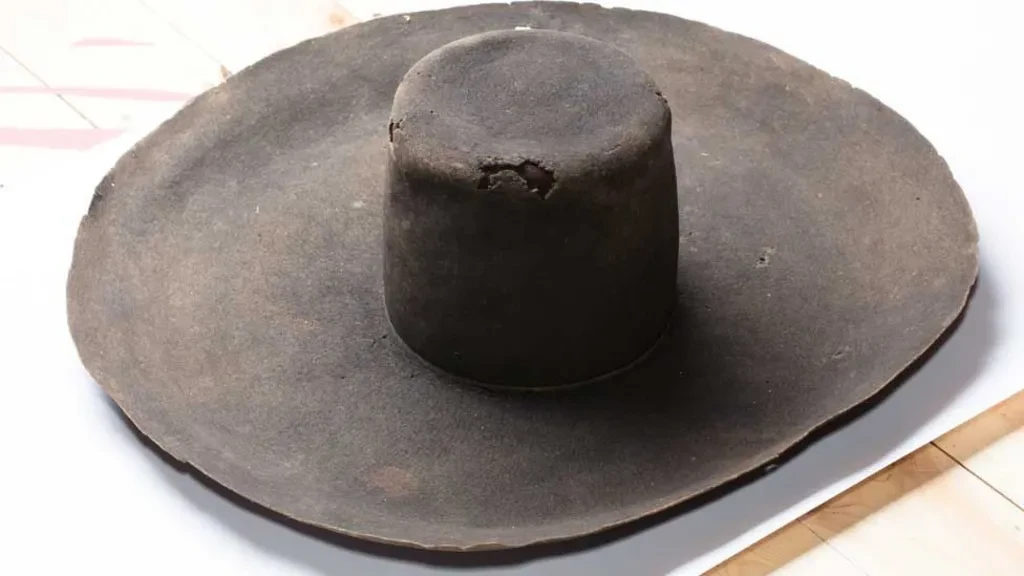
Broad-brimmed hat believed to have been owned by Oliver Cromwell, England, ~1650 AD
mastodon bot · 4 months ago

Po Adamu Bernauovi z Návštěvníků je v Brně pojmenovaný most. Stojí na místě seriálového domu Brno má od pátku most Adama Bernaua, tedy fiktivní postavy seriálu Návštěvníci z 80. let. Silniční most stojí právě na místě seriálového domu Adama Bernaua, který v příběhu zachvátil požár. Filmaři tehdy využili dům určený k demolici.
irozhlas.cz · 4 months ago
What Andy Burnham could mean for your money The Labour leadership hopeful has left clues as to his priorities on tax, investment and housing
financial times · 4 months ago