Loading…
 Sunday, August 30Sunday, August 30
A 35-year-old pretrial detainee escaped from Duisburg-Hamborn prison in western Germany early Sunday, scaling the building’s facade and fleeing across the roof, authorities said. The man, a Serbian national held since Feb. 10 on theft charges, was sentenced in late May to six years for two residential burglaries involving jewelry and over €200,000 in cash, though the verdict is not yet final, according to the North Rhine-Westphalia Justice Ministry .
Investigators believe the detainee sawed through a bar on his third-floor cell window over an extended period, then used his cell table as a lever to force open a secondary security grille before squeezing through the gap. He climbed the inner courtyard facade to the roof and descended the outer wall by unknown means, the ministry spokesman said. A concealed compartment under the cell’s linoleum floor, discovered after the escape, had gone undetected during inspections, though no tools were found inside .
The man remains at large as of Sunday afternoon, with police issuing a public appeal for information. He is described as 1.75 meters tall, slim, with a distinctive tattoo of a woman’s head on his right upper arm. Authorities noted he had previously used false identities. Justice Minister Benjamin Limbach called the escape “absolutely unacceptable” and vowed a full investigation into the security breach .
Meanwhile, in the U.K., Prime Minister Andy Burnham announced measures to ease prison overcrowding in England and Wales, where facilities are at 97% capacity with nearly 90,000 inmates. Burnham said foreign nationals would be deported early, and prisoners serving indefinite sentences for public protection (IPP) would be released, ending a policy critics call unjust. He also excluded murderers, manslaughter convicts, and those jailed for causing death by dangerous driving from early release programs, reversing a Conservative-era rule that allowed some offenders to leave after serving half their sentences .
The IPP sentence, abolished in 2012 but not retroactively, has left 856 people incarcerated beyond their minimum terms, with 1,415 others recalled after release, according to Ministry of Justice data. Campaigners welcomed Burnham’s pledge to end the regime. Marc Conway, a former IPP prisoner and leader of the Ungripp campaign group, called it “a day that thousands of families have spent years fighting for” .
Burnham’s adjustments follow public backlash over the potential early release of two men convicted of manslaughter in the killing of a police officer. The Labour government had previously exempted sex offenders from early release and now extends that to violent crimes .
Follow us for live European news
3 further sources not geolocated
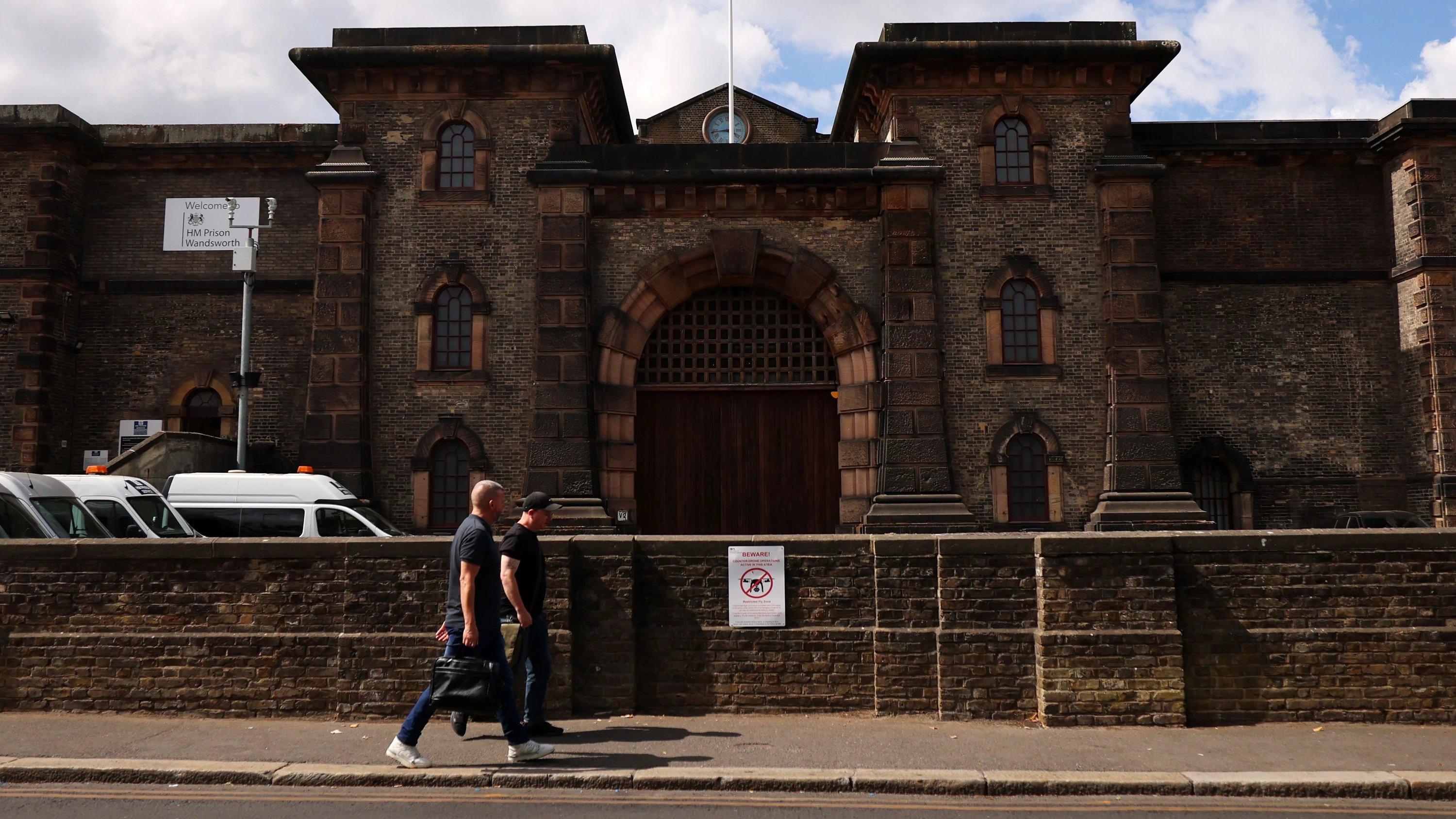
Überfüllte Haftanstalten: Burnham will Straftäter abschieben, um Platz in den Gefängnissen zu schaffen Englands Gefängnisse sind voll, Straftäter kommen frühzeitig frei. Premierminister Andy Burnham will Kapitalverbrecher von dieser Regelung ausnehmen. Platz muss anders geschaffen werden.
faz · about 1 hour ago

Ben Crump built a career demanding justice. Nolan Wells death has put his mission — and methods — back under a microscope
news.yahoo.com · about 1 hour ago

Klopjacht op ontsnapte gevangene uit cel op derde verdieping in Duisburg Een gevangene is in de nacht van zaterdag op zondag ontsnapt uit zijn cel in Duisburg, melden Duitse media op gezag van het ministerie van Justitie van de deelstaat Noordrijn-Westfalen. Een klopjacht is in volle gang.
nu.nl · about 2 hours ago

Thats what saved me: Darren Raymond and Mark Rylance on the prison drama workshop that brought them together
bluesky_The Guardian · about 2 hours ago
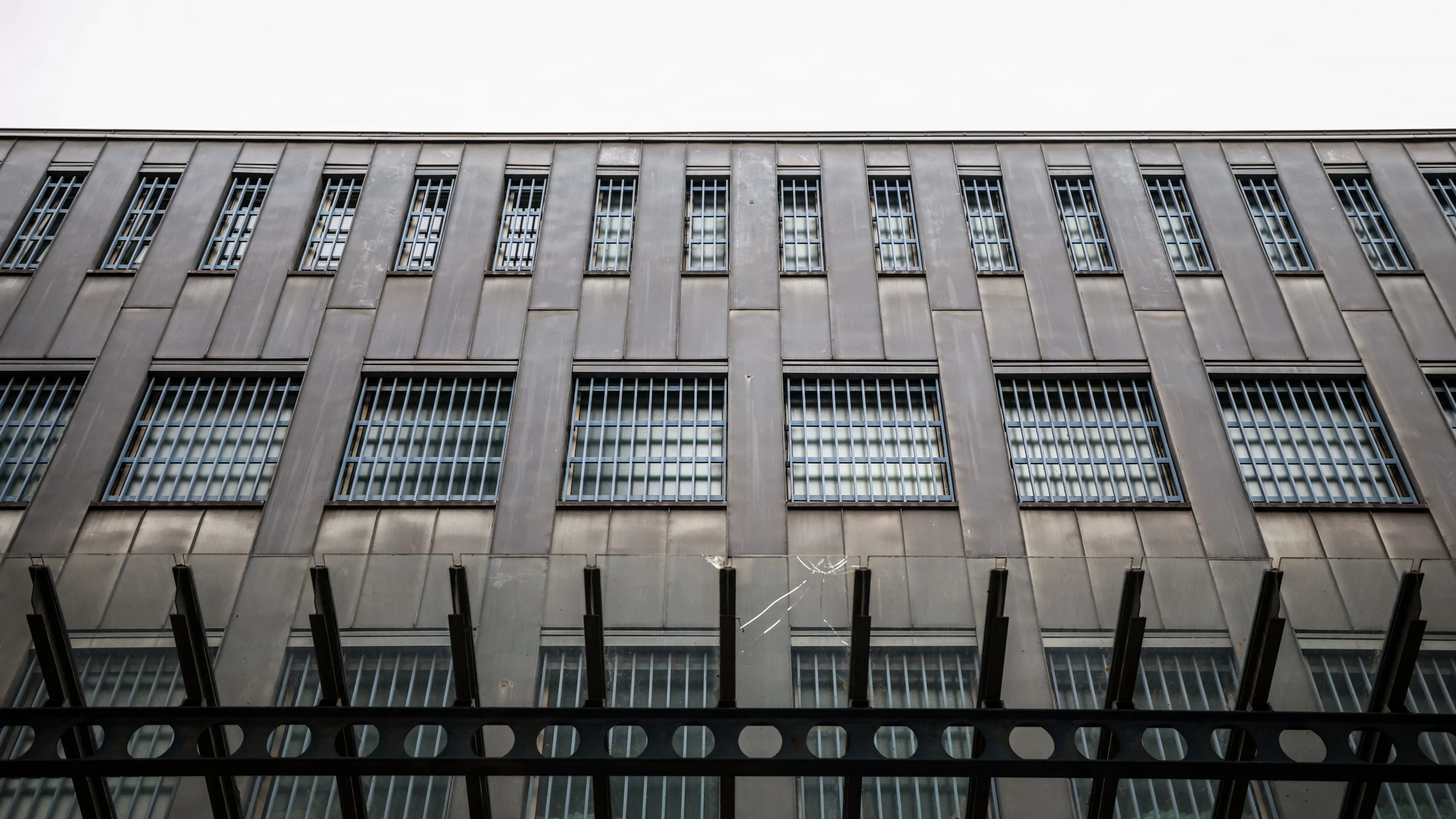
Duisburg: Verurteilter Dieb flieht übers Dach aus Gefängnis Mitten in der Nacht klettert ein Häftling über die Fassade der JVA Duisburg-Hamborn auf das Dach – und verschwindet spurlos. Wo ist der Gitterstab geblieben und wie gelang ihm das waghalsige Manöver?
faz · about 2 hours ago

Andy Burnham pledge to end indefinite jail terms a step towards healing
bluesky_The Guardian · about 2 hours ago

Architect van 9/11 blijft zelfs onder dreiging van de doodstraf onaangedaan
de morgen · about 2 hours ago
Explainer | Zo ontsnapte deze meesterontsnapper al vier keer uit de cel
nu.nl · about 2 hours ago

South Carolina mail-in voting law illegally discriminates, appeals court rules
news.yahoo.com · about 2 hours ago

How has early prison release scheme been tightened after backlash?
bluesky_The Guardian · about 2 hours ago
Evadare spectaculoasă într-o închisoare din Germania. Autoritățile încă nu știu exact cum a fugit deținutul Un deţinut în vârstă de 35 de ani a evadat duminică dimineaţa din închisoarea Duisburg-Hamborn, în jurul orei 3.20 (01.20 GMT), escaladând după cât se pare zidul exterior al clădirii şi fugind apoi pe acoperiş, a anunţat ministerul de justiţie al landului german Renania de Nord-Westfalia, informează DPA, preluată de Agerpres. El era căutat în …
hotnews.ro · about 2 hours ago

Andy Burnham announces that anyone convicted of manslaughter will be excluded, meaning hundreds of people will stay in jail
bluesky_The Times · about 2 hours ago
Kristersson: Farliga män ska tvångsomhändertas Statsminister Ulf Kristersson (M) lovar hårdare tag mot män som begår brott mot kvinnor.Ett av förslagen är att kunna tvångsomhänderta män när risken för våld är tydlig.
svenska dagbladet · about 2 hours ago

Leben hinter Gittern: „Als ich eingeliefert wurde, hatte ich das Gefühl, in eine andere Dimension zu fallen Aus enttäuschter Liebe zündet eine Frau Autos an und wird inhaftiert. Fast drei Jahre lang tauscht unsere Autorin Briefe mit ihr aus, nach der Entlassung treffen sie sich. Dabei erzählt die Straftäterin von Knast, Verantwortung und dem Neubeginn in Freiheit.
faz · about 2 hours ago
Volle Haftanstalten – St. Gallen macht bereits geschlossene Gefängnisse wieder auf Der Kanton St. Gallen hat damit 26 Haftplätze mehr. Aber das System läuft am Limit – auch in anderen Kantonen.
srf.ch · about 2 hours ago
Filmreifer Ausbruch in Duisburg: Häftling durchsägt Gitter und entkommt über das Dach Ein Insasse klettert mitten in der Nacht aus seinem Zellenfenster heraus und an der Fassade der JVA im Stadtteil Hamborn hoch. Er verschwindet spurlos. Wie gelang ihm die spektakuläre Flucht?
tagesspiegel · about 2 hours ago

German police hunt for prisoner after daring rooftop escape
news.yahoo.com · about 2 hours ago
Burnham tightens prisoner release scheme and insists he is tough on crime Prime minister had faced criticism over moves to avert overcrowding in prisons in England and Wales
financial times · about 2 hours ago

Mayors are the big winners in Burnhams devolution drive. So what happens to areas without mayors? | John Harris
bluesky_The Guardian · about 2 hours ago
Gefängnis-Ausbruch: Gitter durchgesägt und weg: Filmreifer Ausbruch in Duisburg
die zeit · about 2 hours ago

FBI no longer banning all applicants who have had sexual encounters with sex workers
bluesky_The Guardian · about 2 hours ago

Ghislaine Maxwell has virtually run out of legal routes to overturn conviction, experts say
bluesky_The Guardian · about 2 hours ago
Gefängnisausbruch in Duisburg: Untersuchungsgefangener sägt Gitter in JVA durch und bricht aus Über längere Zeit soll ein Untersuchungsgefangener in der JVA Duisburg-Hamborn einen Gitterstab durchgesägt haben. Über das Dach ist er entkommen. Die Fahndung läuft.
die zeit · about 3 hours ago

Andy Burnhams visit brought no Stormont breakthrough. Will the Executive survive? After recent talk of another future collapse at Stormont, the two leading parties failed to achieve on the one objective they currently agree on – getting more money from Westminster.
thejournal · about 3 hours ago