Loading…
 Saturday, October 3Saturday, October 3
Austria’s education minister, Christoph Wiederkehr, has agreed with regional and local authorities on reforms to expand school clusters, aiming to preserve small rural schools amid declining student numbers. The changes, part of a reform partnership, will remove teachers’ veto power over cluster formation, replacing it with a right to be heard, according to a political agreement cited by state broadcaster ORF .
The ministry targets 100 clusters by 2030, up from 72 in the 2025-26 school year, with a handful more planned for the current term. Clusters allow up to eight schools to share administrative and teaching resources, addressing teacher shortages in remote areas. Previously, one in three proposed clusters was abandoned due to anticipated teacher opposition, though only one formally failed because of a veto, ORF reported .
In Germany, researchers highlight time constraints as a key challenge for teachers. Frank Mußmann, a Göttingen-based working time researcher, found that administrative tasks now consume about 35% of teachers’ work time, up from 14% in the 1950s-60s, leaving less time for lesson preparation. A pilot project in Bremen, launched in August 2026, is testing digital time-tracking to assess workload distribution, with Mußmann providing scientific oversight .
Spain’s early education sector faces its own shortages, with a strike in Madrid entering its indefinite phase over low wages and high student-to-teacher ratios. Meanwhile, Helsinki has attracted over 1,000 Spanish applicants for 60 teaching positions, offering salaries of €3,298 gross monthly plus benefits, according to El Mundo .
Follow us for live European news
3 further sources not geolocated

Bildungspolitik: Bayern führt wegen Pisa-Studie zusätzlichen Grundschulunterricht ein Mathe, Deutsch, Sport und Musik: Grundschüler in Bayern müssen bald länger pauken. Sechs Zusatzstunden sollen helfen, den Pisa-Schock zu überwinden.
die zeit · about 3 hours ago

Baucal (Studentska lista): Besplatni udžbenici bi koštali koliko pet odsto nacionalnog stadiona Poslanički kandidat na "Studentskoj listi – Studenti pobeđuju" Aleksandar Baucal izjavio je da su ključne tačke Studentskog programa obrazovanje kao j
n1 serbia · about 3 hours ago
:format(jpg)/f.elconfidencial.com%2Foriginal%2F511%2F2cc%2F795%2F5112cc7955134e58efbe53feefe8df24.jpg)
Xàtiva o lo que una pequeña ciudad en primera línea de la historia puede enseñarnos Uno de los núcleos valencianos con mayor patrimonio y sustrato cultural busca fortalecerse a partir de su pasado
el confidencial · about 3 hours ago
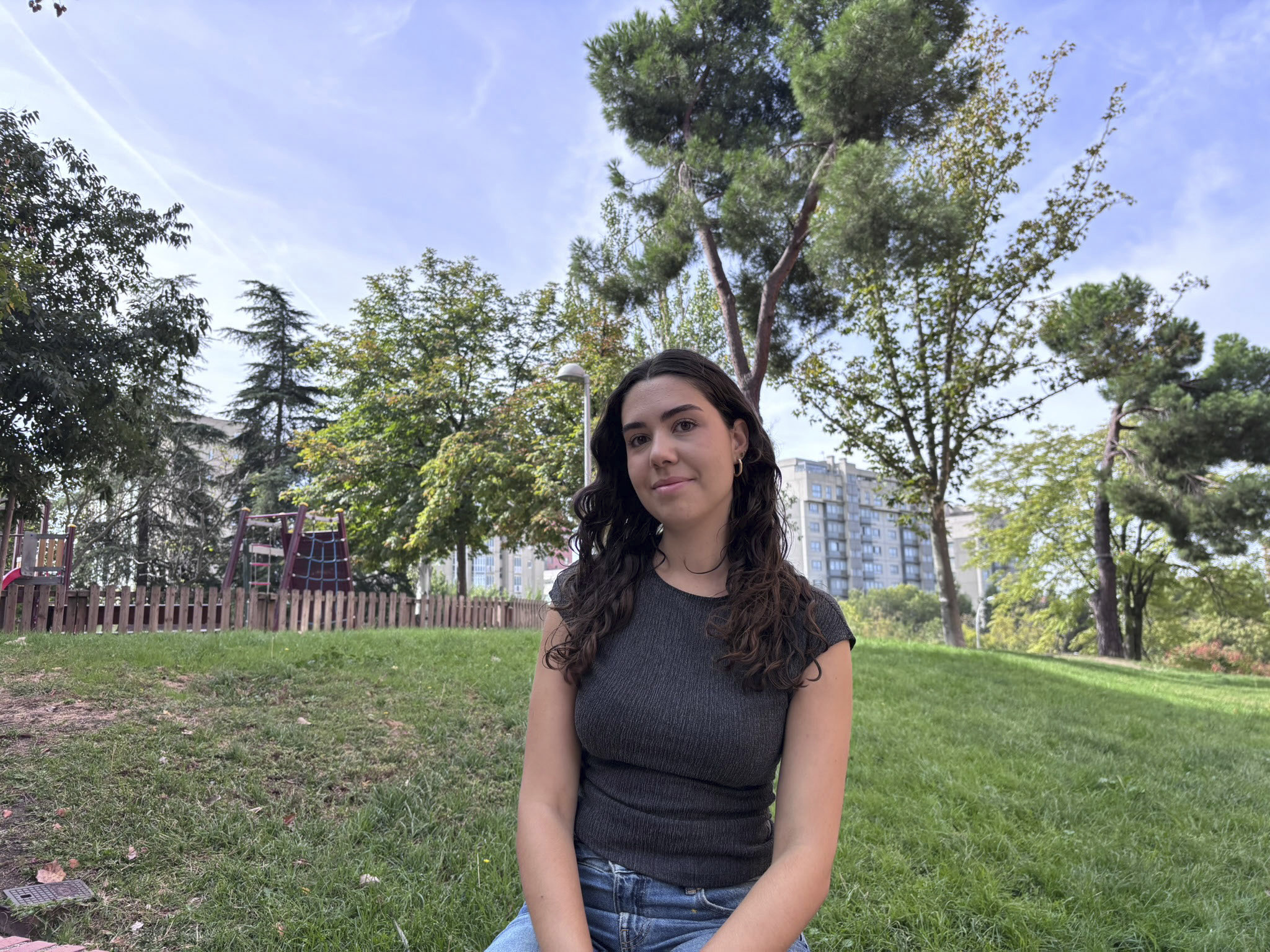
La fuga de maestras españolas a Finlandia por 3.298 euros y plaza fija: se necesitan 9.000 nuevos puestos en Infantil en cuatro años "Si esto no mejora, nos terminaremos yendo todas las buenas", dicen las docentes reclutadas por el Ayuntamiento de Helsinki Leer
elmundo · about 3 hours ago
Abschaffung von Lehrer-Veto soll mehr neue Schulcluster bringen Die Gewerkschaft findet die geplante Umstellung auf Anhörungsrecht "absolut inakzeptabel". Das Gros der Cluster liegt derzeit in der Steiermark und in Oberösterreich
der standard · about 3 hours ago

Encuesta: ¿Apruebas que las escuelas vuelvan al papel y lápiz y las lecturas obligatorias? Catalunya quiere recuperar prácticas de lectura, expresión oral y escrita que ha perdido peso en el colegio
la vanguardia · about 3 hours ago
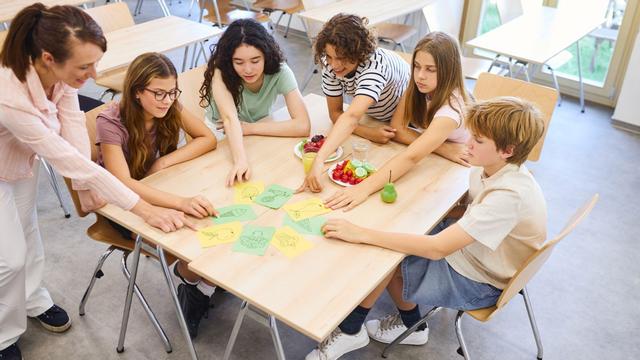
Nach PISA: Was Lehrerinnen und Lehrer im Schulalltag bräuchten
mastodon_BR24 · about 3 hours ago
Erhalt von Kleinschulen: Wiederkehr setzt auf Cluster
orf.at · about 3 hours ago

O que é que estes miúdos andam a fazer? Há centenas de crianças em Lisboa privadas da escola, a nossa primeira obrigação enquanto adultos é perceber o que se pode fazer para que regressem.
observador · about 3 hours ago
INTERVJU Aleksandar Baucal, profesor Filozofskog fakulteta u Beogradu: Šta predviđa studentski plan za obrazovanje i ko su prihvatljivi koalicioni partneri? - Ključne tačke Studentskog programa za obrazovanje su besplatni udžbenici, obrazovanje kao javno dobro, a ne kao komercijalni interes, depolitizacija i unapređenje relevantnosti i kvaliteta obrazovanja. U osnovi tog programa je uverenje da je obrazovanje stub društva, jer bez dobrog obrazovanja nema dobrog društva, dobrog zdravstva, dobre privrede, nema ni dobrog sistema vrednosti. I možda najvažnije, bez dobrog obrazovanja nema ni dobrih i čestitih ljudi - kaže za Danas Aleksandar Baucal, profesor Filozofskog fakulteta u Beogradu, kandidat na "Studentskoj listi - Studenti pobeđuju".
danas · about 4 hours ago