Loading…
 Tuesday, July 21Tuesday, July 21
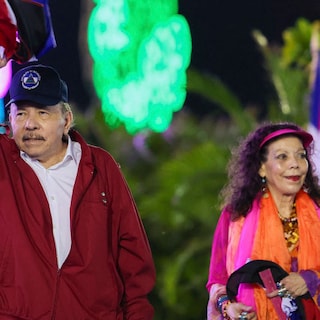
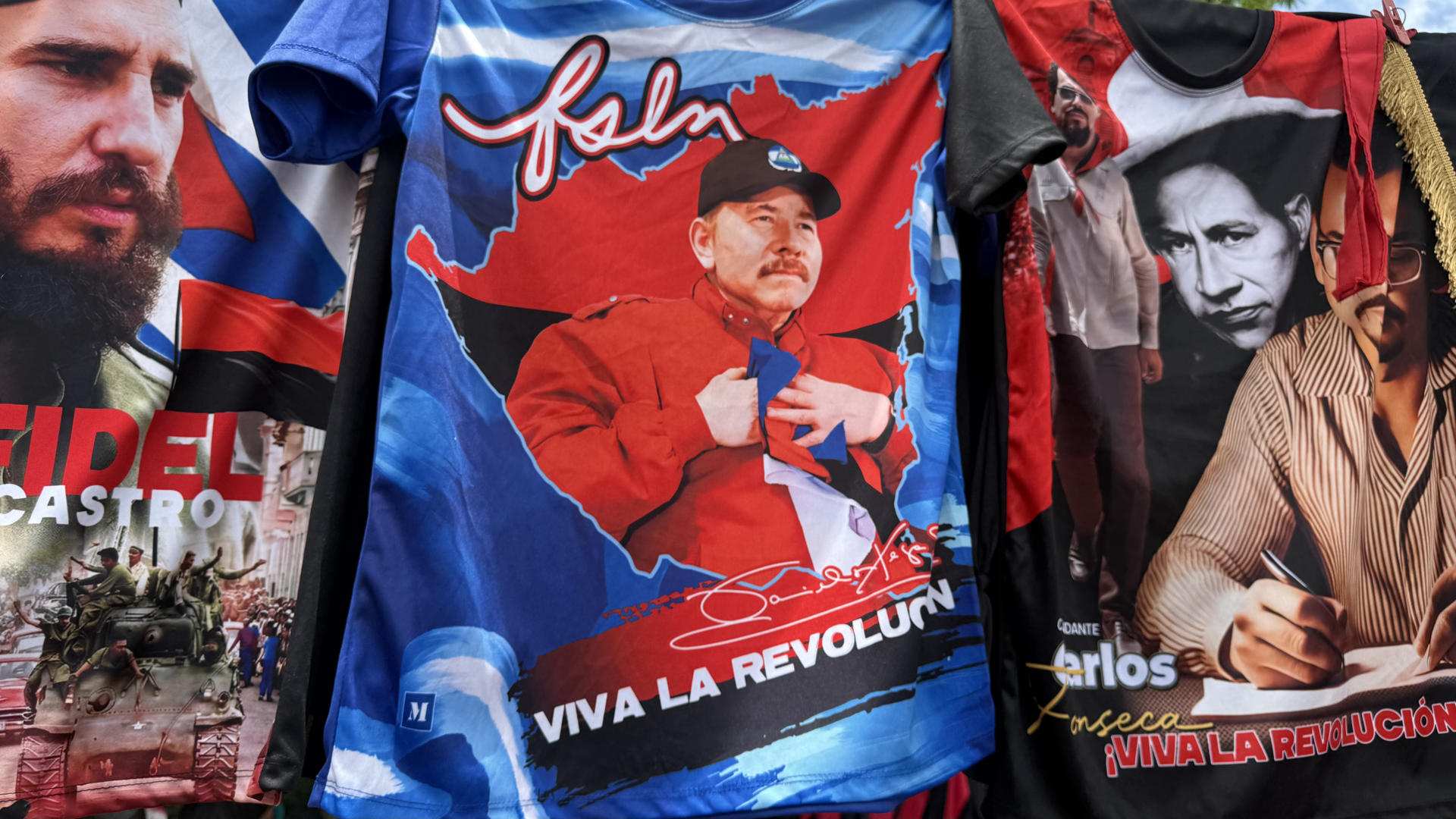
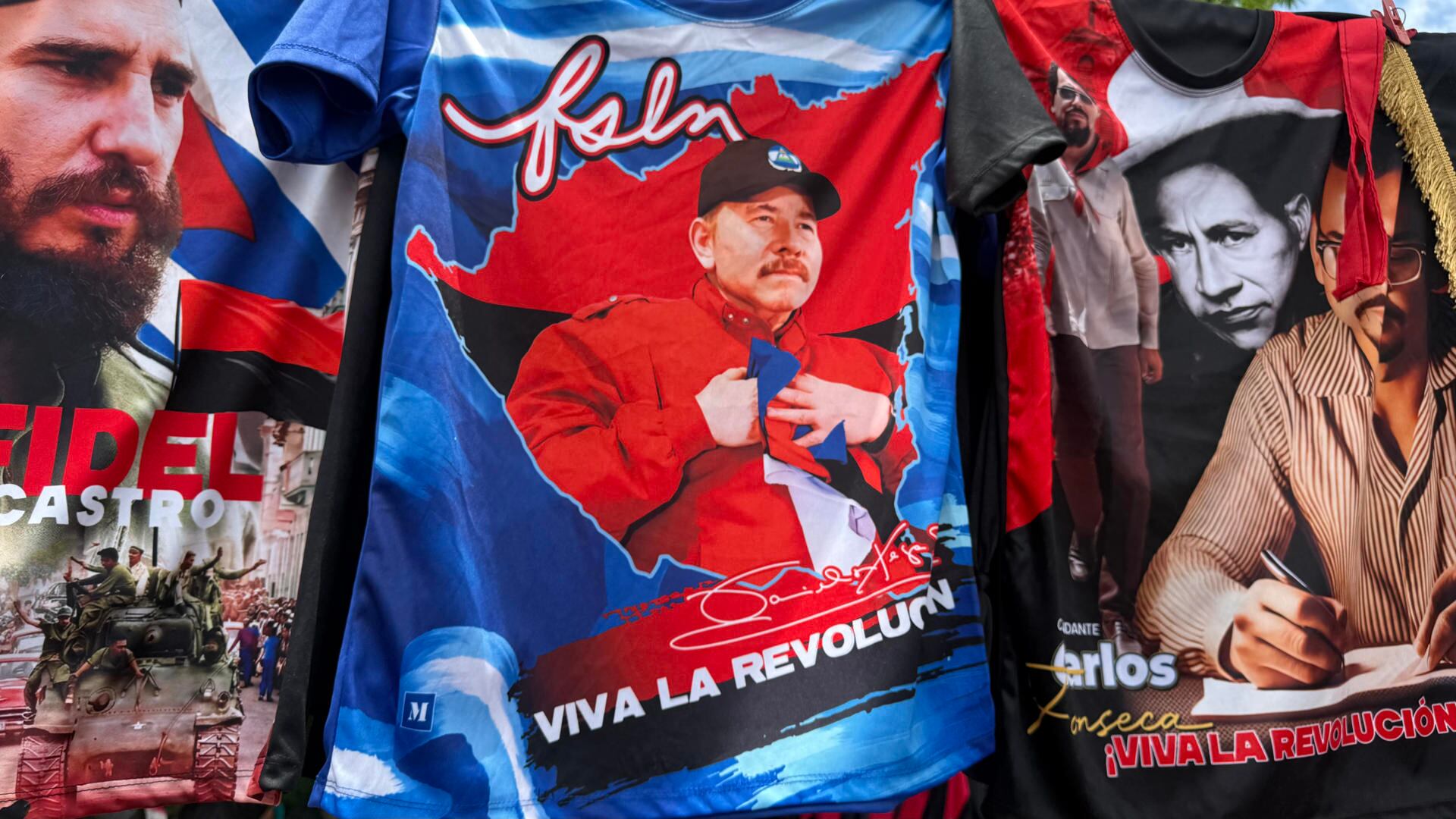
Daniel Ortega, President of Nicaragua, declared on Sunday that the country will no longer hold elections, eliminating the possibility of an electoral challenge to his rule. Speaking at an event commemorating the 47th anniversary of the Sandinista revolution in Managua, Ortega stated, "There won't be any more elections here for them to try to seize the government and seize power."
Ortega, who has been in power since 2007 and previously served as president from 1985 to 1990, has faced widespread criticism for his government's repressive tactics. The UN's Human Rights Council has accused his regime of arbitrary detentions, torture, and extrajudicial executions. The U.S. does not recognize Ortega's presidency, and the Organization of American States (OEA) and the European Parliament have also expressed concerns.
The announcement comes after a series of constitutional changes that have consolidated power in the hands of Ortega and his wife, Rosario Murillo, who was named co-president in February 2025. These changes include extending the presidential term from five to six years and eliminating checks and balances.
Opposition figures and rights groups have described the move as a significant escalation. Juan Sebastián Chamorro, a 2021 presidential candidate who was imprisoned and later released to the U.S., said that Ortega's plan is to consolidate power similar to one-party rule countries like China and Cuba.
Ortega's government has been accused of crushing dissent, particularly after the 2018 protests that led to a bloody crackdown resulting in hundreds of deaths. Since then, the government has stripped hundreds of Nicaraguans of their citizenship and forced others to flee the country in fear of imprisonment.
The last election in 2021 was widely disputed after Ortega's government jailed all opposition candidates who could have challenged him. The U.S. and other international observers have not recognized the results of that election.
Ortega's announcement on Sunday effectively cancels the next elections, which were originally scheduled for November 2027 after the government-controlled Congress voted to extend the presidential term by one year.
In his speech, Ortega also accused opposition parties of being backed by the United States and the former Somoza regime. "The days when parties backed by the Yankees and the Somocistas would return to power are over – never again," he said.
Tiziano Breda, a senior Latin America analyst at the NGO Armed Conflict Location and Event Data, said that Ortega and Murillo are afraid of any political opening that could threaten their grip on power. "Therefore, instead of staging a rigged election, they have opted to eliminate electoral competition altogether," Breda added.
The constitutional reforms passed last year included extending the presidential term from five to six years and promoting Murillo to the position of co-president. These changes have been widely criticized by the international community, including the UN, the OEA, and the European Parliament.
Ortega's government has also been accused of stripping hundreds of Nicaraguans of their citizenship and forcing others to flee the country in fear of imprisonment. The government's actions have been described as a campaign to eliminate any opposition to its rule.
In his speech on Sunday, Ortega also announced that he would work with the National Assembly to pass new laws that would "build a wall" against opposition parties. "We will work with the National Assembly and the relevant institutions on laws, because we need laws that build a wall, a barrier, against the coup plotters and the traitors who sell out their country," he said.
Follow us for live European news
5 further sources not geolocated

O Mητσοτάκης έδωσε σήμα για εκλογές το 2027 και οι βουλευτές ψάχνουν ημερομηνία, αιχμές «με το γάντι» για την Κοβέσι Οριστικό τέλος στα σενάρια περί πρόωρων εκλογών επιχείρησε να βάλει ο Κυριάκος Μητσοτάκης μιλώντας στην Κοινοβουλευτική Ομάδα της ΝΔ, ξεκαθαρίζοντας ότι η κυβέρνηση θα εξαντλήσει την τετραετία και οι κάλπες θα στηθούν την άνοιξη του 2027
protothema · about 9 hours ago

Nicaraguas president says country will not hold any more elections
bluesky_The Guardian · about 9 hours ago
Nicuşor Dan a promulgat legea prin care 2026 este declarat Anul SUA în România, proiect inițiat de AUR Preşedintele Nicuşor Dan a promulgat legea privind instituirea anului 2026 ca Anul Statelor Unite ale Americii în România, iniţiată de mai mulţi parlamentari de la AUR.
digi24 · about 10 hours ago

Ortega pone fin a la alternancia en Nicaragua : Aquí no volverá a haber elecciones
gdelt bot · about 10 hours ago
Ortega insists no more elections for Nicaragua The Central American states longtime leader intends to block the opposition from challenging his rule.
aljazeera · about 11 hours ago

Nicaraguas Ortega says never again for elections after two decades in power
news.yahoo.com · about 11 hours ago

Nicaraguas President Ortega moves to extend his 20-year rule and says no elections anytime soon
news.yahoo.com · about 11 hours ago
We stoppen met verkiezingen, kondigt Nicaraguaanse dictator Ortega aan
de volkskrant · about 12 hours ago
Daniele Compatangelo è morto, addio al giornalista di La7 che fece la telefonata scoop a Trump Era il corrispondente da Washington, si è spento a causa di un malore
corriere · about 12 hours ago
Ortega vollzieht Wandel zu erklärter Diktatur Mit der Ankündigung, dass es in Nicaragua künftig keine Wahlen mehr geben werde, hat Langzeitmachthaber Daniel Ortega einen weiteren Schritt von einem autoritär regierten Staat zu einer offen erklärten Diktatur vollzogen. Zwar ist sein Regime bereits seit Jahren wegen starker Repression, manipulierter Wahlen und der Ausschaltung politischer Gegner in der Kritik. Ortegas Ankündigung markiert nun aber einen Bruch damit, zumindest noch formal den Anschein demokratischen Wettbewerbs zu wahren.
orf.at · about 12 hours ago
Ortega sentencia el fin de la alternancia en Nicaragua : Aquí no volverá a haber elecciones
gdelt bot · about 12 hours ago

Daniel Ortega se atornilla en el poder junto con su mujer ; notifica que Nicaragua no volverá a celebrar elecciones – Radio Santa Fe 1070 a . m . Noticias de Colombia
gdelt bot · about 12 hours ago
Muere la democracia en Nicaragua : Daniel Ortega anuncia que nunca más habrá elecciones
gdelt bot · about 12 hours ago

🟠 UPDATEOrtega insists no more elections for NicaraguaOrtega stated he will work with the congress he controls to pass new laws that would build a wall against the opposition.📰 #GeoWire
mastodon bot · about 12 hours ago
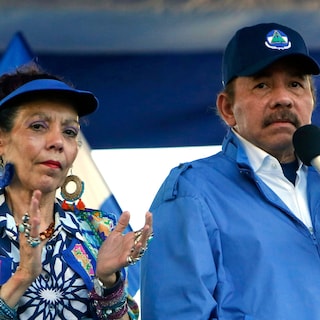
Autoritaire president Ortega (80) wil heerschappij verlengen en schrijft geen verkiezingen meer uit
trouw · about 12 hours ago
Ortega says Nicaragua will no longer hold elections Nicaraguas long-serving president Daniel Ortega said the Central American country will no longer hold elections, eliminating the possibility of an electoral challenge when his term ends next year and further entrenching the rule he shares with his wife. Ortega, who has continuously held power since 2007 following an earlier presidential term in the 1980s, said […]
cyprus mail · about 12 hours ago

No more elections: Ortega is making the transition to a declared dictatorship #DE #Deutsch #Deutschsprechenden #Europe
mastodon bot · about 13 hours ago
Mittelamerika: Nicaraguas Präsident Ortega will Wahlen abschaffen Seit mehr als zwei Jahrzehnten regiert Ortega in dem Land. Nun kündigt er Gesetze an, um von den USA unterstützte „Putschisten zu stoppen. Ein Machtwechsel soll damit unmöglich werden.
sueddeutsche · about 13 hours ago

Nicaraguas long-serving president, Daniel Ortega, said the Central American country will no longer hold elections, eliminating the possibility of an electoral challenge when his term ends next year and further entrenching the rule he shares with his wife reut.rs/4fMmqSk
bluesky_Reuters · about 13 hours ago
Morto Daniele Compatangelo, era il corrispondente da Washington di La7. Un mese fa la sua intervista a Trump con lattacco a Meloni Daniele Compatangelo è morto. Il giornalista de La7 corrispondente da Washington è scomparso improvvisamente a causa di un malore, aveva 50 anni. Secondo quanto apprende lAdnkronos il decesso sarebbe legato a problemi cardiaci. Un mese fa aveva intervistato telefonicamente il presidente degli Stati Uniti, Donald Trump, allindomani del G7 di Evian: dichiarazioni, andate in onda […] Larticolo Morto Daniele Compatangelo, era il corrispondente da Washington di La7. Un mese fa la sua intervista a Trump con lattacco a Meloni proviene da Il Fatto Quotidiano.
il fatto quotidiano · about 13 hours ago
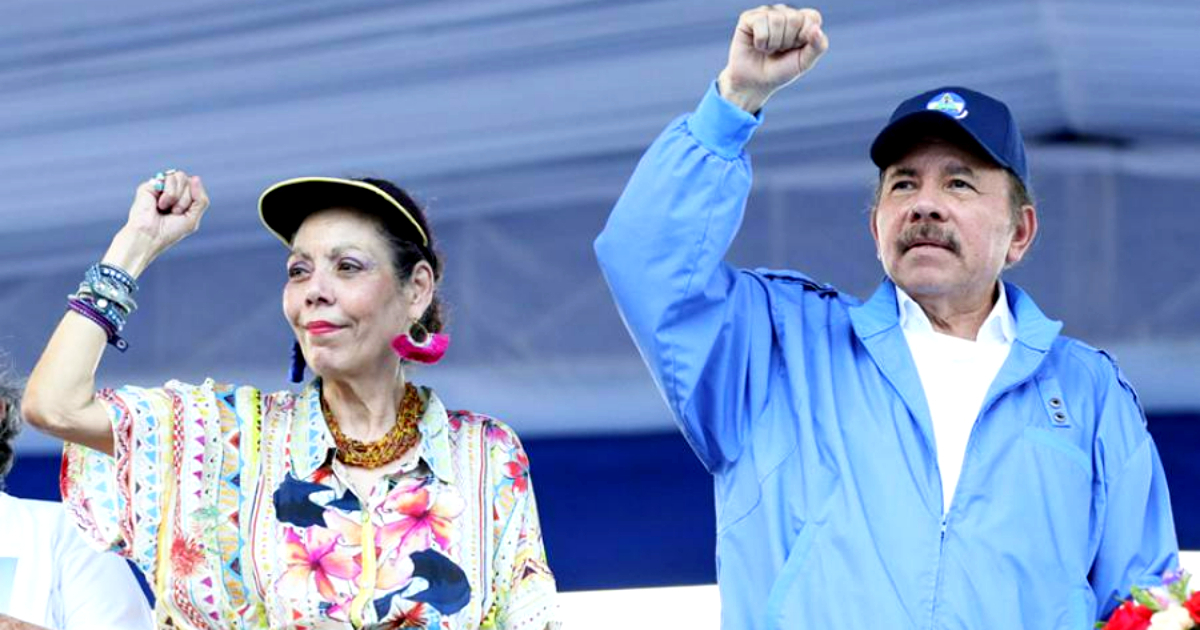
Daniel Ortega Declares an End to Elections in Nicaragua
gdelt bot · about 13 hours ago
Ortega descarta la alternancia democrática en Nicaragua : Aquí no volverá a haber elecciones
gdelt bot · about 13 hours ago
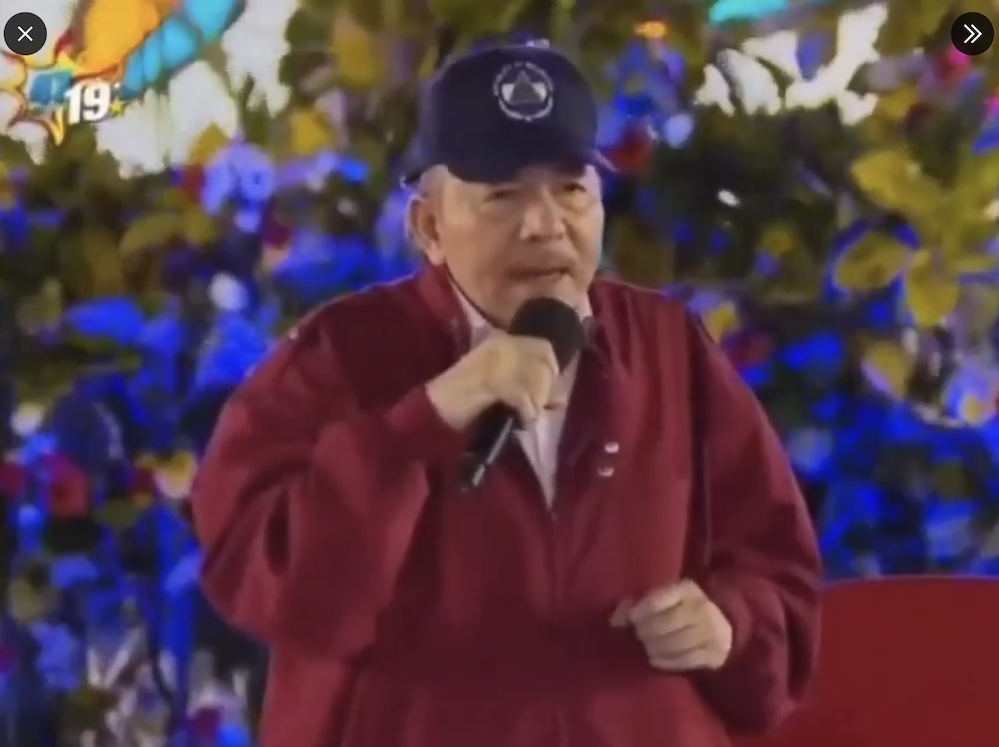
Ortega dice que « no volverán a haber elecciones » en Nicaragua
gdelt bot · about 13 hours ago
È morto Daniele Compatangelo, corrispondente La7 a Washington. Sua lintervista a Trump con attacchi a Meloni È morto Daniele Compatangelo, il giornalista de La7 corrispondente da Washington, alla ribalta delle cronache politiche per la recente intervista telefonica a Donald Trump che ha scatenato lo scontro con...
il sole 24 ore · about 13 hours ago
Nicaraguas Ortega moves to extend 20-year rule, says no elections anytime soon Nicaraguas President Daniel Ortega has announced that the country wont hold elections anytime soon, a statement that reflects his effort to extend his nearly 20-year rule
abcnews · about 13 hours ago
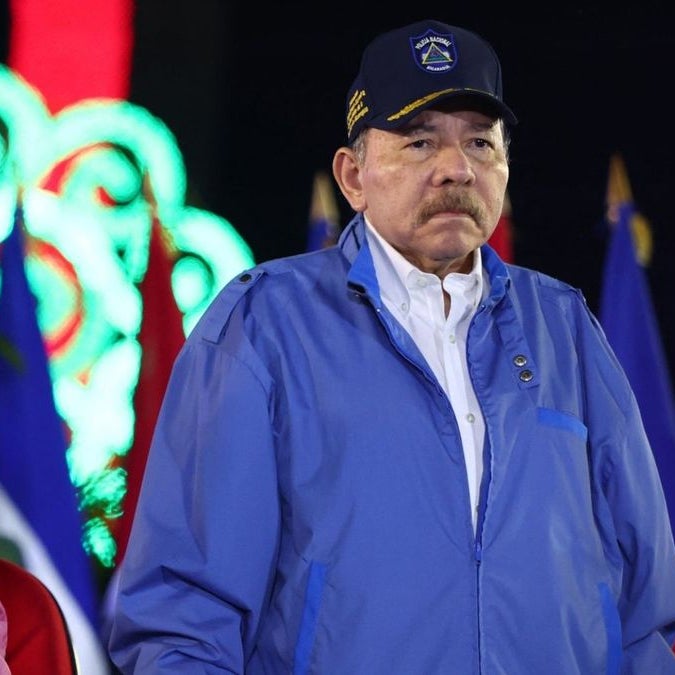
Ortega afirma que NO habrá más elecciones en Nicaragua
gdelt bot · about 13 hours ago
Nικαράγουα: Ποτέ ξανά εκλογές, διαμηνύει ο πρόεδρος Ντανιέλ Ορτέγα «Οι μέρες που κόμματα υποστηριζόμενα από τους Γιάνκηδες και τους Σομοσίστας θα μπορούσαν να επιστρέψουν στην εξουσία, τελείωσαν, ποτέ ξανά!», είπε - Οι τελευταίες εκλογές στη Νικαράγουα διεξήχθησαν το 2021 και αμφισβητήθηκαν ευρέως
protothema · about 13 hours ago