
NASA launches Roman Space Telescope on mission to explore dark energy and exoplanets
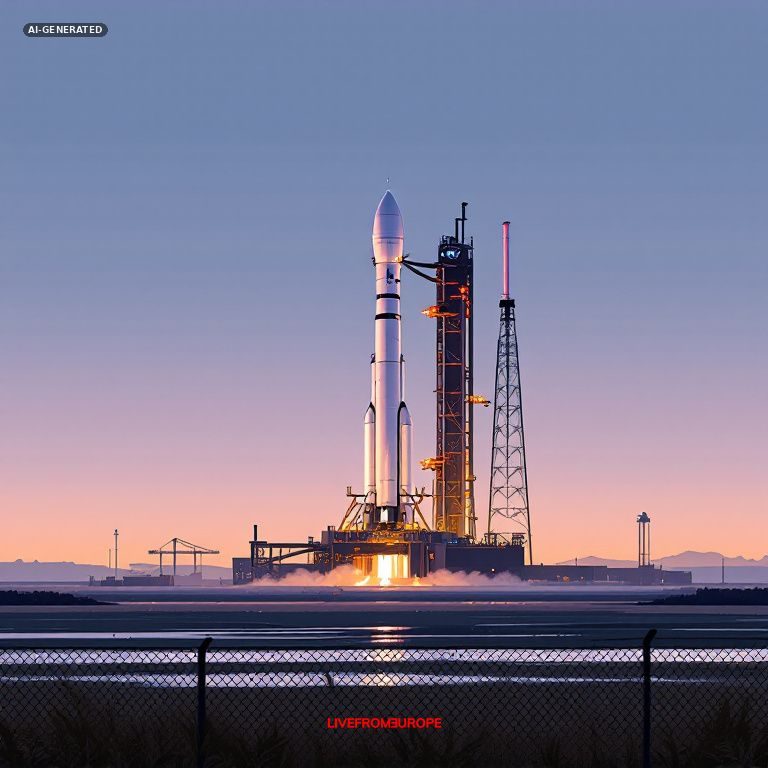
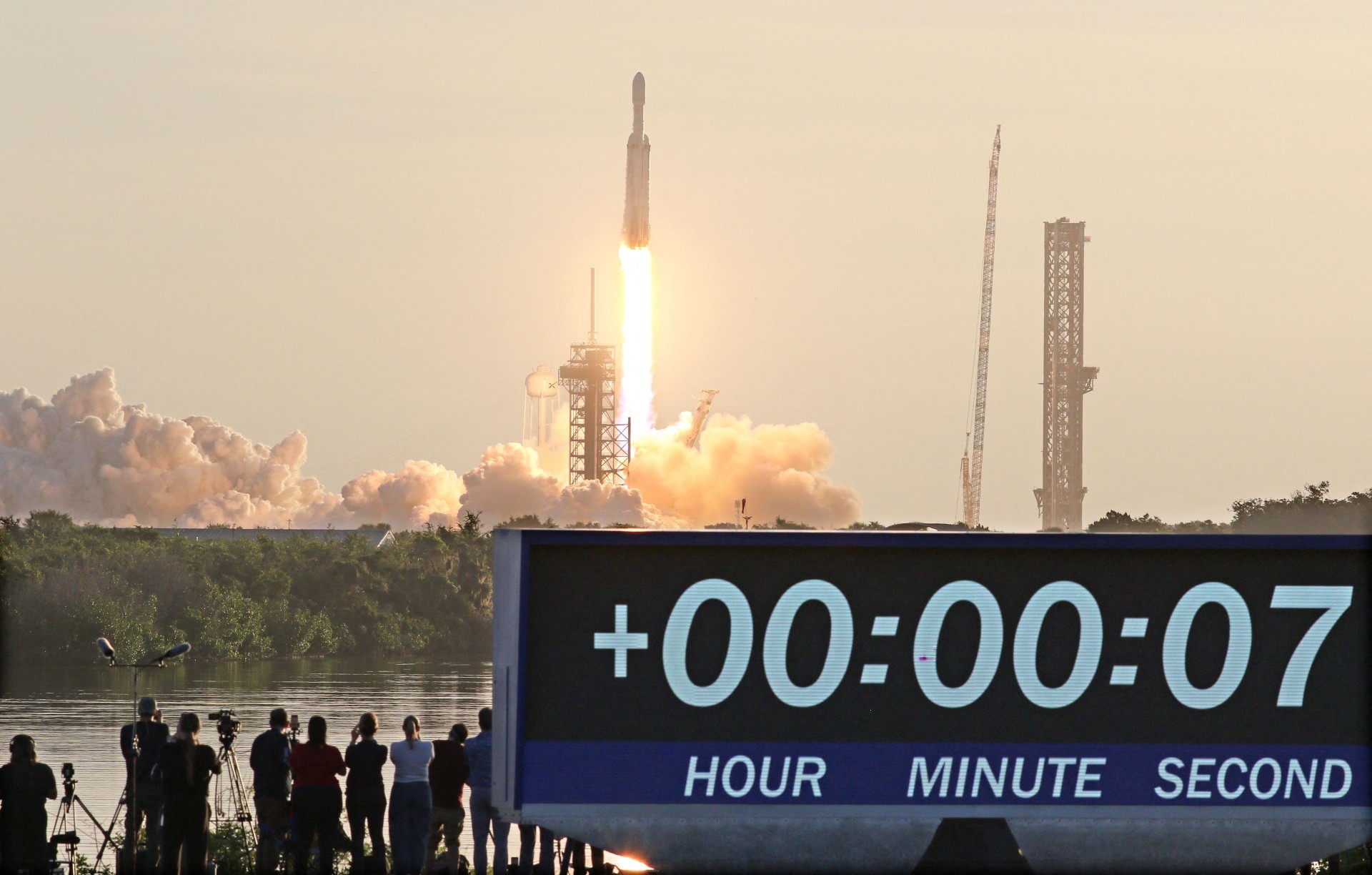
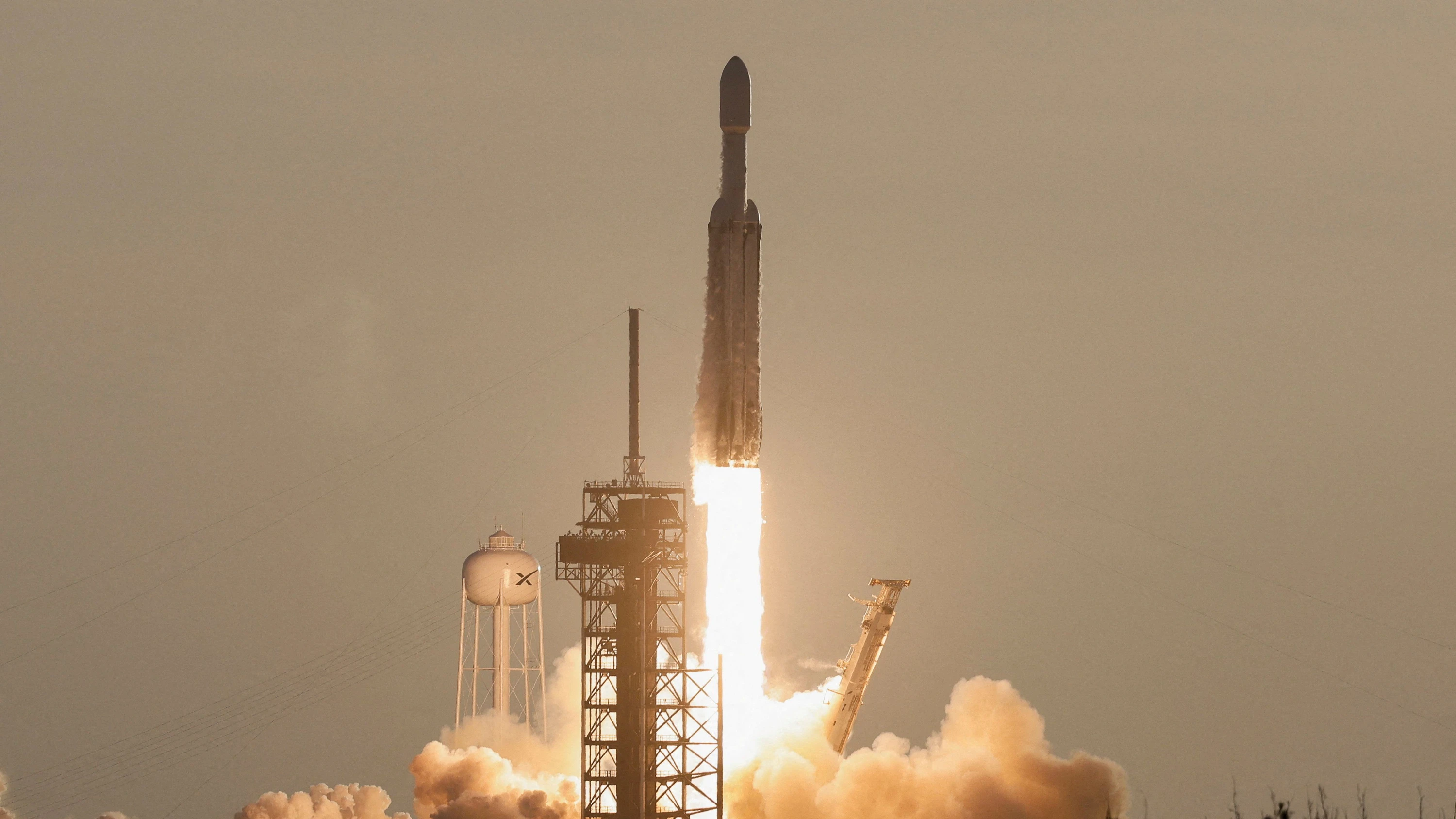
NASA launched the Nancy Grace Roman Space Telescope on Sunday from Kennedy Space Center in Florida, marking the start of a mission to explore dark energy, dark matter, and exoplanets. The telescope lifted off at 7:26 a.m. ET aboard a SpaceX Falcon Heavy rocket from Launch Complex 39A, reaching orbit about 10 minutes later.
The observatory, named after Nancy Grace Roman (1925–2018), the first chief of astronomy at NASA and a key figure in the development of the Hubble Space Telescope, is designed to operate for at least five years, with potential for a 10-year lifespan. It will travel to the second Lagrange point (L2), approximately 1.6 million kilometers from Earth, a journey expected to take around 100 days. The $4.3 billion project faced funding threats last year when the Trump administration proposed cuts to NASA’s science program, but Congress ultimately rejected the reductions.
The telescope’s wide-field instrument will survey the universe with a field of view at least 100 times greater than Hubble’s, enabling it to map the Milky Way in a single month—a task that would take Hubble a century. It will observe over 2 billion galaxies, measure cosmic expansion, and use a coronagraph to detect exoplanets by blocking starlight. NASA officials said Roman will complement the Hubble and James Webb space telescopes, with each mission providing distinct capabilities.
Nicky Fox, director of NASA’s Science Mission Directorate, called the launch a pivotal moment. “Roman is exactly the type of success story we want to see across NASA,” she said. Jared Isaacman, NASA administrator, added that the mission was delivered ahead of schedule and within budget, reflecting over a decade of work by NASA and industry partners.
The first stage of the Falcon Heavy rocket returned to Earth for a controlled landing 15 minutes after liftoff, while the second stage separated from the spacecraft at 14:06 Spanish peninsular time, confirming the telescope’s trajectory toward L2. Scientists expect Roman to generate a catalog of celestial objects larger than any existing database, with observations in infrared light providing insights into the early universe.
Data from the telescope will be made available to researchers and the public worldwide. The mission will coordinate with other observatories, including the Rubin Telescope in Chile and the European Space Agency’s Euclid probe, to test current theories about the structure and evolution of the universe .
Follow us for live European news
- 3
- 3
- 2
- 2
- 1
- 1
- 1
- 1
- 1
- 1
- 1
4 further sources not geolocated
Articles

NASA lança maior telescópio espacial para explorar universo O lançamento realizou-se às 07h26 hora do leste dos Estados Unidos (12h26 em Lisboa) a partir do Centro Espacial Kennedy da NASA, na Florida.
observador · about 1 hour ago

NASA a lansat telescopul „Roman, trimis în spațiu cu o misiune fără precedent – VIDEO NASA a lansat duminică telescopul spațial Roman, destinat să realizeze o cartografiere fără precedent a cosmosului, un proiect de mai mulți ani care își propune să dezvăluie unele dintre cele mai mari mistere ale fizicii, scrie AFP. Au existat unele îngrijorări legate de condițiile meteorologice înainte de lansare, dar racheta a plecat cu telescopul în …
hotnews.ro · about 1 hour ago
Telescopul „Roman, lansat în spațiu de NASA: cercetătorii vor să afle ce se ascunde în spatele energiei și materiei întunecate Telescopul spaţial „Nancy Grace Roman, un proiect în valoare de 4 miliarde de dolari, a fost lansat duminică de la Centrul Spaţial Kennedy al NASA la bordul unei rachete Falcon Heavy a companiei SpaceX, într-o misiune menită să exploreze unele dintre cele mai mari mistere ale astrofizicii şi cosmologiei, relatează Reuters.
digi24 · about 1 hour ago
NASA lança o maior telescópio espacial para explorar universo Lançamento aconteceu à hora prevista (12h26). O telescópio terá um campo de visão 100 vezes superior ao do telescópio Hubble.
publico · about 1 hour ago
Nasa launches $4.3bn space telescope to scan universe Roman Space Telescope expected to help explain dark matter while discovering thousands of planets beyond our solar system
financial times · about 1 hour ago
Inside Kourou: how a satellite is readied to watch Europes skies and prevent natural disasters Engineers from ArianeGroup, Arianespace, CNES, Eumetsat, ESA and Thales Alenia Space describe, step by step, how an Ariane 6 rocket and a 3.8-tonne weather satellite were brought together to the launch pad at Europes Spaceport.
euronews · about 1 hour ago
La NASA lanza con éxito el Nancy Grace Roman, su telescopio espacial de 4.300 millones: "Va a revolucionar la forma en que observamos el cosmos" Despega el sofisticado observatorio espacial diseñado para buscar exoplanetas, investigar el origen de la energía y la materia oscura, o cartografiar millones de galaxias. "Es un día maravilloso", dice la responsable de misiones científicas de la NASA Leer
elmundo · about 1 hour ago
Nasa izstrelila novi teleskop s 100-krat širšim vidnim poljem od Hubbla Nasa je izstrelila vesoljski teleskop Nancy Grace Roman. Teleskop ima glavno zrcalo enakega premera kot Hubble, a najmanj 100-krat večje vidno polje, s katerim bo lahko pregledoval obsežna območja vesolja.
rtv slovenia · about 2 hours ago

Despega Roman, el telescopio de la NASA con un campo de visión cien veces mayor que Hubble Su misión será explorar el universo y buscar respuestas sobre la energía oscura, los exoplanetas y la astrofísica infrarroja, que podrían cambiar los modelos actuales de la física
la vanguardia · about 2 hours ago
Momente spectaculoase cu lansarea telescopului spațial Roman. Misiunea ar putea schimba modul în care înțelegem Universul NASA a lansat duminică telescopul spațial Nancy Grace Roman, cu ajutorul unei rachete Falcon Heavy a companiei SpaceX, de la Centrul Spațial Kennedy din Florida. Decolarea a avut loc la ora locală 7:26, respectiv 11:26 GMT.
adevarul · about 2 hours ago

NASA launches discovery machine to unravel the invisible universe
news.yahoo.com · about 2 hours ago

NASA launches powerful new Roman Space Telescope from Florida reut.rs/4gYl1ZA
bluesky_Reuters · about 2 hours ago
NASA uus kosmosesilm alustas 1,5 miljoni kilomeetrist teekonda: Romani start õnnestus – mõlemad külgmootorid maandusid ja on valmis uueks kasutuseks NASA Nancy Grace Romani kosmoseteleskoop startis pühapäeval, 30. augustil edukalt kosmosesse. SpaceXi Falcon Heavy startis Florida Kennedy kosmosekeskusest Eesti aja järgi kell 14.26. Raketi kaks korduvkasutatavat külgkiirendit jõudsid turvaliselt tagasi Maale ning umbes pool tundi pärast starti eraldus teleskoop raketi ülemisest astmest. Roman liigub nüüd 1,5 miljoni kilomeetri kaugusel asuva Päikese–Maa L2 piirkonna poole.
postimees · about 2 hours ago
Nancy Grace Roman met succes gelanceerd: ruimtetelescoop moet grootste mysteries van heelal ontrafelen
de morgen · about 2 hours ago
NASA launches new space telescope NASA has successfully launched its newest space telescope from the Kennedy Space Center in Florida. The telescope reached orbit just 10 minutes after liftoff and is now beginning its mission to shed light on some of the universes biggest unsolved mysteries. Named after astronomer Nancy Grace Roman, the telescope is being hailed by scientists as a discovery machine.
france24 · about 2 hours ago

Neues Nasa-Weltraumteleskop gestartet – „Diese Mission soll Licht ins Unbekannte bringen Die Nasa hat ein neues Weltraumteleskop auf den Weg ins All gebracht. Ex-Astronaut Ulrich Walter erklärt, welche Erkenntnisse die Weltraumbehörde mit dem „Nancy Grace Roman Space Telescope gewinnen möchte.
welt.de · about 2 hours ago

🔴 LIVE: NASAs Roman telescope launches on cosmic mapping mission | AFP ➡️ youtube.com/live/13Pu_Wf...
bluesky_AFP English · about 2 hours ago
Η NASA εκτόξευσε το νέο διαστημικό της τηλεσκόπιο, Nancy Grace Roman, δείτε βίντεο Το τηλεσκόπιο έχει σχεδιαστεί για να διερευνά κοσμικά αινίγματα όπως η σκοτεινή ενέργεια και η σκοτεινή ύλη, ενώ παράλληλα δοκιμάζει τη βαρύτητα σε τεράστιες κλίμακες και αναζητά εξωπλανήτες
protothema · about 2 hours ago
Astronomie: Neues Weltraumteleskop „Nancy Grace Roman ist gestartet Mehr als 35 Jahre ist „Hubble schon im Einsatz, entsprechend altersschwach ist das Weltraumteleskop. Jetzt ist ein Nachfolger ins All gestartet. Er ist deutlich leistungsstärker.
handelsblatt · about 2 hours ago
Neues Weltraumteleskop: „Nancy Grace Roman ist auf dem Weg zu den Sternen Die NASA hat ihr neuestes Weltraumteleskop gestartet. Es ist hundertmal leistungsfähiger als „Hubble und die perfekte Ergänzung zu „Webb. Und besonders teuer ist es auch nicht.
faz · about 2 hours ago

NASA Launches Newest Telescope Into Space
news.yahoo.com · about 2 hours ago

🇺🇸 🚀 🔭 🛰️ NASA launched its new flagship space telescope on Sunday, embarking on a multi-year mission to create an unprecedented map of the cosmos and shed light on some of the biggest mysteries in physics ➡️ u.afp.com/SVed
bluesky_AFP English · about 2 hours ago
Scientists Create the Littlest Big Bang to Study the Universes Origins The discovery redefines how large atoms need to be to produce the extreme state of matter found in the early universe.
wired.com · about 2 hours ago
La NASA lanza con éxito el Nancy Grace Roman, su telescopio espacial de 4.300 millones: "Va a revolucionar la forma en que observamos el cosmos" La NASA ha lanzado este domingo un sofisticado observatorio para buscar nuevos exoplanetas, investigar el origen de la energía y la materia oscura y cartografiar millones de galaxias, entre otros enigmas del cosmos. "Es un día maravilloso", dice la responsable de misiones científicas de la agencia Leer
elmundo · about 2 hours ago