Loading…
 Saturday, September 26Saturday, September 26
4 months · 2 summary articles
Portuguese and Angolan communities honor botanist Lus Carrissos legacy
Plant-based revolution challenges tradition: Wrenkhs reimagine Austrian blood sausage
The Wrenkh brothers’ plant-based take on Austrian *Blunzengröstl*—a dish of blood sausage and potatoes—has become the unlikely symbol of a culinary revolution sweeping Central Europe. In Vienna, where the Wrenkh restaurant group has built a reputation for reimagining tradition, Karl and Leo Wrenkh argue that the only constant in heritage cuisine is change. Their latest menu, launched this week, replaces pork blood sausage with a beetroot-based analogue, smoked to mimic the original’s iron-rich depth. “We’re not erasing the past,” Leo Wrenkh told *Der Standard*. “We’re asking what it means to carry tradition forward when the world around us has changed.”
The move arrives as Austria’s food sector grapples with shifting consumer demands. Plant-based meat sales in the country rose 18% in 2025, according to the Austrian Chamber of Agriculture, while traditional butchers report a 12% decline in blood sausage production over the past three years. The Wrenkhs’ innovation has drawn both praise and protest: purists accuse them of “culinary sacrilege,” while younger diners praise the dish’s umami punch and 30% lower carbon footprint. “It’s not about rejecting the past,” Karl Wrenkh said. “It’s about ensuring the future has a place at the table.”
The debate extends beyond Vienna. In Budapest, footballer Dominik Szoboszlai’s legal team forced a fast-food chain to remove a T-shirt design featuring his likeness after the restaurant argued the image had become a “meme.” The chain’s marketing director, speaking to *HVG*, called the dispute “a clash between nostalgia and modernity,” noting that the shirt had sold out within hours of release.
Meanwhile, in Sicily, home cooks are redefining another classic: caponata. Janneke Vreugdenhil, a Dutch food writer, spent three weeks documenting the island’s 1,000-plus variations of the sweet-and-sour eggplant stew. Her findings, published this week in *NRC*, reveal that regional twists—from almond-studded versions in Catania to spicy tomato-free renditions in Palermo—reflect Sicily’s layered history. “Caponata isn’t one dish,” Vreugdenhil writes. “It’s a conversation across centuries.”
Across Europe, designers and artisans are similarly challenging conventions. French star designer Patrick Norguet, known for his 2001 Rainbow Chair, has declared the vintage trend “exhausting,” arguing that true innovation requires breaking free from nostalgia. In Finland, four international fashion experts told *Helsingin Sanomat* that the country’s gothic aesthetic—epitomized by designer Olli Autio—could be its ticket to global recognition, despite the niche appeal.
From plant-based reinterpretations of Austrian classics to Sicilian stews and Finnish goth fashion, Europe’s creative sectors are embracing a shared mantra: tradition is not a museum piece, but a living dialogue. The Wrenkhs’ beetroot *Blunzengröstl*, served with a side of controversy, may well be the dish that proves it.
Follow us for live European news

Nachbarschaftliches Klima: Alle reden vom Wetter – oder eben auch nicht Als Smalltalkthema ist das Wetter brisant, weiß unser Kolumnist. Aber gern hätte er doch mit dem Nachbarn darüber geplaudert. Und über den Rasensprenger. mehr...
taz.de · 4 months ago
Volvos omställning tar nya oväntade vägar Volvo Cars nya elmotorer görs i Floby. Men förbränningsmotorerna blev kvar i Skövde. Där – i två fabriker i Skaraborg – syns det att bilindustrins gröna omställning tagit oväntade vägar.
svenska dagbladet · 4 months ago
De duizend zielen van Sicilië Het cliché wil dat er evenveel caponatas bestaan als er koks op Sicilië zijn. Janneke Vreugdenhil constateerde ter plaatse dat dat niet ver van de waarheid is. Thuisgekomen bedacht ze de ultieme variant van de klassieke stoof.
nrc · 4 months ago
:format(jpg)/f.elconfidencial.com%2Foriginal%2Fc7c%2F44d%2F608%2Fc7c44d608caa78730a7ea8076c3b20b7.jpg)
Reabre el Jardín del Parterre del Palacio de Aranjuez, inspirado en Versalles y referente del jardín clásico francés La actuación culmina un largo proceso de restauración destinado a devolver al jardín el aspecto que lucía durante la época de Felipe V, cuando fue diseñado siguiendo los modelos de Versalles
el confidencial · 4 months ago

Traditionsküche Next Level und ein Rezept für Blunzengröstl Dass Traditionsküche auch pflanzlich funktioniert, beweisen die Brüder Karl & Leo Wrenkh. Ihr Credo: Die einzige Konstante in der Tradition ist die Veränderung
der standard · 4 months ago

Stardesigner Patrick Norguet: "Ich finde das ganze Vintage zu viel" Seit seinem Durchbruch mit dem Rainbow Chair vor 25 Jahren ist der Franzose nicht mehr aus der Designwelt wegzudenken. Aber wie tickt der Mensch hinter den Designs?
der standard · 4 months ago
Evropa řídí závodní auto se špatnými brzdami. Proto nemůže rozjet inovace naplno Komentář Ivana Mikloše: Propuštění zaměstnance je v Evropě obecně mnohem dražší než ve Spojených státech, což brzdí inovace. Situace v jednotlivých zemích je ale značně rozdílná a inspirace se dá hledat i na této straně Atlantiku.
denik n · 4 months ago
Catarina Jesus reinventa o artesanato em vime da Madeira para o mundo Criou a Wicker It em 2018, depois de fazer um curso de artesanato em vime que lhe mudou a vida. Catarina Jesus é a guardiã inesperada de uma arte em vias de extinção na Madeira.
publico · 4 months ago
O luxuoso BeefBar de Monte Carlo chegou à Comporta No Sublime Comporta Sand é possível comer carnes dos quatro cantos do mundo, chegam pela mão do grupo de Monte Carlo que espalhou o conceito pelos lugares de maior luxo. Mas há outras opções.
publico · 4 months ago
In het vernieuwde Valkhof Museum zijn de exposities actueler en is het interieur fifty shades of pink Na een sluiting van bijna vier jaar opent het Valkhof Museum in Nijmegen dit weekend zijn deuren. Het gebouw oogt opener en toegankelijker; de exposities zoeken, ook als ze over de oudheid gaan, meer aansluiting bij de actualiteit, zegt vertrekkend directeur Hedwig Saam.
nrc · 4 months ago
De crew van KLM eet graag wat er over is uit de businessclass Elke week luncht NRC mee bij een bedrijf. Deze week: KLM. „Als je Europaweek hebt, wordt het wel eentonig hoor. Eten dat over is uit de businessclass gaat naar de crew. „Dat is wel echt een wat luxer segment.
nrc · 4 months ago

Katmandou : la cité glorieuse (2/7) À Katmandou, un autre rythme apparaît dès que lon accepte de se perdre un peu. La vieille ville se découvre à pied, entre le désordre des ruelles, la grâce des cours cachées et la profondeur des lieux sacrés. Peu à peu, la vie quotidienne y exerce son charme.
courrier international · 4 months ago
Treasure From the Sea: The Salt Flats of Messolonghi, Greece Salt has played a crucial role in the history of civilization, enabling food to be preserved over the winters until the modern miracles of refrigeration and preservation. This is no less true in Greece, where the salt used in antiquity likely originated from the salt flats in Messolonghi. According to ancient sources, salt was even […]
greek reporter · 4 months ago
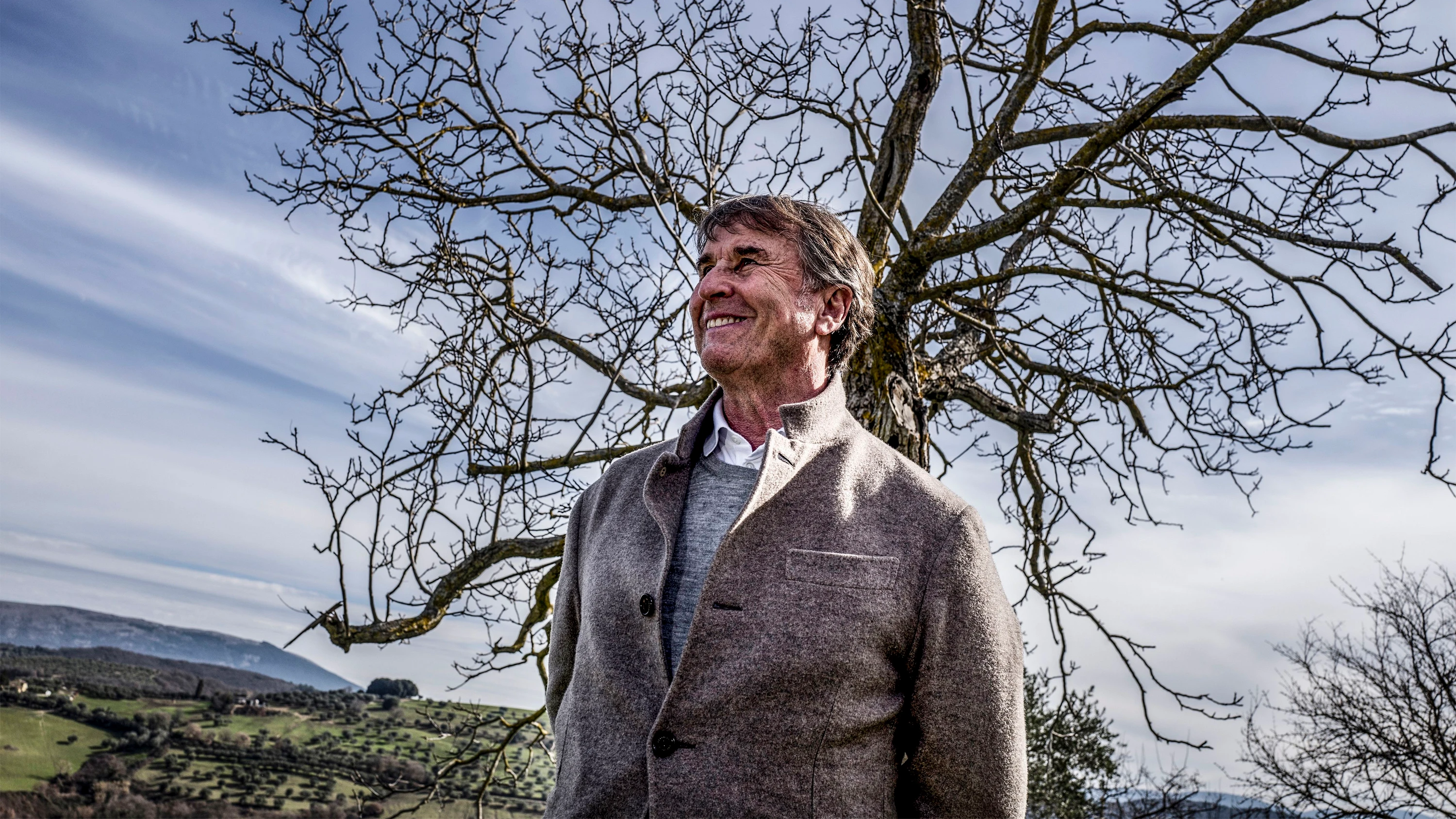
Modemacher Cucinelli: „Ich tue alles, damit die Bibliothek 1000 Jahre bestehen bleibt Der Modedesigner Brunello Cucinelli arbeitet in seiner italienischen Heimat Solomeo an einer „Universalbibliothek mit rund 500.000 Werken aus allen Bereichen. Wann wird sie eröffnen?
faz · 4 months ago
„Miluju tě, ale neschvaluju tvoje chování. Expertka radí, jak vychovat odolné děti „Jako národ jsme hodně zaměření na to, co se nedaří, hledáme chyby, a ne úspěchy. To je kultura, ve které se dětem žije strašně špatně, říká odbornice na vzdělávání Lenka Felcmanová. V rozhovoru popisuje, v čem je pro děti dobrý pozitivní stres a proč je kolem nich stále víc toho toxického či jaké je vhodné zvolit tresty, kritiku i chválu.
denik n · 4 months ago
Muoti | Ulkomaiset asiantuntijat arvioivat suomalaisen muodin tilan: Miksi kaikki täällä ovat gootteja? Neljä ulkomaalaista muotiasiantuntijaa kertoo oman näkemyksensä siitä, onko Suomella mahdollisuuksia muodin alalla. He kaikki nostavat esiin yhden nimen: Olli Autio.
helsingin sanomat · 4 months ago
«Notre pays est artisanal et excessif» : le «Meximalisme», un mouvement en forme de riposte au minimalisme En résistance au minimalisme sans éclat de la mode occidentale, les créateurs qui se revendiquent du mouvement «meximaliste» optent pour des couleurs éclatantes et des matériaux flashy, sur fond de passions et croyances populaires.
liberation · 4 months ago
Die Geschichte erzählen, wie sie ist [premium] Einblick. Unternehmergeist, Transparenz und der Mut zur Veränderung hält Fleischfabrikant Norbert Marcher für wichtig, die Branche dennoch für stabil und resilient.
die presse · 4 months ago
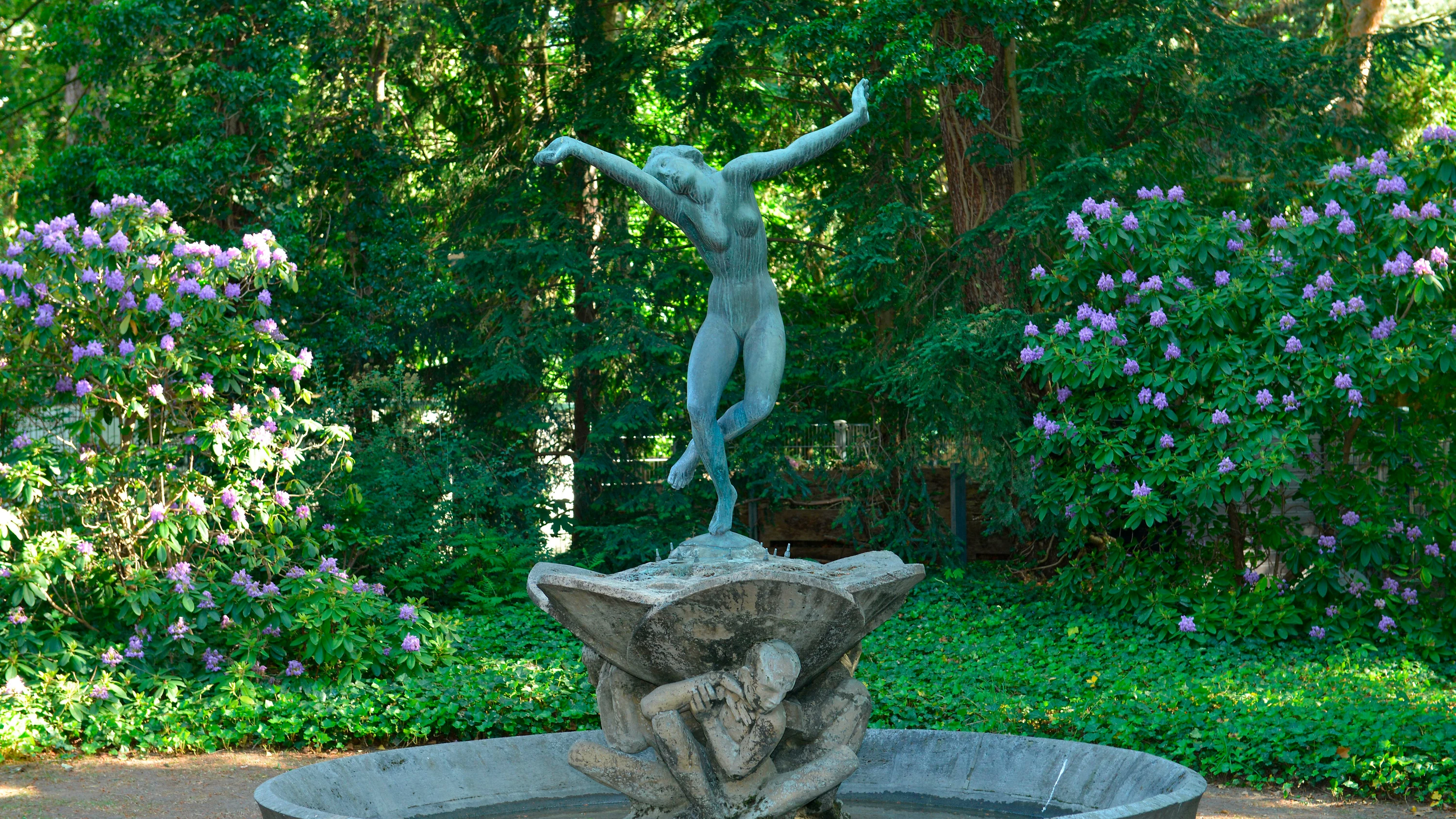
Georg Kolbes Brunnen: Rekordzuschlag für NS-Raubkunst Eine amerikanische Privatsammlung ersteigert den „Tänzerinnenbrunnen für fast fünf Millionen Euro, den das Georg Kolbe Museum an die Erben des jüdischen Voreigentümers zurückgegeben hat.
faz · 4 months ago
Henkel-Chef Carsten Knobel: „Fritz Henkel würde wieder in Deutschland gründen Carsten Knobel führt den Persil- und Schauma-Hersteller Henkel seit 2020. Seitdem hat er schon viele Krisen durchlebt. Der Manager spricht über seine schwierigste Entscheidung, Preiserhöhungen und Parallelen zu Friedrich Merz.
sueddeutsche · 4 months ago

Szoboszlaiék nem vicceltek: felszólítottak egy hamburgerezőt, töröljék a posztjukat a focista ruhájáról A hamburgerező marketingese még egy válaszlevélben is próbálta meggyőzni Szoboszlai képviselőjét, hogy a ruha már mém lett, és a focista nem látható a képen, de hiába.
hvg.hu · 4 months ago