
U.S. Army depletes long-range precision missiles in five-month Iran war, sources say

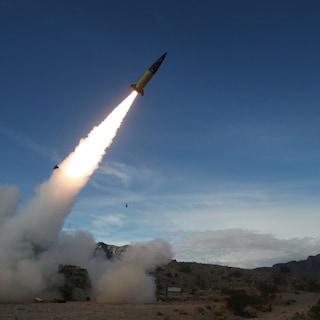
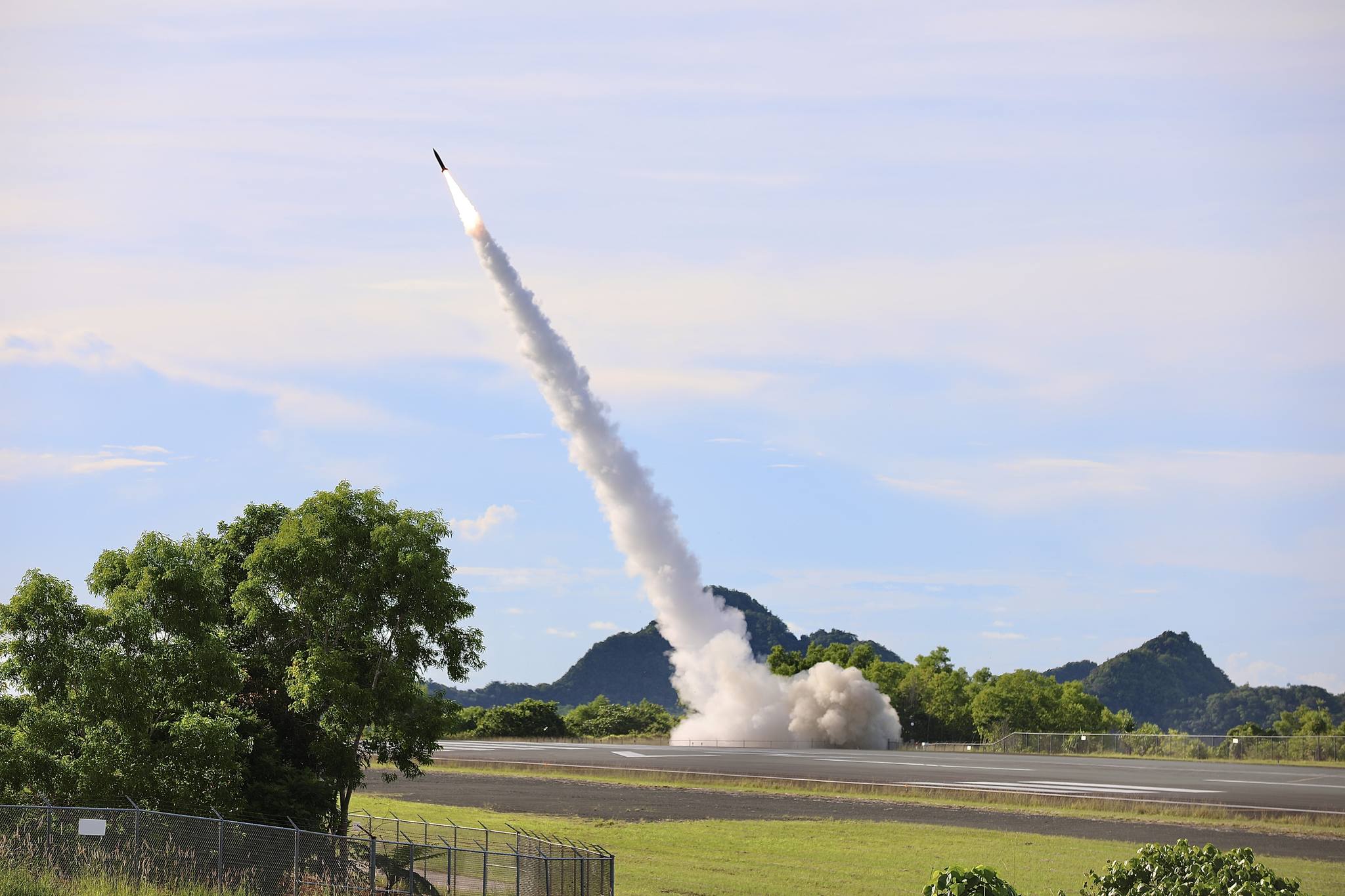
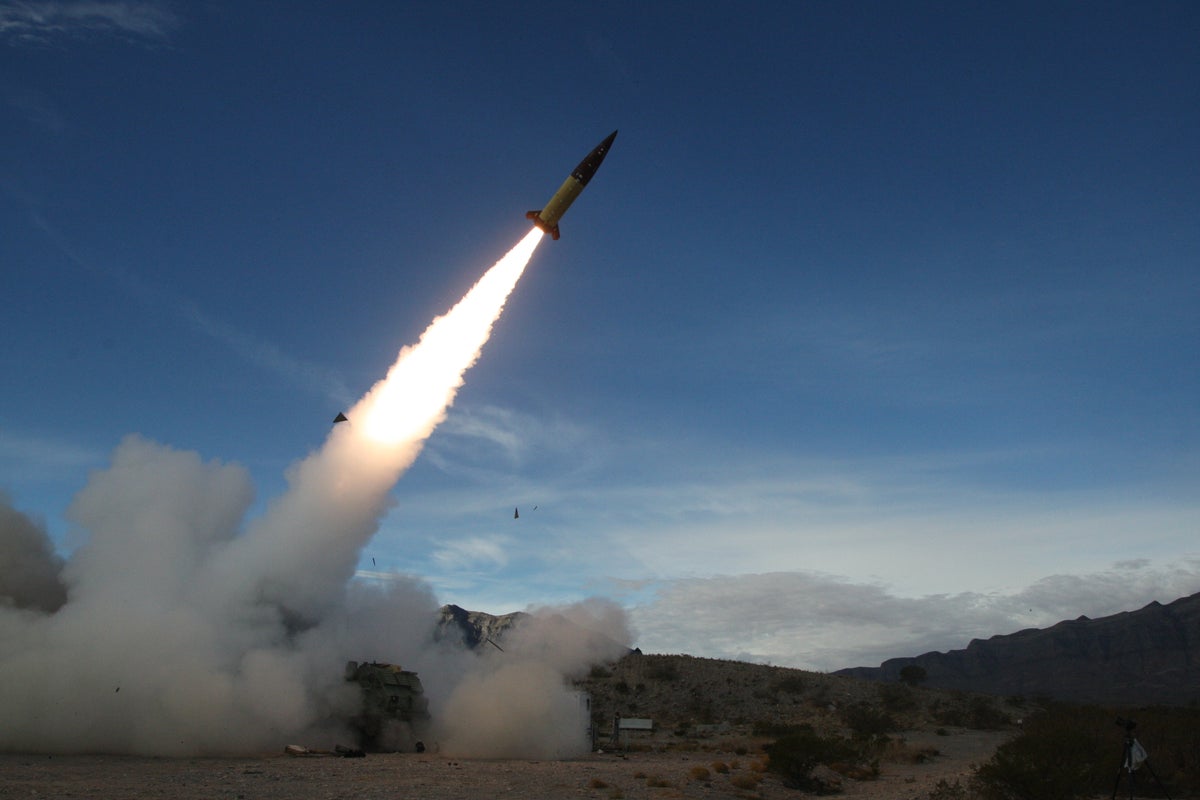
The U.S. Army has used “virtually all” of its long-range precision missiles during the five-month war with Iran, according to three people familiar with the data, raising concerns about military readiness for future conflicts. The weapons in question are primarily the Army’s surface-to-surface systems, the Army Tactical Missile Systems (ATACMS) and the newer Precision Strike Missiles (PrSM), two of the sources said .
A recent CSIS report estimated that roughly 65% of Patriot interceptors were expended between February and July, with THAAD ballistic missile interceptor inventories at least 38% below prewar levels, figures two sources said match internal U.S. data. The U.S. has also used just under half of its global Tomahawk cruise missile supply .
President Donald Trump launched the war jointly with Israel in February, predicting it would be short. The conflict has cost U.S. taxpayers $37.5 billion according to the Pentagon, while independent analyses place the figure at over $130 billion . The White House, when asked for comment, issued a statement from Trump saying the U.S. has “far more munitions than anyone in the world” and that defense companies are producing at record levels. Pentagon spokesperson Sean Parnell said the military has everything it needs to execute at the president’s choosing .
The ATACMS and PrSM missiles, each costing over $1 million, allow commanders to strike accurately from a safe distance. U.S.-supplied ATACMS have played a key role in Ukraine, enabling strikes on targets inside Russia. The PrSM is a newer, more advanced system intended to replace the ATACMS, which have a shorter range .
Central Command, which oversees U.S. forces in the Middle East, has nearly exhausted the land-based missiles it had before the war but has reloaded from U.S. military supplies elsewhere, according to a fourth person familiar with the matter. The sources spoke on condition of anonymity .
The official U.S. casualty count stands at 18 soldiers, most of whom died in Iranian attacks on American bases in the region. Defense Secretary Pete Hegseth told the Senate that a requested 40% increase in the military budget for the next fiscal year, to $1.5 trillion, would be used to “end this war,” “ensure our munitions are replenished,” and “revitalize our industrial base” . Raytheon has reached a tentative multi-year deal with the Pentagon to boost production of Tomahawk missiles .
Follow us for live European news
- 2
- 1
- 1
- 1
- 1
- 1
- 1
- 1
7 further sources not geolocated
Articles

Reuters: USA täppisrakettide varud on ohtlikult kahanenud USA maavägi on viis kuud kestnud sõjas Iraaniga kulutanud ära suure osa oma täppisrelvade varudest, mis on tekitanud muret riigi valmisoleku pärast tulevasteks konfliktideks, ütlesid Reutersile kolm olukorraga kursis olevat allikat.
postimees · about 2 hours ago
VS hebben vrijwel alle langeafstandsprecisieraketten opgebruikt door oorlog in Iran
de morgen · about 2 hours ago

EE.UU. está agotando en Irán sus reservas de misiles de largo alcance de alta precisión Según una exclusiva de Reuters, Comando Central ha tenido que reabastecer su arsenal con sus existencias en bases militares por todo el mundo
la vanguardia · about 2 hours ago
Războiul cu Iranul epuizează arsenalul SUA. Armata americană a folosit „practic toate rachetele de precizie cu rază lungă de acțiune Armata SUA a epuizat o mare parte din stocul său de rachete de mare precizie cu rază lungă de acțiune în timpul războiului de cinci luni cu Iranul, potrivit a trei persoane care au cunoștință de aceste date, ceea ce suscită îngrijorări cu privire la gradul de pregătire al armatei pentru conflicte viitoare, relatează Reuters.
digi24 · about 2 hours ago
JUST IN - Five months of war with Iran have consumed virtually all U.S. stocks of long-range PrSM and ATACMS missiles and close to half the Tomahawk inventory. Read here: @disclosetv
telegram_Disclose.tv · about 2 hours ago
🇺🇸‼️ - According to Reuters, the U.S. has used virtually all of its Army Tactical Missile Systems (ATACMS) and Precision Strike Missiles (PrSM) during the five-month war with Iran. @GeoPWatch
telegram_GeoPWatch · about 2 hours ago
US used virtually all long-range precision missiles during Iran war, sources say The U.S. Army has reportedly used up much of its stockpile of highly accurate long-range missiles during Americas five-month war with Iran.
defense news · about 2 hours ago
Reuters: США израсходовали в войне с Ираном почти весь свой запас ракет большой дальности — в том числе ATACMS США израсходовали большую часть своих запасов высокоточных ракет большой дальности в войне с Ираном, пишет Reuters, ссылаясь на источники.
meduza · about 2 hours ago
Källor till Reuters: USA har slut på robotar USA:s militär har förbrukat nästintill hela lagret av precisionsstyrda taktiska robotar, det uppger tre källor med insyn för nyhetsbyrån Reuters.
svenska dagbladet · about 2 hours ago
SUA și-a consumat o mare parte din stocul de rachete cu rază lungă în războiul cu Iranul. Pentagonul: „Armata SUA este cea mai puternică din lume Armata SUA a consumat o mare parte din stocul de rachete de mare precizie și cu rază lungă de acțiune în războiul cu Iranul, iar amploarea reducerii stocurilor de ATACMS și Precision Strike Missiles (PrSM) este dezvăluită pentru prima dată.
adevarul · about 2 hours ago

Exclusive-US has used virtually all of its long-range precision missiles during Iran war, sources say
news.yahoo.com · about 2 hours ago
ΗΠΑ: Εξαντλήθηκαν «σχεδόν στο σύνολό τους» οι πύραυλοι μεγάλου βεληνεκούς στον πόλεμο του Ιράν, λέει το Reuters Ο πεντάμηνος πόλεμος στη Μέση Ανατολή έχει φέρει μεγάλη μείωση των αποθεμάτων σε ATACMS και PrSM - Υπό αμφισβήτηση και η αποτρεπτική ισχύς των ΗΠΑ, καθώς συρρικνώνονται και οι Patriot - Την ίδια ώρα, ο Τραμπ μιλά για επέκταση της παραγωγής με ρυθμούς - ρεκόρ
protothema · about 2 hours ago
US has exhausted virtually all long-range missiles during Iran war amid fears of wider conflict Sources indicate the US Army is running dangerously low on crucial surface-to-surface weapons
independent · about 2 hours ago

🔊 The US has used most of its precision missiles in Iran. The US might have to turn to methods of fighting the war ... which could bring American lives closer to the front line. Listen now on the Reuters World News podcast reut.rs/4fN6IW2
bluesky_Reuters · about 2 hours ago
🇺🇸🇮🇷⚡️ — NEW: The US has exhausted nearly all of its long-range precision missile stockpiles during five months of war with Iran, raising concerns over military readiness for future conflicts, Reuters reports. ➡️ The US has used "virtually all" of its Army Tactical Missile Systems (ATACMS) and Precision Strike Missiles (PrSM), according to three sources familiar with the data — the extent of the drawdown has not been previously disclosed. ➡️ Roughly 65 of Patriot interceptors and at least 38 of THAAD ballistic missile interceptors have been expended since February, per a CSIS report corroborated by two sources with access to internal US data. ➡️ The US has also used just under half of its global Tomahawk cruise missile supply; Raytheon has reached a tentative multi-year deal with the Pentagon to boost production. ➡️ Internal administration debates over the past week have centered on how much longer the US can continue striking Iran without depleting stockpiles to levels that would compromise response capability elsewhere — including against China and Russia. ➡️ Trump disputed the concern, saying the US has "far more munitions than anyone in the world"; the Pentagon said the military "has everything it needs to execute at the time and place of the Presidents choosing." @IntelSlava
telegram_Intel Slava · about 2 hours ago
NEW: The U.S. Army has used up much of its stockpile of highly accurate long-range missiles during its five-month war with Iran, according to three people familiar with the data, Reuters reports @insiderpaper
telegram_Insider Paper · about 2 hours ago