
Powerful 7.8-magnitude quake kills 19 in Philippines, triggers tsunami alerts
Powerful 7.8-magnitude quake kills 19 in Philippines, triggers tsunami alerts
A powerful 7.8-magnitude earthquake struck off the southern Philippine island of Mindanao on Monday morning, killing at least 19 people, collapsing buildings and triggering tsunami warnings across the Pacific before most alerts were lifted by evening. The tremor, which struck at 07:37 local time (23:37 GMT Sunday) at a depth of 33 km, had its epicentre 32 km south of Maasim, near the coastal city of General Santos, where the majority of casualties occurred.
Rescue operations are underway as authorities warn residents not to re-enter damaged structures due to the threat of aftershocks. Robert Dagon, a police officer in General Santos City, told Agence France-Presse: “Many buildings were affected, but I cannot enumerate them now because we are busy with ongoing rescues.” At least 200 people were injured, with hospitals in the region overwhelmed by the influx of patients. Video footage showed schoolchildren fleeing in panic as a canopy collapsed during the quake, while other clips captured the moment a restaurant crumbled in General Santos.
Tsunami warnings were issued for the Philippines, Indonesia, Malaysia and Japan shortly after the quake, but most were lifted within hours as no significant waves materialised. The Philippine government confirmed that tsunami alerts had been deactivated by late afternoon. However, the disaster has raised concerns about preparedness in a region prone to seismic activity. The last time the Philippines experienced a quake of this magnitude was in 1976, when a 7.9-magnitude tremor in the Moro Gulf triggered a deadly tsunami.
The earthquake’s timing spared many schoolchildren, as a flag-raising ceremony had just concluded in General Santos, where dozens of children were gathered. Local media reported that this brief delay likely prevented further casualties. Meanwhile, Japan’s meteorological agency initially issued a tsunami advisory for its southern islands, advising residents to avoid coastal areas, though no damage was reported.
Experts have noted that the quake’s offshore location limited its destructive potential on land, but the series of aftershocks—including a 6.4-magnitude tremor—has compounded the crisis. The Philippine Institute of Volcanology and Seismology (Phivolcs) continues to monitor the situation, urging vigilance as rescue teams work through the night. With the death toll expected to rise as search efforts expand, the disaster underscores the vulnerability of coastal communities in one of the world’s most seismically active regions.
Articles

Matkaja kirjeldab kohutavat grislirünnakut: «Vaatasin alla ja nägin, et mu käsi lihtsalt rippus» San Diegost pärit Daniel Crago räägib nüüd avalikult sellest, kuidas ta jäi ellu hirmuäratavas grislikaru rünnakus. Rünnak põhjustas talle raskeid käevigastusi ning on nõudnud mitut operatsiooni.
postimees · about 2 hours ago

9h. Sismo Filipinas. Número de mortos vai subindo Autoridades confirmam 15 mortos e mais de uma centena de feridos. Ainda neste jornal, cinco distritos e 25 concelhos do país estão hoje sob perigo máximo de incêndio.
observador · about 2 hours ago

15 muertos y miles de desaparecidos en el mayor terremoto en el sudeste asiático desde 1976 El Gobierno filipino desctiva la alerta de tsunami
la vanguardia · about 2 hours ago
Forte terremoto nelle Filippine, la scossa di magnitudo 7.8 e i crolli in diretta: le immagini Un terremoto devastante ha colpito il sud delle Filippine causando 15 morti e diversi danni. La scossa di magnitudo 7.8 si è verificata a una profondità di 35 chilometri dalla costa dellisola di Mindanao: ora si teme il rischio tsunami lungo le coste di Filippine, Indonesia, Taiwan. Nelle immagini il momento della scossa con i […] Larticolo Forte terremoto nelle Filippine, la scossa di magnitudo 7.8 e i crolli in diretta: le immagini proviene da Il Fatto Quotidiano.
il fatto quotidiano · about 2 hours ago
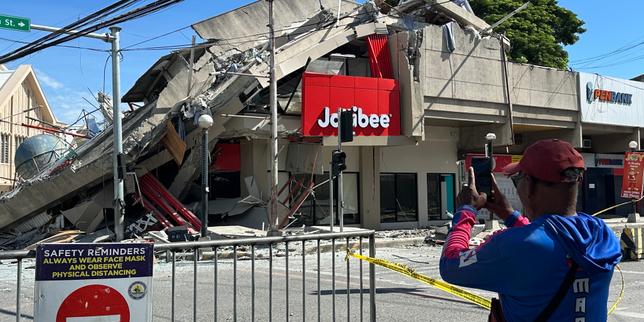
Séisme aux Philippines : des vidéos montrent un restaurant qui seffondre et les nombreux dégâts Un puissant séisme de magnitude 7,8 a touché le sud des Philippines, faisant au moins quinze morts, selon les autorités, et provoqué leffondrement de nombreux bâtiments lundi matin.
le monde · about 2 hours ago
Millionenschaden durch Stromausfall in Reutlingen: Verdacht auf Brandstiftung in Umspannwerk Rund 20.000 Menschen waren in Reutlingen zunächst ohne Strom. Nun soll es Hinweise auf Brandstiftung in einem Umspannwerk geben, mehrere Brandstellen werden untersucht.
tagesspiegel · about 2 hours ago
Vier Menschen im Krankenhaus: Defekter Kühlschrank löst Hausbrand in Wildau aus Mitten in der Nacht bricht in einem Einfamilienhaus in Wildau ein Feuer aus. Der Grund ist ein defektes Küchengerät.
tagesspiegel · about 2 hours ago
Un séisme fait au moins 15 morts aux Philippines Le sud du pays a été frappé ce lundi par un phénomène de magnitude 7,8, causant leffondrement de plusieurs bâtiments. Les autorités ont appelé les habitants des régions côtières à évacuer vers des zones plus en hauteur dans larchipel.
liberation · about 2 hours ago
Heftiges Erdbeben auf Philippinen: Flaggenzeremonie am ersten Schultag rettete vielen Kindern das Leben Das Beben der Stärke 7,8 traf vor allem die Stadt Santos City, wo die meisten der 19 Todesopfer verzeichnet wurden. Dutzende Menschen wurden außerdem verletzt. Mehrere Tsunamiwarnungen wurden weitgehend wieder aufgehoben.
die presse · about 2 hours ago
Philippines quake leaves at least 15 dead and 129 injured Several countries across the region, including the Philippines, Indonesia and Japan, issued tsunami warnings following the quake, although most have since been lifted.
intellinews · about 2 hours ago

Una ciudad japonesa cierra todas sus escuelas por la presencia de osos en las calles Japón ha registrado en los últimos años un aumento del número de avistamientos de osos y de ataques. El año pasado, 13 personas, una cifra récord, murieron por ataques de osos en el país Leer
elmundo · about 2 hours ago
Un terremoto de magnitud 7.8 sacude Filipinas y provoca al menos 15 muertos, más de 200 heridos y una alerta de tsunami Una réplica de magnitud 6.4 volvió a sacudir la región de Mindanao y también se produjeron al menos cuatro réplicas de entre magnitud 5.8 y 6.4 Leer
elmundo · about 2 hours ago
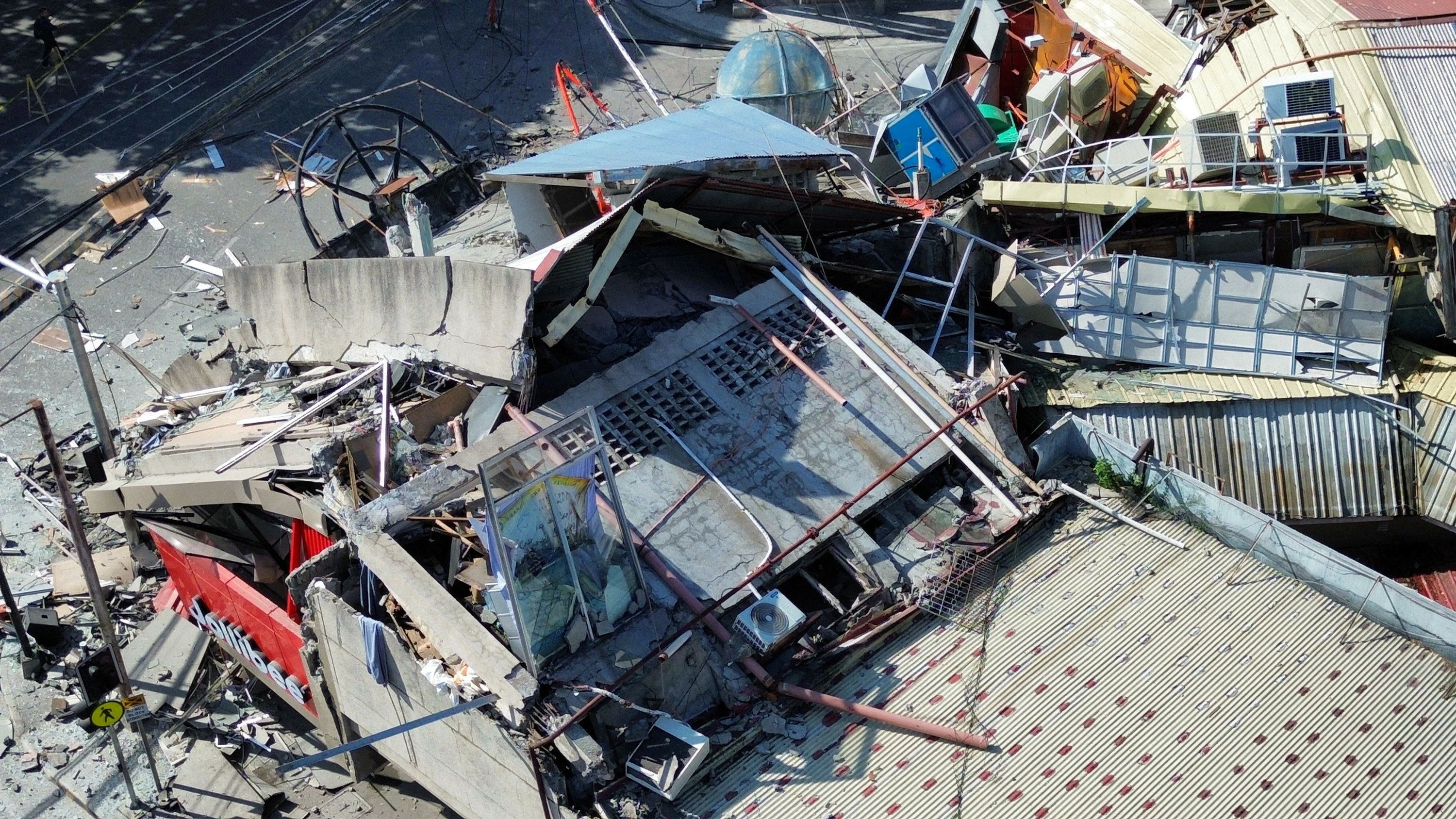
Tsunami-Warnung: Schweres Erdbeben erschüttert den Süden der Philippinen Das Beben der Stärke 7,8 lässt auf der Insel Mindanao mehrere Häuser einstürzen. Mindestens 19 Menschen sterben. Ein Video zeigt Schulkinder in Panik.
faz · about 2 hours ago

Is it safe to visit Japan? Latest advice after earthquake strikes near the Philippines
news.yahoo.com · about 2 hours ago

Powerful Earthquake Kills at Least 19 in Southern Philippines The 7.8-magnitude quake struck off the coast of the island of Mindanao as tremors collapsed buildings and ripped through roads across the archipelago.
wsj · about 2 hours ago
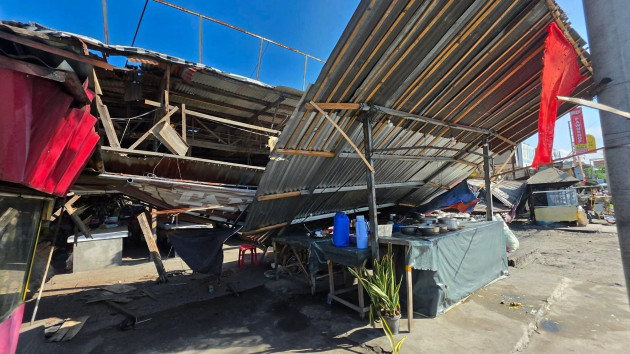
Tsunami warnings issued and 15 dead after 7.8 magnitude earthquake hits the Philippines Philippine authorities urged people in affected coastal regions to move to higher ground after the offshore quake hit south of General Santos, a city of about 720,000.
thejournal · about 2 hours ago

The campsite chef hired to guide climbers to the top of Mount Everest... only to go missing for six days and eventually crawl back down with a broken leg Last week, Dawa Sherpa was found crawling back to Base Camp after he went missing in brutal conditions between Camp III and Camp IV, until which point his loved ones believed he had died.
dailymail · about 2 hours ago
Magnitude 7.8 earthquake rocks southern Philippines At least 15 people were killed and 129 injured in a magnitude 7.8 earthquake that struck the southern Philippines.
aljazeera · about 2 hours ago
Powerful earthquake in southern Philippines leaves at least 19 dead Residents warned not to enter damaged homes or other buildings owing to threat of aftershocks after magnitude-7.8 quakeA magnitude-7.8 earthquake shook part of the southern Philippines early on Monday, collapsing buildings and killing at least 19 people.Many buildings were affected, but I cannot enumerate them now because we are busy with ongoing rescues, Robert Dagon, of the General Santos City police, told Agence France-Presse. Continue reading...
theguardian · about 2 hours ago
Schoolchildren flee as canopy collapses during deadly Philippines quake Children scream and run for cover as a school canopy collapses during the powerful earthquake that hit the southern Philippines, killing at least four people and injuring more than 200.
euronews · about 2 hours ago
Bevevo acqua nera, mi sentivo in bilico tra la vita e la morte: si avventura per un trekking, escursionista trovata viva dopo 14 giorni Dispersa per 14 giorni nella fitta vegetazione della Malesia, costretta a dissetarsi con la rugiada e lacqua intrappolata nelle piante carnivore, sopravvissuta a cadute di cinque metri e a tre giorni di totale disidratazione. La vicenda della quarantanovenne Jaslinda Saludin si è conclusa con un ritrovamento che i compagni di escursione hanno definito senza mezzi […] Larticolo Bevevo acqua nera, mi sentivo in bilico tra la vita e la morte: si avventura per un trekking, escursionista trovata viva dopo 14 giorni proviene da Il Fatto Quotidiano.
il fatto quotidiano · about 3 hours ago
Terremoto nelle Filippine di magnitudo 7.8: edifici crollati, almeno 15 morti e 200 feriti. Rientrata allerta tsunami È salito a 15 morti e 129 feriti nelle Filippine il bilancio provvisorio del terremoto di magnitudo 7.8 che ha colpito il sud del Paese con epicentro in mare. Allerta tsunami sullisola del Borneo, ma i danni maggiori sembrano essere avvenuti nella località di General Santos, importante centro economico delle Filippine. Lo riferisce lUfficio della […] Larticolo Terremoto nelle Filippine di magnitudo 7.8: edifici crollati, almeno 15 morti e 200 feriti. Rientrata allerta tsunami proviene da Il Fatto Quotidiano.
il fatto quotidiano · about 3 hours ago
Japanse stad sluit alle 94 scholen na eerste signalering van een beer De Japanse stad Utsunomiya heeft alle 94 scholen gesloten omdat er voor het eerst een beer is gezien. Het dier werd maandagochtend (lokale tijd) voor het laatst gezien in de buurt van een school en is sindsdien spoorloos.
nu.nl · about 3 hours ago
Stromversorgung: Stromausfall nach Feuer: Waren wieder Brandstifter am Werk? Mitten in der Nacht geht das Licht aus in Reutlingen. Ein Brand im Umspannwerk hat den Stromausfall verursacht. War es Brandstiftung? Die Hinweise scheinen deutlich.
tagesspiegel · about 3 hours ago
Cutremur puternic în Filipine, urmat de alertă de tsunami Un cutremur puternic, cu magnitudinea de 7,8, al cărui epicentru s-a situat în largul coastelor de sud ale Filipinelor, urmat de o replică de cu magnitudinea 6,1, a provocat moartea a cel puțin 12 persoane şi a declanşat o alertă de tsunami în Pacific, au anunţat autorităţile, notează AFP.
digi24 · about 3 hours ago