
OPCW restores Syrias voting rights after Damascus shows progress on chemical programme

The Organisation for the Prohibition of Chemical Weapons (OPCW) restored Syria’s voting rights on Thursday, citing “progress” by Damascus in addressing its chemical weapons programme and compliance with international standards. The decision, announced by OPCW Director-General Fernando Arias, marks a significant diplomatic shift after years of isolation for the Assad regime.
Syria’s reinstatement follows a sustained engagement with the watchdog, including the declaration of previously undeclared chemical weapons sites and the destruction of residual stockpiles. “The Syrian Arab Republic has demonstrated constructive engagement with the OPCW Technical Secretariat,” Arias told delegates in The Hague. “This progress has enabled the Executive Council to recommend the restoration of Syria’s rights and privileges in the organisation.” The move comes despite lingering concerns among Western states about the completeness of Syria’s disclosures and the potential for undeclared materials to remain in the country.
The decision was immediately criticised by the Netherlands, which had led efforts to suspend Syria’s voting rights in 2023 after evidence of repeated chemical attacks by government forces. “We remain deeply sceptical about the transparency of Syria’s declarations,” a Dutch foreign ministry spokesperson said. “The international community must maintain pressure until all outstanding questions are resolved.” Human rights groups echoed the scepticism. “This sends a dangerous signal that impunity can be rewarded,” said Lama Fakih, director of Human Rights Watch’s crisis and conflict division. “Without full access for investigators, there can be no confidence in Syria’s compliance.”
The OPCW’s reversal reflects a broader geopolitical realignment. Russia and China, both permanent members of the UN Security Council, have steadily re-engaged with Damascus, providing diplomatic cover and economic assistance. Earlier this week, a joint investigation by *Der Spiegel*, *Le Monde*, and *The Insider* revealed that Russian and Chinese military planners had discussed joint projects to counter Western satellite networks, including Starlink, and develop integrated air-defence systems. While the discussions did not directly reference Syria’s chemical file, they underscored the shifting alliances that have enabled Damascus to re-enter the international fold.
Syria’s reinstatement also coincides with escalating climate-related disasters in China, which has positioned itself as a leading voice on global governance issues. In Guangxi province, torrential rains triggered by Typhoon Maysak killed 39 people and left nine missing, exposing vulnerabilities in the country’s ageing reservoir network. “Small and medium-sized reservoirs across China are severely aged,” an unnamed researcher told *Southern Weekly*. “They cannot withstand the intensity of extreme weather events in the context of global climate change.” Meanwhile, temperatures in Xinjiang reached 50°C in June, part of a broader trend of accelerating warming that China’s meteorological administration described as “more frequent and severe.”
Against this backdrop, the OPCW’s decision is likely to be interpreted as a test case for multilateral institutions’ ability to balance engagement with accountability. “The international community cannot afford to normalise Syria’s behaviour without verifiable guarantees,” said a senior Western diplomat. “The OPCW’s credibility is on the line.” For now, Damascus has secured a symbolic victory—but the road to full rehabilitation remains fraught with unresolved questions.
Follow us for live European news
- 2
- 2
- 2
- 1
- 1
- 1
- 1
- 1
14 further sources not geolocated
Articles

China, India-linked hacking groups targeted Pakistani law enforcement, report says reut.rs/4wA5cxi
bluesky_Reuters · about 2 hours ago

Deep-sea mining threatens molluscs holding promise for science, Red List shows reut.rs/4wzcRvU
bluesky_Reuters · about 2 hours ago

NEW - U.S. overtakes China and becomes Taiwans largest trading partner for the first time in 25 years, with Taiwans overall exports +47 for the first six months of 2026 v LY. Source: @disclosetv
telegram_Disclose.tv · about 2 hours ago
Theres promise — and pitfalls — in the Armys low-cost interceptor plan, experts say Two analysts and a former defense official praised the Armys new LCI program, while also pointing to concerns over production bottlenecks, budget constraints and testing procedures.
breaking defense · about 2 hours ago
China Briefing 9 July 2026: Guangxi floods | Beautiful China plan | New EU-China mechanism Welcome to Carbon Briefs China Briefing. China Briefing handpicks and explains the most important climate... The post China Briefing 9 July 2026: Guangxi floods | Beautiful China plan | New EU-China mechanism appeared first on Carbon Brief.
carbon brief · about 2 hours ago
Scientist models way to make sure no ones violating the ban on nuclear weapons in space There is a long-standing international treaty in place but we cant be the only ones side-eyeing worlds current crop of politicos
the register · about 2 hours ago
Suspected Chinese spies are raiding university mailboxes via a Roundcube flaw A suspected Chinese espionage group has been breaking into university mail servers across the United States and Canada. It has stolen credentials from staff in physics, engineering, and national security research. Security firm Proofpoint disclosed the campaign this week, tracking the crew as UNK_MassTraction and dating it to at least May. The Register reported further […] This story continues at The Next Web
the next web · about 2 hours ago
CGTN: Navigating the South China Sea Before GPS BEIJING, CHINA - Media OutReach Newswire - 9 July 2026 - Ten years after the South China Sea arbitration, CGTN has published an article exploring the story of the Genglubu - a handwritten navigation manual that guided generations of Hainan fishermen long before GPS, shedding light on a chapter of ...
the slovenia times · about 2 hours ago
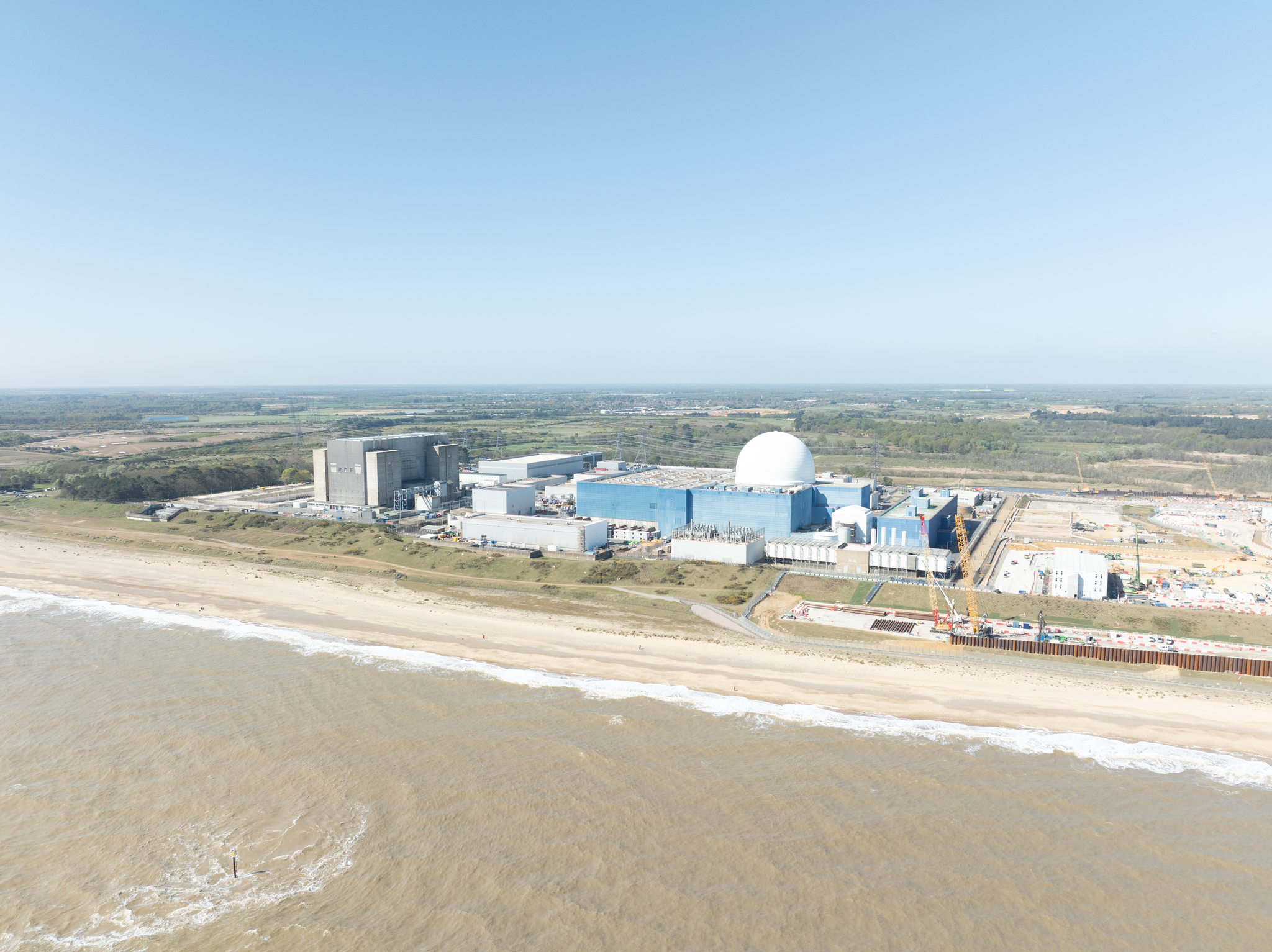
Reino Unido resuelve su Almaraz y alarga 20 años la vida de su última nuclear El Gobierno laborista acuerda con EDF y Centrica prolongar hasta 2055 la vida de una central que produce el 3 de la electricidad del país. Downing Street impulsa, en paralelo, dos grandes centrales nucleares de nueva generación, minirreactores nucleares, la fotovoltaica y la eólica. Leer
expansion · about 2 hours ago

Marte esconde una autopista sísmica bajo la superficie y un impacto de meteorito acaba de dejarla al descubierto Objetivo rojo - La Agencia Espacial Europea aprovechará esos resultados para decidir dónde trabajar sobre la superficie y proteger mejor los equipos destinados a futuras exploraciones marcianas La atmósfera de Marte es tan débil que casi nada frena los meteoritos antes de que golpeen el suelo, y ese detalle ya marca cómo es el planeta. Esa falta de protección lo convierte en un lugar duro, pero también en un objetivo que despierta interés porque obliga a hacerse preguntas muy concretas. Se quiere ir a Marte para saber si alguna vez tuvo agua, si pudo sostener algún tipo de vida y hasta qué punto se podría vivir allí en el futuro. La curiosidad no se queda en la idea general, se centra en entender cómo funciona su suelo, cómo es su atmósfera y qué historia guarda. Todo ese conocimiento define qué tipo de tecnología haría falta para sobrevivir en un entorno que no ofrece ninguna ayuda natural. Un meteorito reveló cómo viajan las vibraciones bajo Marte Ese tipo de cuestiones se responde analizando lo que ocurre cuando el planeta recibe impactos, ya que cada golpe deja información sobre su interior. El 19 de febrero de 2021, un meteorito impactó contra Marte y generó ondas sísmicas que recorrieron 1.640 kilómetros hasta llegar al módulo InSight de la NASA, según datos recogidos durante su misión. Ese tipo de eventos ha permitido unir impactos con señales sísmicas y revisar cómo se comporta el interior del planeta, lo que ha llevado a una conclusión: Marte recibe más golpes de lo que se pensaba y transmite esas vibraciones de una forma distinta a la prevista. La relación entre un cráter concreto y una señal sísmica se aclaró en la región de Cerberus Fossae, donde un impacto generó ondas que viajaron más lejos de lo esperado. Esa distancia obligó a revisar el recorrido de las vibraciones, que no siguieron un camino superficial, sino uno más profundo y rápido a través del manto. El análisis permitió distinguir mejor entre movimientos causados por impactos y los originados dentro del planeta, lo que abre la puerta a usar esos datos como una herramienta para estudiar sus capas internas. Tom Pike, profesor en Imperial College London, explicó la importancia de unir ambos registros: Sin los datos sísmicos, no habríamos sabido dónde buscar un impacto en las imágenes orbitales, y sin esas imágenes no habríamos podido localizar la fuente de la energía detectada. El uso de inteligencia artificial ha cambiado el ritmo de este trabajo al permitir analizar miles de imágenes en poco tiempo y localizar nuevos cráteres recientes. En una búsqueda realizada en 2025, los sistemas automáticos identificaron 123 impactos que no estaban catalogados en la zona de vigilancia de InSight, lo que facilitó su comparación con registros sísmicos. Esa combinación llevó a vincular 49 eventos con impactos concretos y reforzó una idea que ya aparecía en varios estudios: el número de golpes es entre 1,6 y 2,5 veces mayor que el calculado a partir de imágenes tradicionales. Algunas estimaciones apuntan a que cada año se forman entre 280 y 360 cráteres de más de ocho metros. Conocer esa frecuencia influye en el diseño de misiones que deben operar sobre el terreno. La Agencia Espacial Europea prepara el lanzamiento del rover Rosalind Franklin en 2028, con apoyo de la NASA, y ese tipo de información permite anticipar cómo se comporta el suelo tras un impacto o qué riesgos pueden afectar a los equipos. También ayuda a decidir dónde perforar y cómo proteger las estructuras que se desplieguen en la superficie. InSight confirmó que Marte mantiene actividad bajo la superficie El módulo InSight, activo entre 2018 y 2022, aportó los primeros registros sísmicos del planeta y confirmó que Marte presenta actividad interna, aunque no tenga placas tectónicas como la Tierra. Ese sistema permitió recoger datos suficientes para analizar la composición del subsuelo y detectar una transición a unos 24 kilómetros de profundidad, donde cambian las propiedades de la roca. La misión terminó cuando el polvo cubrió sus paneles solares, pero dejó una base de datos que sigue alimentando estudios posteriores. Uno de esos trabajos, publicado en Nature Astronomy y desarrollado por investigadores de la Universidad de Oxford, analizó cientos de posibles composiciones para explicar esa transición detectada bajo la superficie. Tobermory Mackay-Champion, investigador en ciencias de la Tierra, describió el cambio en la interpretación de la actividad volcánica: Hemos asumido que el vulcanismo en Marte era más simple que en la Tierra, pero estos datos indican sistemas largos en los que la roca fundida evoluciona dentro de la corteza. El estudio identifica dos capas distintas, una inferior con más hierro y magnesio y otra superior con mayor contenido en sílice, lo que sugiere un proceso de separación de materiales bajo tierra. Ese proceso amplía las opciones de encontrar condiciones favorables para la habitabilidad Ese comportamiento apunta a un tipo de reciclaje de roca que recuerda a lo que ocurre en zonas de subducción en la Tierra, aunque Marte no tenga placas tectónicas activas. Jon Wade, profesor en ciencias planetarias, situó el alcance de este hallazgo en un marco más amplio: Si Marte pudo desarrollar una corteza compleja sin placas tectónicas, las condiciones para la habitabilidad podrían aparecer en más planetas de lo que se pensaba. Esa idea amplía el interés por Marte, ya que lo convierte en un ejemplo para entender otros mundos rocosos. El conjunto de datos sobre impactos, actividad sísmica y composición interna dibuja un planeta más activo de lo que parecía desde la órbita. Ese retrato explica por qué sigue siendo un objetivo prioritario, no solo para buscar rastros del pasado, sino para comprobar hasta dónde puede llegar la presencia humana en un entorno que obliga a resolver cada problema desde cero.
eldiario.es · about 2 hours ago
Zündung von Atombombe im All wäre katastrophal: Detektor soll verstecktes Kernwaffenmaterial im Orbit aufspüren können Ein neues Sensorsystem soll helfen, Satelliten im All auf verstecktes Kernwaffenmaterial zu überprüfen. Wie die Technik funktionieren könnte.
tagesspiegel · about 2 hours ago

Kiszagolhatja az atomfegyvert az űrben egy újfajta műhold A Massachusettsi Műszaki Egyetem kutatói szerint volna rá mód, hogy kiderítsék, az orosz vagy kínai műholdakban van-e nukleáris fegyver.
hvg.hu · about 2 hours ago

Une nouvelle espèce de requin fantôme découverte au Costa Rica Des chercheurs de luniversité du Costa Rica ont identifié une nouvelle espèce de chimère, un mystérieux poisson apparenté aux raies et aux requins. Une avancée scientifique qui met en lumière la richesse encore peu explorée des grands fonds marins.
courrier international · about 2 hours ago
Les mollusques sont menacés dextinction par lexploitation minière des grands fonds marins, révèle une étude LUnion internationale pour la conservation de la nature (UICN) rapporte ce jeudi 9 juillet que les gastéropodes et autres invertébrés «figurent parmi les groupes danimaux les plus menacés» par la recherche de minéraux précieux.
liberation · about 2 hours ago

Chemical weapons watchdog reinstates Syrias voting rights The global chemical weapons watchdog has reinstated Syrias voting rights, rewarding Damascus for engaging constructively and agreeing to destroy hidden stockpiles
independent · about 2 hours ago

Sizewell B nuclear plant to stay open 20 years longer than planned
bluesky_The Times · about 2 hours ago
In de Stille Oceaan groeit het verzet tegen Chinese spierballentaal en machtsvertoon. Nieuwe allianties vormen zich In Australië, Nieuw-Zeeland, Japan en op Pacifische eilanden is verbolgen gereageerd op de rakettest die China deze week hield. Landen in de Stille Oceaan nemen meer afstand van China. „Dit doen vrienden niet.
nrc · about 3 hours ago
The New Axis of Evil: DER SPIEGEL Investigation Reveals Deep Military Cooperation between Russia and China Reporting by DER SPIEGEL and its partners provide a detailed and unprecedented look at the depth of military cooperation between Russia and China. Secret documents show the plans the two countries are developing.
spiegel.de · about 3 hours ago

China, Taiwan brace for Typhoon Bavi, possibly the most powerful storm in years
news.yahoo.com · about 3 hours ago

Australia to sell uranium to India more than a decade after deal stalled Agreement is aimed at boosting Australias mining industry and bolstering Indias nuclear-power generation
independent · about 3 hours ago
Ocean Energy Report Confirms Huge Untapped Potential
gdeltproject.org · about 3 hours ago
Chinas 15th Five-Year Plan And The End Of Europes Industrial Illusion: Why Germany Is The Ultimate Test Case - OpEd
gdeltproject.org · about 3 hours ago
Chemical weapons watchdog restores Syrias voting rights, citing progress Syria regains voting rights in the OPCW as new leadership makes progress in addressing chemical weapons issues.
aljazeera · about 3 hours ago

⚡ NEWSOPW restores Syrias voting rights citing progressThe Organisation for the Prohibition of Chemical Weapons (OPCW) has restored Syrias voting rights, citing progress made by the countrys new leadership in addressing chemical weapons issues and compliance with international standards.📰 #Geopolitics #GeoWire
mastodon bot · about 3 hours ago

Syria regains its voting rights at chemical weapons watchdog reut.rs/3R7gwSu
bluesky_Reuters · about 3 hours ago
#ME NNSA completed "diamond stamping" of all planned B61-13 nuclear gravity bomb canned subassemblies (CSAs) for the current Fiscal Year three months ahead of schedule at the Y-12 National Security Complex. Subscribe to @OSINTdefender Chat room
telegram_OSINTdefender · about 3 hours ago
China plans to build early warning system to spot dangerous asteroids before they get too close READ:
telegram_Insider Paper · about 3 hours ago
Interview: Dr Sun Yixian on his new database tracking Chinese climate leadership The number of global climate initiatives launched or run by China has been growing since... The post Interview: Dr Sun Yixian on his new database tracking Chinese climate leadership appeared first on Carbon Brief.
carbon brief · about 3 hours ago
The Download: a nuclear landmark, and China eyes Nvidia chips This is todays edition of The Download, our weekday newsletter that provides a daily dose of whats going on in the world of technology. Four nuclear reactors hit a big milestone in the US —Casey Crownhart I was really looking forward to July 4, and not just because I love a poolside barbecue. This year…
mit tech review · about 3 hours ago
Scandal în Japonia pe tema rezistenței centralelor nucleare la cutremure. O companie este suspectată că a manipulat datele Este posibil ca producătorul de energie nipon Chubu Electric Power să fi început să manipuleze datele privind rezistenţa la cutremure după ce un seism a provocat în 2009 şocuri peste limitele proiectate la un reactor al unei centrale nucleare din centrul Japoniei, a afirmat joi o sursă a agenţiei Kyodo, citată de Agerpres. Dezvăluirea are …
hotnews.ro · about 3 hours ago