
Italy bans full-face veils in schools and caps non-Italian-speaking students at 30% per class
Story Timeline
1 day · 2 summary articles
Italy bans full-face veils in schools and caps non-Italian-speaking students at 30% per class
Italy's Meloni proposes school quotas for foreign-born students amid migration push
Continuation
Italy’s government on Thursday approved a decree banning burqas and niqabs in schools and capping at 30% the share of students with limited Italian language skills per class, Prime Minister Giorgia Meloni announced.
The ban applies to full-face veils but not the hijab, which leaves the face visible, according to Education Minister Giuseppe Valditara. He framed the veil restriction as a matter of gender equality, stating that students must attend school with their faces uncovered. Meloni described the measures as “common-sense tools that do not divide but really help to integrate.”
The 30% cap targets non-Italian citizens or those with insufficient Italian proficiency, particularly newly arrived students. Exemptions include children born in Italy or those who have attended Italian nursery schools for at least two years. Valditara said the rule aims to prevent “ghetto classes” and noted that 34,000 classes currently exceed the threshold. Local authorities will redistribute students with limited Italian skills across nearby schools where possible.
Parents of struggling students must attend free Italian language courses, or face fines of up to €1,000. In extreme cases, authorities may intervene if families refuse support. The decree also builds on existing rules, including a 1975 ban on face coverings that hinder identification, though courts have allowed religious exemptions if faces are shown for identification.
Opposition parties criticized the measures as pandering to hard-right rival Futuro Nazionale ahead of 2027 elections. The decree now awaits parliamentary approval.
Follow us for live European news
- 3
- 2
- 1
- 1
- 1
- 1
- 1
- 1
4 further sources not geolocated
Articles

Italija prepovedala burke v šolah in omejila število tujih učencev v razredu Italijanska vlada je sprejela uredbo, ki prepoveduje nošenje burk in nikabov v šolah in omejuje število tujih učencev z nezadostnim znanjem italijanščine v razredu. Po navedbah premierke Giorgie Meloni bodo ukrepi spodbujali resnično integracijo.
rtv slovenia · about 3 hours ago
Guvernul italian a stabilit limita pentru numărul de elevi străini din clase. Amenzi pentru cei care intră în școală cu fața acoperită Guvernul italian a adoptat joi măsuri pentru a limita numărul elevilor străini din clase și pentru a interzice acoperirea feței în școli. Dacă măsurile vor fi promulgate de președinte, din anul școlar 2027-2028, în clasele din ciclul primar se va aplica o limită de 30 pentru elevii care nu sunt cetățeni italieni și nu s-au …
hotnews.ro · about 3 hours ago
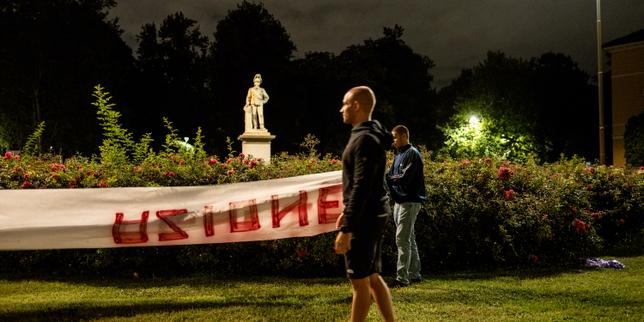
A Monza, en Lombardie, une « atmosphère raciste décomplexée » « Extrême droite : lancrage européen » (4/6). La ville, lune des plus tranquilles dItalie, est pourtant gagnée par les angoisses qui agitent le pays, nourries par la rhétorique identitaire du gouvernement de Giorgia Meloni, poussé à la surenchère par le parti Futur national, qui prospère en rapprochant sécurité et homogénéisation ethnique.
le monde · about 3 hours ago

Melonis neue Schulregeln – Italien beschließt Burka-Verbot und Sprachquote für Schulklassen Italiens Regierung verschärft die Regeln an Schulen: Burkas und Nikabs sind verboten, neu zugewanderte Schüler erhalten feste Sprachquoten. Für die Billigung des Dekrets bleibt dem Parlament aber nur begrenzt Zeit.
welt.de · about 3 hours ago
Italien: 30-Prozent-Grenze für ausländische Schüler
orf.at · about 3 hours ago
Italy ministers agree to ban burqa and niqab in school and cap foreigners in class Prime Minister Giorgia Meloni described the measures as "common-sense tools that do not divide but really help to integrate".
bbc · about 3 hours ago
Lombard city of Monza gripped by an atmosphere of uninhibited racism Europes far right takes root (4/6). The city, one of the calmest in Italy, has been gripped by the anxieties rocking the country, fueled by Giorgia Melonis government and its identitarian rhetoric, which has now been escalated by the National Future party, which harps on crime and ethnic themes.
le monde · about 3 hours ago

Italy to cap non-Italian speakers and ban face coverings in schools: The measures follow days of tension between Meloni and Mattarella
mastodon_Euractiv Economy · about 3 hours ago

Italy to cap non-Italian speakers and ban face coverings in schools
mastodon_Euractiv Politics · about 3 hours ago

Beset by far-right rival, Italys Meloni tightens foreign pupil rules reut.rs/4d1TIeC
bluesky_Reuters · about 4 hours ago

Meloni limita al 30 los alumnos por aula que no sepan italiano y veta el burka y el niqab Se trata de medidas de sentido común que no dividen, sino que ayudan a integrar de verdad, evitando las clases-gueto y dando a todos los estudiantes las mismas oportunidades, declaró la jefa del Gobierno italiano
la vanguardia · about 4 hours ago
Tetto agli stranieri a scuola, il decreto divide genitori e docenti: Operazione mediatica discriminatoria, Tutela la qualità dellinsegnamento Il Decreto Legge che introduce, fra le altre cose, un tetto del 30 al numero degli studenti stranieri nelle classi prime della primaria e anche alla secondaria (per gli studenti con cittadinanza non italiana che non hanno frequentato con esito positivo, per almeno tre anni scolastici, il sistema nazionale di istruzione) piace solo a mamme […] Larticolo Tetto agli stranieri a scuola, il decreto divide genitori e docenti: Operazione mediatica discriminatoria, Tutela la qualità dellinsegnamento proviene da Il Fatto Quotidiano.
il fatto quotidiano · about 4 hours ago
Noi reguli în școlile din Italia pentru străini: Plafon pentru numărul de elevi din clase, cursuri obligatorii pentru părinți și amenzi Guvernul italian a adoptat joi un decret-lege care interzice burqa şi niqab în şcoli şi stabileşte un plafon pentru numărul de elevi dintr-o clasă care au o cunoaştere slabă a limbii italiene, transmite AFP, preluată de Agerpres.
digi24 · about 4 hours ago
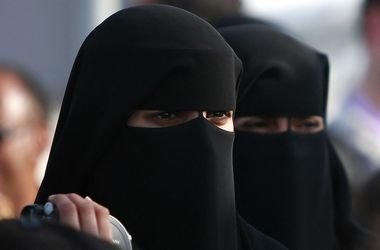
Meloniék 1000 euróra büntetnék a burkát vagy nikábot viselőket az olasz iskolákban Az olasz kormány rendelettervezete a külföldi tanulók arányát is maximalizálja az osztályokban.
hvg.hu · about 4 hours ago
Italien führt 30-Prozent-Grenze für ausländische Schüler ein Die Regelung soll ab dem nächsten Schuljahr gelten. Auch das Verbot von Burka und Niqab in den Schulklassen wurde beschlossen.
die presse · about 4 hours ago
Italien führt 30-Prozent-Grenze für ausländische Schüler ein Kann die Obergrenze nicht eingehalten werden, sollen betroffene Schülerinnen auf nahegelegene Schulen verteilt werden. Die Regelung beinhaltet auch ein Verbot von Burka und Niqab
der standard · about 4 hours ago