 Monday, May 18Monday, May 18
Iran and the U.S. remain locked in a tense standoff over a proposed ceasefire and peace deal, with Tehran yet to formally respond to Washington’s latest proposal. The U.S. has described the current truce as "fragile" but holding, despite recent hostilities in the Strait of Hormuz and the Gulf of Oman, where exchanges of fire have threatened to derail negotiations . Iran has accused the U.S. of escalating tensions, particularly after reports of U.S. strikes on Iranian-linked tankers, which Tehran has warned could provoke retaliation .
Iran’s Revolutionary Guards have issued explicit threats, stating that any attack on Iranian tankers or commercial vessels will result in "a heavy attack on one of the American centers in the region and enemy ships" . These warnings come amid heightened maritime tensions, including an incident where a bulk carrier was struck by an unknown projectile near Doha, further raising concerns about security in Gulf waters .
The U.S. has increased military pressure on Iran, with President Trump reportedly aiming to reduce Iran’s floating storage capacity and assert naval dominance in the Strait of Hormuz. Meanwhile, Israel has signaled readiness to strike Iran’s energy infrastructure if the ceasefire collapses, citing close coordination with the U.S. . The UK has also deployed a Royal Navy destroyer to the region, reflecting broader international concerns over maritime security and potential escalation . Despite these developments, the U.S. maintains that it is still awaiting Iran’s formal response to its ceasefire proposal .
> Background: **U.S. and Iran Navigate Fragile Ceasefire Amid Rising Tensions** — *15 hours ago*
More LFE coverage on this topic

Iran warns of retaliation as US tensions threaten fragile peace talks Tensions between the United States and Iran have escalated after reports of US fire on Iranian-linked tankers in the Gulf of Oman. Tehran warned of retaliation against American targets in the region as diplomatic efforts continue over a proposed deal involving sanctions, nuclear limits, and maritime security.
france24 · 8 days ago
Unknown Projectile Hits Ship Near Gulf Of Qatar, Says UK Monitor As the US-Israeli war with Iran continues to impact and shape the region, journalists from RFE/RLs Central Newsroom and Iranian service, Radio Farda, deliver ongoing updates and analysis.
radio free europe · 8 days ago
Unknown Projectile Hits Bulk Carrier as Iran Gulf Shipping Tensions Rise Qatar 2026 DUBAI, Qatar – May 10, 2026 – Brussels Morning Newspaper — Iran Gulf shipping tensions moved back into the international spotlight after the United Kingdom Maritime Trade Operations confirmed that a bulk carrier operating northeast of Doha was struck by an unknown projectile while sailing through Gulf waters. The incident immediately triggered heightened concern across global shipping […]
brussels morning · 8 days ago
Live: Irans Guards threaten US sites in the region if its tankers come under fire Irans Revolutionary Guards have threatened to target US sites in the Middle East if its tankers come under fire, Iranian media reported on Saturday, as Washington continued to wait for Tehrans response to its latest proposal for a peace deal. Follow our live blog for all the latest updates.
france24 · 8 days ago

US, Iran no closer to ending war as Qatari tanker sails toward Strait of Hormuz
news.yahoo.com · 8 days ago
Irans Revolutionary Guards threaten US sites in Middle East if tankers come under fire Revolutionary Guard issue warning as Trump awaits Irans response to Washingtons latest proposal for peace dealIrans Revolutionary Guard has threatened to target US sites in the Middle East if its tankers come under fire, Iranian media reported on Saturday, as Washington was left waiting for Tehrans response to its latest negotiating position.Any attack on Iranian tankers and commercial vessels will result in a heavy attack on one of the American centres in the region and enemy ships, the force said, a day after US strikes on two Iranian tankers in the Gulf of Oman. Continue reading...
theguardian · 8 days ago
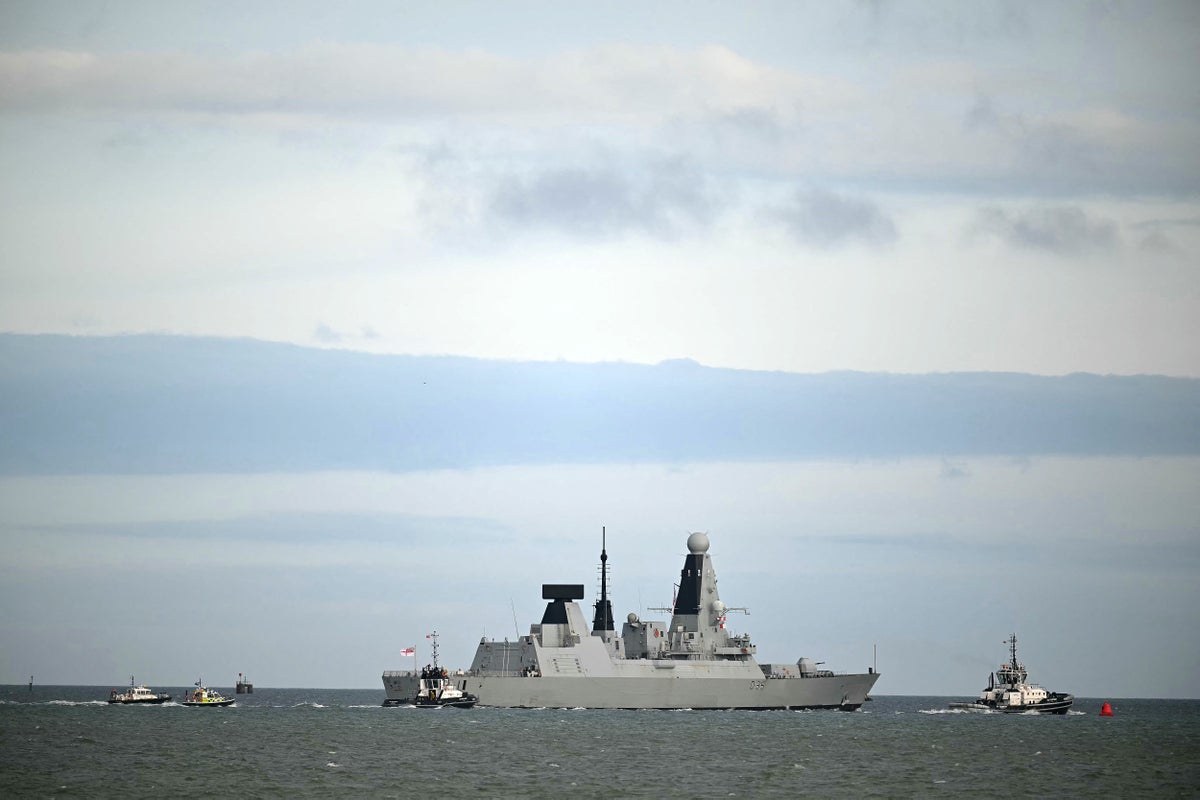
Iran-US war latest: Tehran warns of heavy assault if ships attacked as Trump awaits response to peace proposal US officials did not disclose any Iranian response to their offers as of late Friday, while ongoing hostilities inside the Strait of Hormuz threatened to upend the shaky ceasefire
independent · 8 days ago
Angry Words, But No Response Yet From Iran On US Peace Proposal The war in Iran and the wider Middle East appeared to be in a holding pattern on May 9 as Washington awaited Irans response to its latest peace proposal but, while Tehran has not yet offered a formal reply, the regime has maintained its belligerent language toward the US.
radio free europe · 8 days ago
#Israel #Iran #USA President Trump is escalating military pressure on Iran to force a reaction, aiming to reduce Irans floating storage capacity and assert U.S. Navy presence in the Strait of Hormuz. Israel is reportedly preparing to strike Irans energy facilities if the current ceasefire collapses, with close coordination between the US and Israel. Previous attacks by Israel have targeted Irans energy infrastructure, including the South Pars gas field and the Bushehr nuclear power plant. Subscribe to @OSINTdefender Chat room
telegram bot · 8 days ago
Iran Military Tensions Escalate as UK Sends Warship Toward Hormuz London 2026 London, United Kingdom – May 9, 2026 – Brussels Morning Newspaper — Iran military tensions intensified after the British government confirmed the deployment of a Royal Navy destroyer toward the Middle East amid growing fears surrounding maritime security and possible operations connected to the Strait of Hormuz. The move highlights rising international concern over instability involving […]
brussels morning · 9 days ago
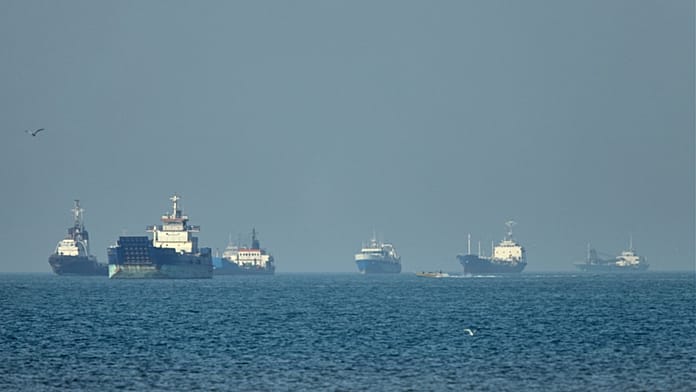
US says the fragile truce with Iran holds as it awaits response to its latest ceasefire proposal Washington insists its month-long ceasefire with Iran is continuing to hold despite renewed hostilities and the recent exchanges of fire. The US says it is awaiting Irans response to its latest ceasefire proposal to end the war.
euronews · 9 days ago
Tensions Remain High As Washington Awaits Irans Peace Proposal Response Iran blamed the United States for a recent escalation of skirmishes in the Persian Gulf as Washington awaits a response from Tehran over the latest proposal to end their war.
radio free europe · 9 days ago