Loading…
 Saturday, August 29Saturday, August 29
2 months · 8 summary articles
The United States launched fresh military strikes against Iran on Wednesday night, hours after President Donald Trump declared the two countries’ 20-day-old ceasefire “over” and threatened to hit Tehran “very, very hard” again before the day ended.
CENTCOM confirmed that U.S. forces struck 85 targets across southern Iran and in the Strait of Hormuz, including air-defence systems, command-and-control networks, coastal radar sites, anti-ship missile positions and more than 60 Islamic Revolutionary Guard Corps small boats. The Pentagon said the raids were aimed at degrading Iran’s ability to disrupt international shipping in the vital waterway, where three commercial tankers were attacked on Monday. “The United States is holding Iran accountable for recent unjustified aggression against commercial shipping and civilian crews,” CENTCOM stated .
Speaking at the NATO summit in Ankara, Trump told reporters that the “memorandum of understanding” signed on 17 June had effectively collapsed. “To me, I think it’s over,” he said, adding that further negotiations were “a waste of time” because Iranian leaders were “sick,” “vicious,” “violent” and “scum.” He repeated his vow to reimpose a naval blockade around Iran and said U.S. forces had already struck and “knocked out a piece” of Kharg Island, a key oil terminal, the previous night. “We may take over Kharg Island,” he said. “We may put down the blockade… and it will only be a blockade for Iran” .
The renewed strikes followed Iranian attacks on three tankers in the Strait of Hormuz and retaliatory rocket and drone strikes on U.S. bases in Kuwait and Bahrain. Iran’s state-run Mehr news agency reported explosions in several cities, including Bandar Abbas, the country’s largest port. Iran’s deputy foreign minister warned that U.S. measures “will not remain unanswered” .
Global oil markets reacted sharply. Brent crude jumped 5.3 % to more than $78 a barrel by mid-afternoon, while U.S. WTI rose 4.9 % to nearly $74, extending two days of gains that have lifted prices by more than 10 % in 48 hours. Analysts at ING said the U.S. decision to revoke Iran’s oil-sales waiver had raised the risk that the preliminary deal could unravel entirely, even though the immediate supply impact was limited .
NATO’s secretary-general, Mark Rutte, sought to distance the alliance from the escalation, calling Spain’s refusal to grant U.S. overflight rights for the strikes an “outlier” and praising European support for the earlier Operation Epic Fury. Trump, however, publicly criticised Madrid, calling Spain “a terrible partner in NATO” and suggesting trade and visits should be cut off .
Pakistan’s foreign ministry urged both sides to exercise restraint, while the Iranian foreign ministry claimed the world was witnessing a “turning point” in Shia Islam after the death of Supreme Leader Ayatollah Ali Khamenei. A ministry spokesperson asserted that Khamenei had been assassinated and would be revered as a second Imam Hussain .
Trump insisted that the latest flare-up would end quickly. “I don’t think it’s going to escalate,” he said. “I think it’ll be over very quickly.” Yet his own threats—coupled with the second consecutive night of U.S. strikes—suggested that the fragile truce brokered barely three weeks ago has collapsed, leaving the region’s energy arteries once again at risk.
Follow us for live European news
8 further sources not geolocated

Irankrieg: US-Militär greift erneut Ziele im Iran an Die USA haben neue Angriffe auf den Iran begonnen.
die zeit · about 2 months ago
Iran negotiator Ghalibaf accuses US of major memorandum violations Irans chief negotiator Mohammad Bagher Ghalibaf has accused the US of major violations of the two countries memorandum, listing strikes, oil sanctions and threats, as the ceasefire unravels.
intellinews · about 2 months ago
Trump beschwichtigt nach Angriffsdrohung gegen Iran
orf.at · about 2 months ago
![From "unconditional surrender" to "over": Trumps shifting Iran rhetoric President Trump declared his temporary ceasefire with Iran "over" Wednesday morning, just three weeks after triumphantly describing the deal as "unconditional surrender."Why it matters: Irans renewed attacks on ships in the Strait of Hormuz are undermining Trumps attempts to convince Americans the skirmish has ended.Driving the news: The U.S. fired on Iranian military targets Tuesday in retaliation for striking ships in the strait.Speaking to reporters at the NATO summit in Turkey on Wednesday, Trump declared the ceasefire "over" and dismissed further negotiations, although he did give his team the green light to continue talks if they chose to do so."As far as Im concerned, its just a waste of time dealing with them," he said.The White House did not immediately respond to Axios request for comment.The intrigue: Trump initially sounded conciliatory when a peace deal looked possible, even conceding Irans right to defend itself the day he signed the memorandum of understanding. However, Trumps rhetoric grew increasingly bellicose as the ceasefire unraveled. On June 17, Trump said it would be "a little bit unfair" for Iran not to have ballistic missiles if other countries in the region had them.The next day, he called the Iranians "smart" and described the deal as an "unconditional surrender" on The Axios Show. From there, the presidents rhetoric escalated sharply, threatening that Iran "wont have a country" if it closes the Strait of Hormuz, and saying the U.S. will "finish the job" if talks fail.Heres how Trumps rhetoric on Iran has shifted since the MOU was signed on June 17:June 18: The MOU is "unconditional surrender"Trump told Axios Marc Caputo on The Axios show that America has "defeated [Iran] totally militarily," and that the memorandum "probably is unconditional surrender."Trump also offered praise for the current Iranian leadership, calling them the "smartest group" the administration had dealt with, adding that the Iranian people more broadly are "very smart people."June 21: Hormuz threatsWhile Vice President JD Vance met with negotiators in Switzerland, Trump threatened to destroy Iran if it closed the Strait of Hormuz again."You close it and you wont have a country. You wont even make it back to your fucking country."June 27: "Complete the job" so Iran "will no longer exist"Trump acknowledged the U.S. had recently struck Iranian targets for violating the ceasefire, adding that the country "never" learns."There may come a point when we are no longer able to be reasonable, and will be forced to militarily complete the job that we very successfully started. If that happens, the Islamic Republic of Iran will no longer exist!"July 6: "One way or the other" well winDuring a pause in talks to observe Former Iranian Supreme Leader Ali Khameneis funeral, Trump said the U.S. was going to win the Iran war "one way or the other.""Were either going to make a deal, or were going to finish the job. It wont be tough to finish the job."July 8: Iranian leadership is "cuckoo"Speaking Wednesday in Ankara, Turkey, Trump called Iranian leadership "sick," "vicious" and "violent.""We make a deal. [The Iranians] go outside, talk to the press, they say we never even talked about it. Theres something wrong with them," Trump said."Theyre cuckoo. As far as Im concerned, its over."Go deeper: U.S. strikes Iran after attacks on vessels in Strait of Hormuz](https://images.axios.com/e_IIj-A9HVOWItHrGZEOOHDpf4U=/0x390:3903x2585/1366x768/2026/07/08/1783531789178.jpg)
From "unconditional surrender" to "over": Trumps shifting Iran rhetoric President Trump declared his temporary ceasefire with Iran "over" Wednesday morning, just three weeks after triumphantly describing the deal as "unconditional surrender."Why it matters: Irans renewed attacks on ships in the Strait of Hormuz are undermining Trumps attempts to convince Americans the skirmish has ended.Driving the news: The U.S. fired on Iranian military targets Tuesday in retaliation for striking ships in the strait.Speaking to reporters at the NATO summit in Turkey on Wednesday, Trump declared the ceasefire "over" and dismissed further negotiations, although he did give his team the green light to continue talks if they chose to do so."As far as Im concerned, its just a waste of time dealing with them," he said.The White House did not immediately respond to Axios request for comment.The intrigue: Trump initially sounded conciliatory when a peace deal looked possible, even conceding Irans right to defend itself the day he signed the memorandum of understanding. However, Trumps rhetoric grew increasingly bellicose as the ceasefire unraveled. On June 17, Trump said it would be "a little bit unfair" for Iran not to have ballistic missiles if other countries in the region had them.The next day, he called the Iranians "smart" and described the deal as an "unconditional surrender" on The Axios Show. From there, the presidents rhetoric escalated sharply, threatening that Iran "wont have a country" if it closes the Strait of Hormuz, and saying the U.S. will "finish the job" if talks fail.Heres how Trumps rhetoric on Iran has shifted since the MOU was signed on June 17:June 18: The MOU is "unconditional surrender"Trump told Axios Marc Caputo on The Axios show that America has "defeated [Iran] totally militarily," and that the memorandum "probably is unconditional surrender."Trump also offered praise for the current Iranian leadership, calling them the "smartest group" the administration had dealt with, adding that the Iranian people more broadly are "very smart people."June 21: Hormuz threatsWhile Vice President JD Vance met with negotiators in Switzerland, Trump threatened to destroy Iran if it closed the Strait of Hormuz again."You close it and you wont have a country. You wont even make it back to your fucking country."June 27: "Complete the job" so Iran "will no longer exist"Trump acknowledged the U.S. had recently struck Iranian targets for violating the ceasefire, adding that the country "never" learns."There may come a point when we are no longer able to be reasonable, and will be forced to militarily complete the job that we very successfully started. If that happens, the Islamic Republic of Iran will no longer exist!"July 6: "One way or the other" well winDuring a pause in talks to observe Former Iranian Supreme Leader Ali Khameneis funeral, Trump said the U.S. was going to win the Iran war "one way or the other.""Were either going to make a deal, or were going to finish the job. It wont be tough to finish the job."July 8: Iranian leadership is "cuckoo"Speaking Wednesday in Ankara, Turkey, Trump called Iranian leadership "sick," "vicious" and "violent.""We make a deal. [The Iranians] go outside, talk to the press, they say we never even talked about it. Theres something wrong with them," Trump said."Theyre cuckoo. As far as Im concerned, its over."Go deeper: U.S. strikes Iran after attacks on vessels in Strait of Hormuz
axios · about 2 months ago
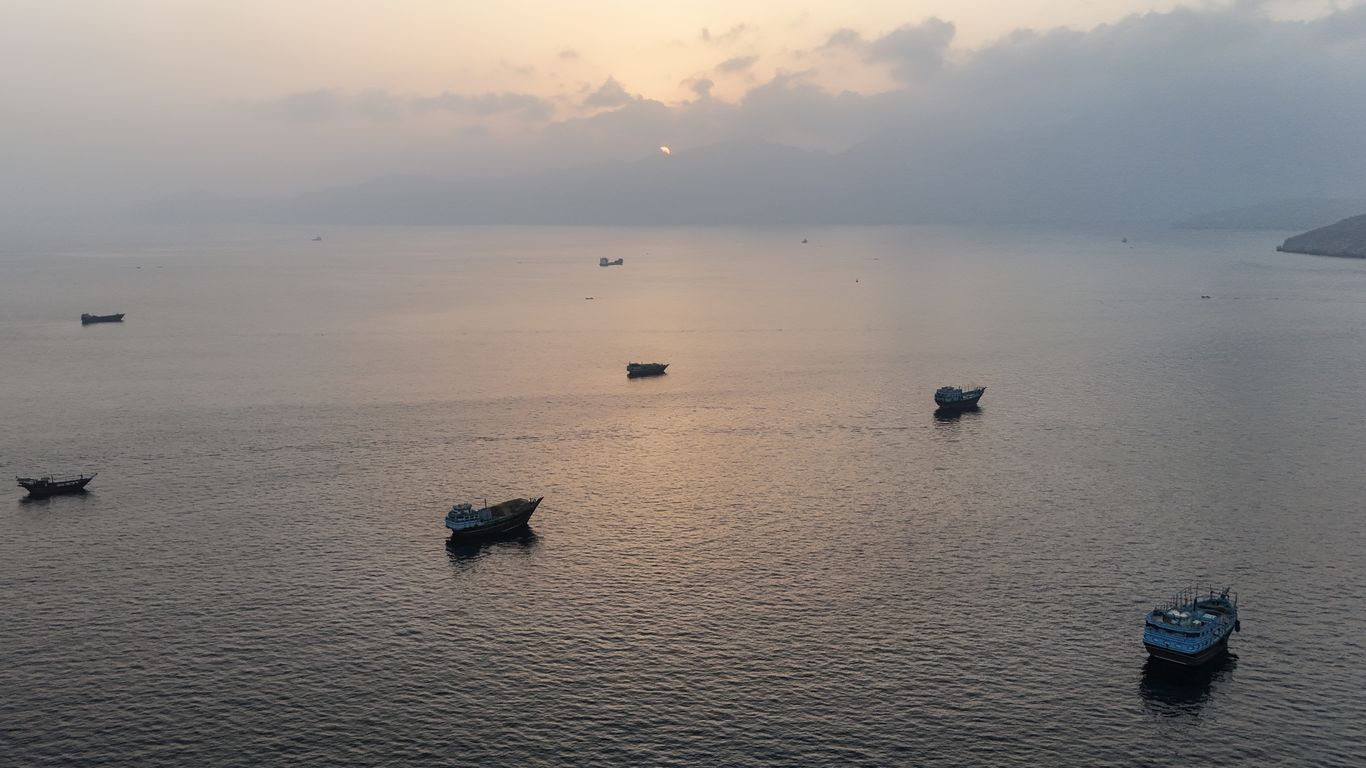
U.S. strikes Iranian targets in Strait of Hormuz for 2nd straight day The U.S. military struck Iranian military targets in the Strait of Hormuz on Wednesday, a U.S. official said.Why it matters: This is the second day in a row that the U.S. is attacking Iranian targets in what U.S. official say is an effort to get Tehran to stop attacking commercial ships in the Strait of Hormuz.Driving the news: The U.S. official said Wednesdays strikes are wider in scope than the strikes the days before. The targets include Iranian military coastal radars, anti-ship missile positions and air defense systems.What theyre saying: "At the direction of the Commander in Chief, U.S. Central Command forces have started conducting additional strikes against Iran to further degrade their ability to threaten freedom of navigation in the Strait of Hormuz," CENTCOM said in a statement."The United States is holding Iran accountable for recent unjustified aggression against commercial shipping and civilian crews freely navigating a vital international waterway."This is a breaking news story. Check back for updates.
axios · about 2 months ago

Trump Says Ceasefire With Iran Is Over After Latest Attacks The president said more strikes could happen as soon as Wednesday night and threatened to reimpose a naval blockade, in the starkest sign yet that diplomacy with Tehran has stalled.
wsj · about 2 months ago

U.S. Launches New Strikes on Iran After Trump Declares Ceasefire Over The president had earlier promised a second night of attacks during the NATO summit in Turkey.
wsj · about 2 months ago
Iran talks in doubts as Trump says ceasefire over US President Donald Trump said the ceasefire with Iran was "over" Wednesday but left the door open to more talks, after fighting flared sparked by Iranian attacks on ships in the vital Strait of Hormuz. "As far as Im concerned, its over," Trump said at a NATO summit in Turkey on Wednesday when asked if the truce was intact. "Ill let our wonderful negotiators keep talking if they want, but I dont see it. I dont like these people," he added.
france24 · about 2 months ago
🔴Live: US military carrying out fresh strikes against Iran after Trump says peace deal is over
france24 · about 2 months ago
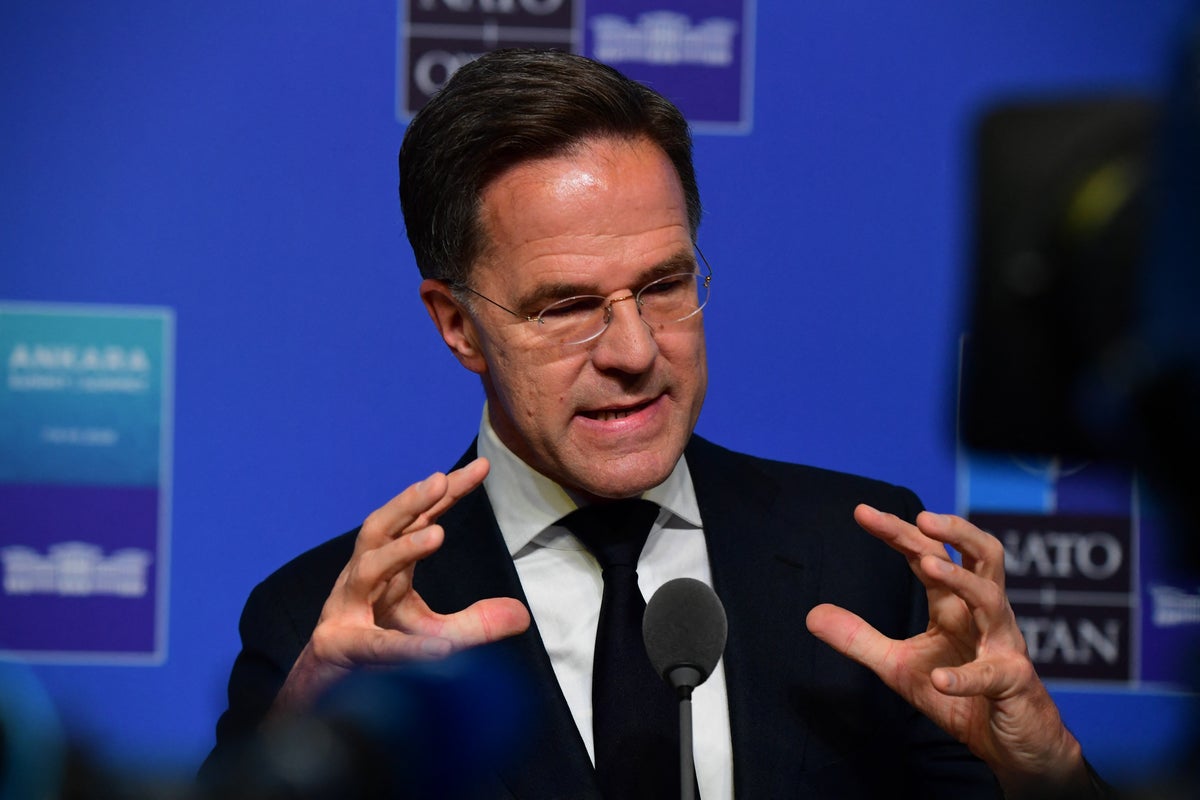
Nato chief defends Trumps strikes on Iran as absolutely necessary despite threat to ceasefire Iran targeted US bases in Kuwait and Bahrain in response to the latest US strikes
independent · about 2 months ago
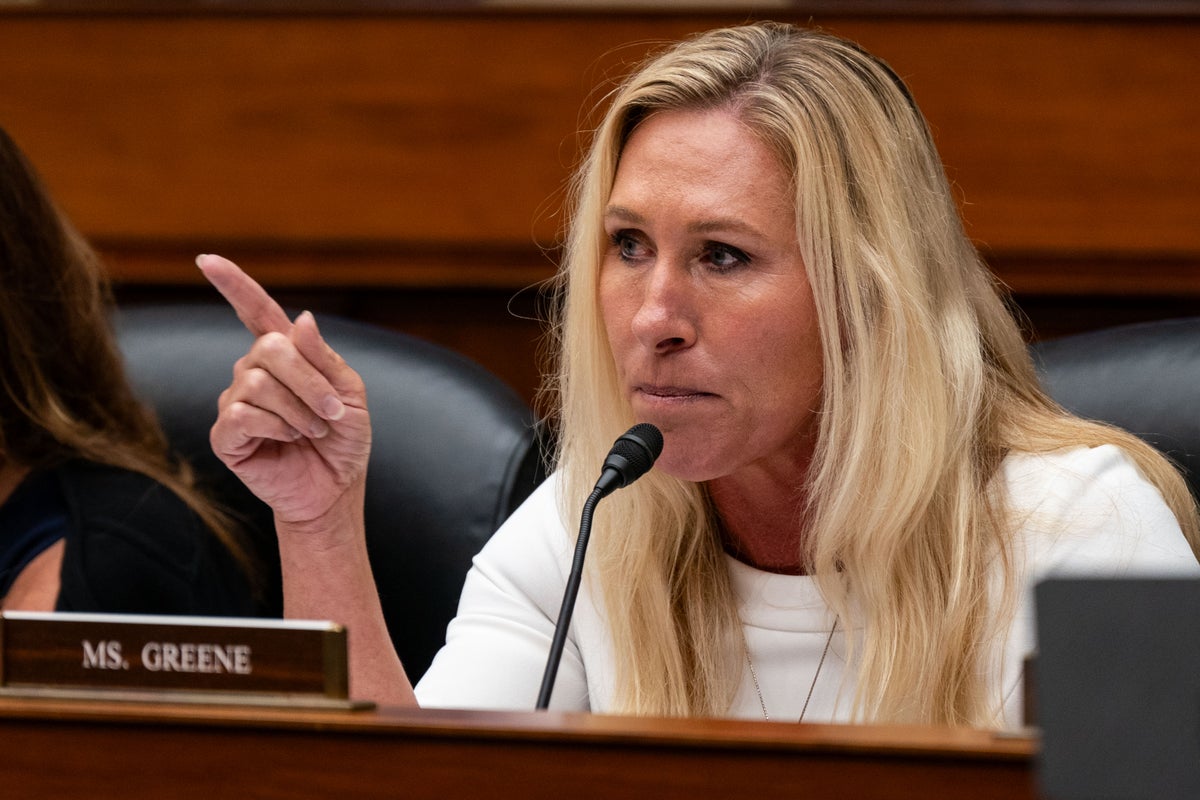
MTG tears into Trump with brutal takedown of the war in Iran and end of ceasefire Former Republican congresswoman Marjorie Taylor Greene invokes President Donald Trumps many contradictory statements on the conflict to attack him over collapse of fragile peace deal
independent · about 2 months ago
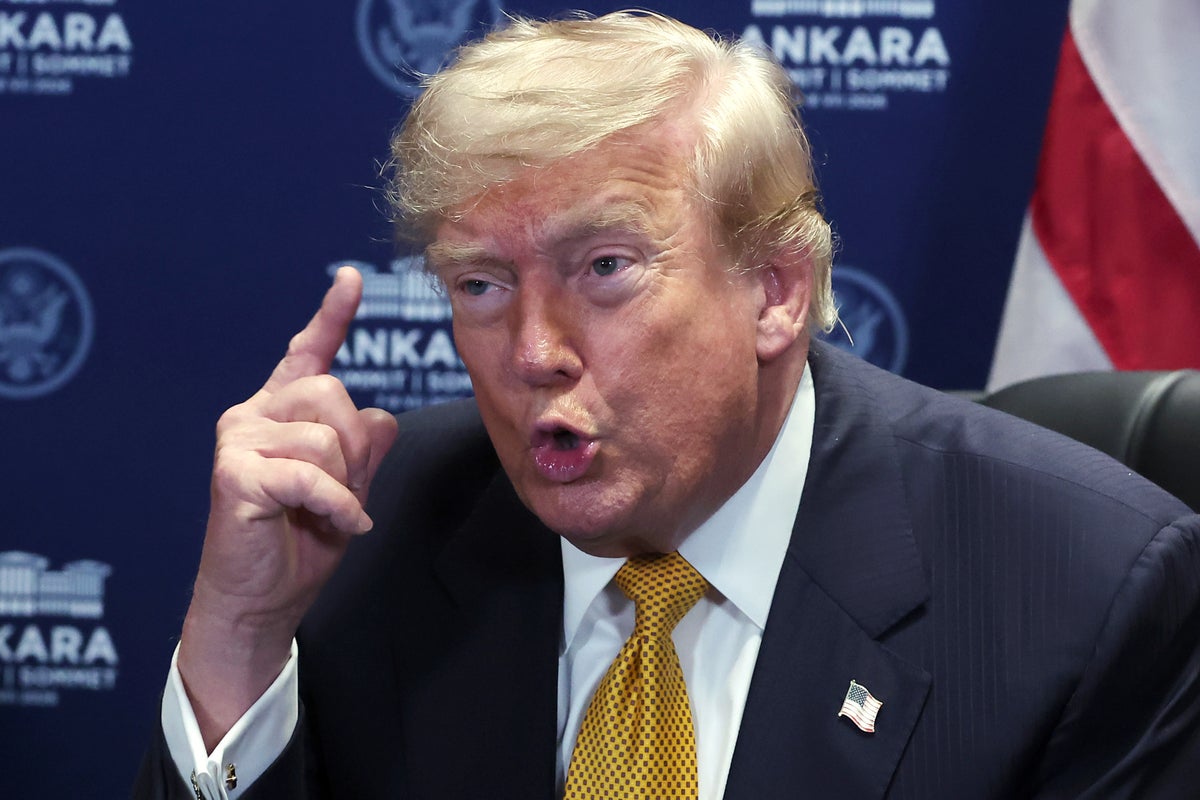
Iran-US war latest: Trump not sure he wants a deal with Tehrans leaders as ceasefire collapses Trump said it was a waste of time dealing with Iran following reports of strikes on ships in the Strait of Hormuz
independent · about 2 months ago
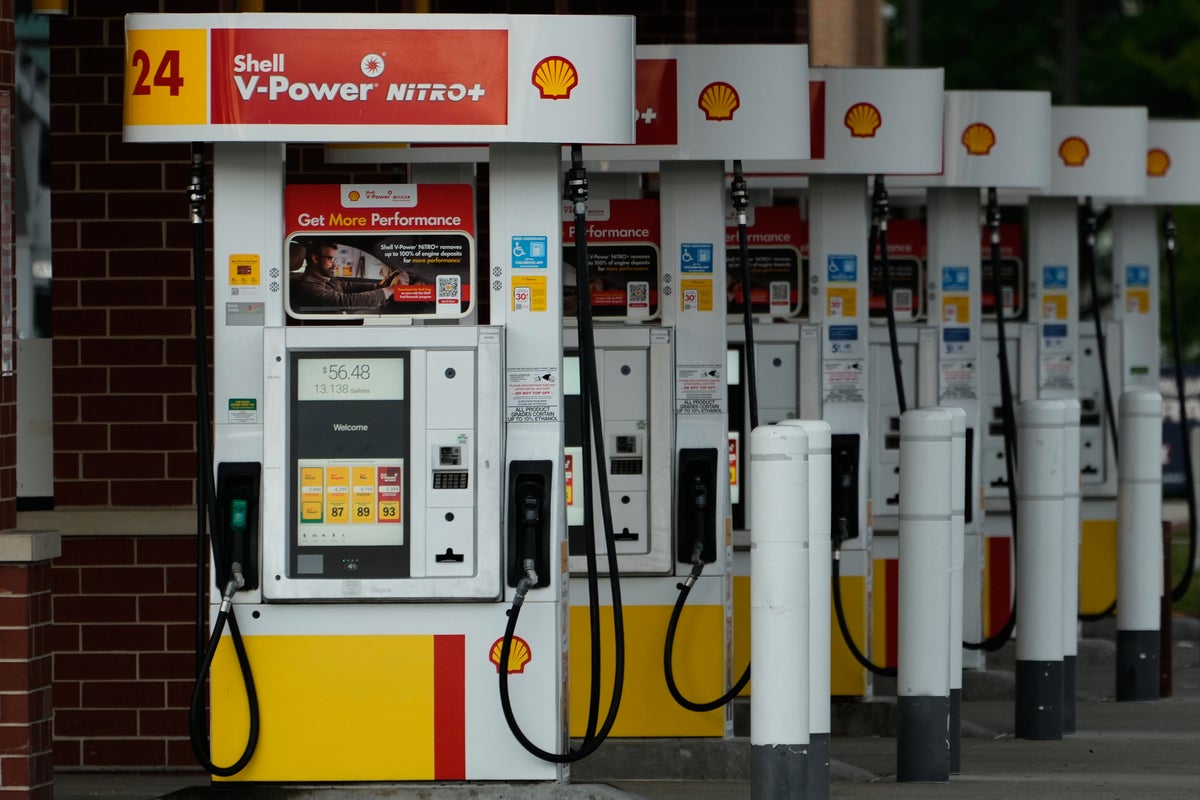
The tenuous state of a US-Iran ceasefire renews anxiety over high fuel prices The potential unraveling of a fragile truce between Iran and the United States has renewed anxiety over fuel prices
independent · about 2 months ago
US says it has launched new strikes on Iran Attacks come after Donald Trump told a Nato summit the ceasefire with Tehran is over
financial times · about 2 months ago
Trump says he may be gone as he declares himself Irans No. 1 target US President Donald Trump declared himself Irans No. 1 target after claiming their leaders have been eliminated
aljazeera · about 2 months ago
Were gonna hit em hard tonight, Trump says about further air strikes on Iran Trump had said that the ceasefire with Iran is "over" after Washington launched strikes on the country overnight, to which Iran responded by targeting US bases in the Gulf.
euronews · about 2 months ago
Trump warns fresh attacks on Iran could come Wednesday night The president pledged to ramp up attacks on Iran after saying earlier that the ceasefire between Washington and Tehran was over.
politico.eu · about 2 months ago
US-Iran Ceasefire Teeters on Brink of CollapsePresident Donald Trump warned of further strikes against Iran, saying US forces had hit them hard and would likely do so again, while expressing doubt that the fragile ceasefire was still intact. The US may also consider reinstating a naval blockade and taking control of Kharg Island. #NationalSecurity #Geopolitics #Nato #MiddleEast
mastodon bot · about 2 months ago

President Donald Trump said on Wednesday the United States would hit Iran "hard", though he expected the latest military flare-up to end quickly and left the door open to more talks. u.afp.com/SK6a
bluesky_AFP English · about 2 months ago

Iran war latest: Trump says US will hit hard again tonight
bluesky_The Times · about 2 months ago

US military is conducting fresh strikes on Iran reut.rs/4vT6IuB
bluesky_Reuters · about 2 months ago
#USA #Iran President Trump has stated that the U.S. will "very probably" attack Iran "hard again tonight," indicating a significant escalation in military action following recent hostilities. Subscribe to @OSINTdefender Chat room
telegram_OSINTdefender · about 2 months ago
JUST IN - CENTCOM says at the direction of Trump, the U.S. military has started conducting additional strikes against Iran. @disclosetv
telegram_Disclose.tv · about 2 months ago
🇺🇸❌🇮🇷- Explosions reported in Hormozgan, Iran.
telegram_GeoPWatch · about 2 months ago
⚡️🇺🇸❌🇮🇷 - Renewed attacks on Irans Konarak, Sistan and Baluchestan.
telegram_GeoPWatch · about 2 months ago
BREAKING: 8 Iranian army members killed in U.S. attacks on southern parts of Iran - state media
telegram_Insider Paper · about 2 months ago
BREAKING - The latest US strikes on southern Iran killed eight military personnel, Iranian state television said on Wednesday. bit.ly/3SUhu52 Follow @InsiderPaper for more news
telegram_Insider Paper · about 2 months ago
Trump droht dem Iran mit „großem Angriff: Keine Chance auf Frieden? Nach gegenseitigen Angriffen hat US-Präsident Donald Trump das Rahmenabkommen mit dem Iran für nichtig erklärt – und dem Regime mit schweren Luftschlägen gedroht. Der Zeitpunkt ist kein Zufall.
tagesspiegel · about 2 months ago
Konflikt um Straße von Hormus: Trump droht Iran mit neuen Angriffen und Seeblockade Nach der jüngsten Eskalation am Persischen Golf ist die Zukunft der Verhandlungen zwischen dem Iran und den USA ungewiss. US-Präsident Trump droht und sät Zweifel, lässt aber eine Hintertür offen.
handelsblatt · about 2 months ago
Air raid sirens sound in Bahrain, Kuwait after US strikes on Iran Bahrain and Kuwait activated air defense systems and sounded nationwide sirens early Wednesday after Irans Revolutionary Guard Corps launched missile and drone attacks against US military installations in both Gulf kingdoms, responding to American strikes on more than 80 targets inside Iran.
yenisafak · about 2 months ago