
Austrias 2027-28 budget cuts hit women harder than men: study

Women in Austria face disproportionate burdens in both health care and economic policy, according to reports published on Aug. 31, 2026.
A study by the Momentum Institute found that women, who control about 40% of income, will bear 46% of the net budget consolidation under Austria’s 2027-28 double budget. From 2027 to 2031, women are projected to lose an average of 1.58% of their net income annually due to cuts, compared to 1.43% for men, said Nicolas Prinz, a co-author of the report. Men, however, benefit more from offensive measures like tax cuts and additional spending, gaining 0.74% of net income annually versus 0.71% for women. The report noted that women are more affected by cuts to social services and low-income support, while men are hit harder by measures targeting high earners, such as higher pension contributions and alcohol taxes .
In health care, women are often advised to take HIV tests late, according to Dr. Katharina Grabmeier-Pfistershammer and Andrea Brunner, director of AIDS Hilfe Wien. Doctors more readily consider HIV testing for men who have sex with men or use drugs, while women are frequently tested only after falling ill or when a partner tests positive, they said. About 25% of HIV-positive women in Austria receive their diagnosis during pregnancy due to routine screening included in the parental pass, Grabmeier-Pfistershammer added. She and Brunner called for greater awareness and better access to testing, particularly for high-risk groups like women from Sub-Saharan Africa, where stigma remains a barrier. Brunner noted that some progress has been made through community outreach, such as partnerships with churches to distribute informational materials in relevant languages .
The economic disparities extend to specific policy impacts. Women make up 68% of low earners affected by higher unemployment insurance contributions, paying an additional €441 million annually, while men pay less than €200 million, the Momentum report stated. Prinz emphasized that the government’s savings often target social benefits and low incomes, which disproportionately affect women, while measures like the increase in the maximum contribution base for pensions—affecting 76% men—primarily impact higher earners .
In 2027, the trend briefly reverses, with men bearing a slightly higher burden of 0.51% of income compared to women’s 0.49%, due in part to the delayed implementation of wage cost reductions until 2028, according to the report .
Follow us for live European news
- 3
- 1
- 1
Articles

Pharma: Das zweifelhafte Milliardengeschäft mit Frauen in den Wechseljahren Investoren und Pharmafirmen stecken Milliarden in Produkte für Frauen in der Menopause. Dennoch fehlt es an wirksamen Therapien. Ein deutscher Anbieter profitiert.
handelsblatt · about 3 hours ago
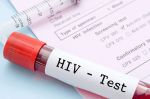
Frauen wird häufig spät zu HIV-Test geraten Ärzte denken bei Frauen seltener an eine HIV-Erkrankung im Vergleich zu homosexuellen Männern oder Drogenkonsumenten. Das Durchschnittsalter der in Behandlung befindlichen Menschen steigt
der standard · about 3 hours ago

Momentum Institut: Frauen von Budgetkürzungen überproportional betroffen Durch die Kürzungen im Doppelbudget verlieren Frauen laut einem Momentum-Report von 2027 bis 2031 im Schnitt jährlich 1,58 Prozent ihres Nettoeinkommens, Männer 1,43 Prozent
der standard · about 3 hours ago

Acné en la edad madura: Cuanto más tarde ataca, más tiende a trastornarlo todo Ya no es cosa de adolescentes: hasta un 20 de mujeres adultas sufre brotes de acné, pero ¿por qué aparece ahora? Estrés, hormonas, errores en el cuidado de la piel y microbiota están detrás de un fenómeno en aumento y aún poco comprendido
la vanguardia · about 3 hours ago
Frauen wird häufig spät zu HIV-Test geraten Im Vergleich zu homosexuellen Männern oder Drogenkonsumenten wird Frauen erst spät ein HIV-Test empfohlen. Die meisten Infektionen werden bei Frauen meist erst in der Schwangerschaft entdeckt.
die presse · about 3 hours ago
Momentum: Frauen von Budgetkürzungen stärker betroffen
orf.at · about 4 hours ago